Introduction
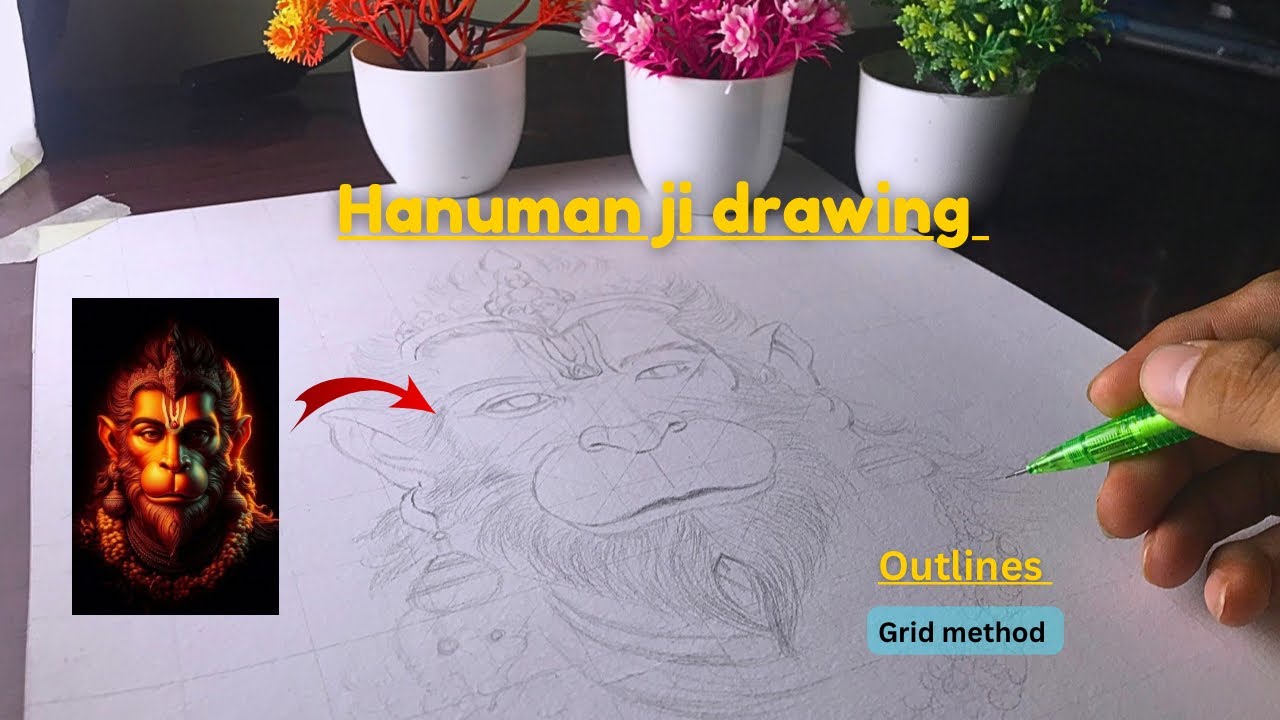
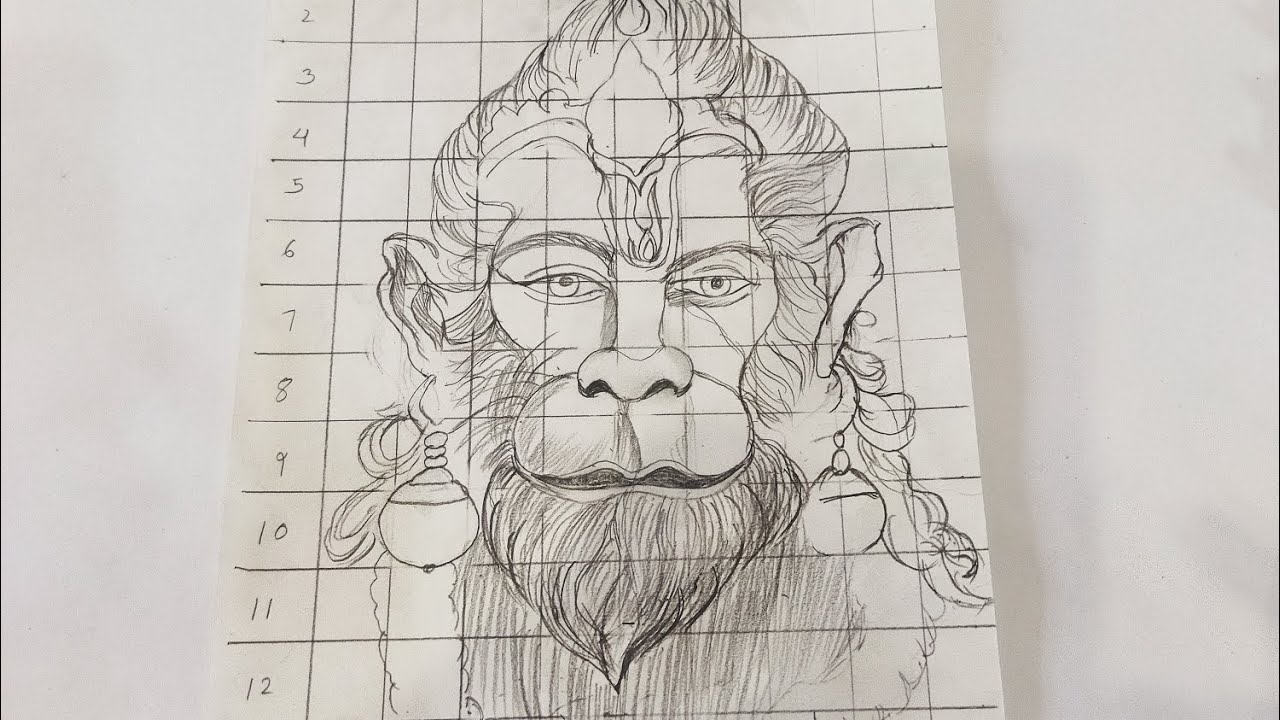
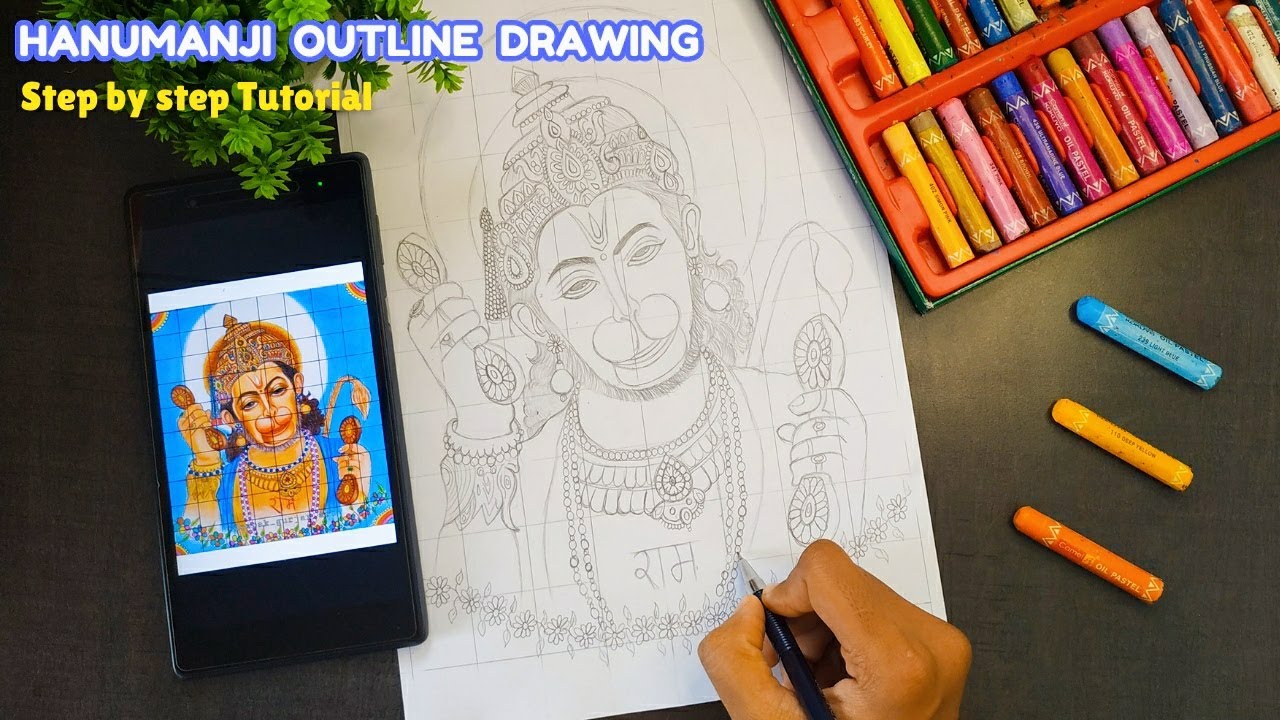
Grid method hanuman ji drawing is an instructional visual arts technique that breaks down complex iconographic subjects into manageable coordinate squares to teach proportion, spatial tracking, and fine-motor control to young learners. According to the National Art Education Association (NAEA), structured visual exercises utilizing geometric breakdowns significantly enhance observational accuracy and cognitive mapping in early childhood education. By dividing reference images into standardized matrices, children transition from abstract artistic frustration to methodical spatial estimation. Educators utilize these printable resources within broader Educational Activities to cultivate structured drawing habits. The technique bridges cultural learning with foundational geometry, ensuring that developing minds grasp both symmetry and structural composition.
Visual Learning & Skill Snapshot:
- Core Focus: Systematic coordinate-based proportion transfer using iconic mythological reference material.
- Target Skill: Spatial reasoning, visual discrimination, and fine-motor hand-eye coordination.
- Key Recommendation: Pair high-contrast reference images with numbered 4×4 coordinate grids before progressing to complex layouts.
Core Principles and Visual Learning Overview
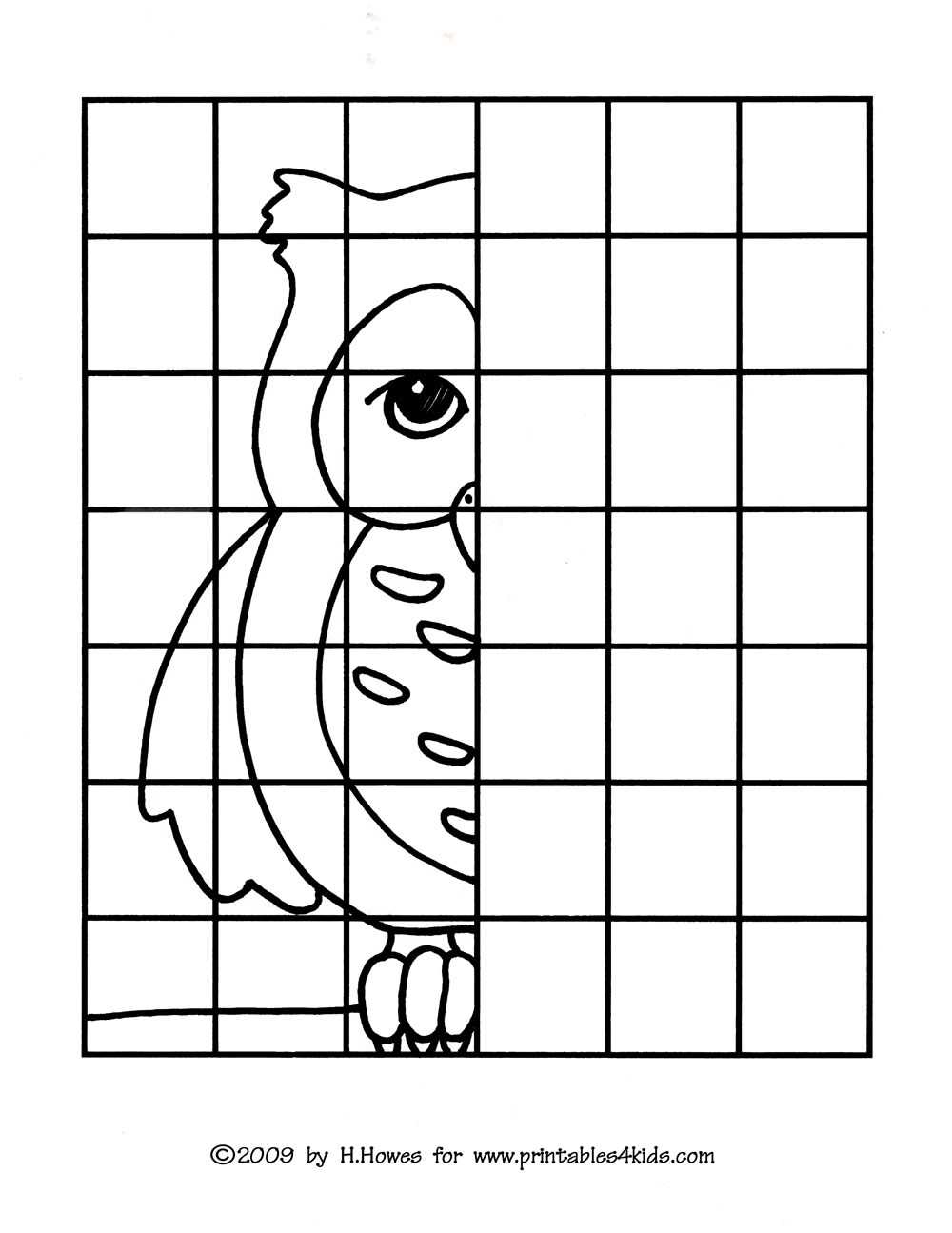
Grid method hanuman ji drawing relies on breaking a complex visual form into smaller, isolated coordinate units that reduce cognitive overload during the rendering process. When children attempt to draw intricate cultural figures without structural scaffolding, attention frequently scatters across unmanageable curves and overlapping iconographic details. Utilizing printable Grid Drawing worksheets allows students to isolate visual data square by square, analyzing lines, angles, and negative space independently. This progressive isolation aligns closely with real photo visual flashcards, training the human eye to perceive shapes as geometric components rather than overwhelming wholes. Early learners develop advanced visual literacy by cross-referencing coordinates between the original template and the blank working grid.
Key Specifications and Breakdown
| Age / Learning Stage | Visual Skill & Grid Ratio | Pedagogical Application & Scaffolding |
|---|---|---|
| Ages 5-6 (Early Foundation) | 2×2 or 3×3 simple grids | Focuses on basic contour recognition and gross motor line placement using high-contrast outlines. |
| Ages 7-9 (Skill Development) | 4×4 standard proportion grid | Teaches intermediate coordinate mapping, angle estimation, and proportion matching for detailed iconographic features. |
| Ages 10+ (Advanced Practice) | 6×6 detailed coordinate matrix | Encourages independent scaling, shading transitions, and fine-motor precision without continuous adult intervention. |
Structured visual partitioning and coordinate-based drawing activities measurably improve cognitive spatial mapping and fine-motor execution in early childhood learners. — National Art Education Association (NAEA)
Step-by-Step Practical Application and Printing Guidelines
Executing grid method hanuman ji drawing effectively requires high-clarity printing, durable paper stock, and systematic progression through coordinate axes. Educators should first select a printable worksheet featuring bold, clear grid lines alongside an authentic reference image of Hanuman Ji to prevent visual ambiguity. Instruct learners to label horizontal axes with letters and vertical axes with numbers to reinforce alphanumeric literacy simultaneously with art instruction. Students begin by copying the contents of one square at a time, starting from the top-left coordinate and moving sequentially across the page. Pairing these structured drawing sheets with Photo Flashcards enhances observation skills by exposing learners to real photographic details before they execute line work.
Common Challenges and How to Avoid Them
Grid method hanuman ji drawing often presents initial hurdles when learners attempt to render entire sections at once instead of focusing exclusively on individual grid boxes. To counter this common pitfall, provide students with paper masks or index cards to physically cover surrounding squares, thereby eliminating visual distractions. Another frequent error involves misidentifying intersecting lines within a coordinate square; educators can resolve this by encouraging children to look for specific geometric shapes, such as triangles or arcs, inside each individual cell. Consistent guidance on light pencil sketching ensures that early learners can easily erase misaligned proportions without tearing the paper stock or experiencing frustration.
💬 Frequently Asked Questions
Explore More Free Learning Printables and Visual Activities on WePhotoAgency
Grid method hanuman ji drawing serves as a powerful bridge connecting cultural education, fine-motor skill development, and spatial reasoning for growing children. Educators and parents can expand their instructional libraries by exploring the extensive collection of free printables, structured drawing worksheets, and visual learning resources available directly through WePhotoAgency.com to support continuous, engaging cognitive growth.
Visual Reference Gallery