Introduction
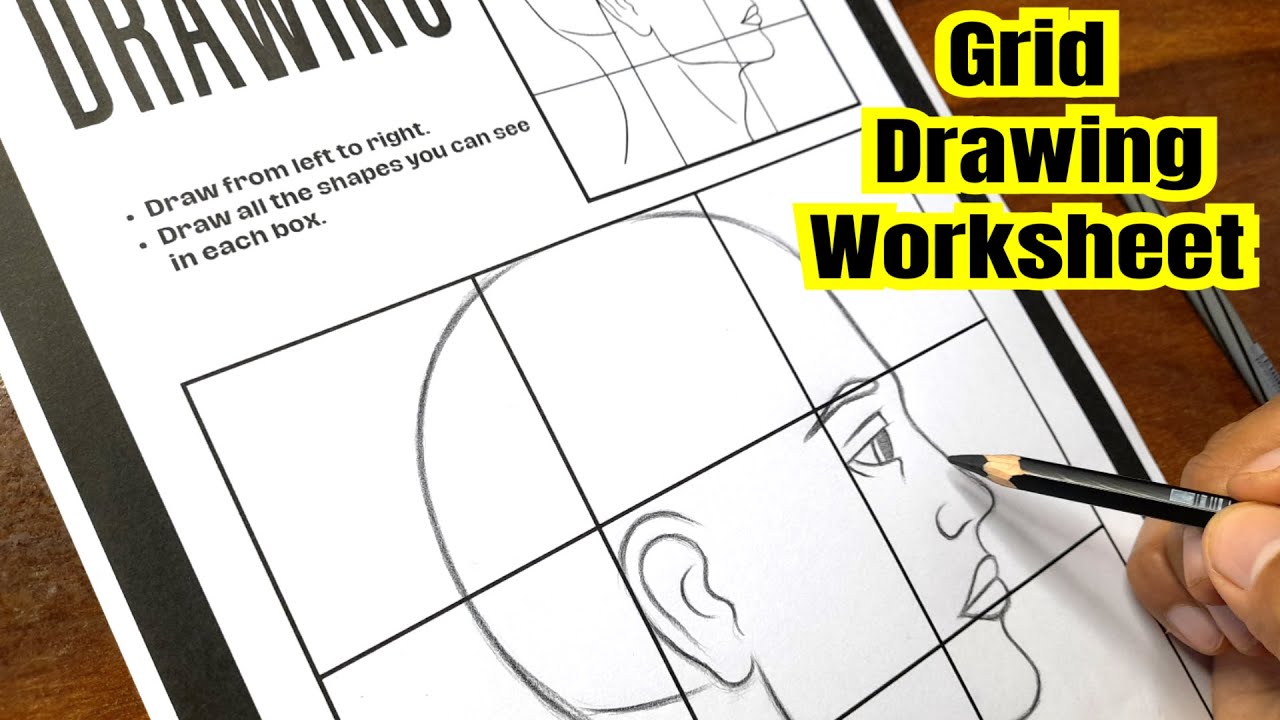
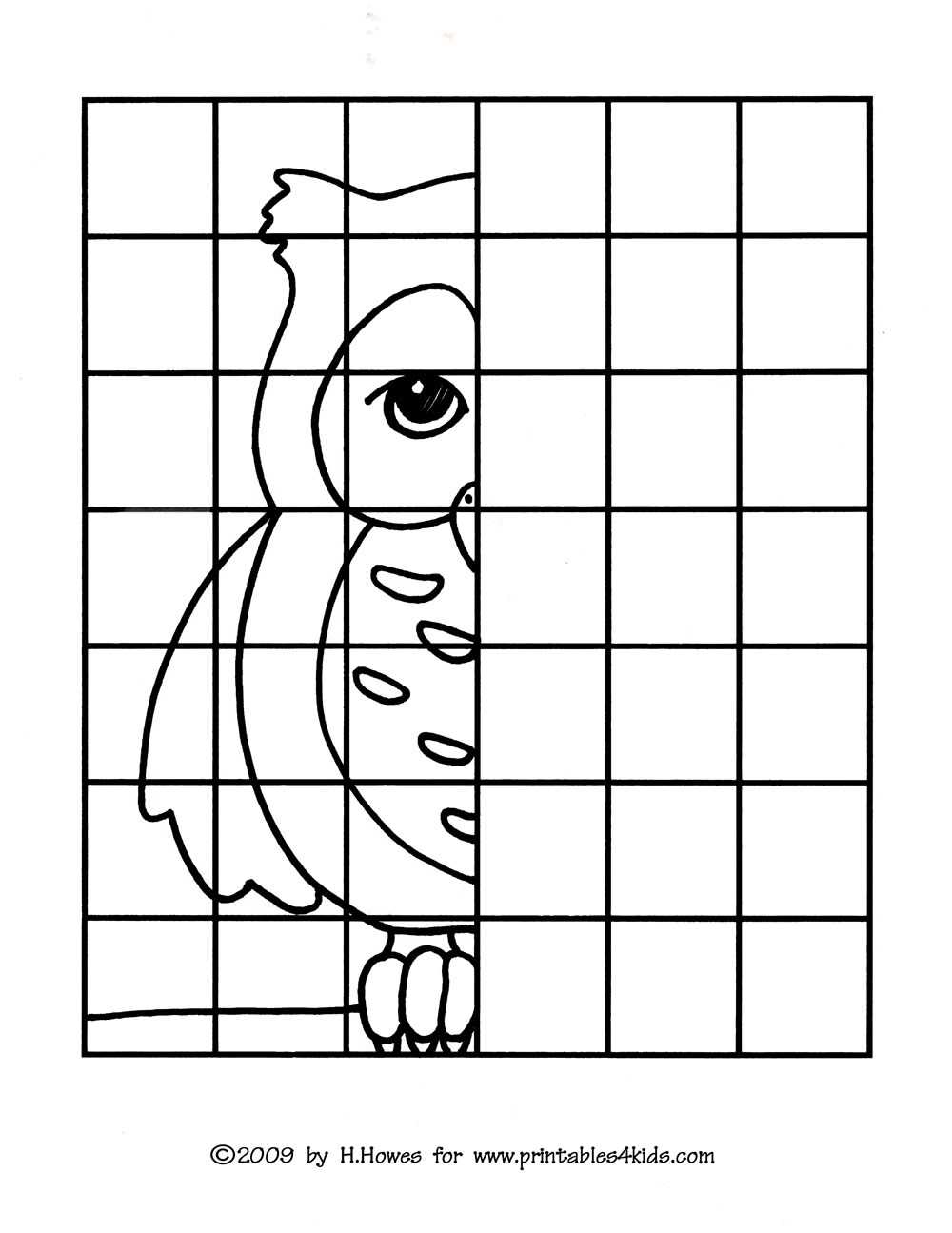
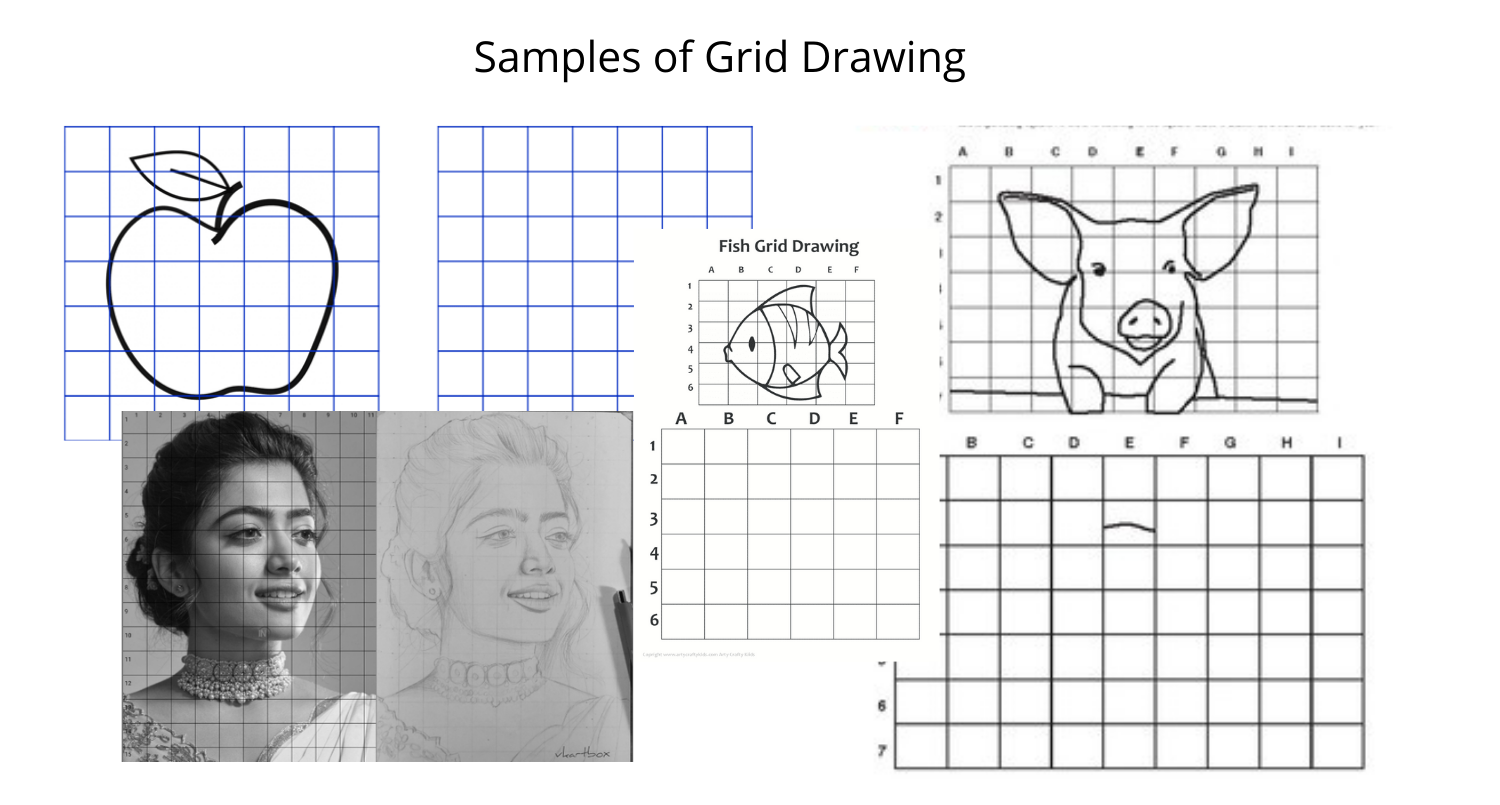
The grid method for drawing portraits is a proven foundational technique that breaks complex visual forms into manageable geometric squares, enabling learners to accurately replicate proportions through systematic observation. According to the National Art Education Association (NAEA), structured visual observation tasks significantly enhance spatial reasoning and observational accuracy in developing learners. Utilizing printable grid drawing worksheets alongside realistic references bridges the gap between abstract visual information and concrete fine-motor execution. Educators and parents leverage these structured resources to cultivate patience, coordinate hand-eye movements, and build technical confidence in young artists. This pedagogical framework supports rigorous visual analysis while keeping artistic exploration accessible and frustration-free.
Visual Learning & Skill Snapshot:
- Core Focus: Systematic spatial division for accurate facial proportion rendering.
- Target Skill: Spatial reasoning, visual discrimination, and fine-motor proportion estimation.
- Key Recommendation: Pair high-contrast reference images with identical grid dimensions for optimal accuracy.
Core Principles and Visual Learning Overview
Visual mapping transforms daunting portrait subjects into isolated grid coordinates that young learners can process independently without cognitive overload. When children examine real photo visual flashcards overlaid with intersecting axes, attention shifts from the intimidating whole face to individual line intersections, angles, and negative spaces. This reductionist approach trains the brain to draw what is actually seen rather than what is assumed to be there, overcoming common cognitive biases in early drawing development. Scaffolding this process through targeted Grid Drawing exercises develops acute coordinate literacy that transfers directly to advanced geometry and observational science disciplines.
Key Specifications and Breakdown
| Age / Learning Stage | Visual Skill & Grid Ratio | Pedagogical Application & Scaffolding |
|---|---|---|
| Ages 5-7 (Early Exploration) | 2×2 or 3×3 simple grid, high-contrast shapes | Focus on basic outline capture using Photo Flashcards to isolate facial features. |
| Ages 8-10 (Intermediate Precision) | 4×4 or 5×5 moderate grid, standard proportions | Emphasize line continuity, proportional placement of eyes and nose, and light pencil pressure. |
| Ages 11+ (Advanced Mastery) | 6×6+ complex grid, nuanced value shading | Integrate subtle tonal variations alongside precise contour mapping through Educational Activities. |
Systematic visual breaking exercises improve spatial retention and proportional accuracy by establishing direct neural connections between optical input and motor output. — National Art Education Association (NAEA). For more related activities, check out our Koala Grid Drawing.
Step-by-Step Practical Application and Printing Guidelines
Executing a successful portrait begins with printing identical grid ratios onto both the reference portrait and the blank drawing sheet to ensure direct coordinate correspondence. Educators should select clear, high-contrast imagery where lighting clearly defines facial contours and shadows. Students systematically transfer each square’s content individually, starting from the top-left coordinate and moving horizontally to maintain structural integrity. Using non-smudge graphite pencils and lightweight erasers allows learners to lightly map guidelines before refining definitive contour lines. Incorporating multi-sensory tools helps maintain engagement throughout the step-by-step rendering process.
Common Challenges and How to Avoid Them
Students frequently struggle by attempting to draw the entire portrait at once instead of focusing on one isolated grid square at a time, leading to premature proportion distortion. Instructors counter this tendency by having learners physically cover adjacent squares with a blank index card, forcing complete visual concentration on a single coordinate. Another frequent hurdle involves heavy, irreversible pencil lines that prevent correction; modeling light sketching strokes resolves this technical barrier. Providing clear visual checkpoints ensures learners verify scale and placement before adding permanent details or shading.
💬 Frequently Asked Questions
Explore More Free Learning Printables and Visual Activities on WePhotoAgency
Empowering young artists with structured visual tools fosters lifelong confidence, precise observation, and advanced cognitive flexibility. Educators, parents, and homeschool leaders can access an extensive library of professional teaching aids, classroom worksheets, and creative resources by visiting WePhotoAgency.com today.
Visual Reference Gallery