Introduction
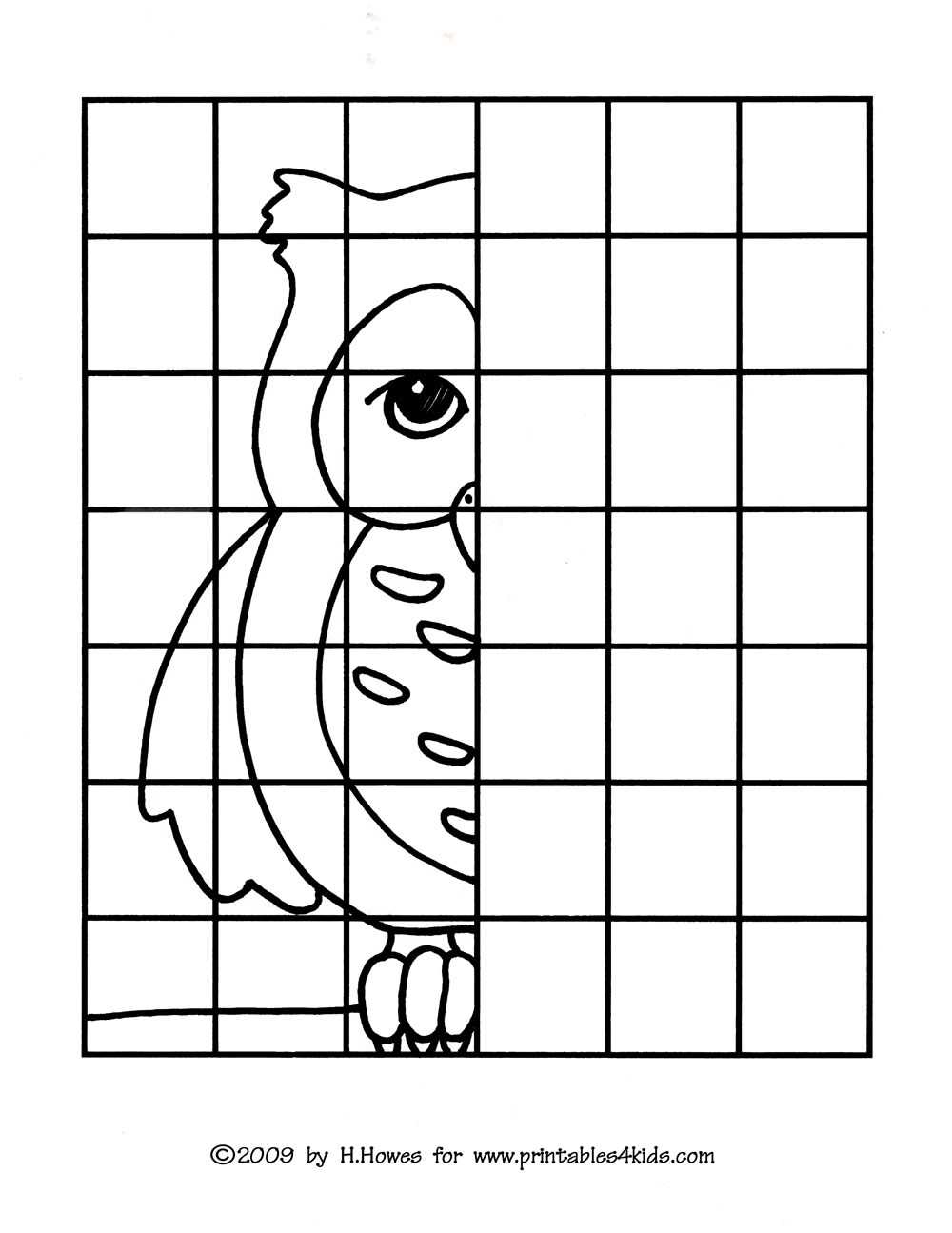
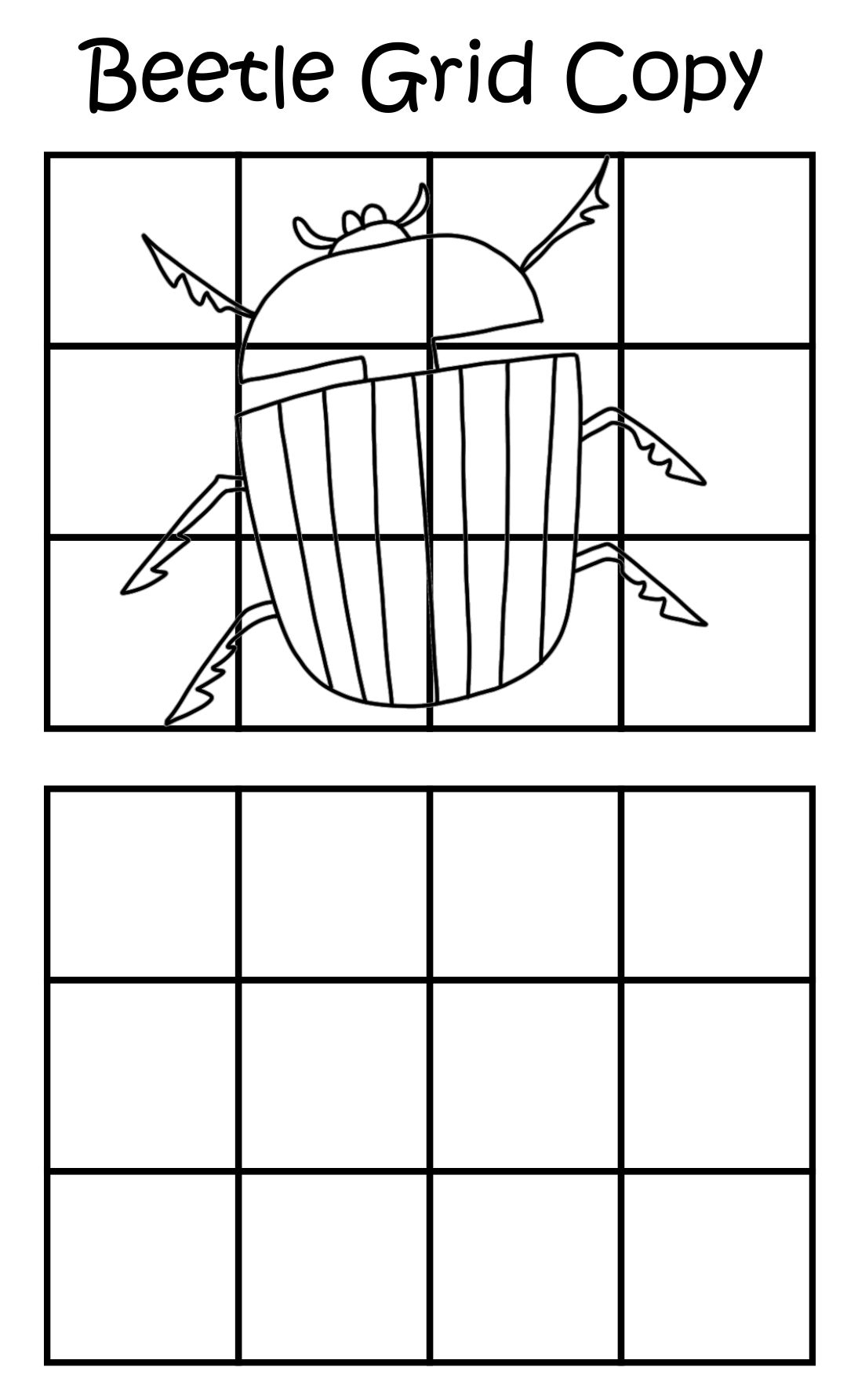
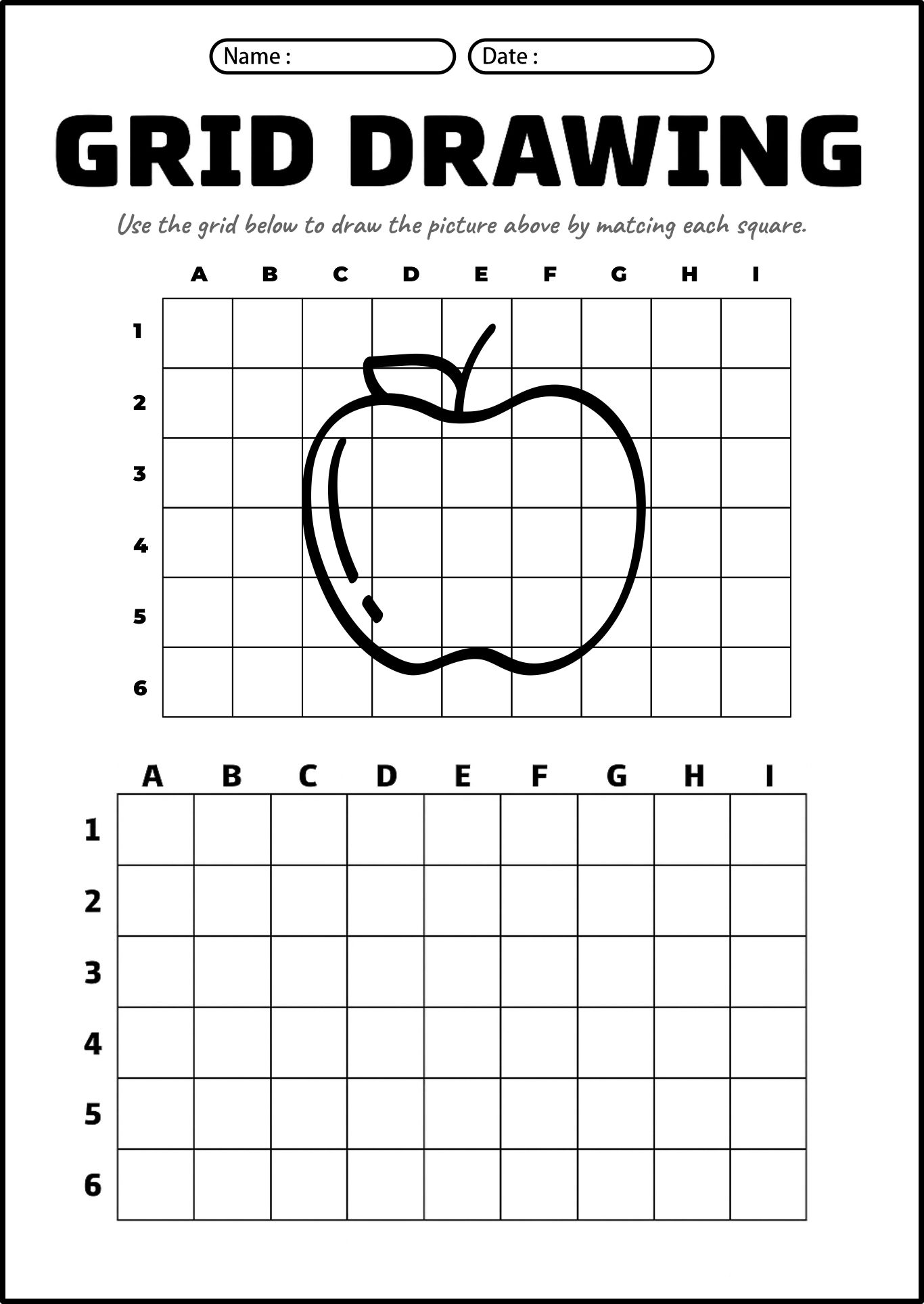
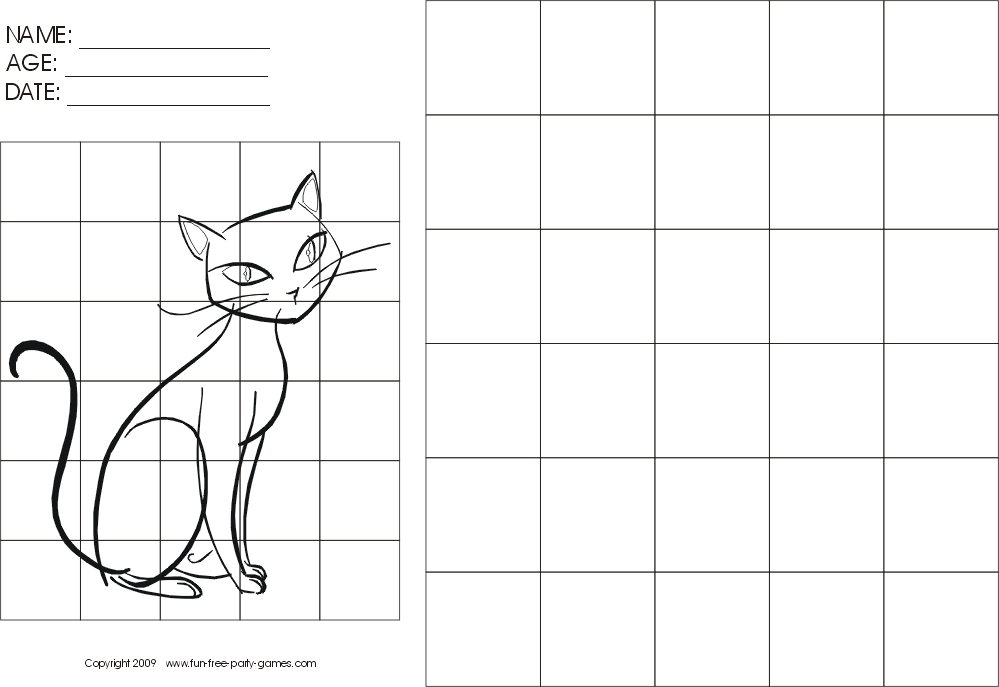
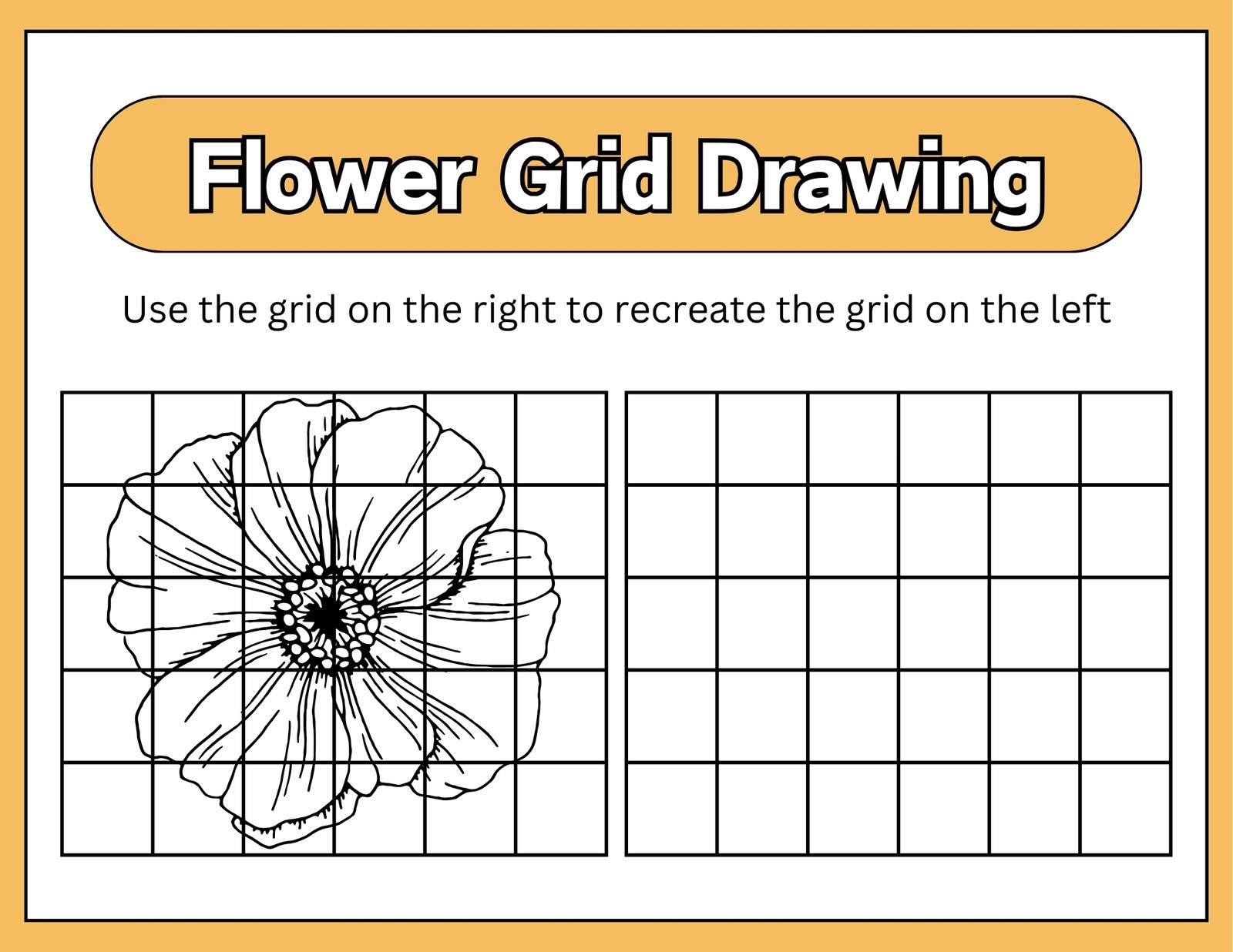
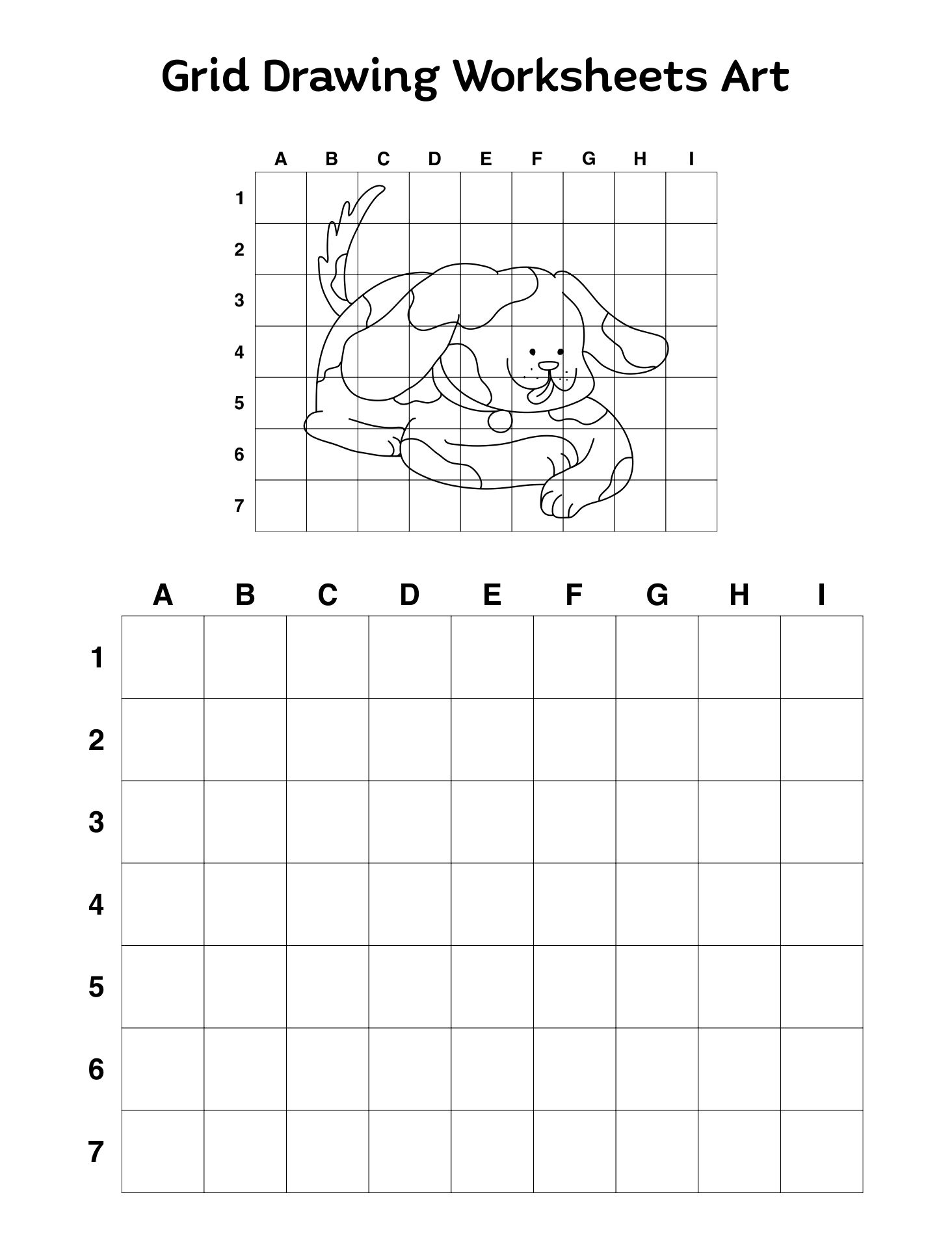
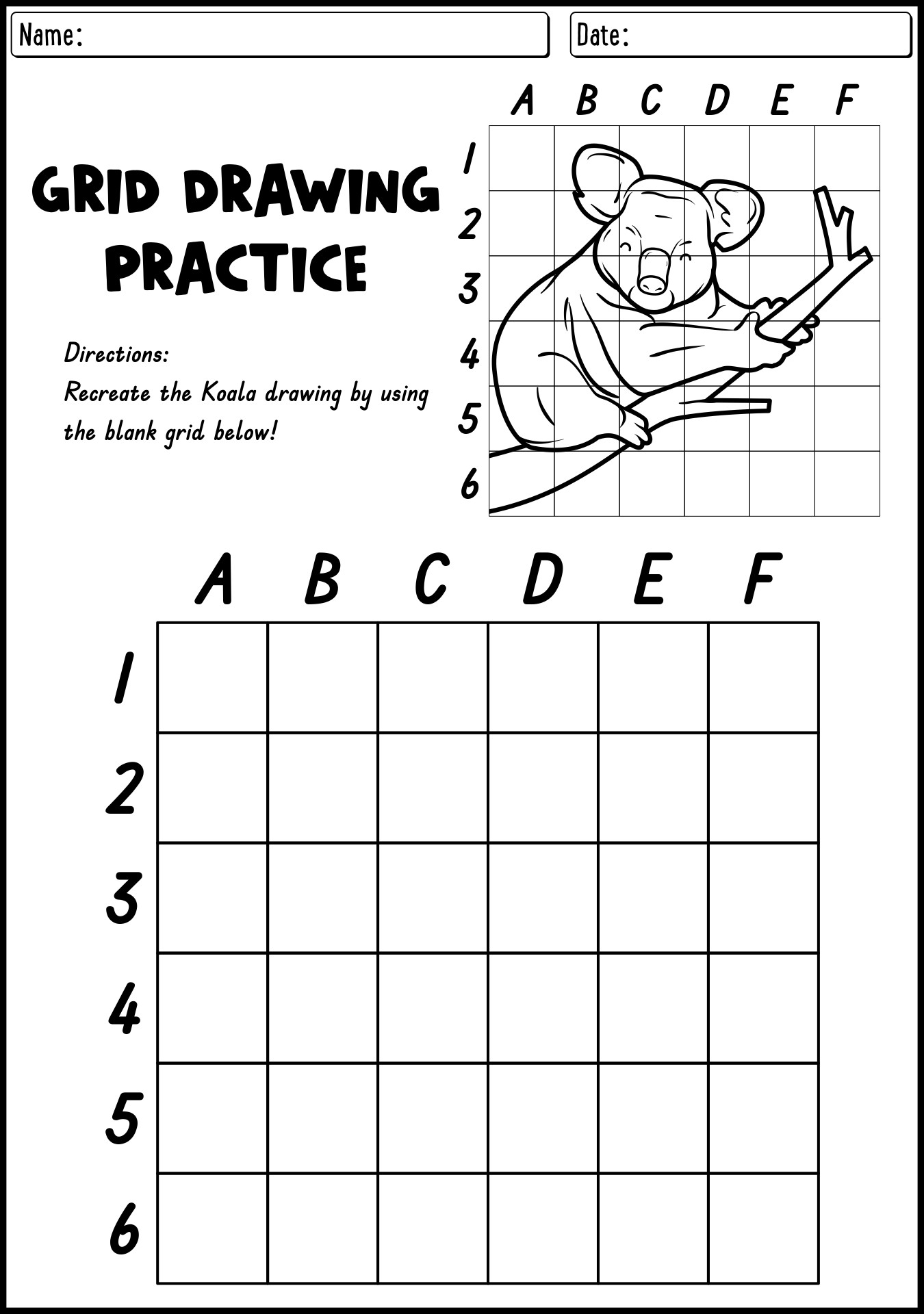
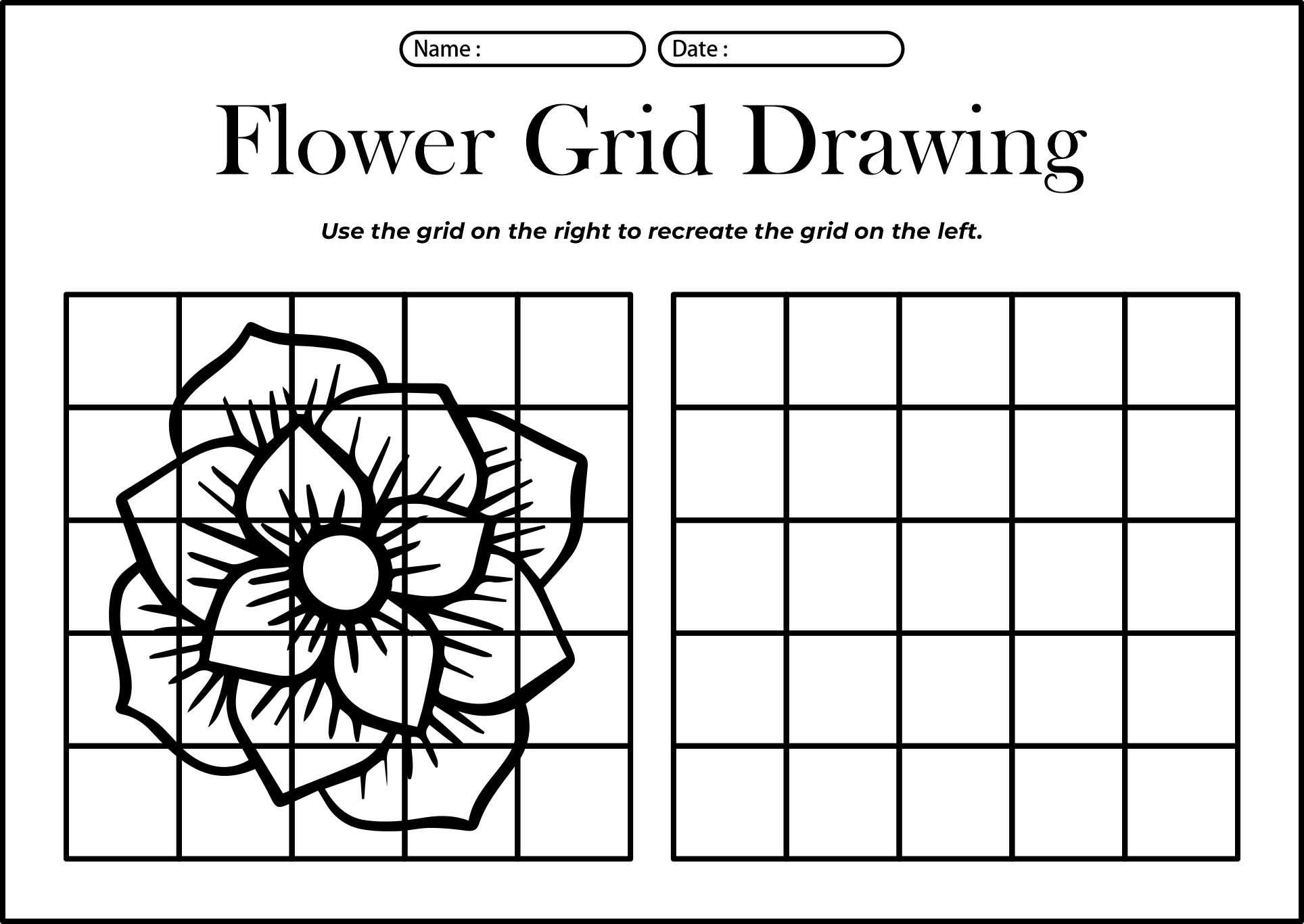
Printable grid drawing worksheets pdf resources are specialized instructional tools designed to break complex visual subjects into manageable coordinate squares, systematically enhancing spatial awareness and observational accuracy in early learners. According to the National Association for the Education of Young Children (NAEYC), structured visual representation activities significantly strengthen fine-motor coordination, cognitive mapping, and early geometric comprehension in young children. By pairing these geometric matrices with Photo Flashcards, educators provide a multi-sensory pathway for children to translate real-world photographic references into accurate structural line drawings. Engaging with Grid Drawing templates allows students to build foundational competencies in proportion estimation without the cognitive overload of freehand sketching complex subjects entirely from scratch.
Visual Learning & Skill Snapshot:
- Core Focus: Printable grid drawing worksheets pdf resources establish coordinate-based visual mapping for young learners.
- Target Skill: Spatial reasoning, proportional measurement, visual discrimination, and fine-motor pencil control.
- Key Recommendation: Pair high-contrast photographic reference grids with simplified 2×2 or 3×3 matrices for beginning drawers before advancing to dense coordinate structures.
Core Principles and Visual Learning Overview
Grid drawing worksheets pdf templates operate by teaching children to isolate individual visual quadrants rather than focusing on the overwhelming macro-image, drastically reducing cognitive anxiety during art and geometry exercises. When children analyze a single grid square at a time, visual-perceptual processing shifts from abstract interpretation to concrete line-and-space observation. This foundational methodology aligns closely with structured Educational Activities designed to enhance left-right hemispheric collaboration, visual tracking, and precise pencil control. Children learn to evaluate negative space, contour intersections, and relative scale by cross-referencing a source photograph against an identical grid overlay on a blank drawing sheet.
Key Specifications and Breakdown
| Age / Learning Stage | Visual Skill & Grid Ratio | Pedagogical Application & Scaffolding |
|---|---|---|
| Ages 4-5 (Early Kindergarten) | 2×2 or 3×3 simple matrices with high-contrast photographic subjects | Introduce basic coordinate tracking, pointing out specific corners and line entry/exit points within individual boxes. |
| Ages 6-7 (Early Elementary) | 4×4 balanced grids featuring everyday objects and nature specimens | Encourage independent line estimation, focusing on proportional accuracy and continuous contour tracing per square. |
| Ages 8-9 (Advanced Primary) | 5×5 or greater detailed grids with complex real-world photo references | Develop advanced observational discipline, angle measurement, and transition from grid copying to freehand scaling. |
Structured visual frameworks improve perceptual mapping by breaking complex holistic visual stimuli into discrete, manageable spatial units that align with early childhood neurological processing capacities. — National Art Education Association (NAEA)
Step-by-Step Practical Application and Printing Guidelines
Executing successful drawing exercises with downloadable grid drawing worksheets pdf files requires clean document scaling, durable cardstock printing, and clear lighting in the learning environment. Educators should print materials at 100 percent scale without auto-fit page warping to ensure precise square dimensions for accurate proportion transfer. Instructors must place the reference photo and the blank drawing grid side-by-side on a flat workspace to minimize visual parallax errors during the copying process. Providing colored pencils or fine-tip markers further helps young learners differentiate between grid reference lines and their own newly drawn contour marks.
Common Challenges and How to Avoid Them
Children frequently struggle with grid drawing worksheets pdf materials when they attempt to draw the entire picture at once instead of isolating one individual square at a time. To resolve this developmental hurdle, educators should provide a movable masking card with a square window cut out, allowing the child to isolate a single grid box on both the reference sheet and the drawing paper. Another common obstacle is improper line placement resulting from faint grid lines; utilizing high-contrast PDF printouts with bold, distinct coordinate borders ensures young eyes can easily navigate the matrix without visual fatigue.
💬 Frequently Asked Questions
Explore More Free Learning Printables and Visual Activities on WePhotoAgency
Uncover an extensive library of educational assets, printable templates, and visual teaching aids designed to support holistic childhood development by visiting WePhotoAgency.com. Consistent integration of structured visual tools empowers educators and parents to cultivate lifelong artistic confidence and cognitive precision in every child.
Visual Reference Gallery