Introduction
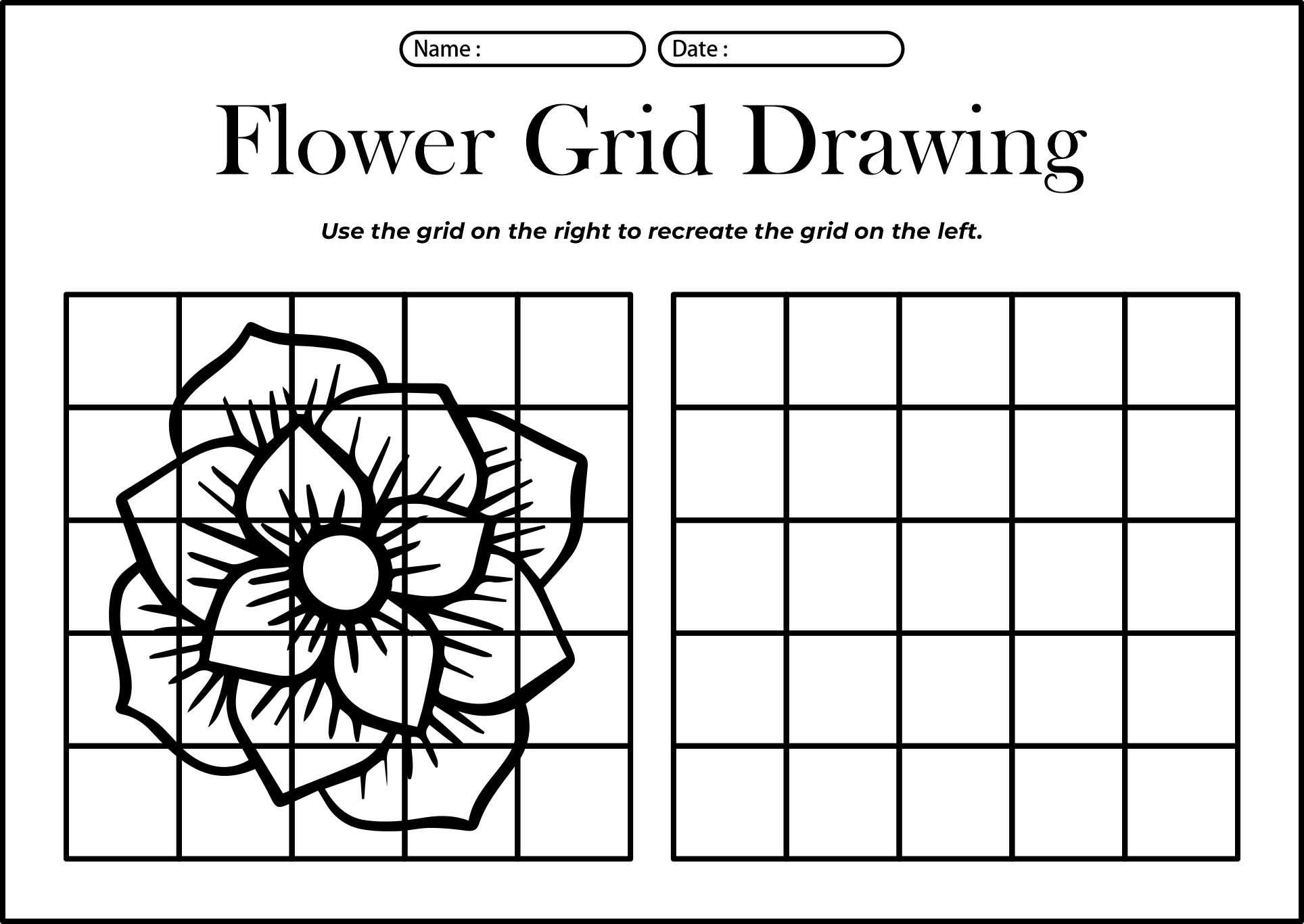
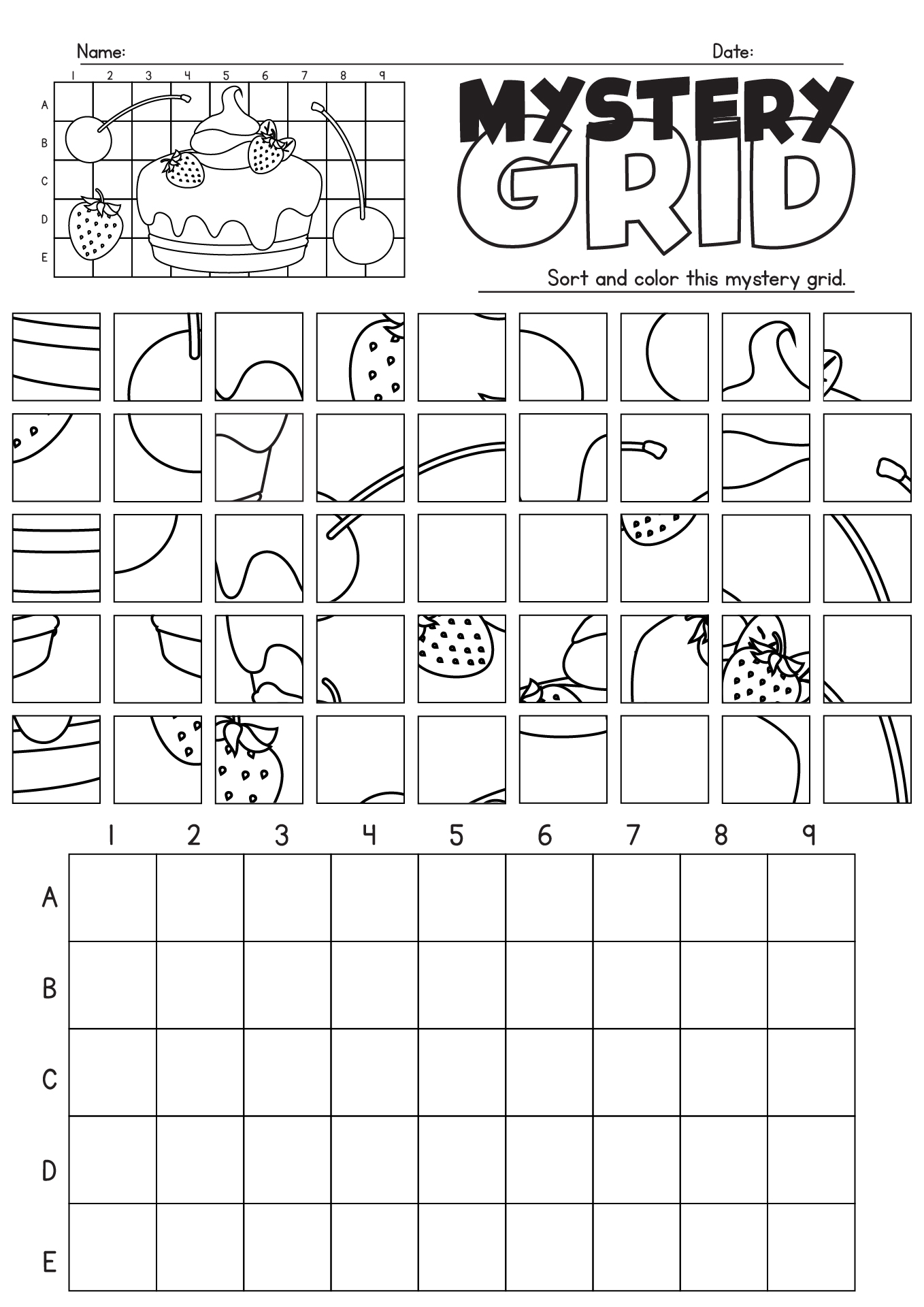
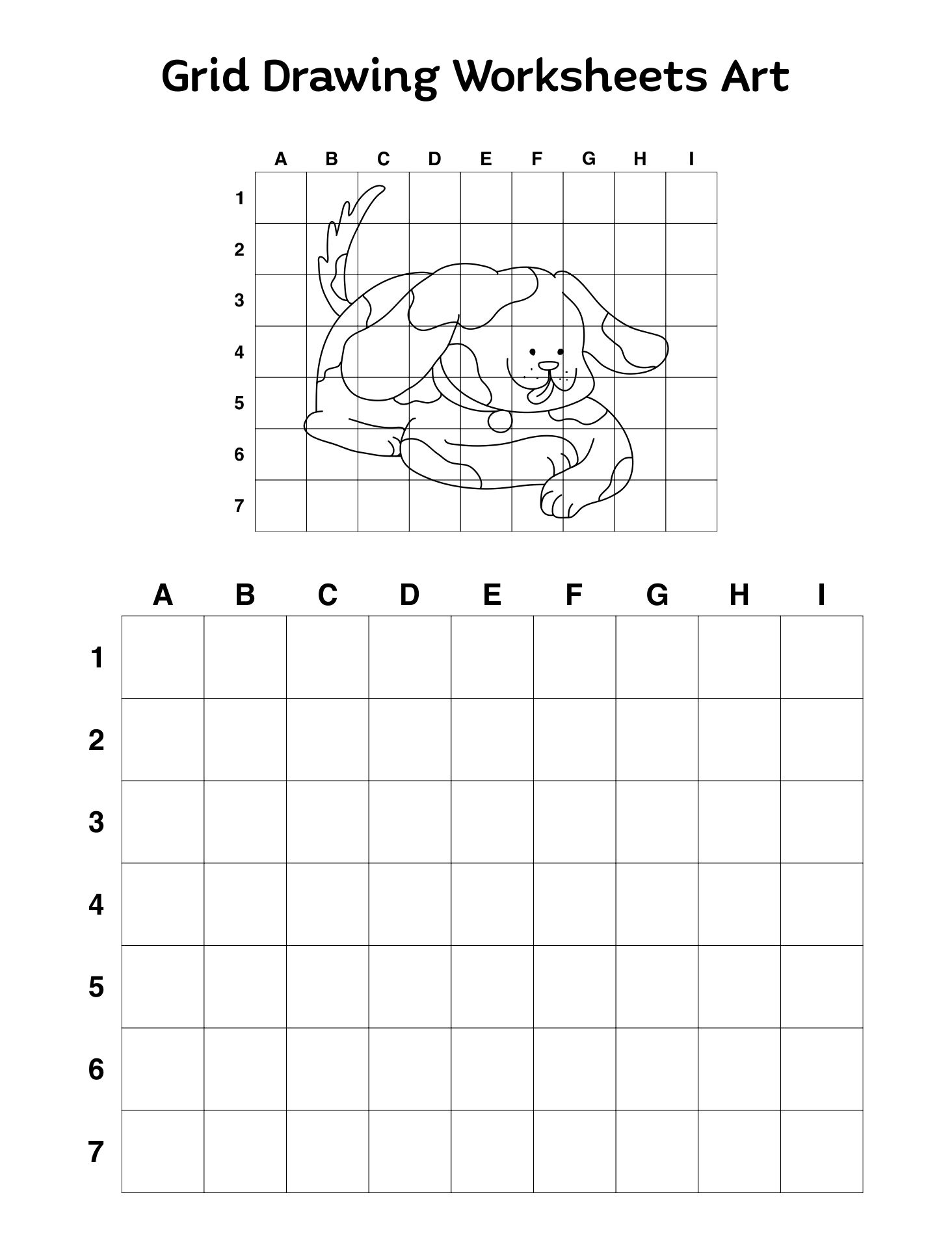
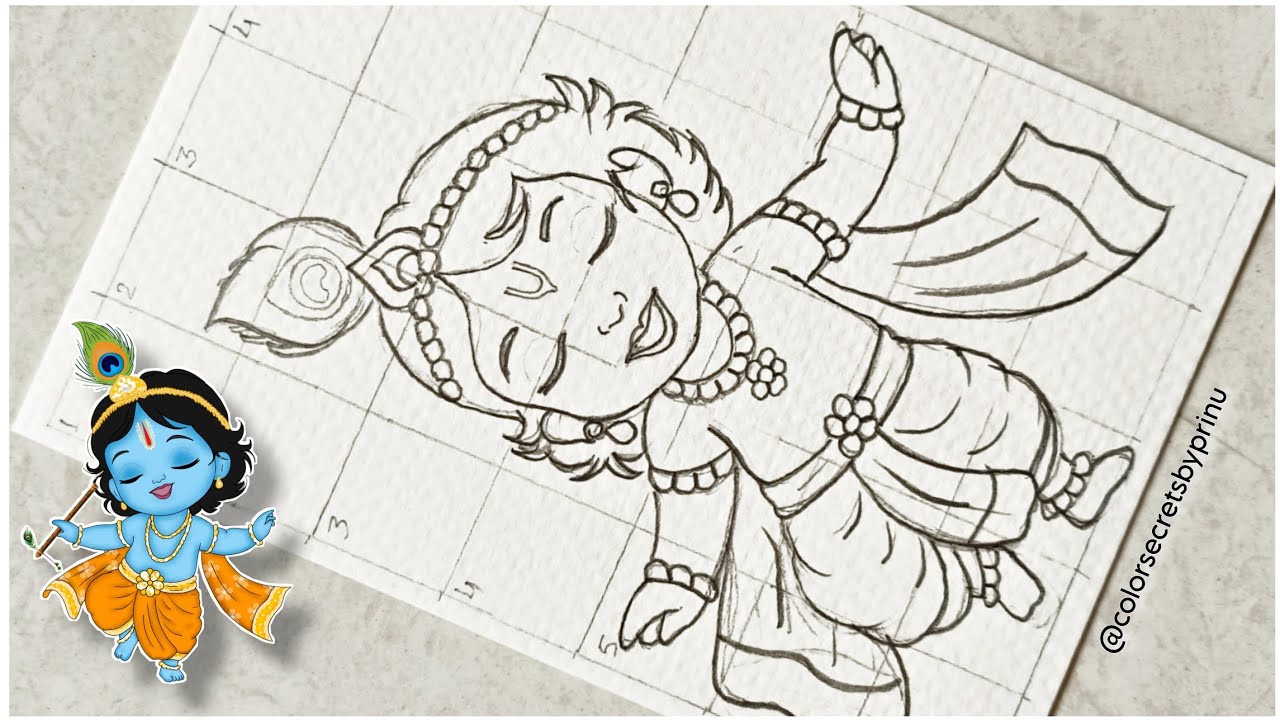
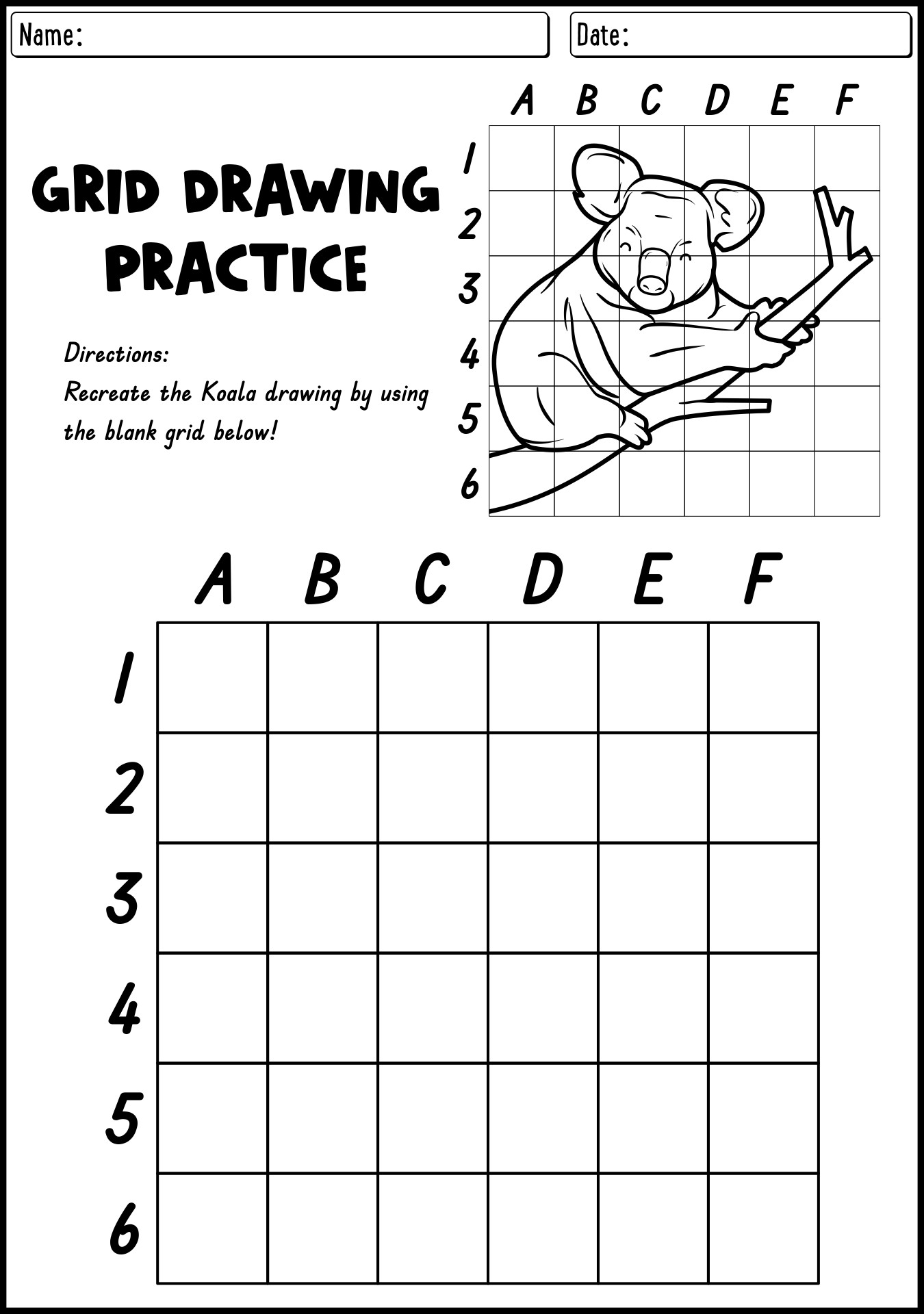
Grid drawing worksheets printables serve as structured educational templates that break complex imagery into manageable coordinate squares to systematically enhance children’s spatial reasoning, proportion estimation, and fine-motor precision. According to the National Art Education Association (NAEA), structured visual observation tasks significantly accelerate foundational drawing competency and cognitive mapping skills in early childhood education. Integrating physical printables alongside realistic Photo Flashcards bridges the gap between abstract visual analysis and concrete hand-eye coordination. Educators, homeschoolers, and parents leverage these printable resources to transition learners from random scribbling to intentional, coordinate-based observation. Exploring specialized print collections within Grid Drawing libraries equips instructors with developmentally appropriate tools for targeted visual instruction.
Visual Learning & Skill Snapshot:
- Core Focus: Structured coordinate-based drawing templates designed to simplify complex visual composition for young learners.
- Target Skill: Spatial reasoning, visual discrimination, proportional accuracy, and fine-motor control.
- Key Recommendation: Pair high-contrast photo references with simplified 2×2 or 4×4 grids before advancing to complex multi-square layouts.
Core Principles and Visual Learning Overview
Grid drawing worksheets printables operate on the cognitive principle of chunking, which reduces overwhelming visual data into isolated squares that the human brain can process sequentially. When children focus on reproducing a single square at a time, anxiety regarding the overall drawing diminishes, allowing focused concentration on line direction, negative space, and proportional relationships. This method reinforces mathematical foundations through coordinate tracking while strengthening visual literacy using real-world photography. Utilizing diverse Educational Activities alongside structured drawing tasks ensures that children connect art creation with multi-sensory cognitive development. As learners replicate patterns block by block, they naturally internalize perspective, symmetry, and scale.
Key Specifications and Breakdown
| Age / Learning Stage | Visual Skill & Grid Ratio | Pedagogical Application & Scaffolding |
|---|---|---|
| Ages 4-5 (Early Kindergarten) | 2×2 Grid (Basic Shapes) | Focuses on simple geometric alignment, foundational pencil grip, and single-line contour tracking within isolated boxes. |
| Ages 6-7 (Early Elementary) | 4×4 Grid (Real Objects) | Introduces photographic references of everyday objects, training children to gauge relative distances and quadrant placement. |
| Ages 8-10 (Advanced Elementary) | 6×6 Grid (Complex Imagery) | Encourages precise proportion estimation, detailed shading, and independent error correction across intricate coordinate fields. |
Systematic visual arts instruction utilizing coordinate grid frameworks measurably enhances spatial awareness and analytical drawing precision in young learners. — National Art Education Association (NAEA)
Step-by-Step Practical Application and Printing Guidelines
Executing grid drawing lessons effectively requires selecting clean, high-resolution printables and matching the grid density to the exact developmental stage of the child. Educators must print worksheets on heavy-cardstock paper to prevent pencil tearing during repeated erasing and line adjustments. Instruct young learners to cover all grid squares except the target box using a blank index card, isolating visual data to prevent cognitive overload. Demonstrating how to locate specific coordinates—such as identifying where a curved line intersects a grid border—establishes an analytical workflow before independent work begins. Providing clear, distortion-free photographic prompts ensures children accurately interpret light, shadow, and contour.
Common Challenges and How to Avoid Them
Children frequently struggle with grid drawing worksheets printables when complex reference images contain excessive visual clutter or when the starting grid is too dense. Instructors should resolve this by eliminating background distractions in reference photos and starting younger students with simple 2×2 or 3×3 configurations. Another common hurdle involves rushing through individual squares without cross-checking adjacent coordinates, which distorts the final composite image. Guiding students to periodically step back, compare overall proportions, and check border intersections cultivates self-monitoring habits. Providing non-judgmental scaffolding and celebrating incremental accuracy fosters sustained motivation and artistic confidence.
💬 Frequently Asked Questions
Explore More Free Learning Printables and Visual Activities on WePhotoAgency
Enhancing early childhood visual arts curricula is effortless when educators utilize organized, high-quality resources designed to foster cognitive and motor development. Discovering a vast selection of printable learning aids empowers parents, homeschool teachers, and art instructors to deliver structured, engaging instruction every single day. Visit WePhotoAgency.com today to access an extensive library of professional visual resources, photo flashcards, and creative drawing printables.
Visual Reference Gallery