Introduction
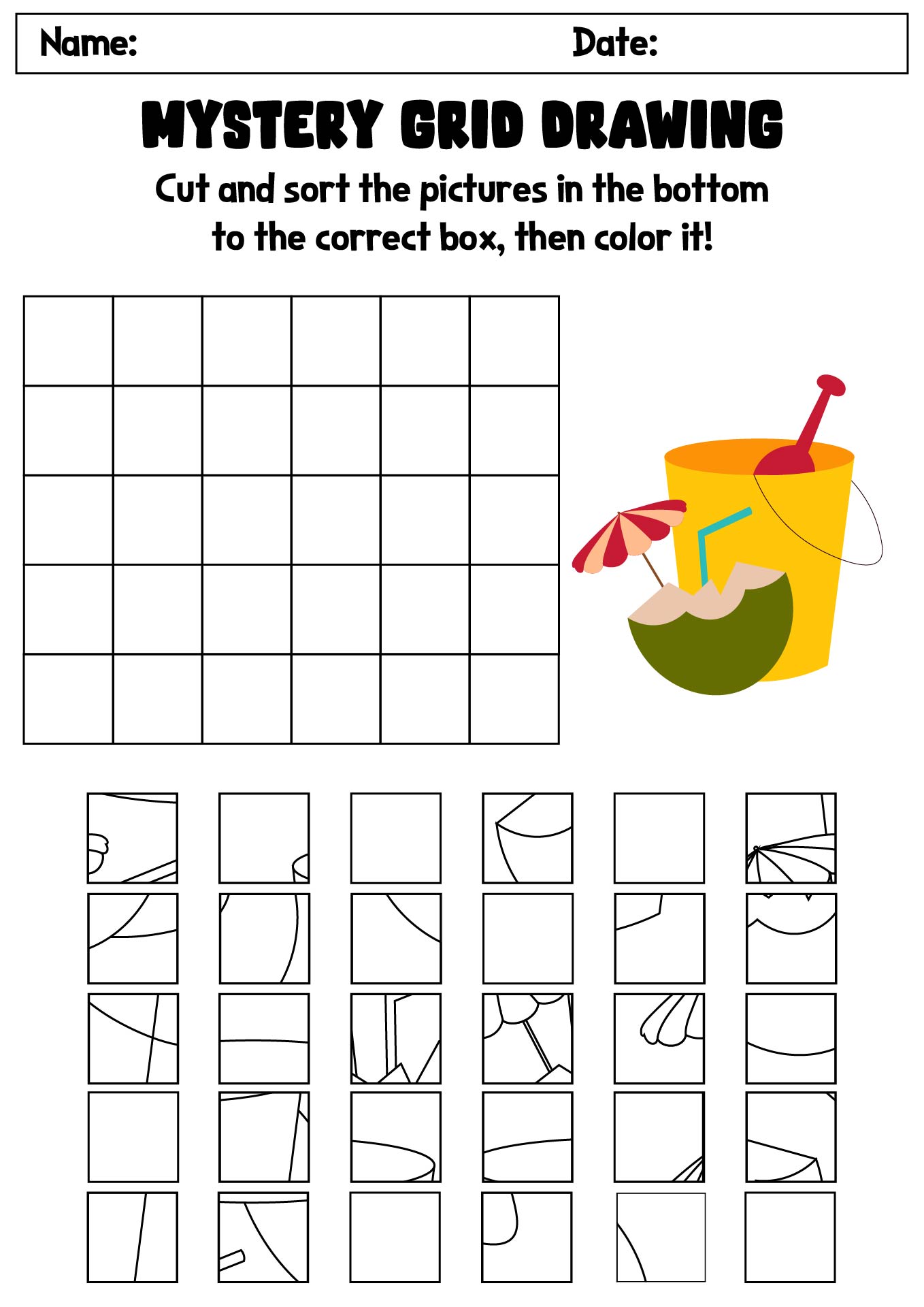
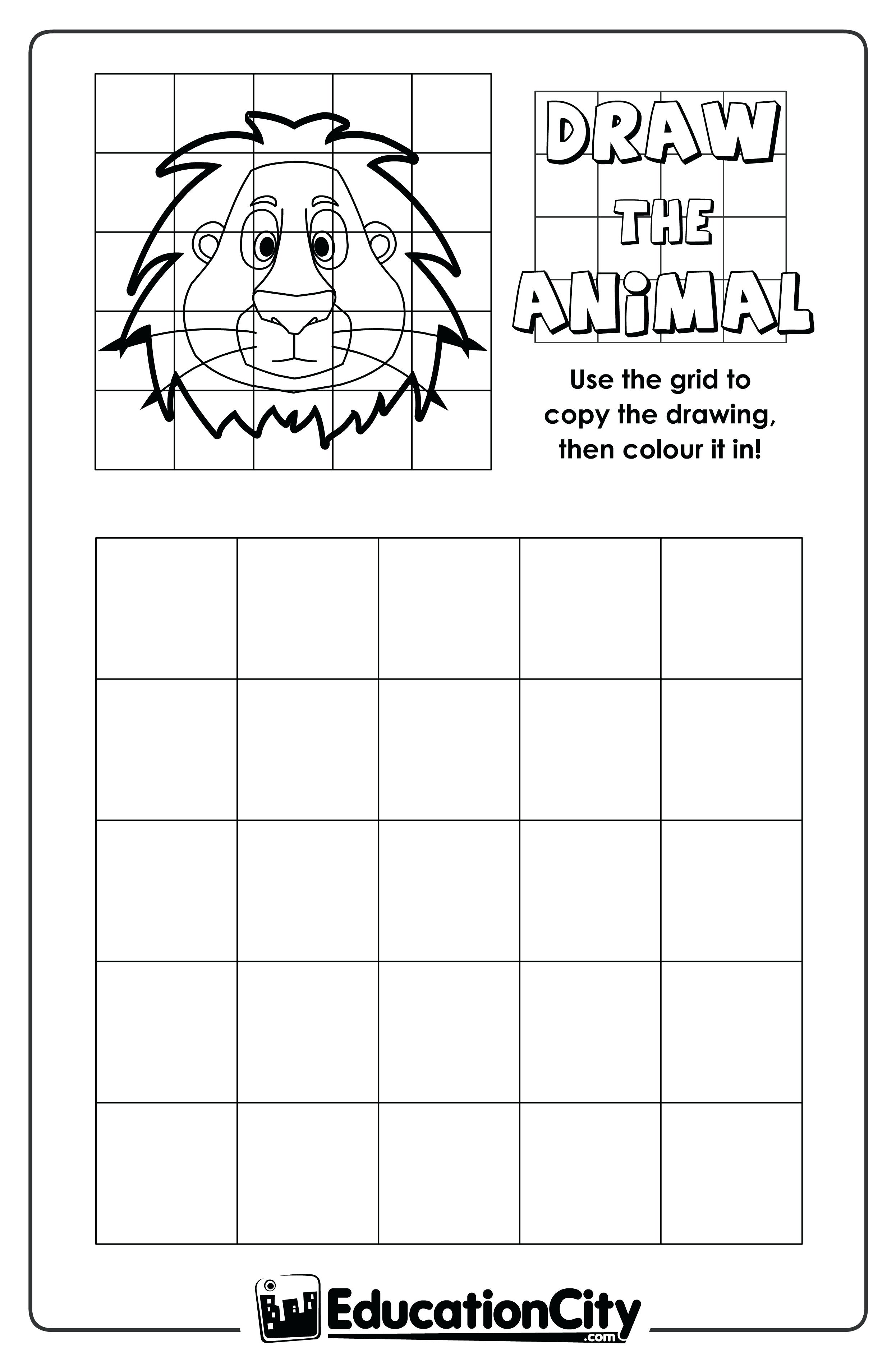
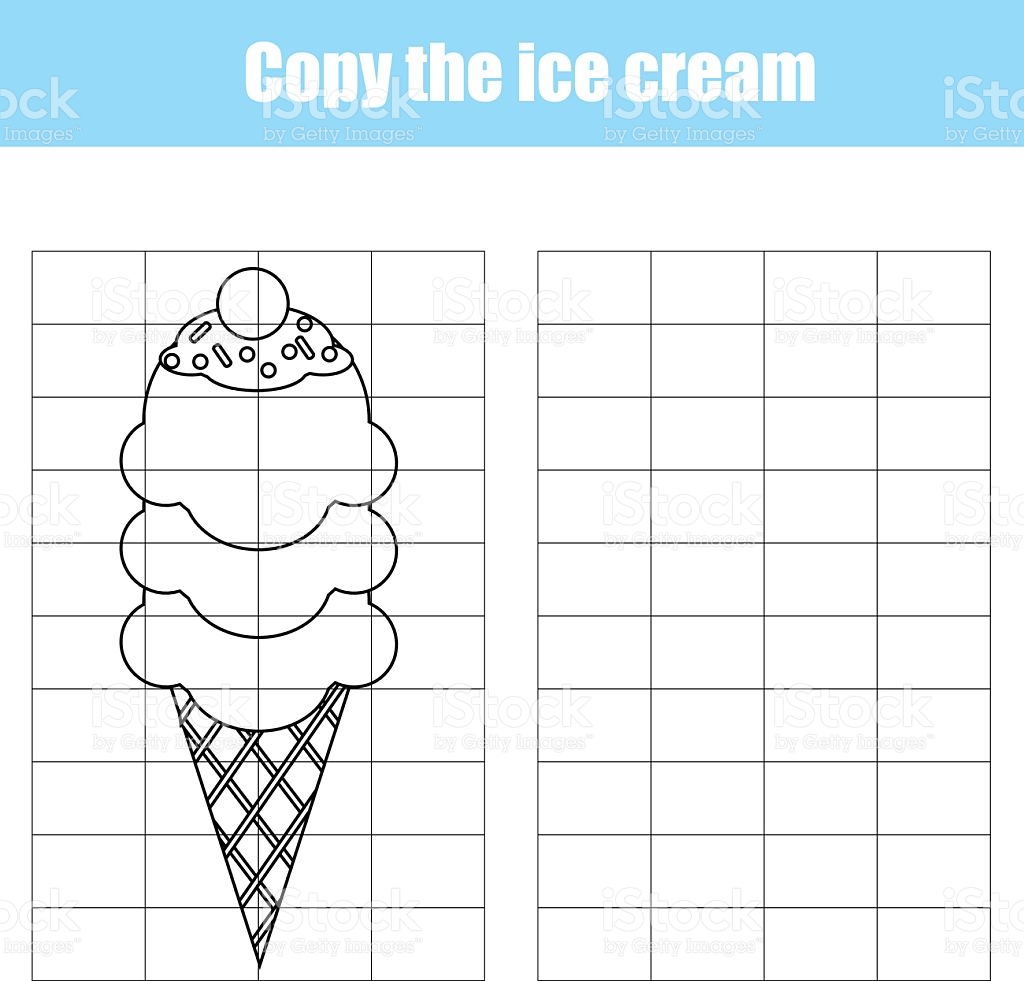
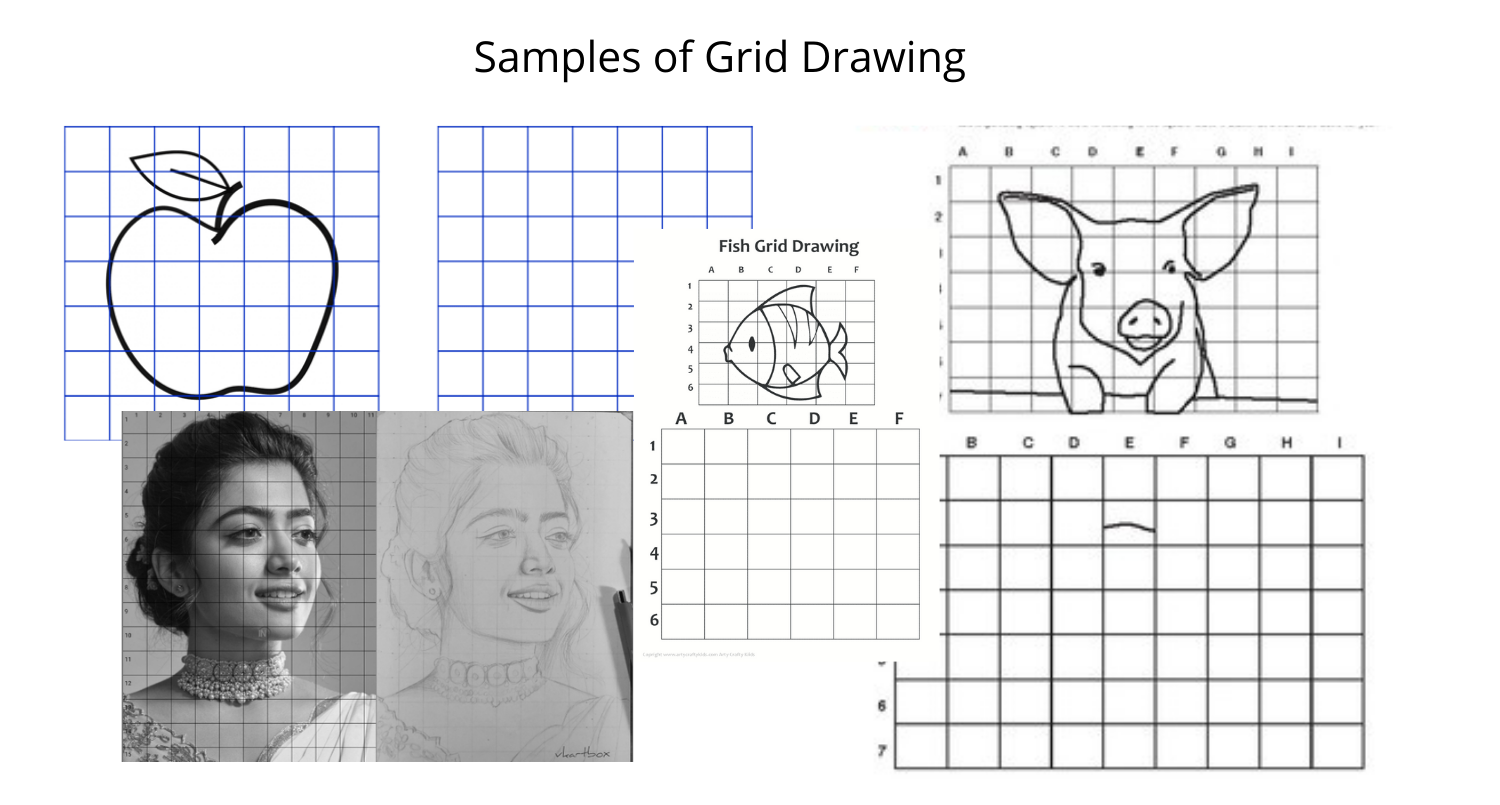
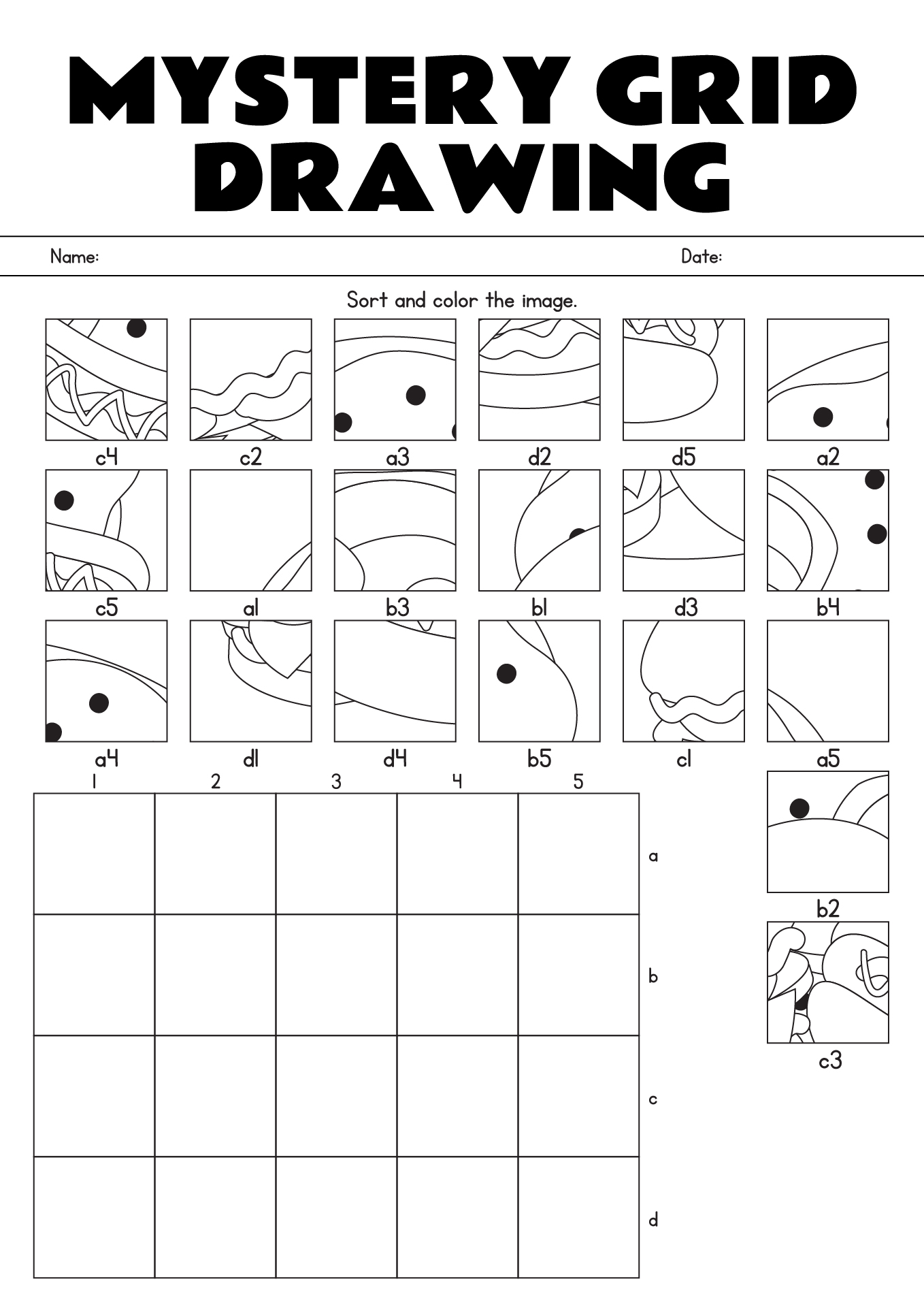
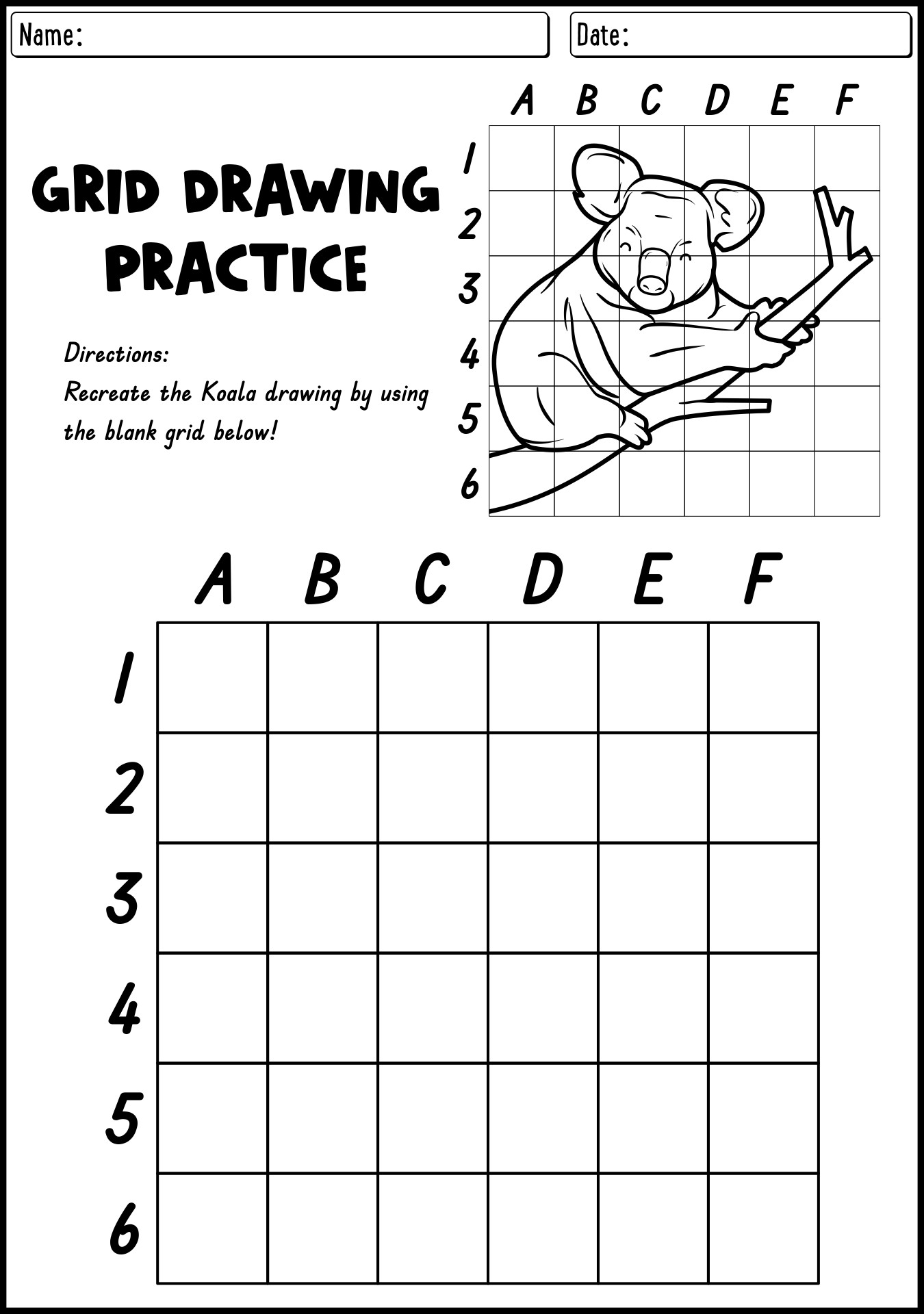
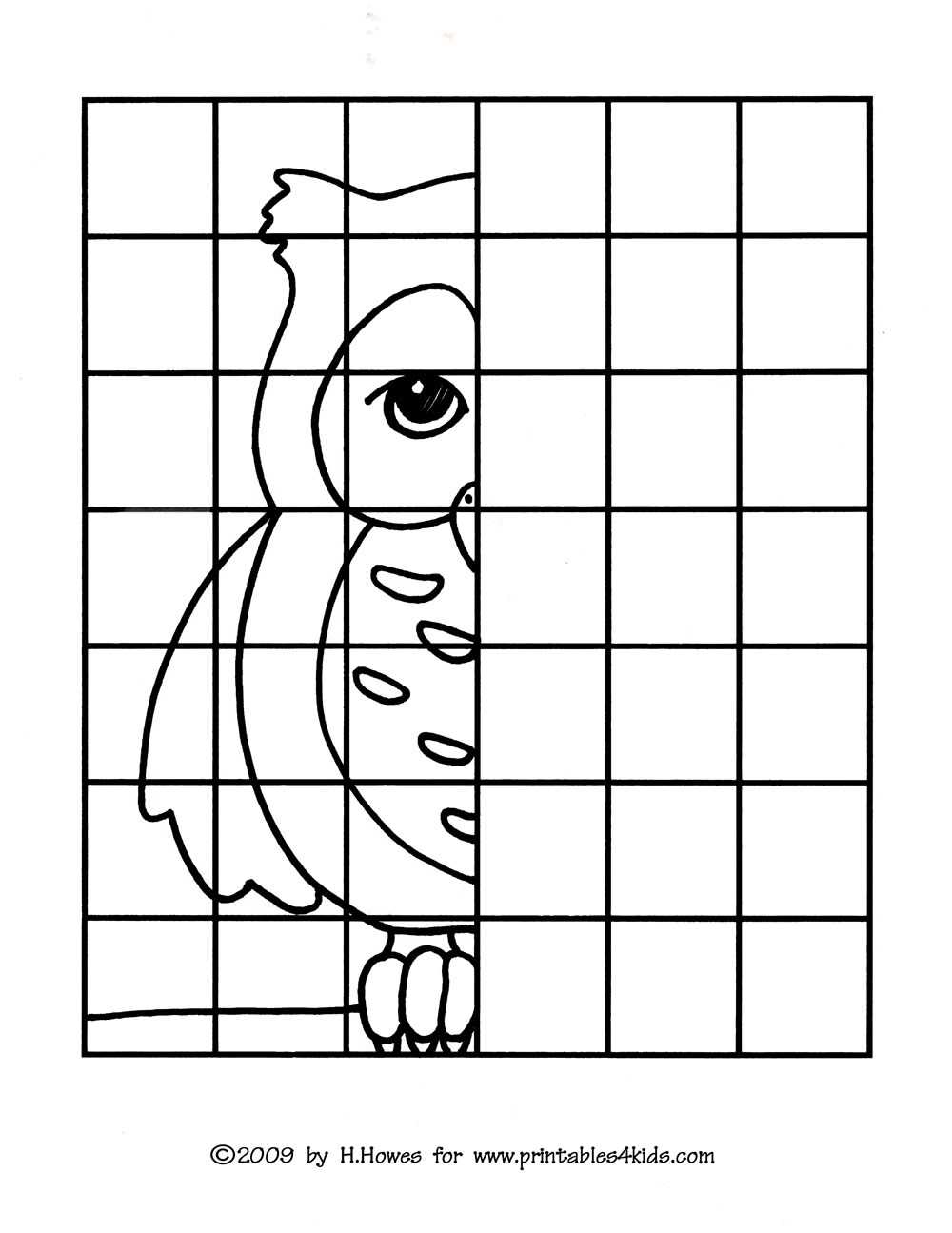
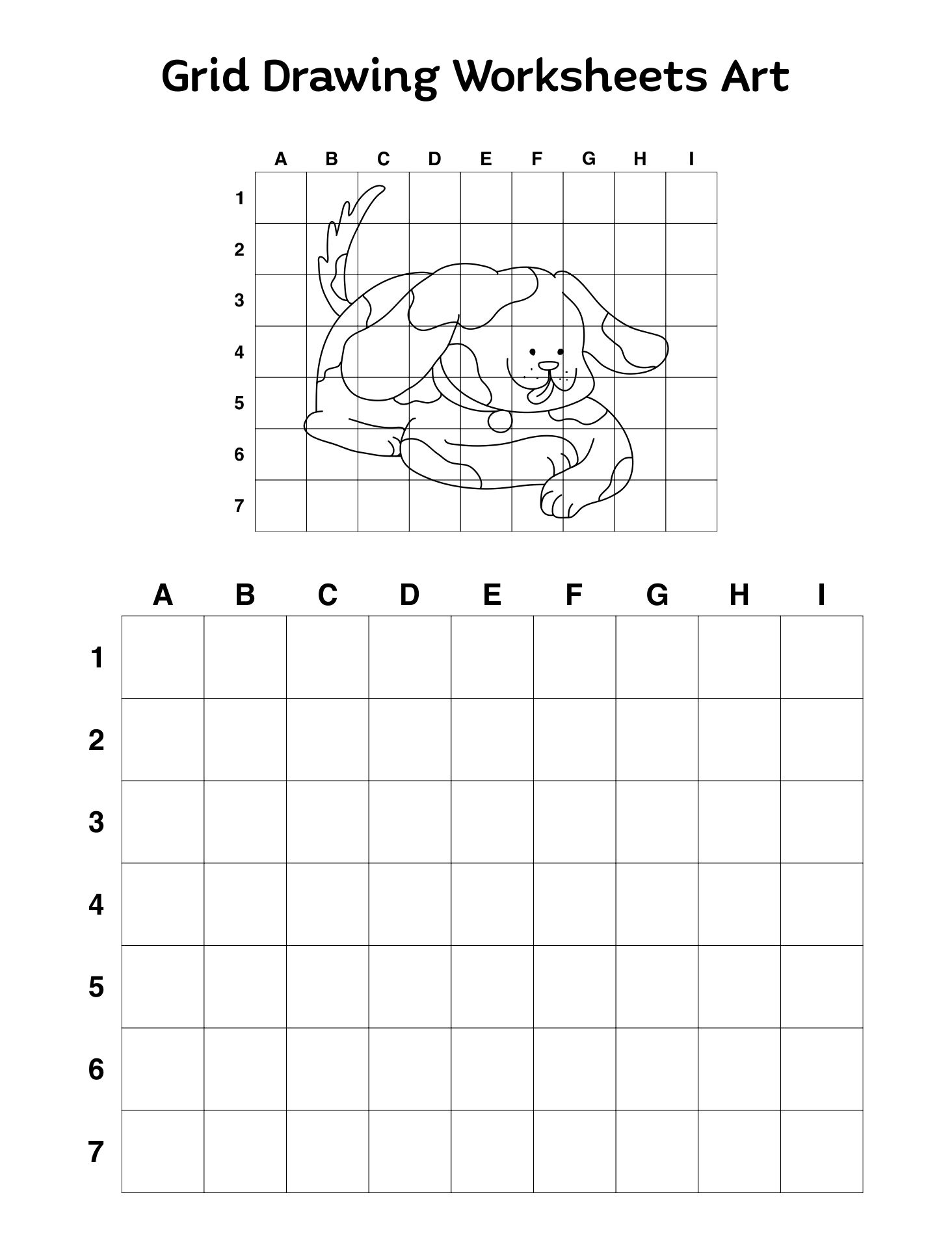
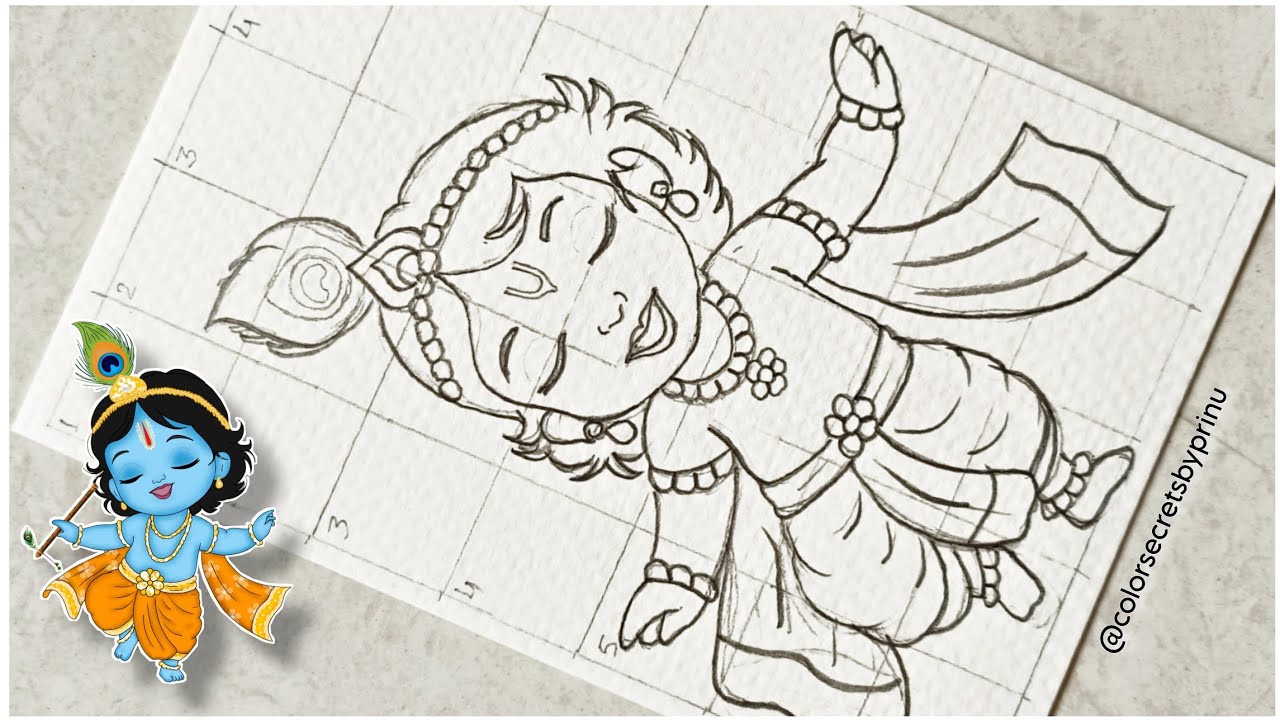
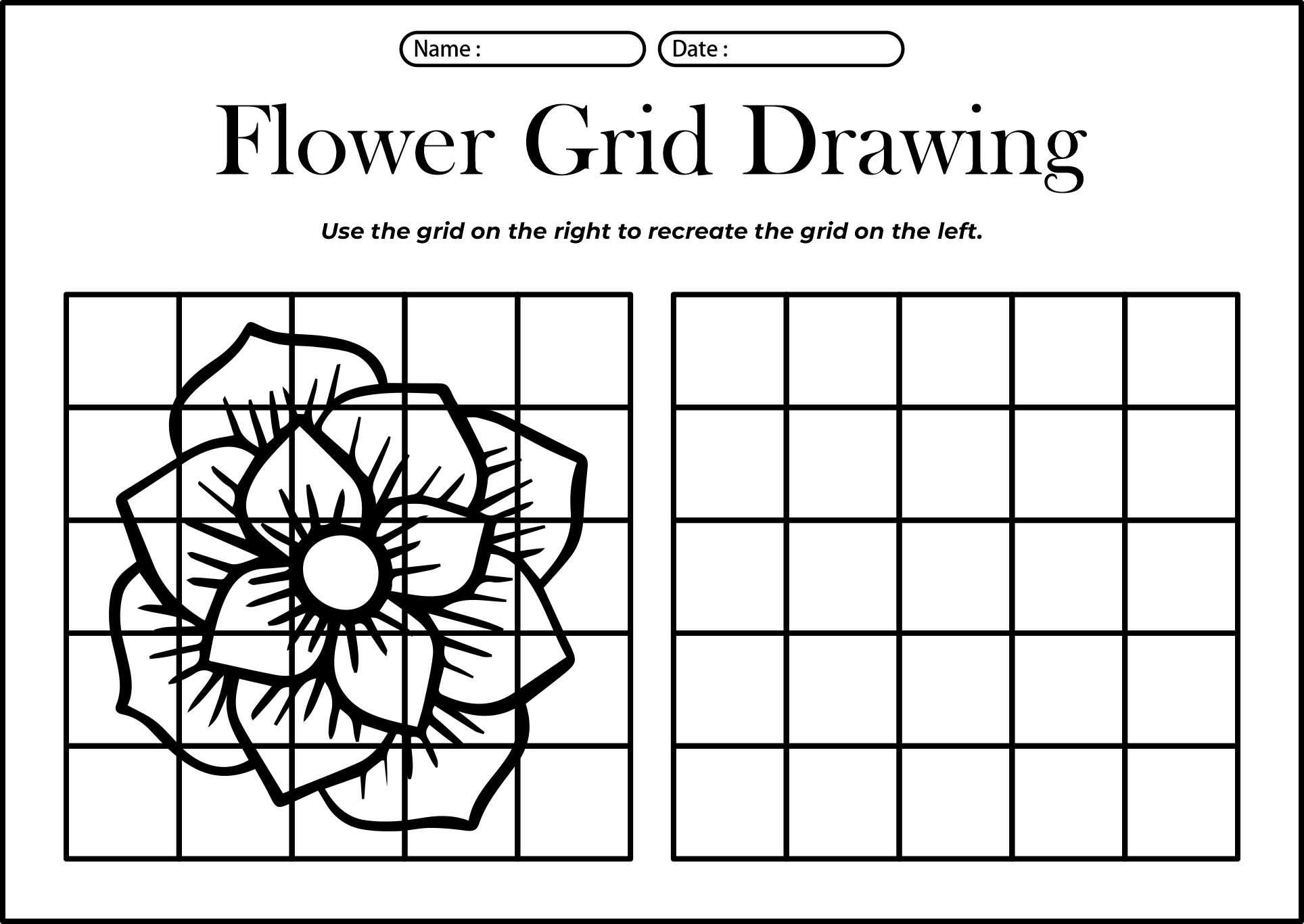
Grid ki drawing is a foundational structural drawing technique that divides visual source material into manageable coordinate squares to systematically enhance spatial awareness, proportion estimation, and observational accuracy in young learners. According to the National Art Education Association (NAEA), structured visual exercises that break complex imagery into smaller geometric components significantly accelerate cognitive mapping and hand-eye coordination in developing minds. Utilizing printable worksheets alongside real photo reference materials allows educators and parents to transform abstract artistic concepts into concrete, approachable steps for early elementary students. Mastering this method provides an essential bridge between basic shape recognition and advanced observational drawing. Engaging with Grid Drawing exercises fosters deep concentration and analytical thinking across diverse educational environments.
Visual Learning & Skill Snapshot:
- Core Focus: Systematic coordinate-based visual reproduction using structured geometric grids.
- Target Skill: Spatial reasoning, visual discrimination, fine-motor proportion, and photo-based concept mastery.
- Key Recommendation: Pair high-contrast real photo references with simplified 2×2 or 3×3 grids for initial beginner success.
Core Principles and Visual Learning Overview
Grid ki drawing operates by shifting a child’s reliance from symbolic memory—such as drawing what the mind assumes an object looks like—to direct visual observation of line, angle, and coordinate location. When children use Photo Flashcards as visual references placed beside a gridded drawing sheet, cognitive load is reduced because information is processed one single grid cell at a time. This methodical fragmentation trains the brain to isolate lines, curves, and negative space without feeling overwhelmed by an entire composition. Educators routinely incorporate these multi-step Educational Activities into daily curricula to strengthen fine motor control, bilateral coordination, and mathematical symmetry concepts concurrently.
Key Specifications and Breakdown
| Age / Learning Stage | Visual Skill & Grid Ratio | Pedagogical Application & Scaffolding |
|---|---|---|
| Ages 4-5 (Early Years) | 2×2 Grid (Basic Quadrants) | Focuses on simple shapes, high-contrast silhouettes, and directional placement within distinct quadrants. |
| Ages 6-7 (Early Elementary) | 3×3 or 4×4 Grid (Standard) | Introduces real photo subjects, proportion scaling, and line continuity across intersecting grid lines. |
| Ages 8-10 (Advanced Primary) | 6×6 Grid (Detailed Ratio) | Requires precise angle measurement, negative space analysis, and complex photographic subject replication. |
Systematic visual partitioning reinforces cognitive mapping by training young brains to process complex sensory input through manageable spatial subsets — National Art Education Association (NAEA)
Step-by-Step Practical Application and Printing Guidelines
Executing a successful grid ki drawing session requires clean, high-contrast printouts and clear visual alignment between the reference card and the target worksheet. Begin by selecting age-appropriate templates where the reference image features bold outlines and clear tonal variations to assist early observation. Instruct learners to label the rows and columns with simple letters and numbers (A, B, C and 1, 2, 3) to reinforce basic coordinate literacy alongside artistic practice. Encourage children to complete one single square at a time, checking intersecting lines before moving outward, which prevents cascading proportion errors and builds meticulous attention to detail.
Common Challenges and How to Avoid Them
Frustration during grid ki drawing typically stems from starting with overly complex reference images or skipping the initial coordinate-tracking orientation phase. Educators can prevent these hurdles by modeling how to look at the specific intersections where lines cross individual grid borders rather than attempting to draw an entire object shape at once. If a young learner struggles with proportion accuracy, scale down the complexity by masking off adjacent squares so only one active cell is visible at a time. Consistent, short practice sessions utilizing clear visual guides ensure steady confidence growth and long-term mastery of spatial concepts.
💬 Frequently Asked Questions
Explore More Free Learning Printables and Visual Activities on WePhotoAgency
Empowering children with structured artistic tools and cognitive exercises lays a lifelong foundation for creative and academic success. Discover an extensive collection of printable resources, targeted worksheets, and developmental materials by visiting WePhotoAgency.com today.
Visual Reference Gallery