Introduction
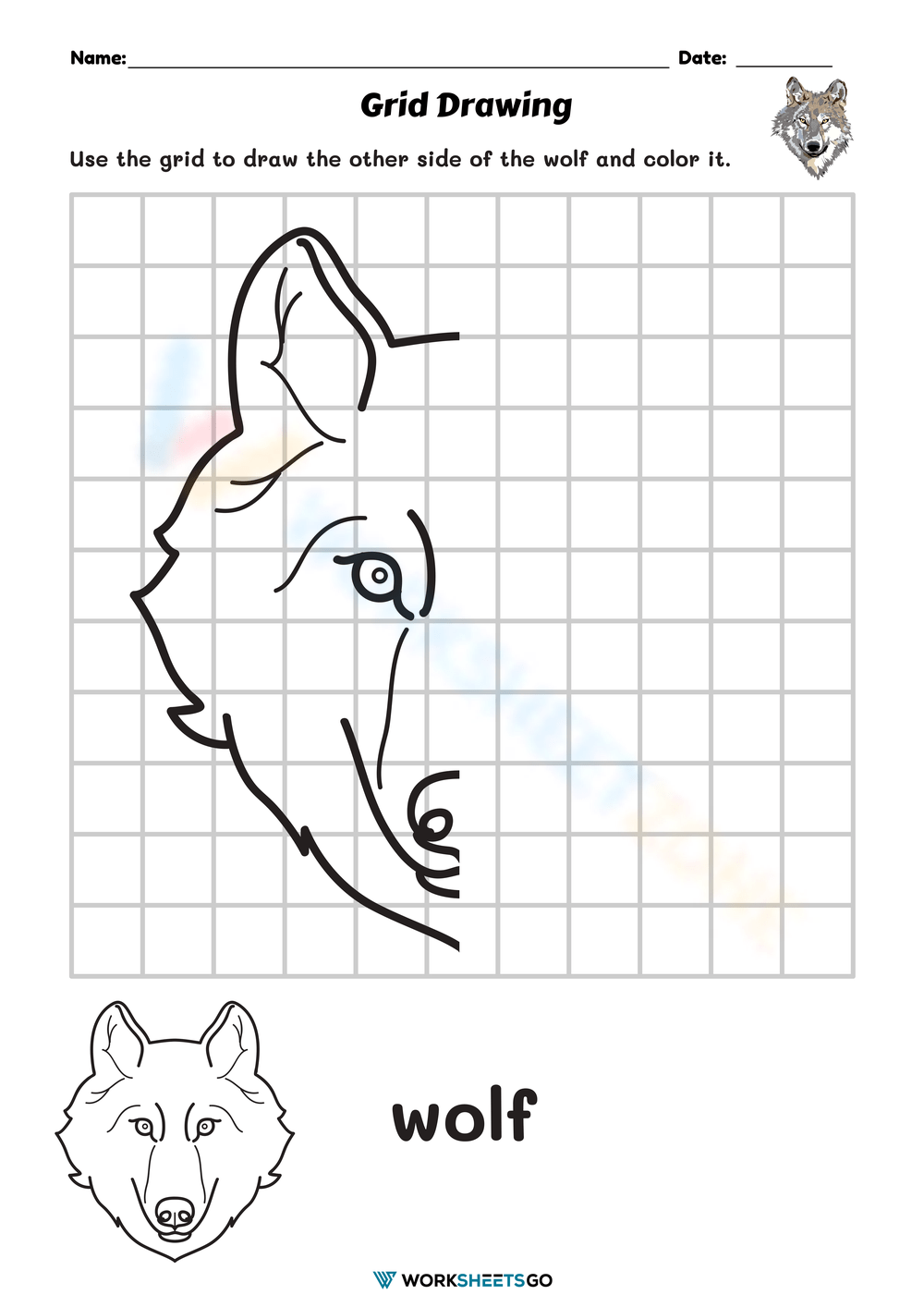
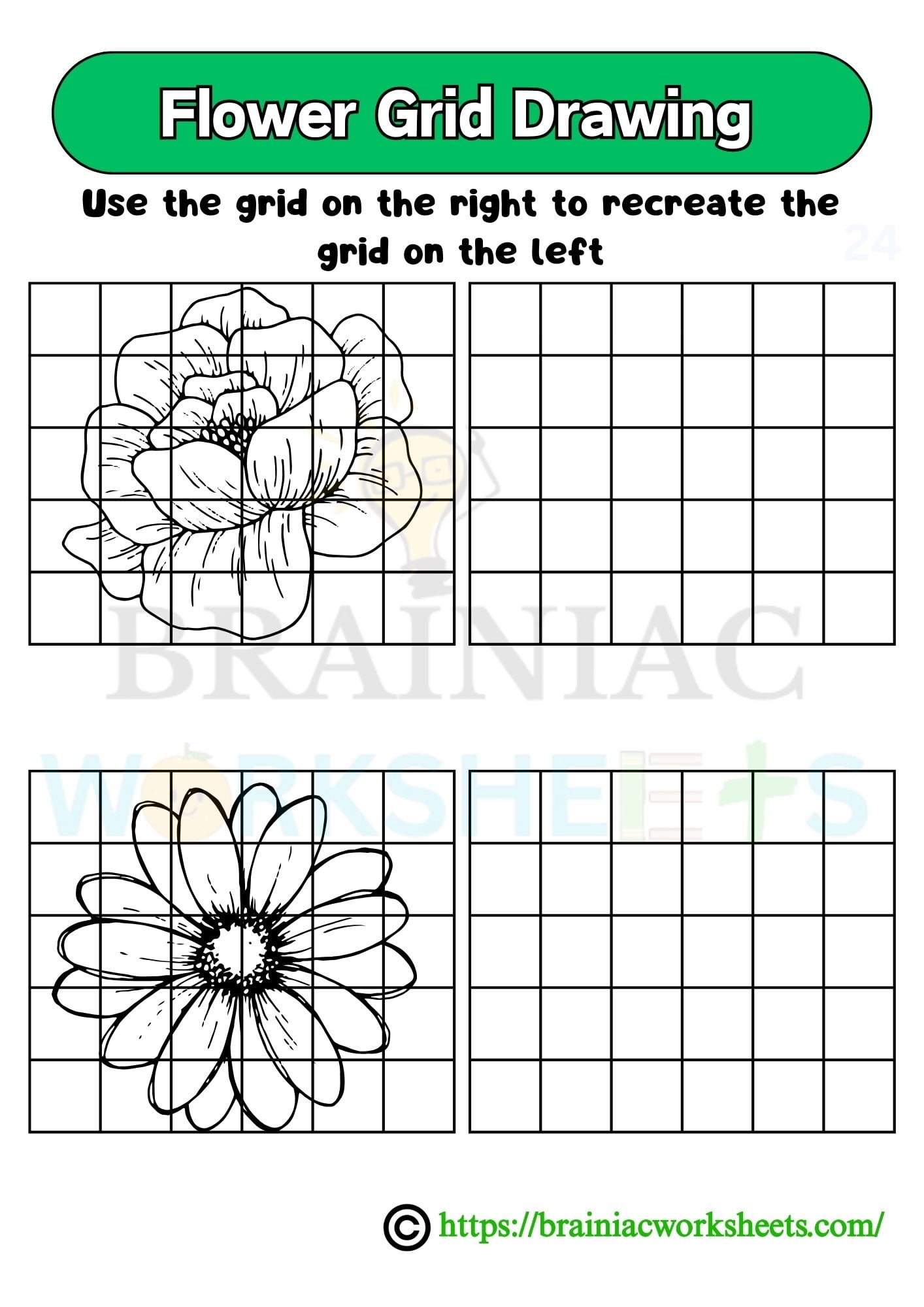
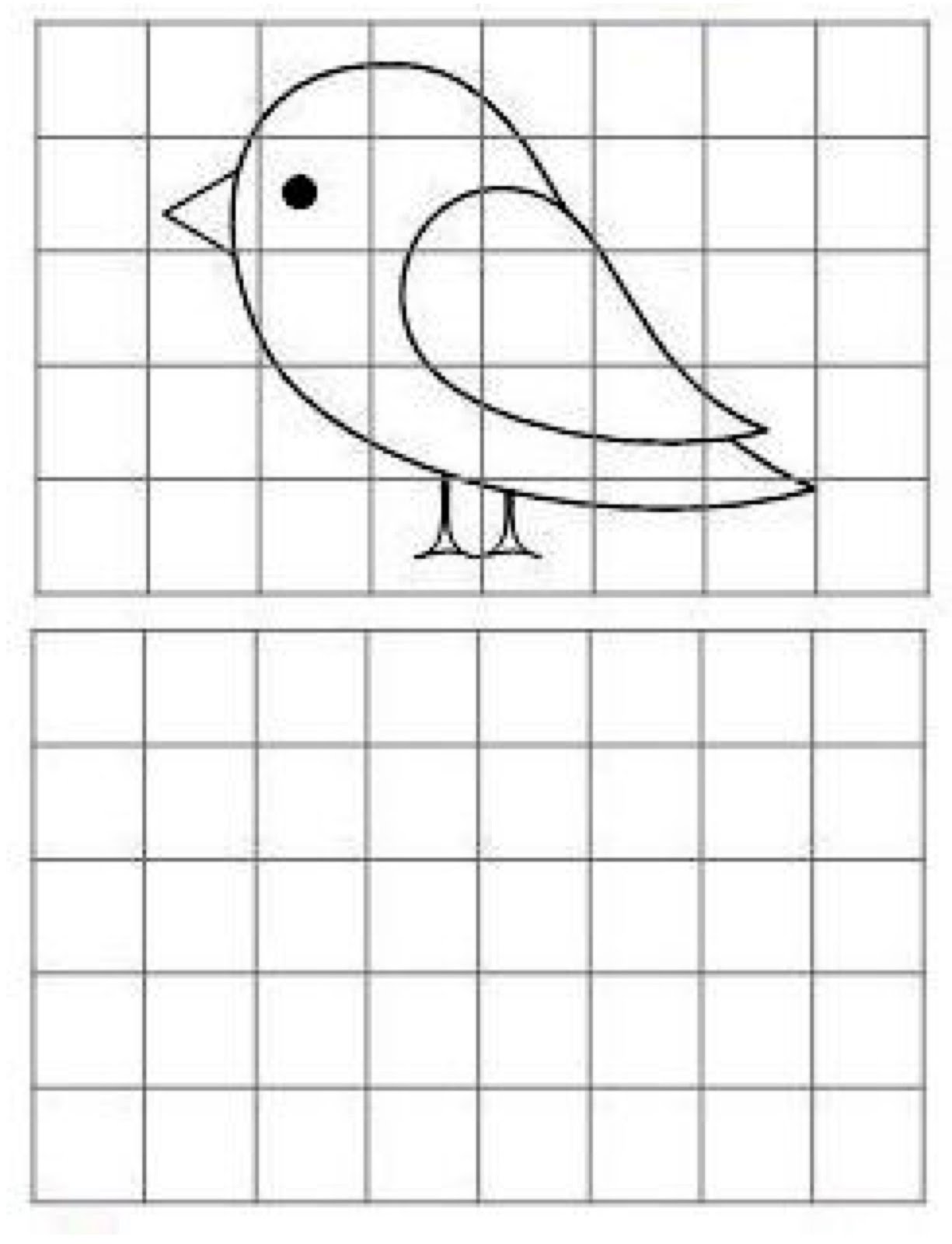
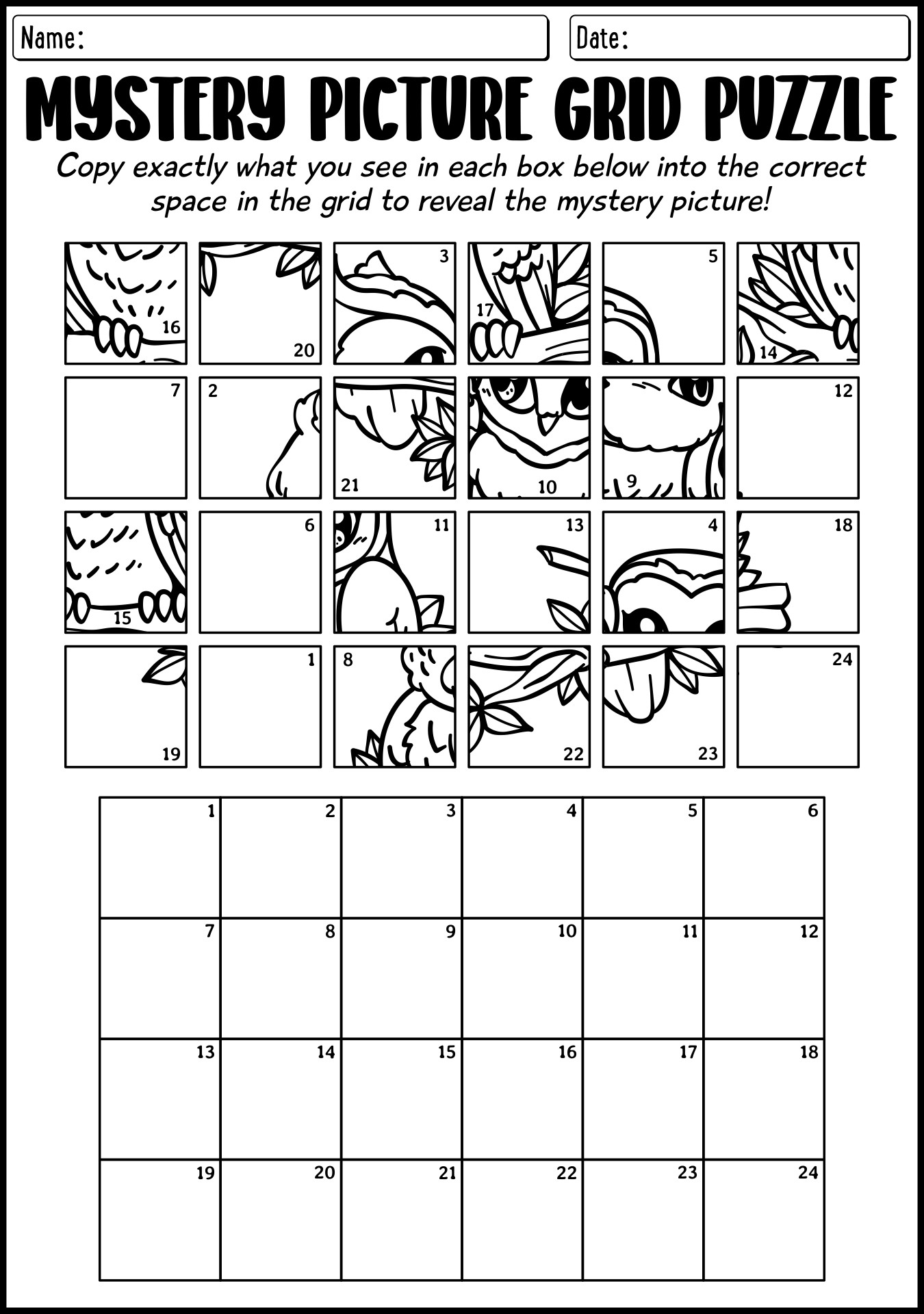
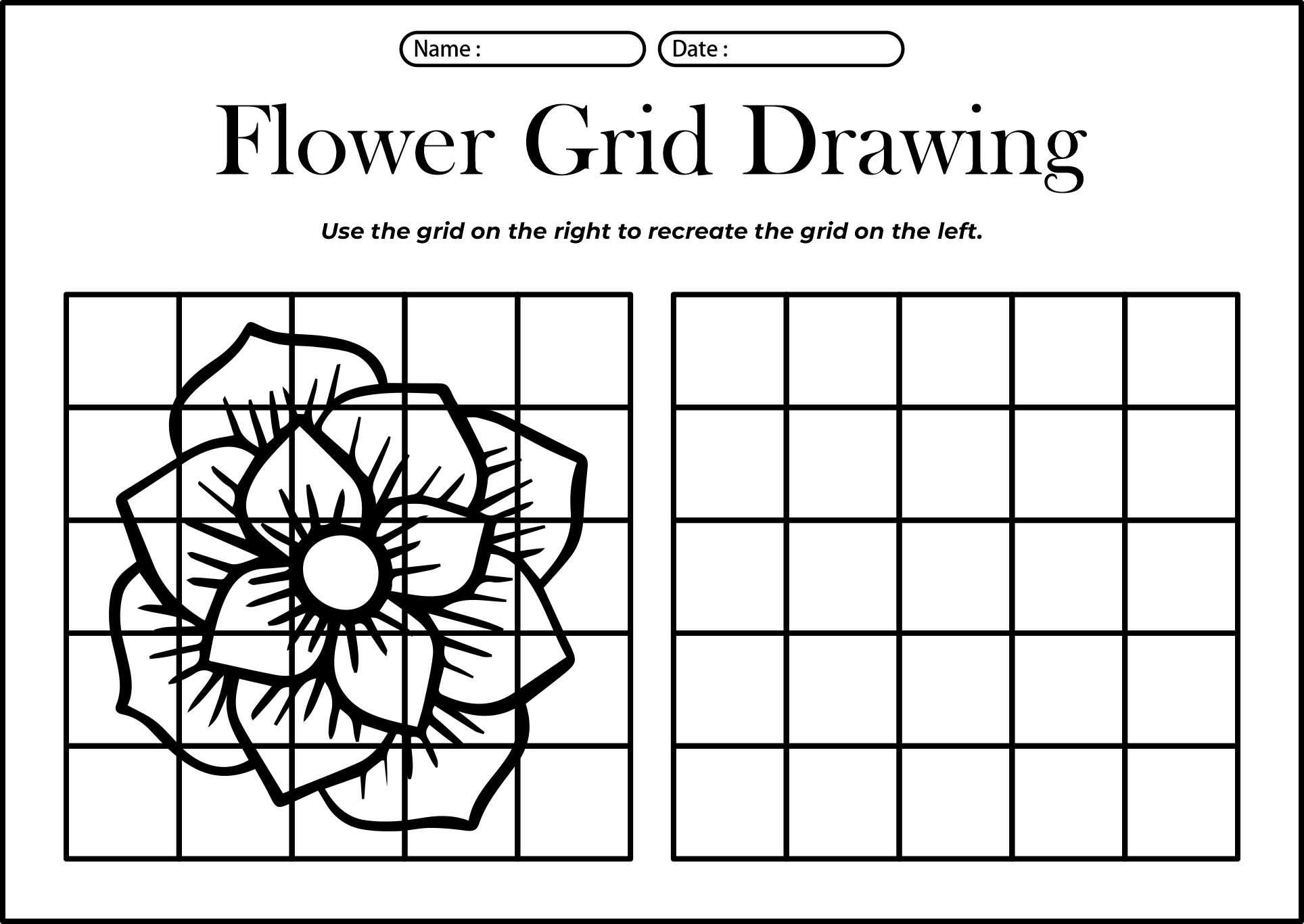
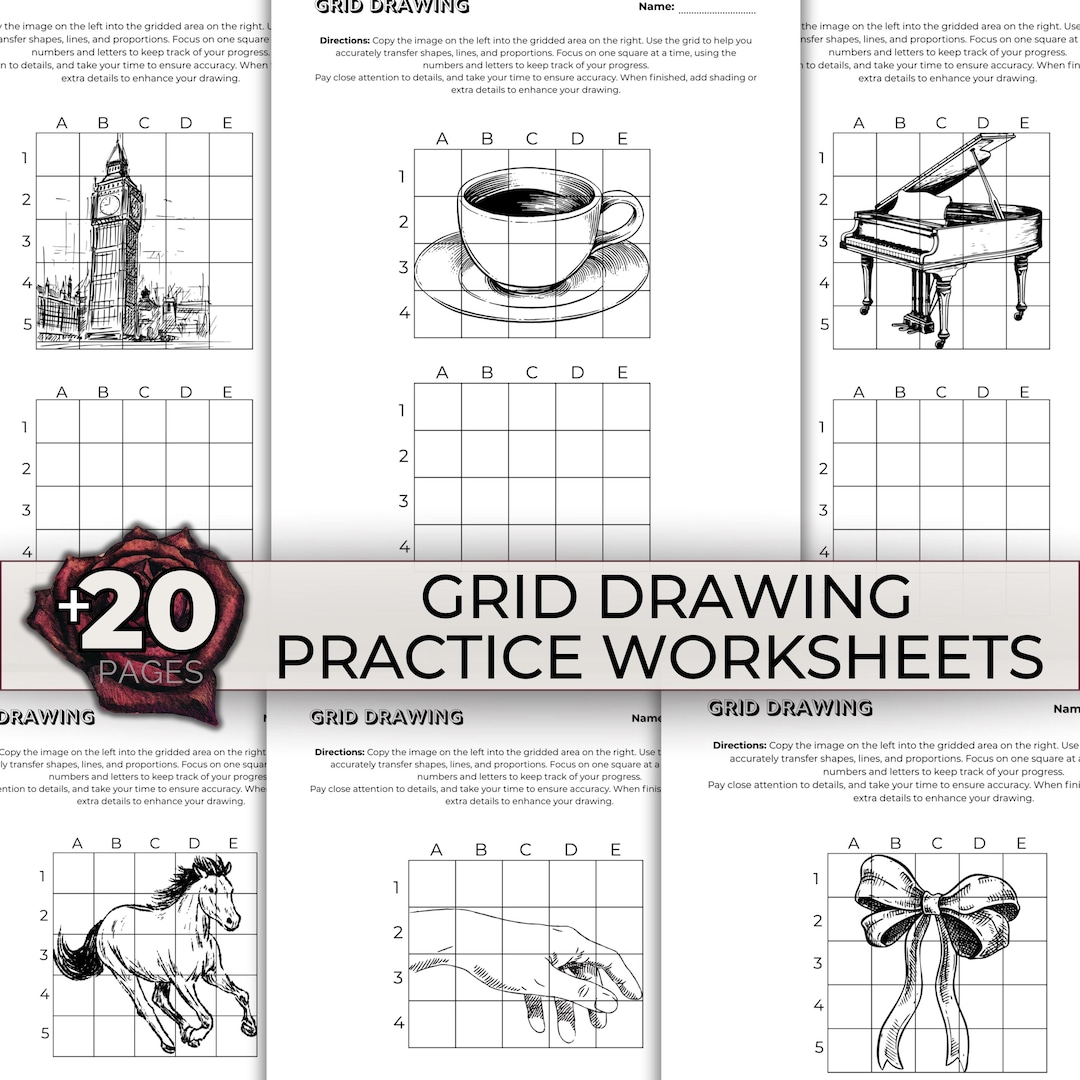
Grid drawing worksheets free refer to open-access printable educational templates that partition reference images and blank drawing spaces into structured coordinate squares to teach visual proportion, observation, and spatial awareness to young learners. According to the National Art Education Association (NAEA), structured observational drawing activities significantly enhance foundational fine-motor control, visual-spatial reasoning, and geometric comprehension in early childhood development. These resources bridge the gap between abstract visual processing and concrete physical execution, making complex artistic concepts accessible to early elementary students. Educators and parents utilize these downloadable tools alongside Photo Flashcards to strengthen cognitive categorization, visual memory, and detail orientation through systematic practice.
Visual Learning & Skill Snapshot:
- Core Focus: Printable coordinate-based templates that break down complex visual imagery into manageable square segments for accurate copying.
- Target Skill: Spatial reasoning, visual discrimination, fine-motor proportion, and photo-based concept mastery.
- Key Recommendation: Pair high-contrast photographic reference sheets with low-density 2×2 or 4×4 grids to support beginner success before advancing to complex layouts.
Core Principles and Visual Learning Overview
Grid drawing worksheets free provide an analytical framework that trains the human brain to deconstruct complex visual stimuli into isolated geometric components, reducing cognitive overload during the artistic process. Young learners naturally tend to draw symbols rather than what they actually see; imposing a grid structure forces the visual cortex to focus exclusively on lines, curves, and negative space within a single localized coordinate square. This methodical breakdown fosters patience, enhances hand-eye coordination, and develops analytical problem-solving skills that directly translate to geometry, reading comprehension, and scientific observation. Integrating these templates into structured Educational Activities allows classrooms and homeschool environments to deliver multi-sensory learning experiences that accommodate diverse cognitive processing speeds.
Key Specifications and Breakdown
| Age / Learning Stage | Visual Skill & Grid Ratio | Pedagogical Application & Scaffolding |
|---|---|---|
| Ages 4-5 (Early Kindergarten) | 2×2 Grid (4 total squares); High-contrast shapes and basic animals. | Focuses on simple line tracking, corner identification, and gross motor pencil control without overwhelming the child. |
| Ages 6-7 (Late Kindergarten / 1st Grade) | 3×3 or 4×4 Grid (9 to 16 squares); Real photo subjects and botanical elements. | Develops intermediate proportion estimation, coordinate mapping, and detailed observation of realistic textures and lighting. |
| Ages 8-9 (2nd / 3rd Grade) | 5×5+ Grid (25+ squares); Complex architectural or nature photography. | Refines meticulous fine-motor precision, independent scaling, and self-correction without adult intervention. |
Structured observational drawing methodologies accelerate visual-spatial development by teaching children to isolate individual components of a complex image, thereby reducing cognitive load and improving accuracy. — National Art Education Association (NAEA)
Step-by-Step Practical Application and Printing Guidelines
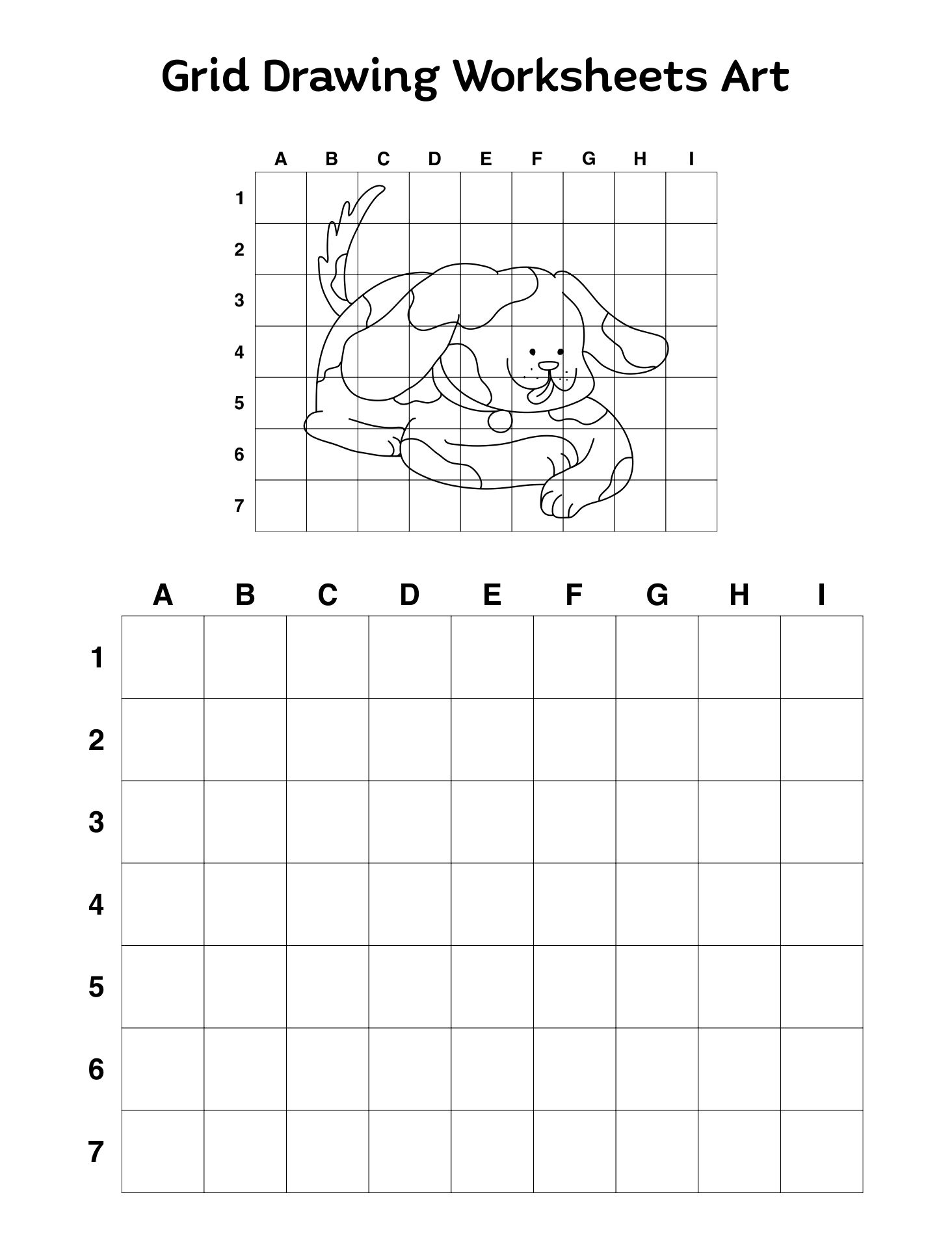
Implementing grid drawing worksheets free effectively requires careful preparation of physical materials and a progressive scaffolding approach that builds learner confidence over time. Start by selecting high-resolution printable templates featuring clear photographic references to ensure lines and tonal values remain visible for young eyes. Print the reference image and the corresponding blank grid side-by-side or on a split-page layout so learners do not lose their place while shifting gaze between the source and the drawing area. Instruct children to tackle the grid square by square, starting from the top-left quadrant and moving systematically across and down, rather than attempting to draw the entire subject at once. Utilizing specialized layouts found within the dedicated Grid Drawing resource hub ensures educators always have access to developmentally appropriate challenges.
Common Challenges and How to Avoid Them
Common obstacles when using grid drawing worksheets free include learner frustration caused by overly complex reference images, misaligned coordinate tracking, and rushing through individual squares without careful observation. To prevent these setbacks, educators should initially cover all squares except the active target square using a masking card, isolating the visual data and eliminating peripheral distractions. If a child struggles with proportion scaling, verify that the reference grid matches the drawing grid dimension-for-dimension before introducing proportional scaling exercises. Encouraging soft pencil strokes during initial drafting allows learners to easily erase and correct stray marks, transforming potential mistakes into positive self-correction opportunities that build resilience and intrinsic motivation.
💬 Frequently Asked Questions
Explore More Free Learning Printables and Visual Activities on WePhotoAgency
Enhance early childhood visual learning curricula by exploring the comprehensive collection of educational resources available on WePhotoAgency.com. Discover a wide selection of no-cost printables designed to foster creativity, spatial reasoning, and cognitive growth in young learners everywhere.
Visual Reference Gallery