Introduction
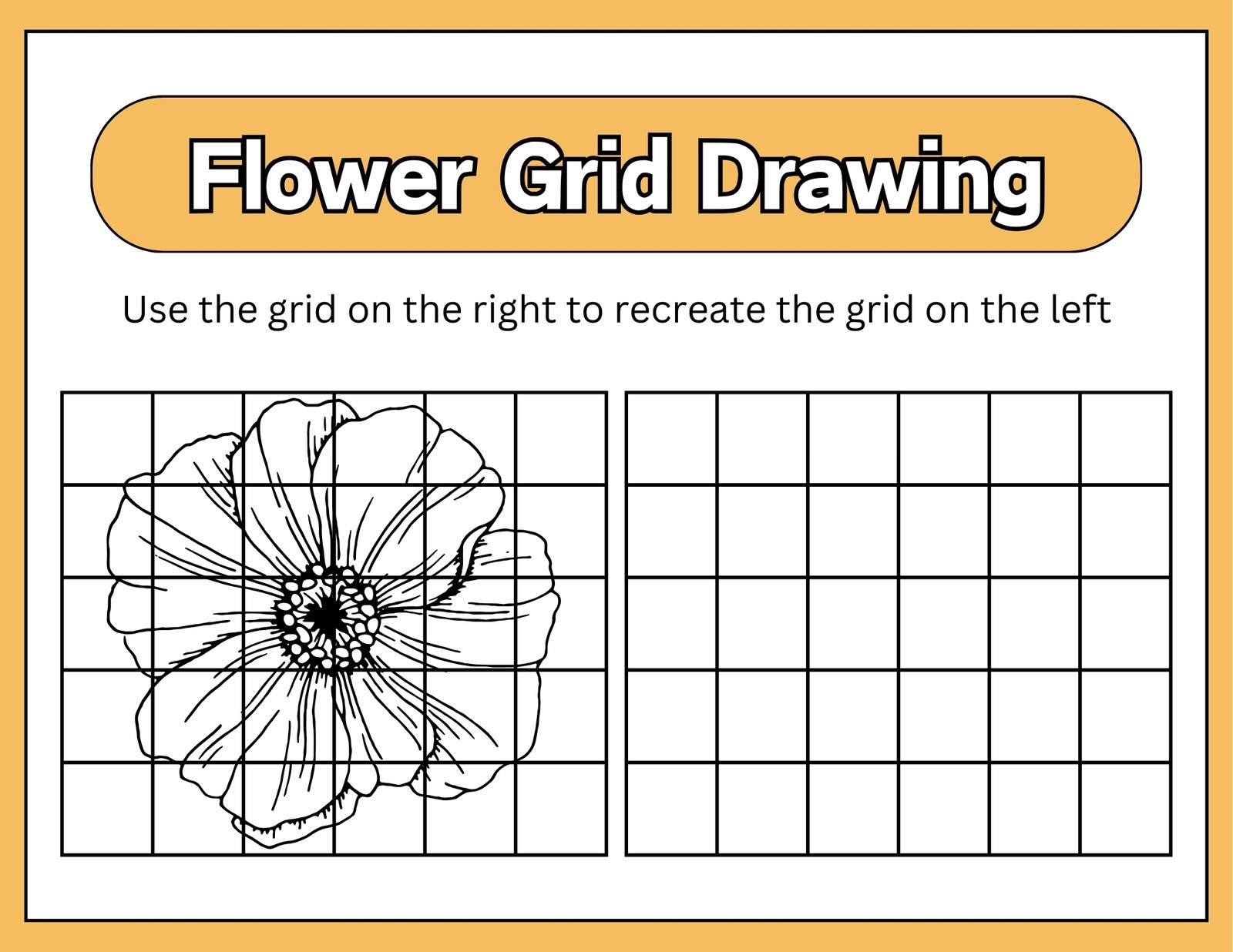
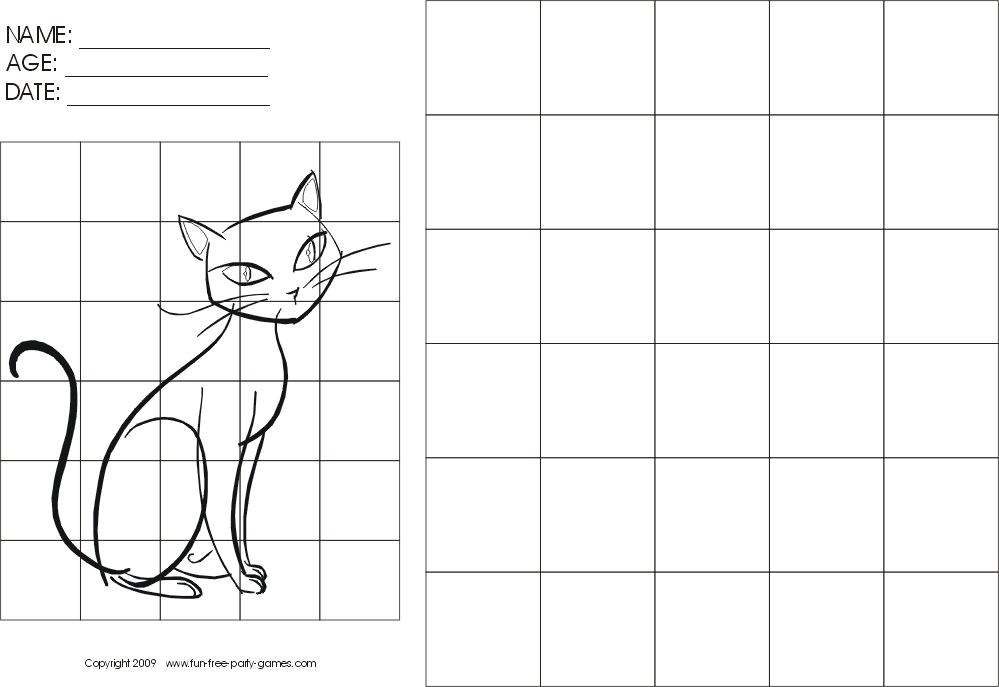
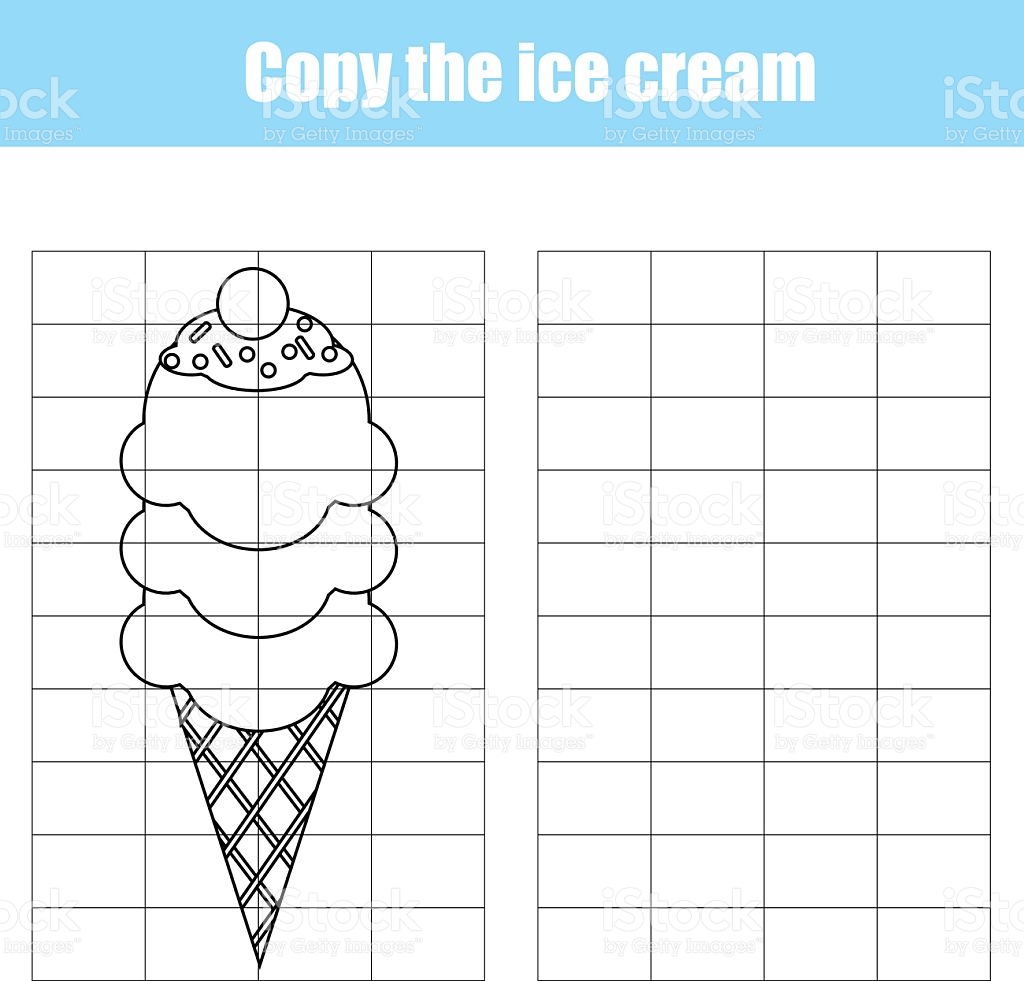
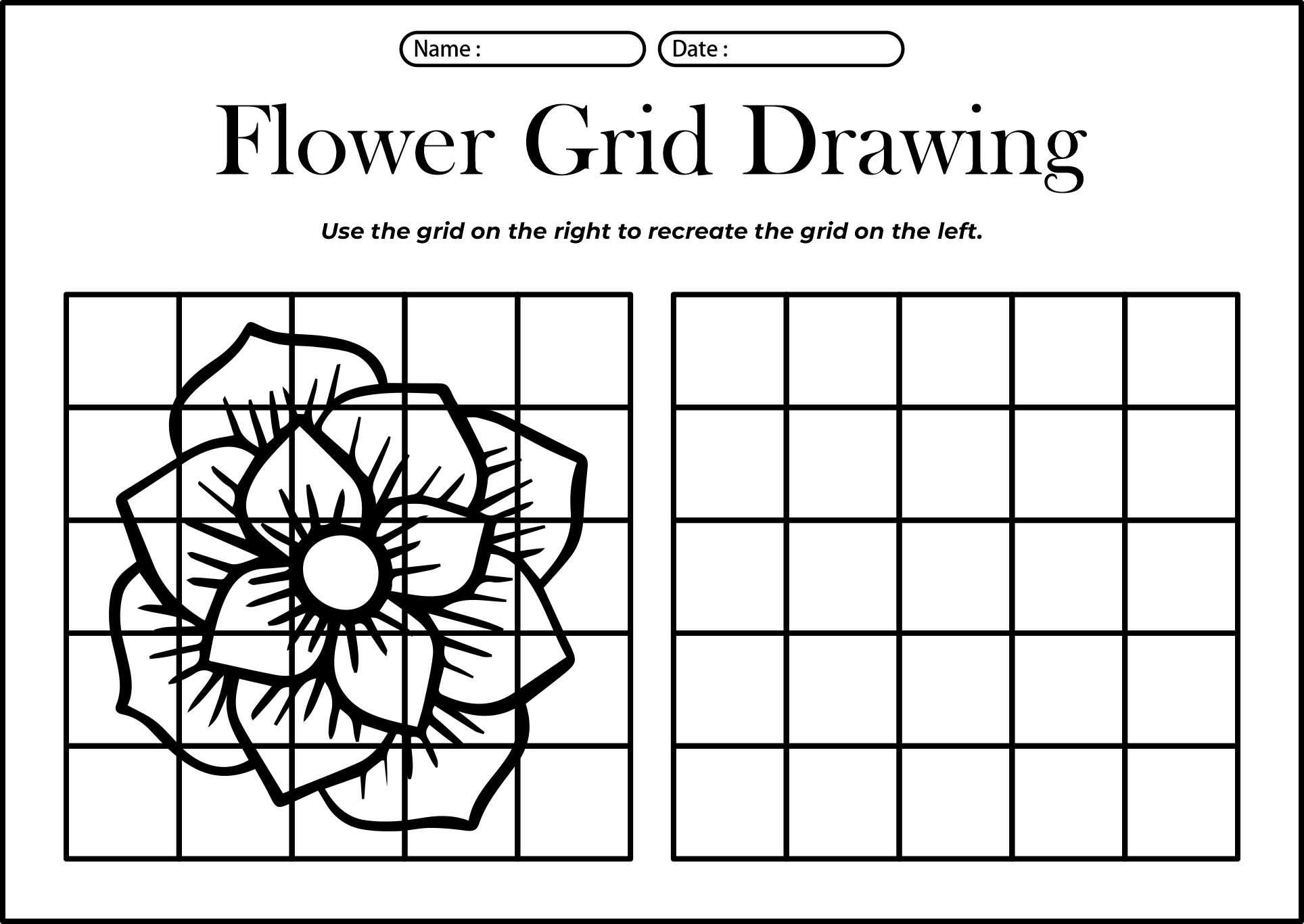
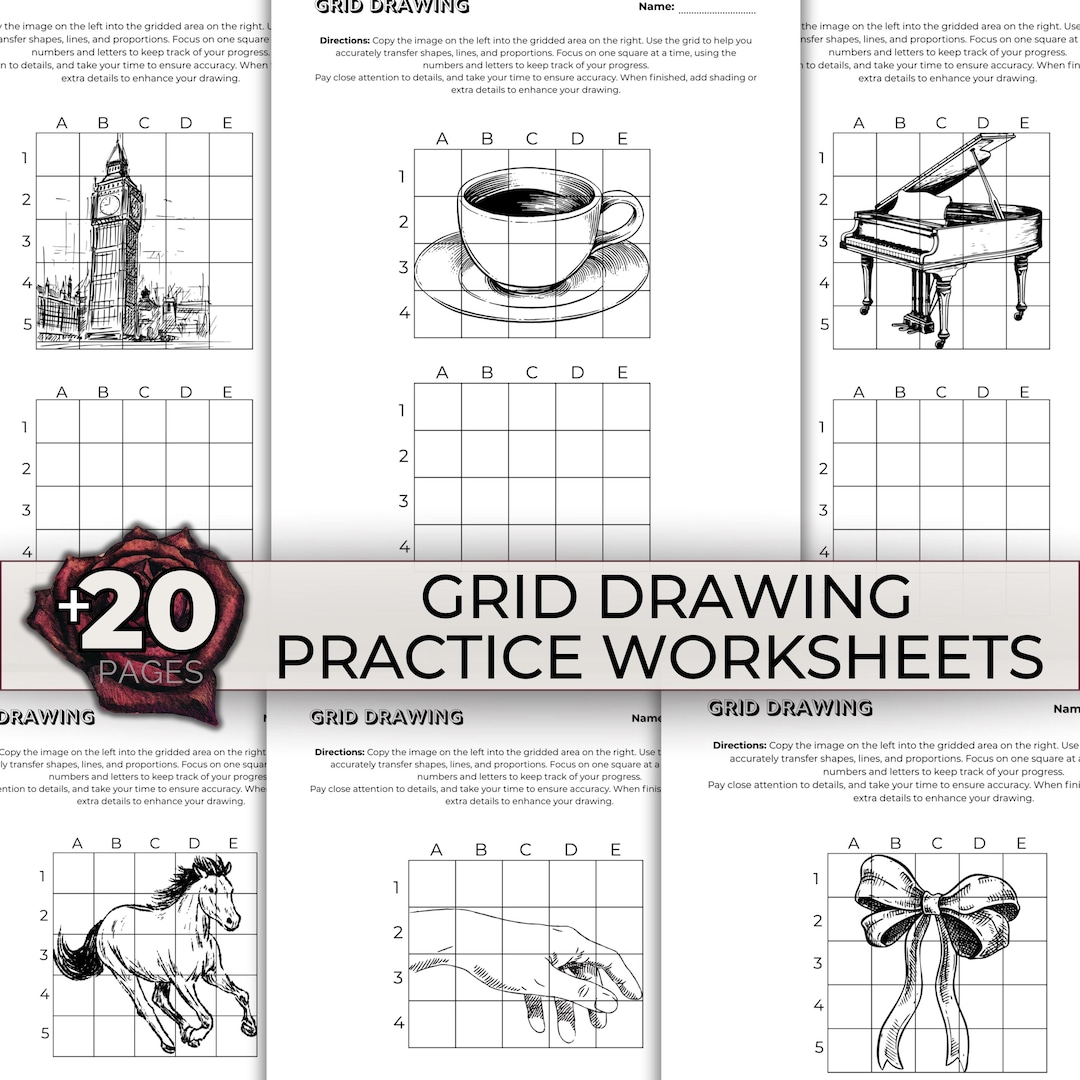
A grid drawing worksheet free resource functions as a structured visual template that breaks complex photographic subjects into manageable sections, empowering young learners to systematically replicate proportions through coordinate-based observation. According to the National Art Education Association (NAEA), structured observational drawing activities significantly accelerate hand-eye coordination, spatial reasoning, and visual literacy in early elementary students. Accessing high-quality printable templates enables educators and parents to introduce foundational perspective principles without requiring expensive curriculum investments. These tools complement visual activities by transforming intimidating real-world imagery into approachable geometric coordinates. Utilizing these instructional printables bridges the gap between abstract visual perception and concrete fine-motor execution for developing minds.
Visual Learning & Skill Snapshot:
- Core Focus: Printable coordinate grids paired with real photographic references for systematic visual reproduction.
- Target Skill: Spatial reasoning, visual discrimination, fine-motor proportion control, and observation.
- Key Recommendation: Pair simple 2×2 or 4×4 coordinate grids with high-contrast photographic references before advancing to complex multi-box templates.
Core Principles and Visual Learning Overview
Spatial awareness and coordinate mapping form the absolute bedrock of effective grid-based visual education. When children utilize a grid drawing worksheet free of charge, the primary cognitive objective involves shifting focus from conceptual labeling—such as drawing what a mental symbol dictates—to pure optical observation of lines, curves, and negative spaces within localized squares. This method forces the brain to isolate shapes independently of the broader picture context, refining analytical processing. Integrating structured Grid Drawing exercises alongside concrete Photo Flashcards accelerates this cognitive translation, helping children connect photographic reality with tactile mark-making.
Key Specifications and Breakdown
| Age / Learning Stage | Visual Skill & Grid Ratio | Pedagogical Application & Scaffolding |
|---|---|---|
| Ages 4-5 (Early Foundation) | 2×2 Grid; Basic geometric shapes and high-contrast silhouettes | Introduce foundational square-matching using simplified Educational Activities to build confidence. |
| Ages 6-7 (Early Elementary) | 4×4 Grid; Real photographic animal and object references | Scaffold observation by encouraging students to cover unused squares with an index card to isolate individual lines. |
| Ages 8+ (Advanced Practice) | 6×6 Grid or higher; Detailed nature and architectural subjects | Promote independent proportion estimation and cross-referencing of intersecting coordinates without adult prompting. |
Systematic visual breaking through grid partitioning enhances perceptual accuracy and cognitive mapping in early childhood development — National Art Education Association (NAEA). For more related activities, check out our Grid Drawing Websites.
Step-by-Step Practical Application and Printing Guidelines
Executing a successful visual arts lesson requires careful preparation of physical printing materials and clear sequential demonstrations. Educators should print templates on heavy cardstock to prevent tearing from repeated pencil erasing and precise coordinate mapping. Begin by placing the reference photo directly adjacent to the blank drawing grid to maintain a consistent line of sight for the child. Instruct learners to start at the top-left square, identifying intersection points before sketching light contour lines. Emphasize that final shading occurs only after all individual grid coordinates are accurately populated and verified against the original image.
Common Challenges and How to Avoid Them
Frustration during grid replication typically stems from learners attempting to draw the entire image at once rather than isolating individual coordinate boxes. To prevent this hurdle, provide scrap paper or opaque cards to cover surrounding squares, forcing exclusive focus on one isolated coordinate at a time. Another frequent obstacle involves heavy initial sketching that resists clean erasing; mandate the use of hard, light-grade drawing pencils until final proportions are fully established. Ensuring that initial templates feature bold, distinct gridlines prevents visual fatigue and supports successful completion.
💬 Frequently Asked Questions
Explore More Free Learning Printables and Visual Activities on WePhotoAgency
Expanding visual arts curricula with diverse, high-quality resources ensures continuous cognitive engagement and creative growth for young learners everywhere. Educators, parents, and homeschool leaders can access an extensive collection of professional templates, instructional guides, and complementary visual tools directly by visiting WePhotoAgency.com to elevate everyday learning environments.
Visual Reference Gallery