Introduction
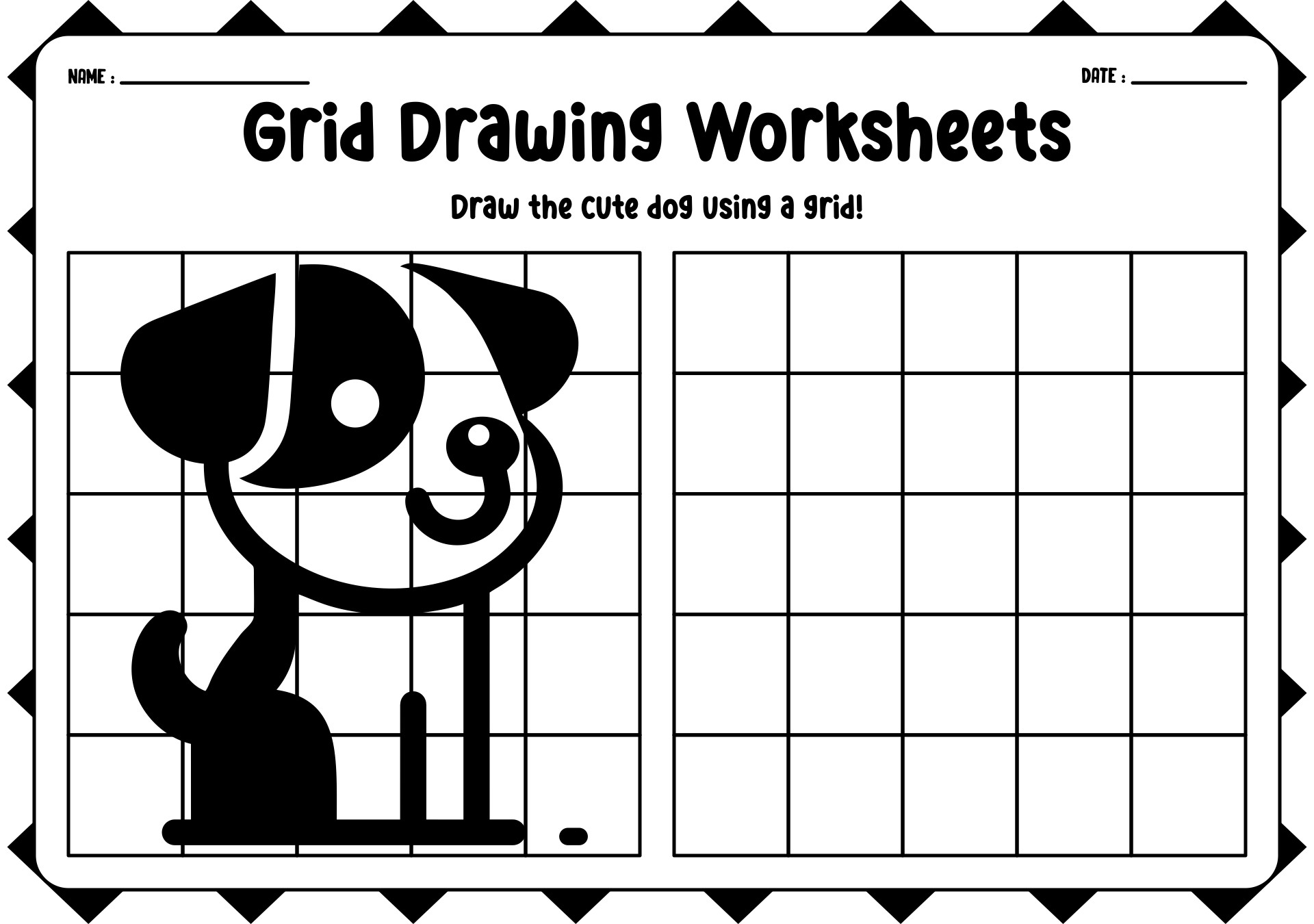
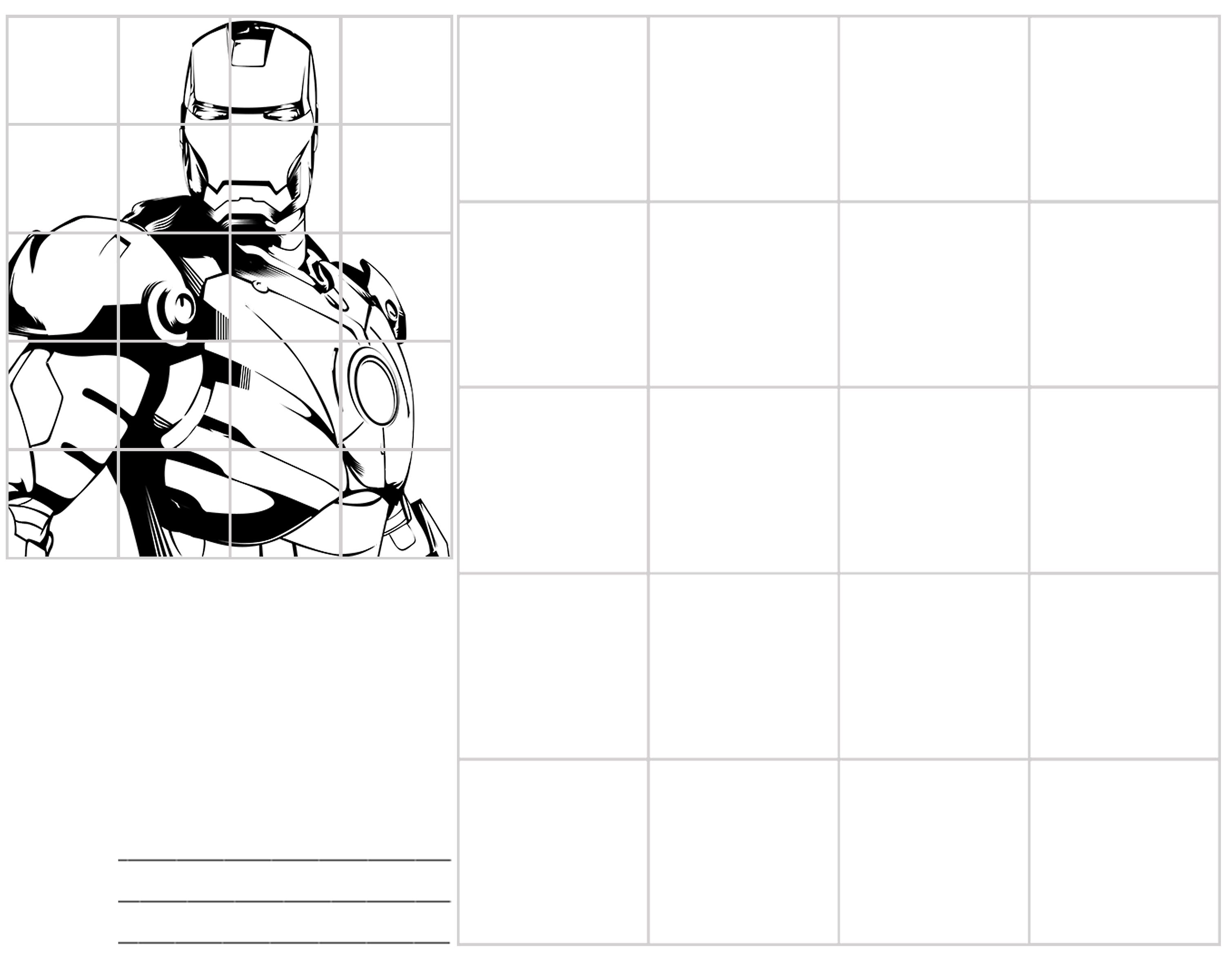
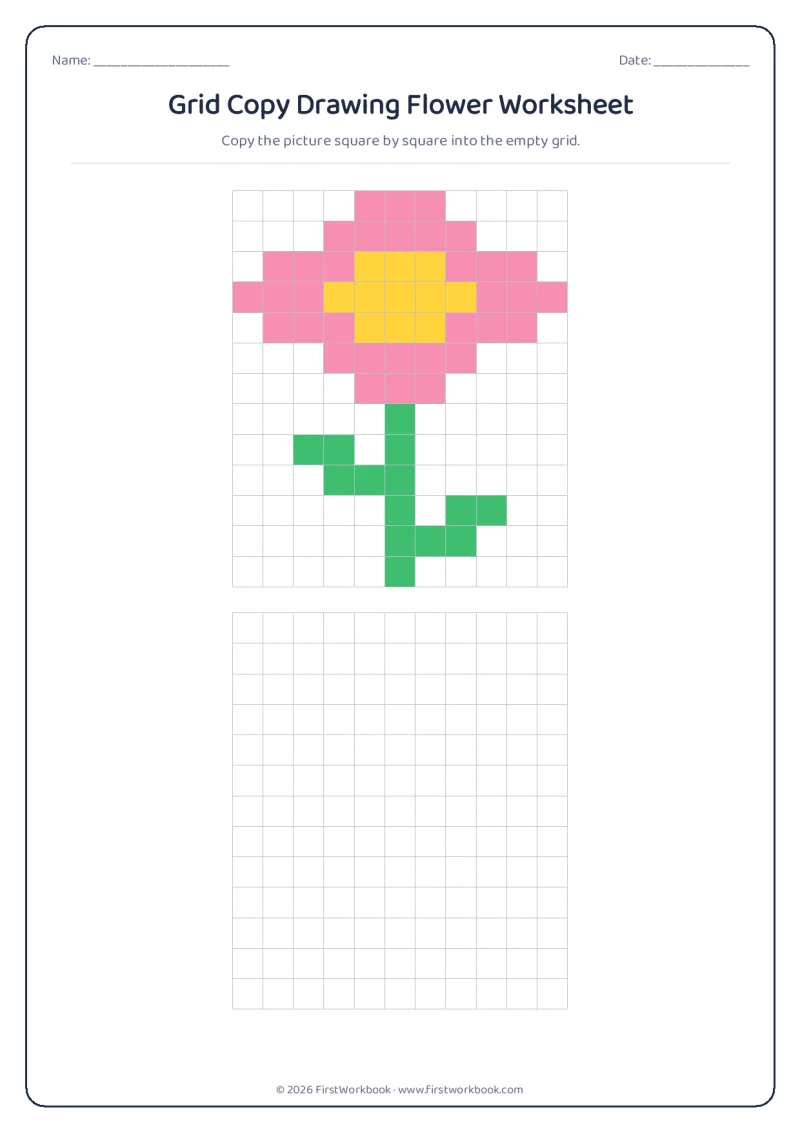
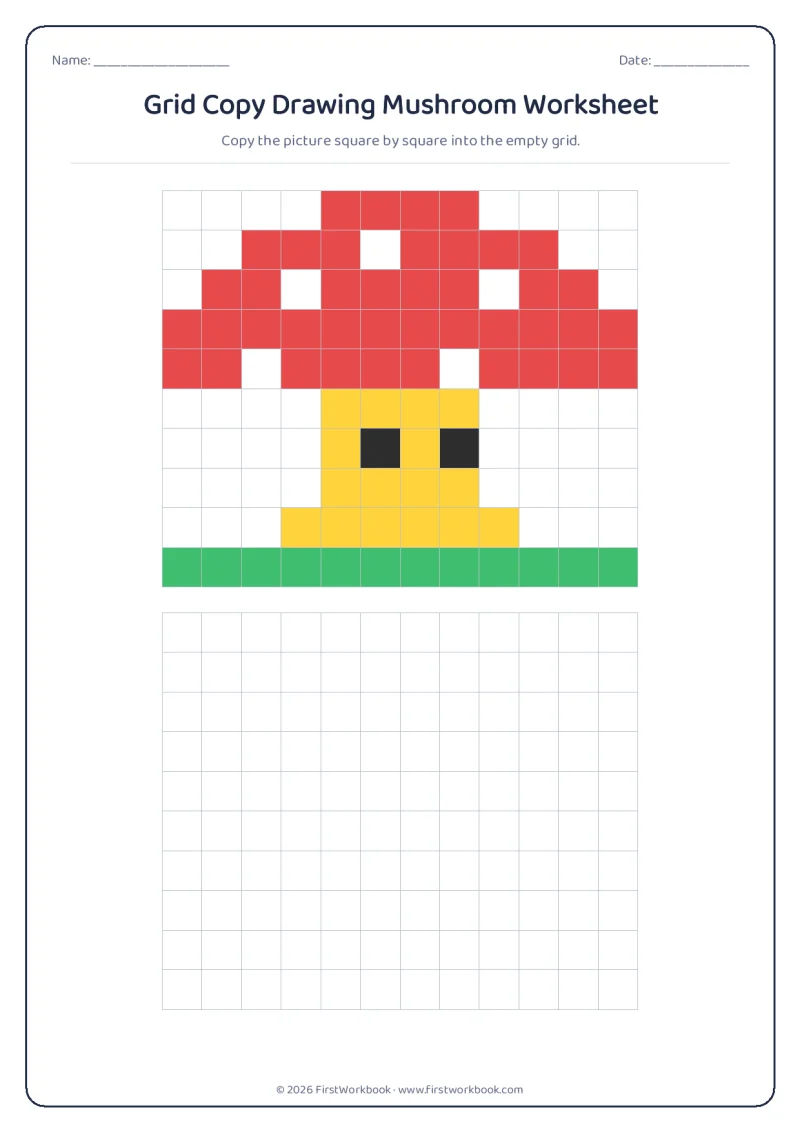
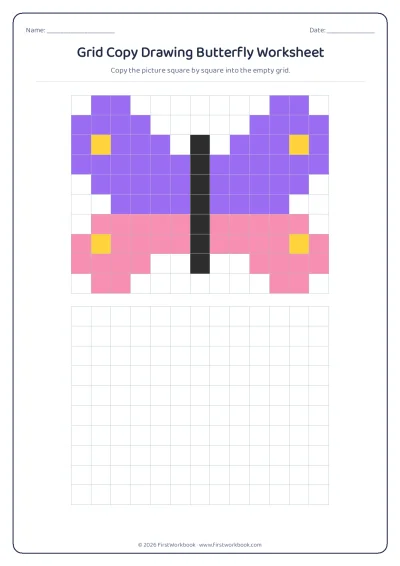
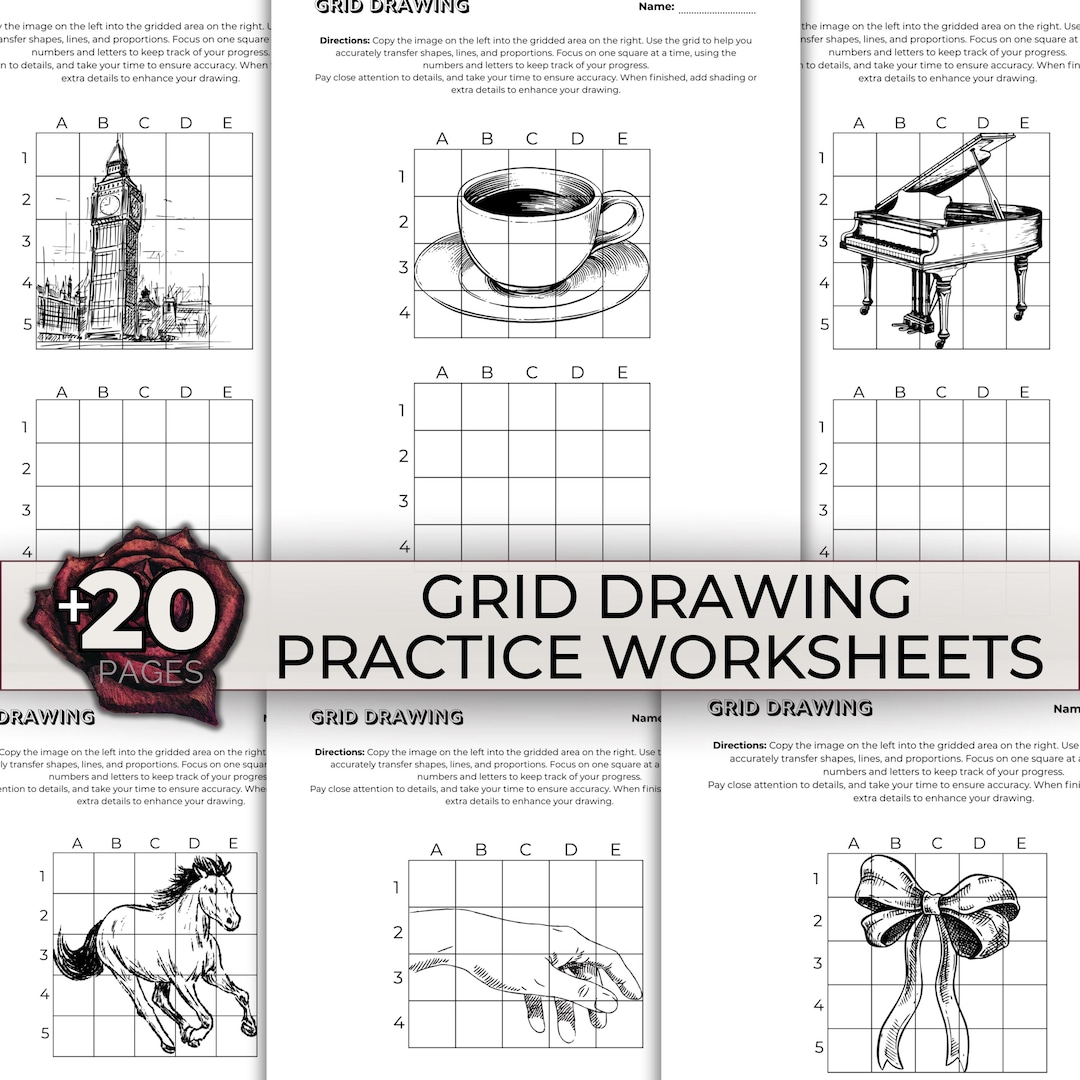
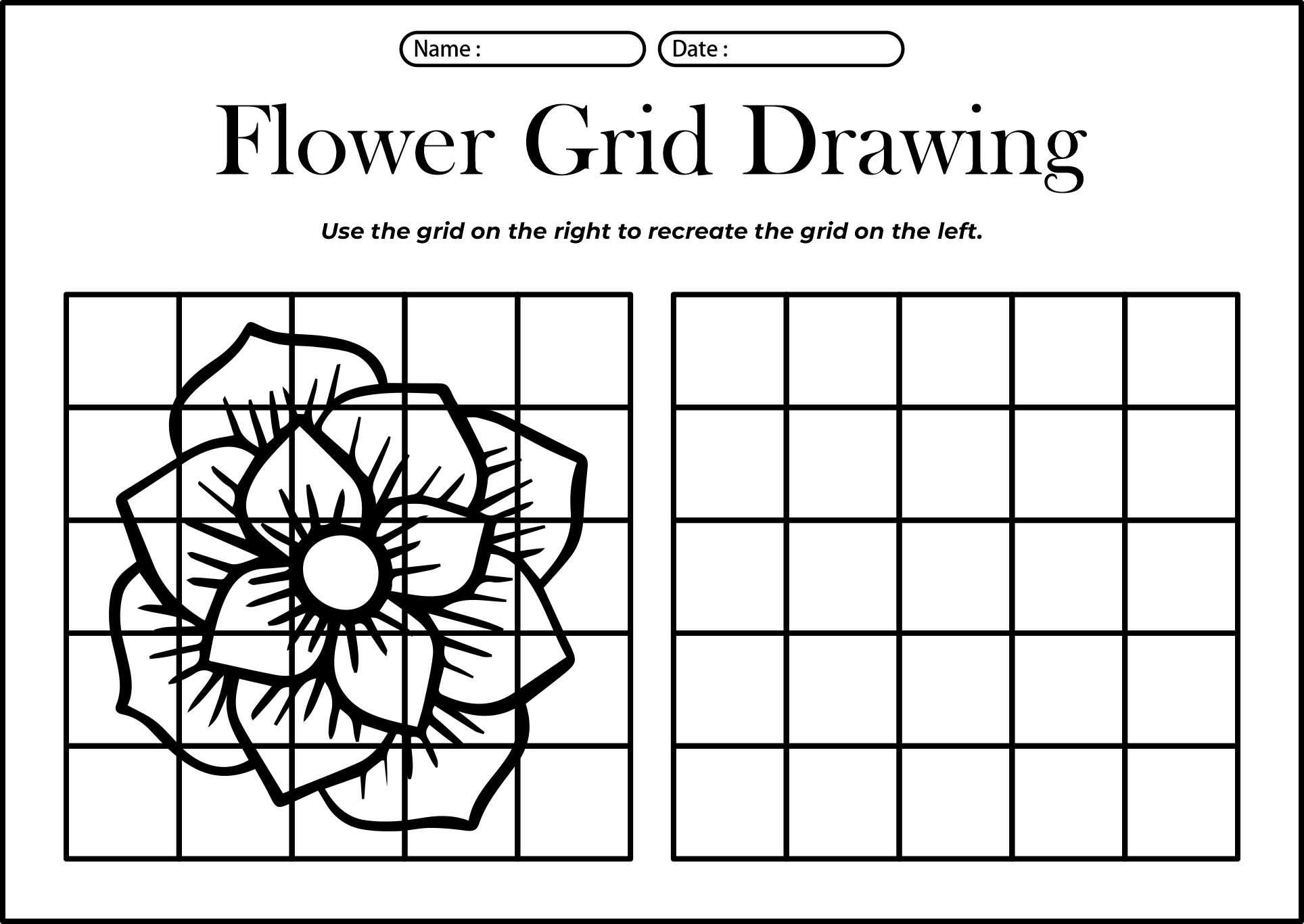
A grid drawing worksheet provides a structured geometric template that breaks complex visual information into manageable coordinates, accelerating spatial awareness and fine motor precision in early learners. According to the National Association for the Education of Young Children (NAEYC), structured visual-spatial activities actively support foundational cognitive development by bridging observation with physical execution. Utilizing these resources allows young learners to decode complex images systematically, laying the groundwork for mathematical graphing and advanced visual arts. Integrating curated tools from Grid Drawing collections ensures that children build methodical habits while engaging with high-resolution imagery.
Visual Learning & Skill Snapshot:
- Core Focus: Systematic spatial division via printable coordinate-based drawing templates.
- Target Skill: Spatial reasoning, visual discrimination, fine-motor proportion, and photo-based concept mastery.
- Key Recommendation: Pair photographic reference cards with matching grids to bridge realistic observation and abstract drawing.
Core Principles and Visual Learning Overview
Spatial reasoning develops rapidly when children learn to isolate small visual segments rather than attempting to process an entire complex image at once. A standard grid drawing worksheet leverages coordinate mapping to teach proportion, scale, and exact placement. By transposing content square by square, children bypass the cognitive overload associated with freehand drawing. This technique strengthens eye-hand coordination and enhances concentration by turning artistic creation into a structured puzzle. Combining these worksheets with real Photo Flashcards provides children with concrete visual benchmarks that improve observational accuracy during early educational sessions.
Key Specifications and Breakdown
| Age / Learning Stage | Visual Skill & Grid Ratio | Pedagogical Application & Scaffolding |
|---|---|---|
| Ages 4-5 (Early Learners) | 2×2 or 3×3 simple squares | Focuses on basic contour recognition, solid line tracing, and foundational coordinate awareness. |
| Ages 6-7 (Early Elementary) | 4×4 moderate grid scale | Emphasizes proportion estimation, angled line alignment, and transferring photo details accurately. |
| Ages 8+ (Advanced Beginners) | 6×6 or dense coordinate matrix | Refines complex negative space analysis, fine-motor precision, and meticulous scaling techniques. |
Structured visual-spatial tasks significantly enhance executive function and visual-motor integration in early childhood cognitive development. — National Art Education Association (NAEA)
Step-by-Step Practical Application and Printing Guidelines
Effective implementation requires pairing a clearly printed reference image alongside an empty grid worksheet of identical dimensions to guarantee accurate proportion translation. Educators and parents should print materials on heavy cardstock to prevent tearing and allow repeated pencil erasing. Instruct learners to isolate one square at a time using a blank card or hand mask, minimizing visual distractions from surrounding sections. For maximum engagement during Educational Activities, start with high-contrast photographic subjects featuring clear outlines before advancing to detailed natural textures.
Common Challenges and How to Avoid Them
Children frequently struggle when they attempt to draw entire objects across multiple grid lines instead of focusing strictly on individual coordinate boxes. To correct this tendency, encourage young artists to locate where specific lines intersect the grid borders before sketching interior shapes. Another common hurdle involves mismatched grid ratios between the reference picture and the drawing canvas, which distorts the final output. Ensuring that both master and target sheets maintain exact geometric alignment eliminates scaling confusion and fosters continuous confidence.
💬 Frequently Asked Questions
Explore More Free Learning Printables and Visual Activities on WePhotoAgency
Empowering young learners with targeted visual tools creates a permanent foundation for academic and creative success. Explore the expansive collection of printable resources, structured exercises, and developmental assets available directly through the main library at WePhotoAgency.com to support continuous growth at home and in the classroom.
Visual Reference Gallery