Introduction
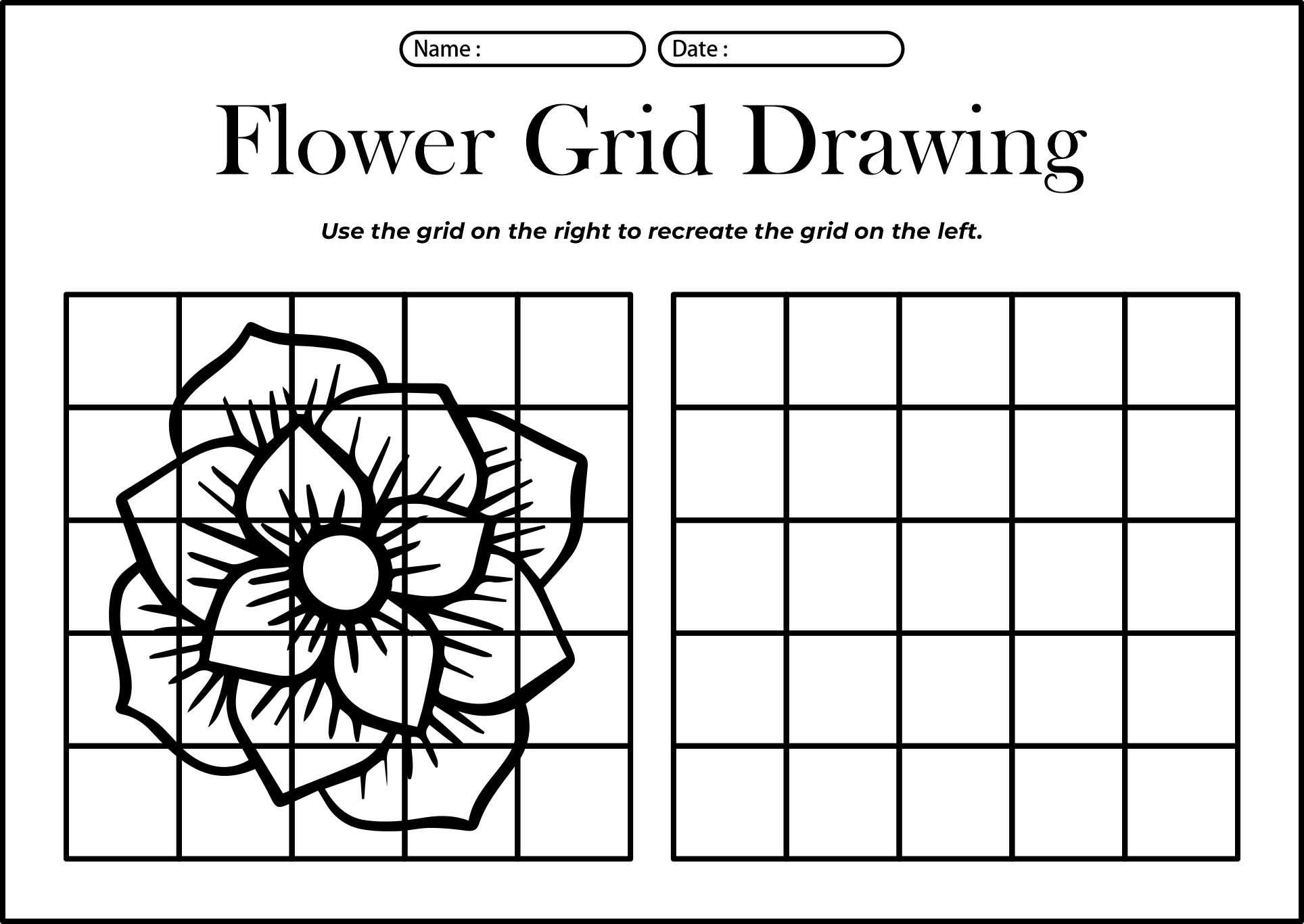
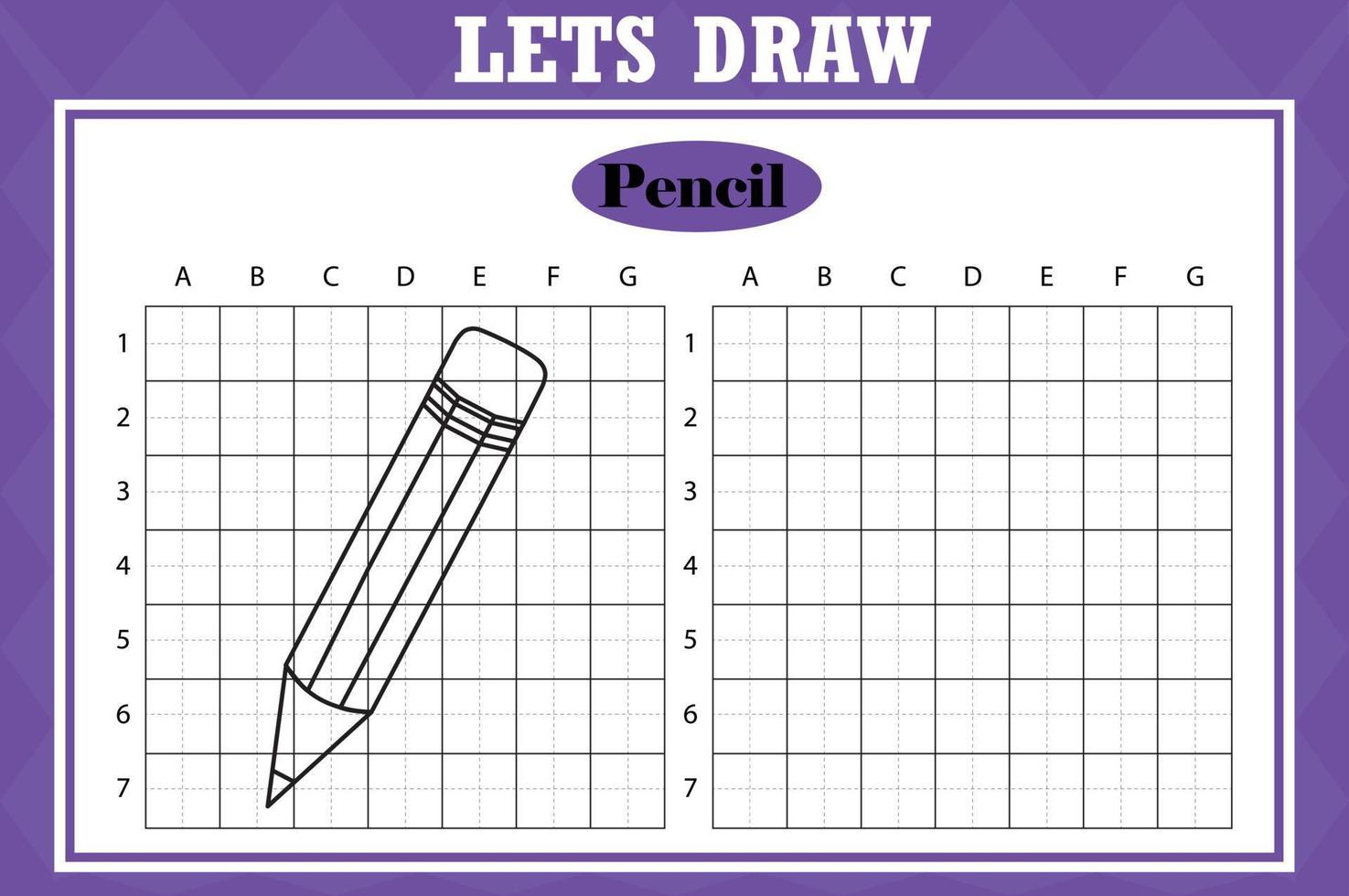
Grid drawing with pencil is a foundational spatial-reasoning technique that breaks complex visual forms into manageable coordinate squares to teach proportion estimation, fine-motor control, and accurate observation. According to the National Association for the Education of Young Children (NAEYC), hands-on graphic representation and structured visual arts activities significantly enhance cognitive development, early geometric thinking, and eye-hand coordination in growing children. By employing printable grid worksheets alongside real photo visual flashcards, educators and parents can systematically bridge abstract visual stimuli with concrete pencil-and-paper execution. This methodical approach reduces cognitive overload, allowing young learners to analyze individual shapes rather than becoming overwhelmed by an entire composition.
Visual Learning & Skill Snapshot:
- Core Focus: Coordinate-based visual breakdown for accurate pencil replication and scale transcription.
- Target Skill: Spatial reasoning, visual discrimination, proportional estimation, and fine-motor pencil control.
- Key Recommendation: Pair large-format reference photographs with matching grid overlays to maximize observational clarity.
Core Principles and Visual Learning Overview
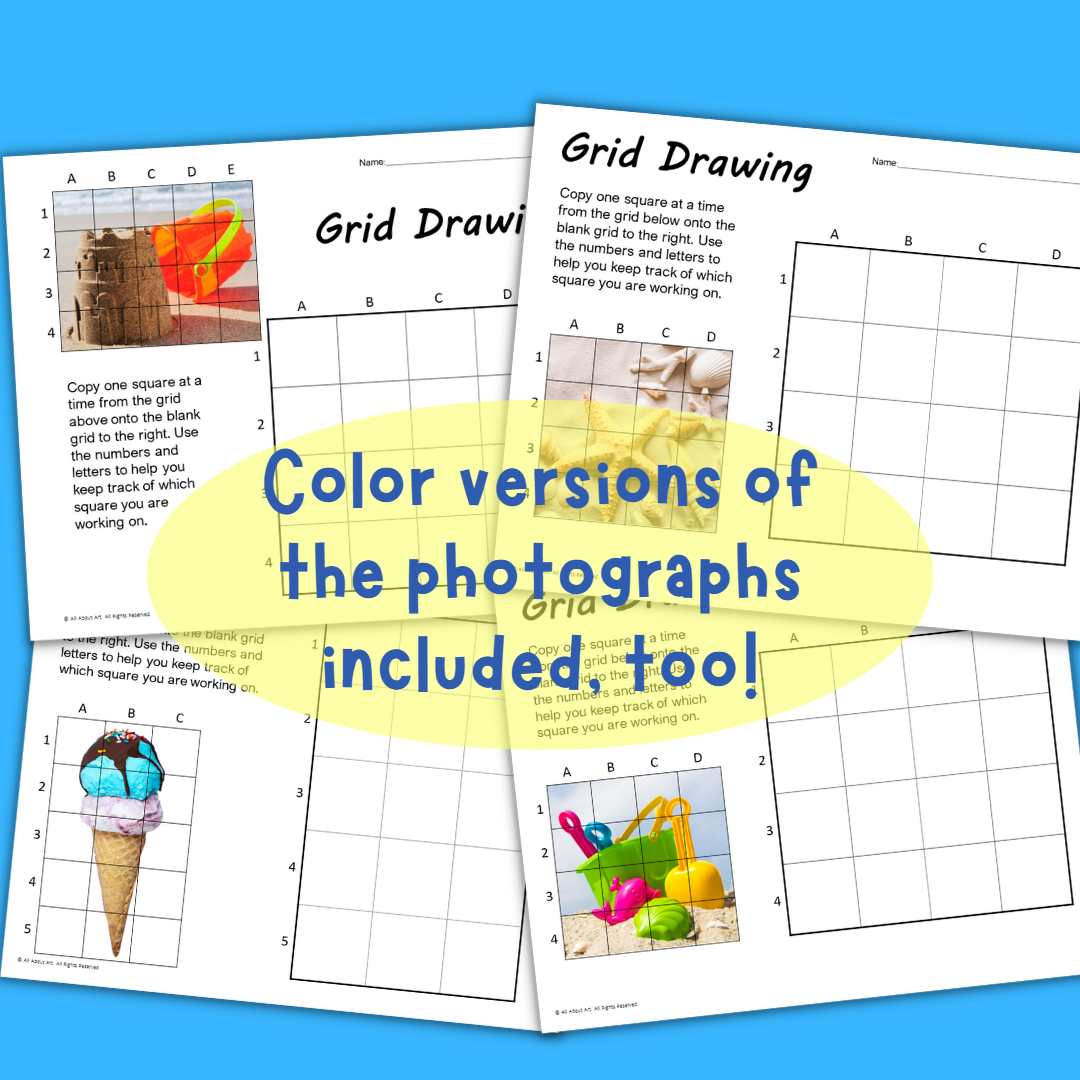
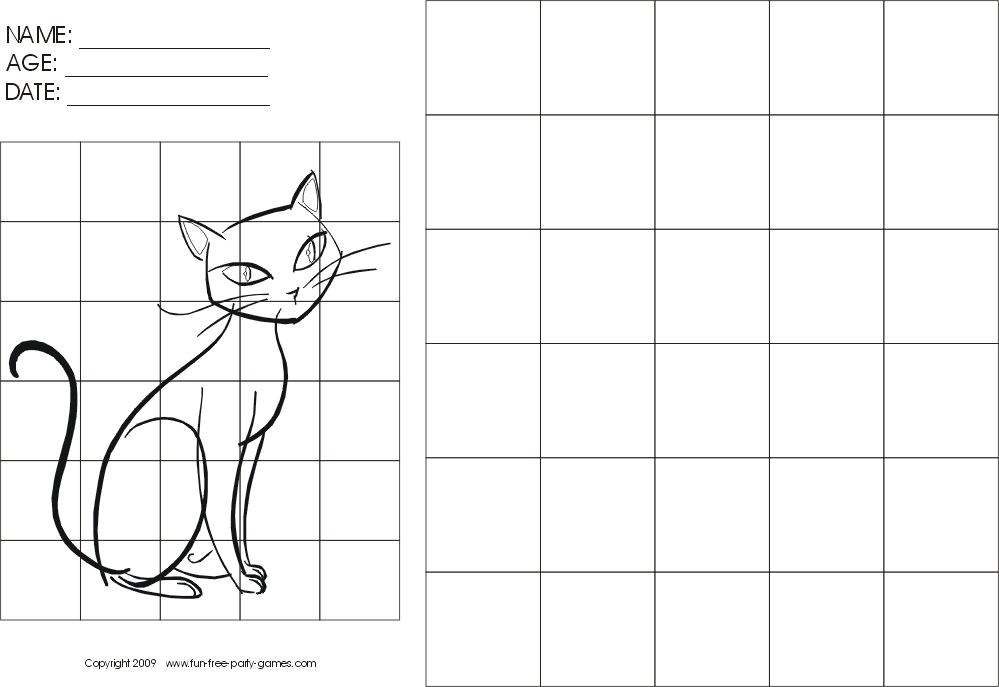
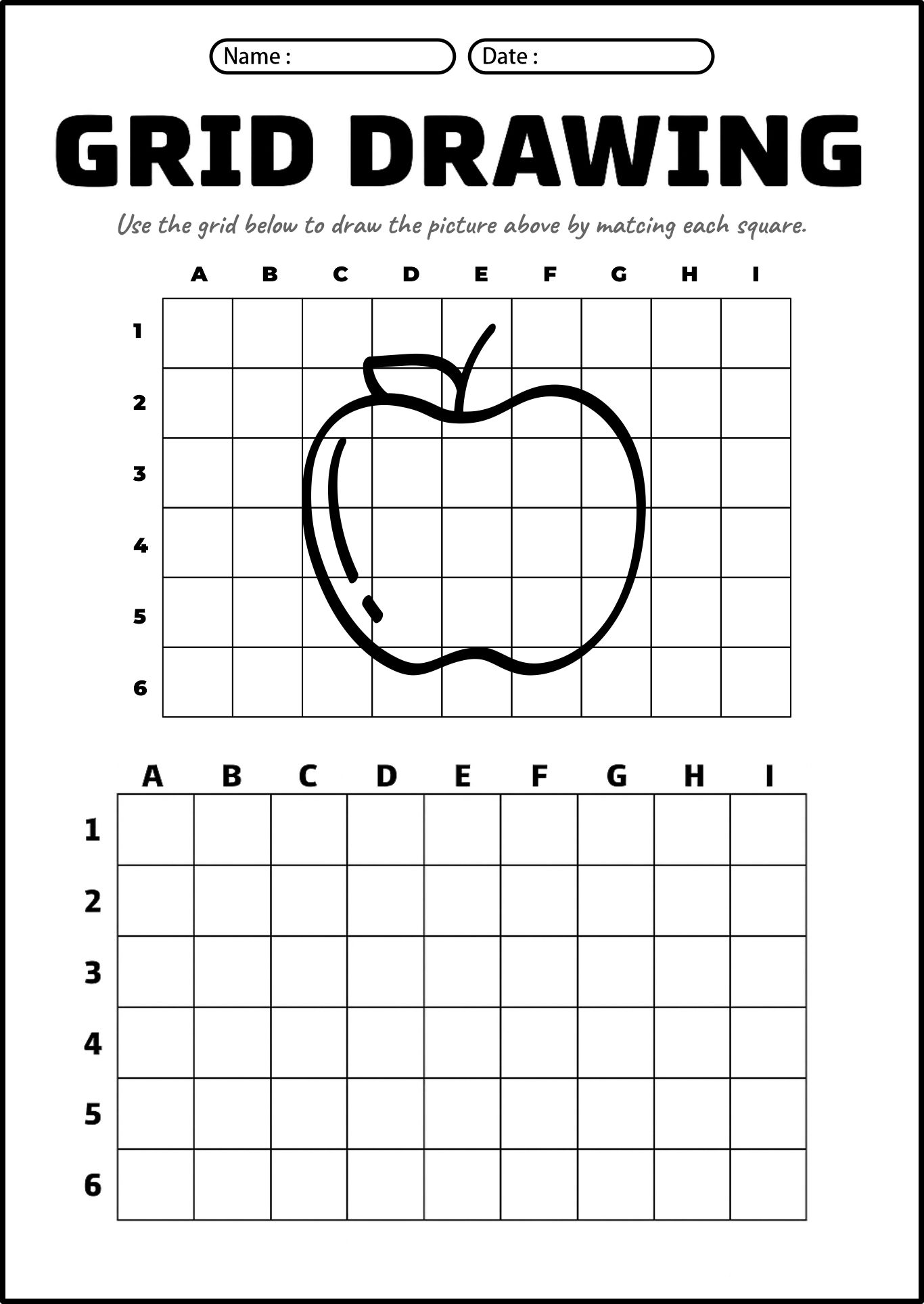
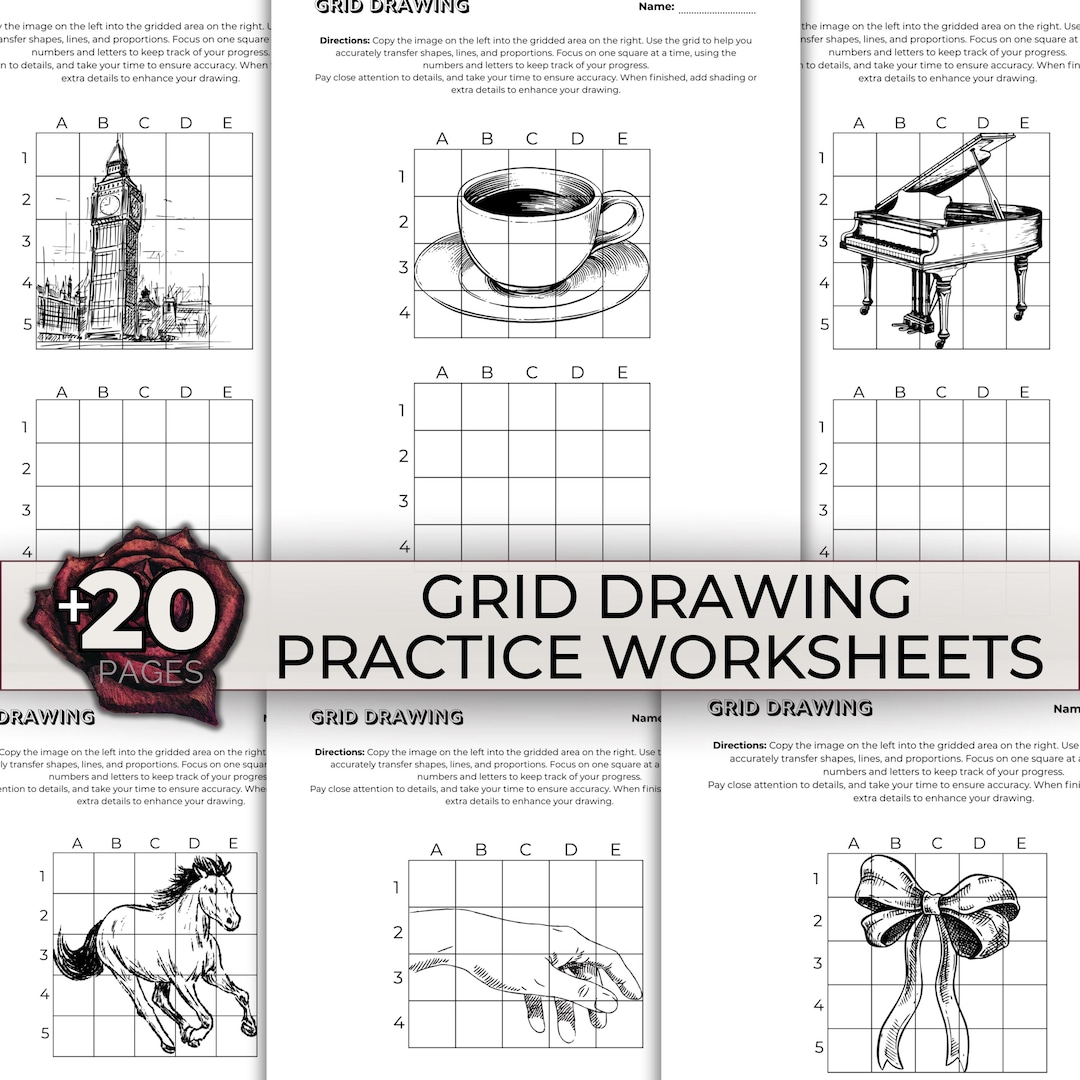
Grid drawing with pencil trains the human brain to translate three-dimensional visual data into two-dimensional coordinate plots by isolating single squares of a reference image. This instructional strategy leverages printable Grid Drawing templates to teach children how to analyze negative space, line curvature, and intersecting coordinates independently. When paired with high-contrast Photo Flashcards, learners develop advanced visual literacy by comparing real-world photographic textures against their own manual pencil lines. Scaffolding this process from simple four-square grids up to complex sixteen-square matrices ensures sustained cognitive engagement across diverse early childhood and elementary learning stages.
Key Specifications and Breakdown
| Age / Learning Stage | Visual Skill & Grid Ratio | Pedagogical Application & Scaffolding |
|---|---|---|
| Ages 4-5 (Early Learners) | 2×2 or 3×3 Grid; Basic Contours | Utilize bold, high-contrast photographic references focusing on single geometric shapes and organic lines. |
| Ages 6-7 (Early Elementary) | 4×4 Grid; Moderate Proportions | Incorporate real-world animal and nature subjects to build cross-curricular vocabulary and observational focus. |
| Ages 8-10 (Advanced Elementary) | 5×5 or greater Grid; Complex Shading | Introduce detailed photographic flashcards requiring precise tonal gradation and intermediate pencil sketching techniques. |
Structured visual arts practices enhance spatial working memory and cognitive mapping through systematic coordinate tracking — National Art Education Association (NAEA)
Step-by-Step Practical Application and Printing Guidelines
Implementing grid drawing with pencil requires selecting high-resolution source materials, printing aligned coordinate templates, and guiding learners through square-by-square reproduction. Educators should first distribute clean printable sheets from the Educational Activities resource library, ensuring both the reference photo and blank drawing paper share identical grid proportions. Instructors must encourage children to focus exclusively on one grid square at a time, checking where lines intersect coordinate borders before applying definitive pencil strokes. Utilizing lightweight graphite pencils (such as HB or 2B) allows young artists to easily erase guiding lines and refine proportions as observational confidence grows.
Common Challenges and How to Avoid Them
Grid drawing with pencil frequently presents hurdles when children attempt to draw entire objects at once instead of isolating individual grid squares. Adults can easily resolve this common challenge by providing physical masking cards that cover all surrounding grid squares, forcing the learner to concentrate entirely on a single coordinate region. Another frequent obstacle involves misaligning coordinates; educators should explicitly teach children to locate coordinate markers along the horizontal and vertical axes before sketching any internal lines. Emphasizing patience over speed ensures that young practitioners value careful proportion estimation over rapid, inaccurate completion.
💬 Frequently Asked Questions
Explore More Free Learning Printables and Visual Activities on WePhotoAgency
Mastering visual arts techniques requires a continuous supply of high-quality, educator-approved resources designed to engage young minds across every developmental milestone. Explore the complete collection of structured worksheets, drawing templates, and photographic learning tools available directly through WePhotoAgency.com to elevate daily lesson plans and homeschool curricula.
Visual Reference Gallery