Introduction
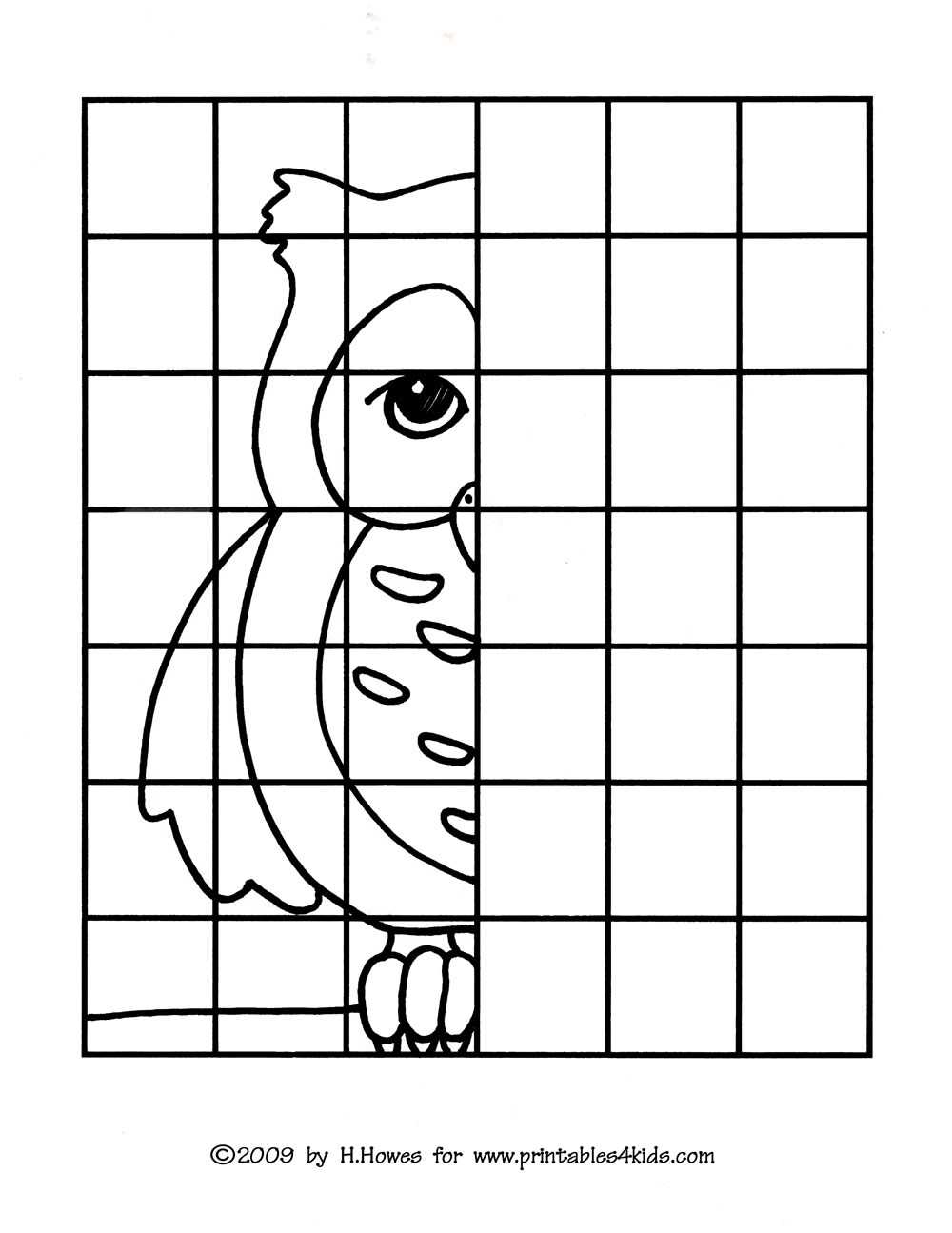
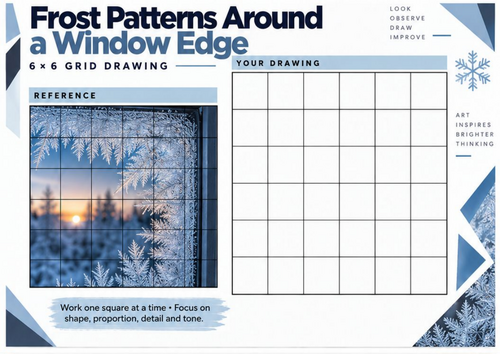
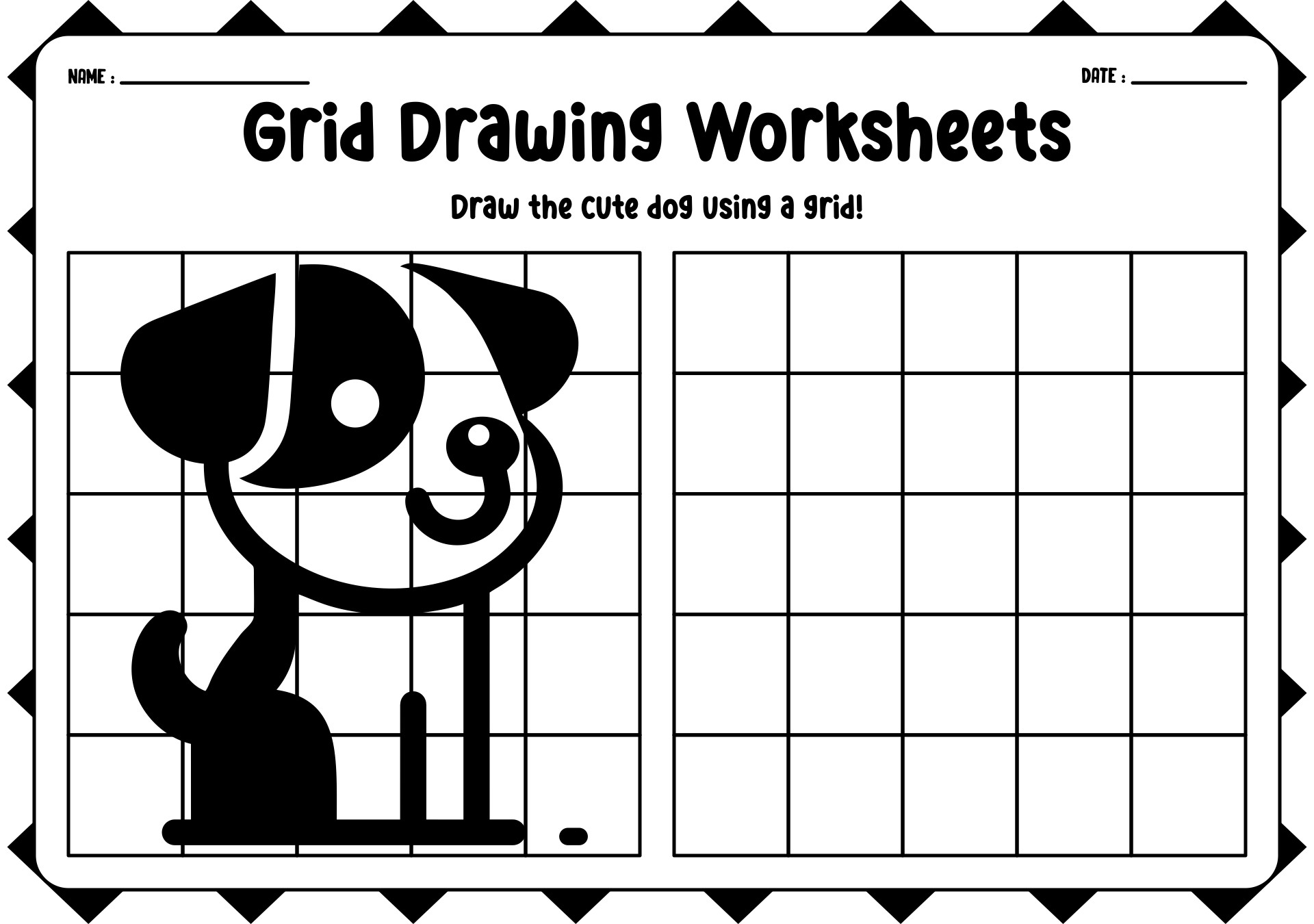
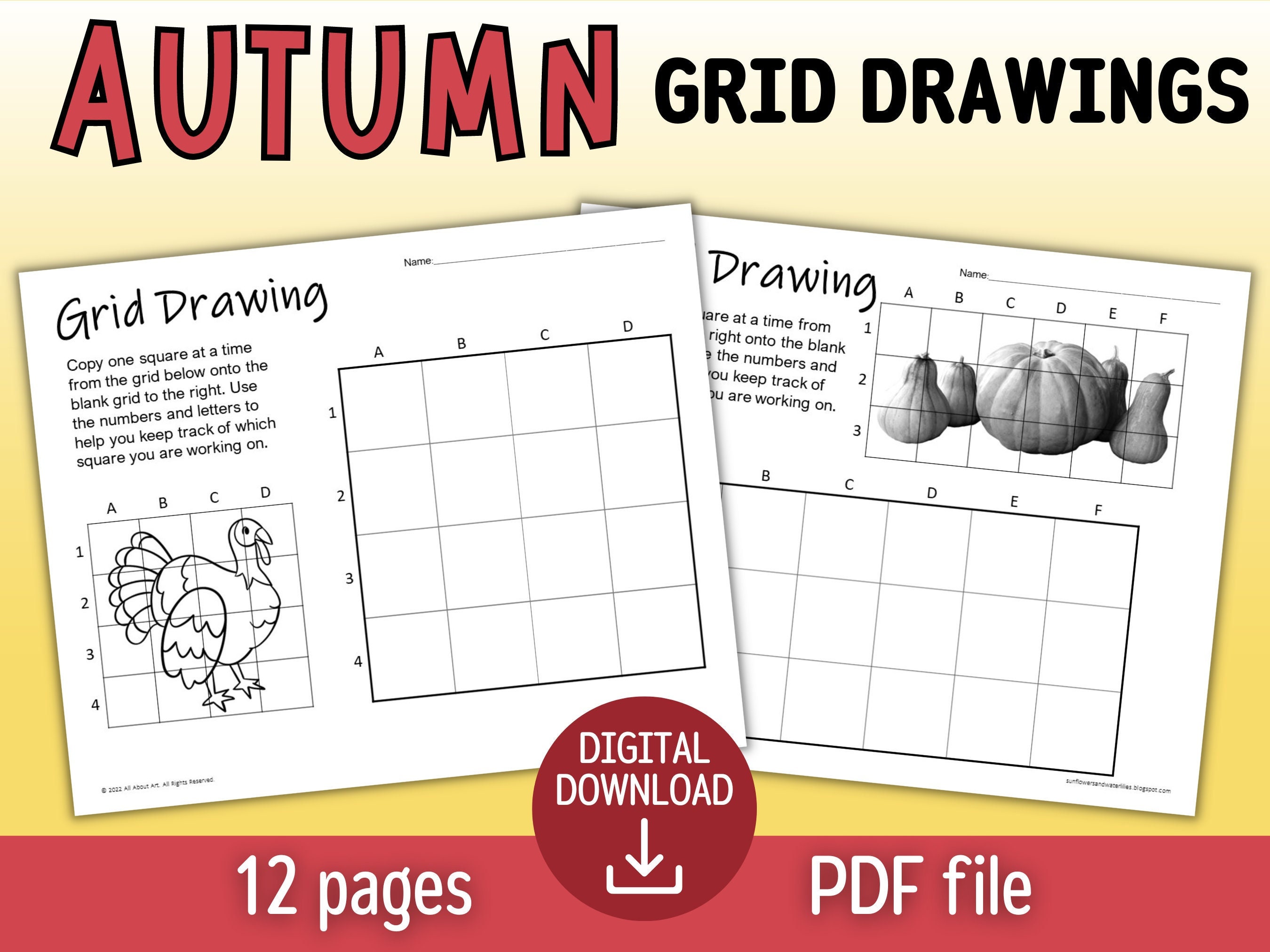
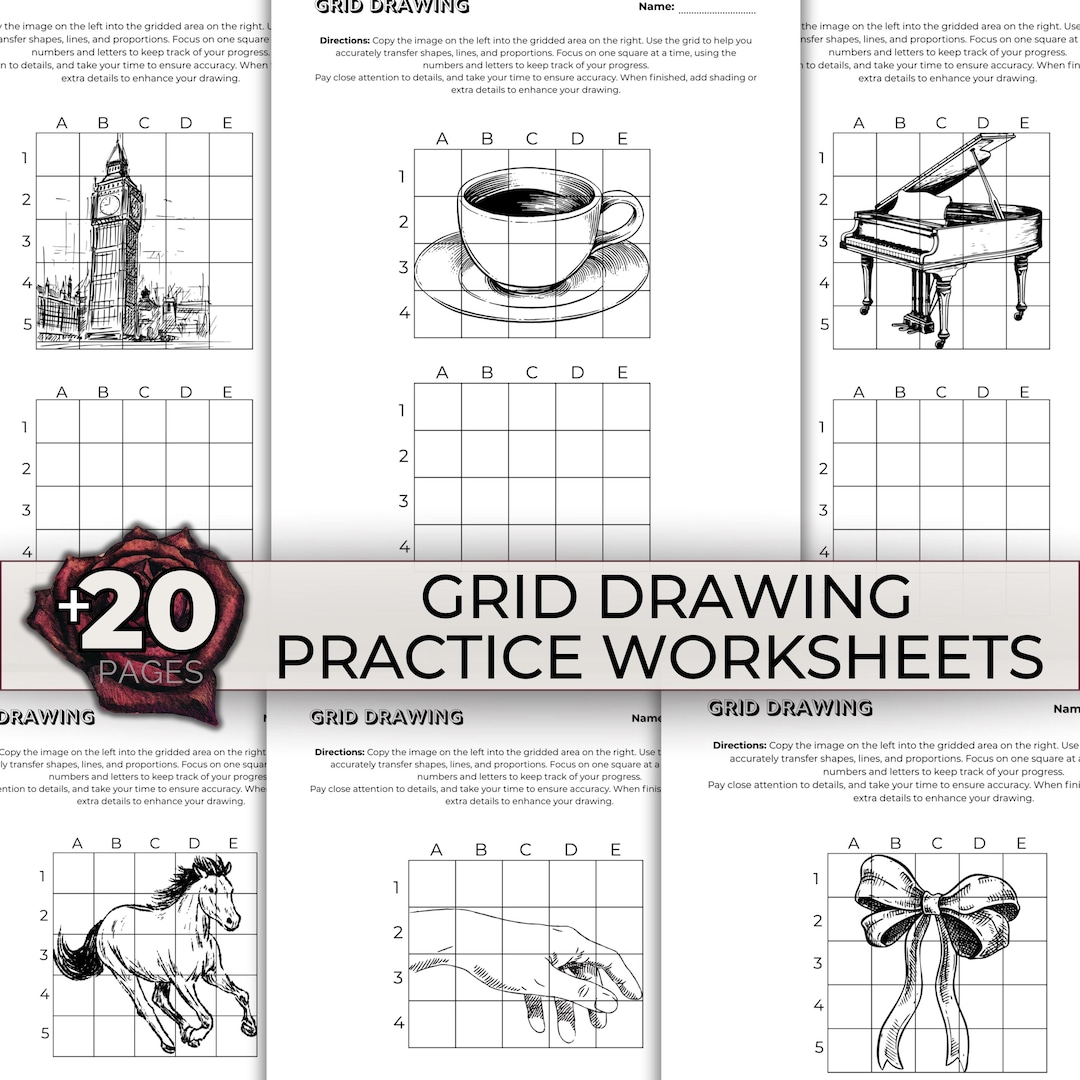
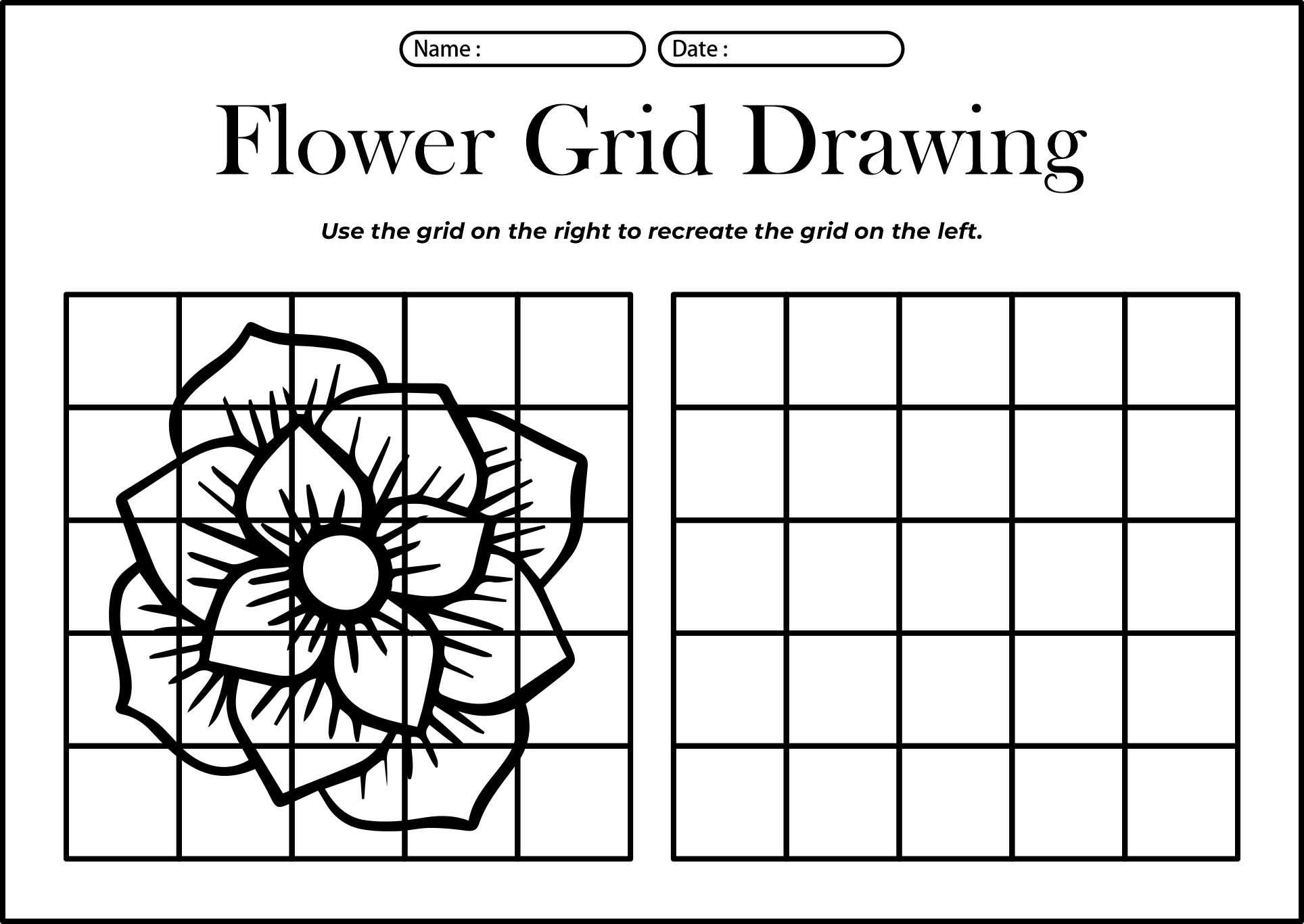
Grid drawing windows utilize physical or printed intersecting lines overlaid upon real photo visual flashcards to break complex pictorial information into manageable geometric segments for young learners. According to the National Art Education Association (NAEA), structured visual partitioning methods successfully enhance spatial awareness, fine-motor coordination, and proportional estimation in early childhood development. This technique shifts visual processing from holistic guessing to deliberate, coordinate-based observation, ensuring children accurately map visual data from a reference image onto a blank grid worksheet. Educators and homeschoolers deploy these visual activities to bridge the cognitive gap between abstract sight and accurate manual reproduction. To begin integrating these methods into daily routines, explore dedicated resources found within Grid Drawing.
Visual Learning & Skill Snapshot:
- Core Focus: Geometric visual partitioning via printable grids and real-photo references.
- Target Skill: Spatial reasoning, visual discrimination, fine-motor proportion, and observation accuracy.
- Key Recommendation: Pair high-contrast real photo visual flashcards with simple two-by-two or three-by-three grids before advancing to complex layouts.
Core Principles and Visual Learning Overview
Spatial reasoning and proportional estimation develop most effectively when children learn to isolate visual segments rather than attempting to process an entire complex image simultaneously. By overlaying a transparent window or printed grid onto a photographic subject, young artists learn to analyze lines, curves, and negative space coordinate by coordinate. This analytical approach supports broader Educational Activities designed to build cognitive flexibility, eye-hand coordination, and visual-spatial memory. When learners focus on one specific grid square at a time, anxiety regarding overall accuracy diminishes, allowing focused concentration on line direction and intersecting points.
Key Specifications and Breakdown
| Age / Learning Stage | Visual Skill & Grid Ratio | Pedagogical Application & Scaffolding |
|---|---|---|
| Ages 4–5 (Early Explorer) | 2×2 Grid, High-Contrast Subjects | Focuses on basic shapes and macro-proportions using Photo Flashcards. |
| Ages 6–7 (Foundational Student) | 3×3 Grid, Familiar Objects | Builds coordinate tracking and relative size estimation through guided tracing. |
| Ages 8+ (Advanced Beginner) | 4×4 Grid, Detailed Natural Imagery | Enhances independent line accuracy, fine-motor precision, and spatial mapping. |
Structured visual partitioning significantly accelerates proportional accuracy and spatial memory development by reducing cognitive overload in early learners. — National Art Education Association (NAEA)
Step-by-Step Practical Application and Printing Guidelines
Successful implementation requires high-resolution printing of both the reference image and the corresponding blank workspace sheet to maintain exact dimensional alignment. Instructors should secure both the reference card and the drawing paper side-by-side using clips or tape to minimize visual wandering and eye strain. Children should be encouraged to label coordinate axes with simple letters and numbers to reinforce Cartesian mapping concepts naturally during art sessions. Starting with thick, bold-lined borders ensures that young eyes easily distinguish individual cells, fostering independence and confidence before introducing finer, more intricate photographic details.
Common Challenges and How to Avoid Them
Over-complicated initial layouts and rushing from whole images to empty grids represent the most frequent pitfalls encountered during early spatial training. Educators must ensure that children do not jump straight into dense four-by-four grids, as excessive squares frequently cause visual fatigue and frustration. If a learner struggles with a specific square, encourage isolating that exact cell by covering adjacent areas with blank paper masks to eliminate surrounding visual noise. Patience, consistent scaffolding, and maintaining a playful tone ensure that grid-based observation remains an engaging, rewarding developmental exercise rather than an onerous chore.
💬 Frequently Asked Questions
Explore More Free Learning Printables and Visual Activities on WePhotoAgency
Expanding early childhood cognitive toolkits becomes seamless when utilizing professionally designed resources available throughout WePhotoAgency.com. Educators, parents, and homeschool leaders can access an extensive library of printable worksheets, structured visual exercises, and developmental tools crafted to inspire creativity and sharpen critical spatial skills across all early learning stages.
Visual Reference Gallery