Introduction
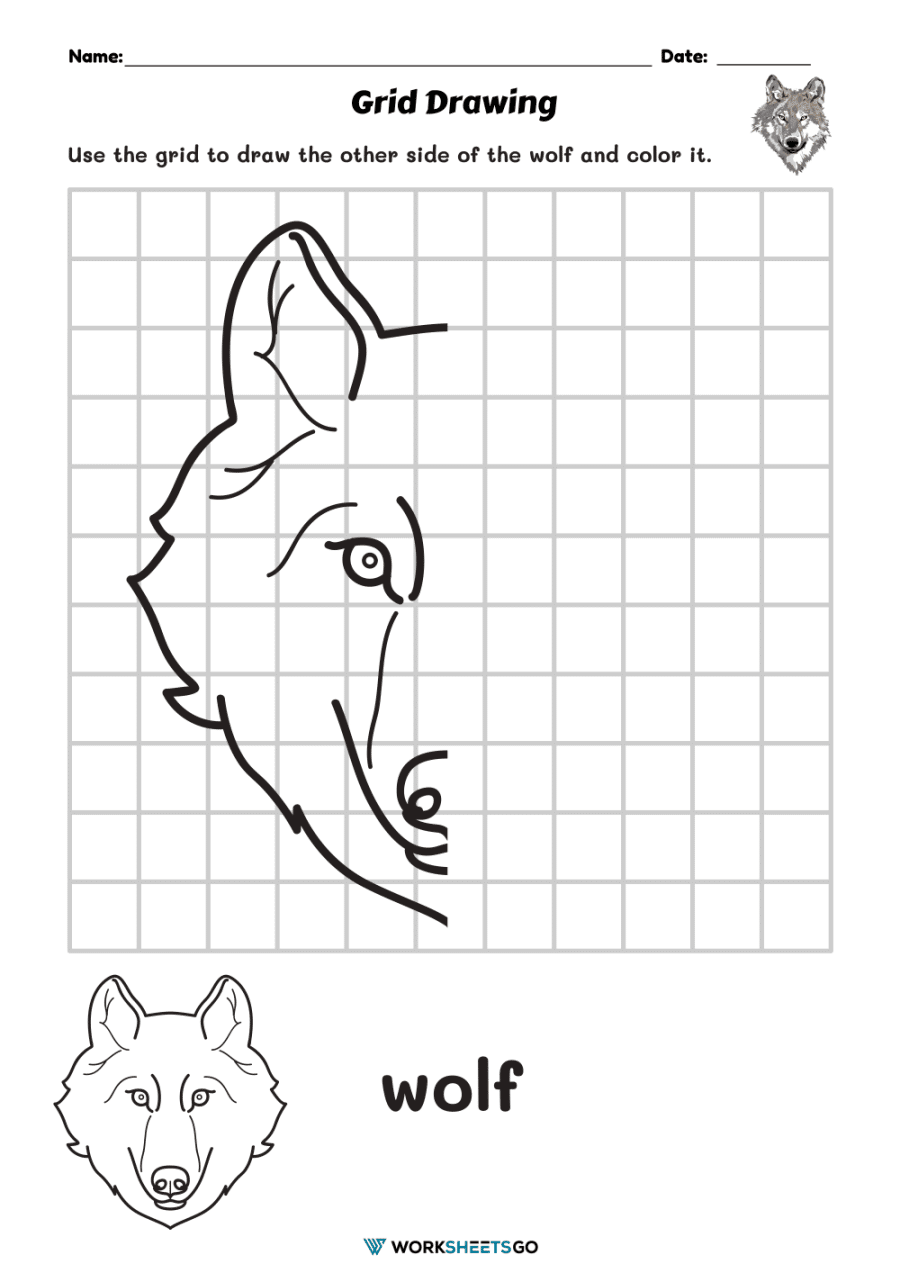
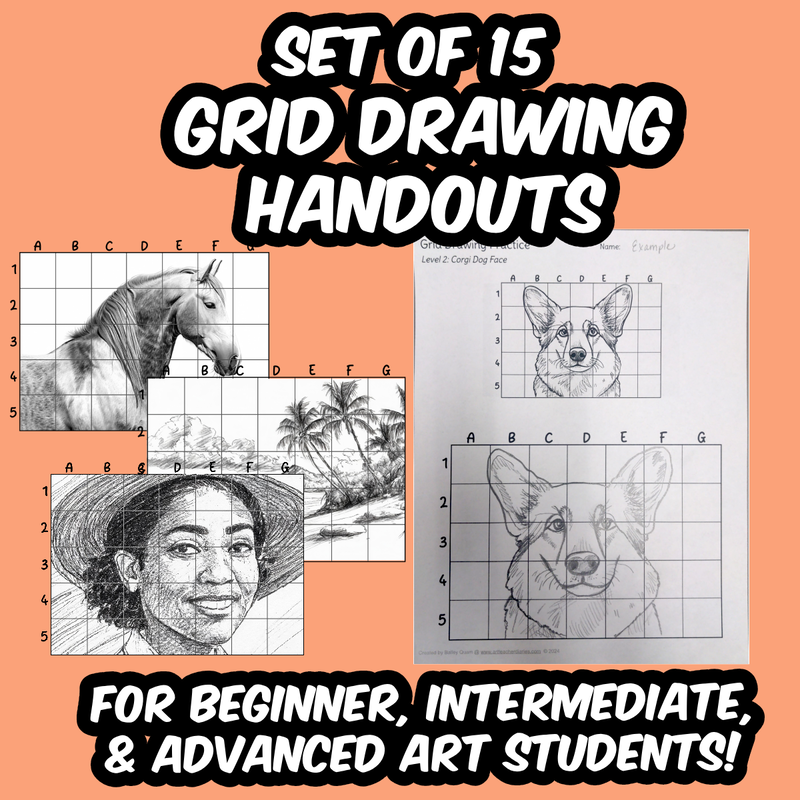
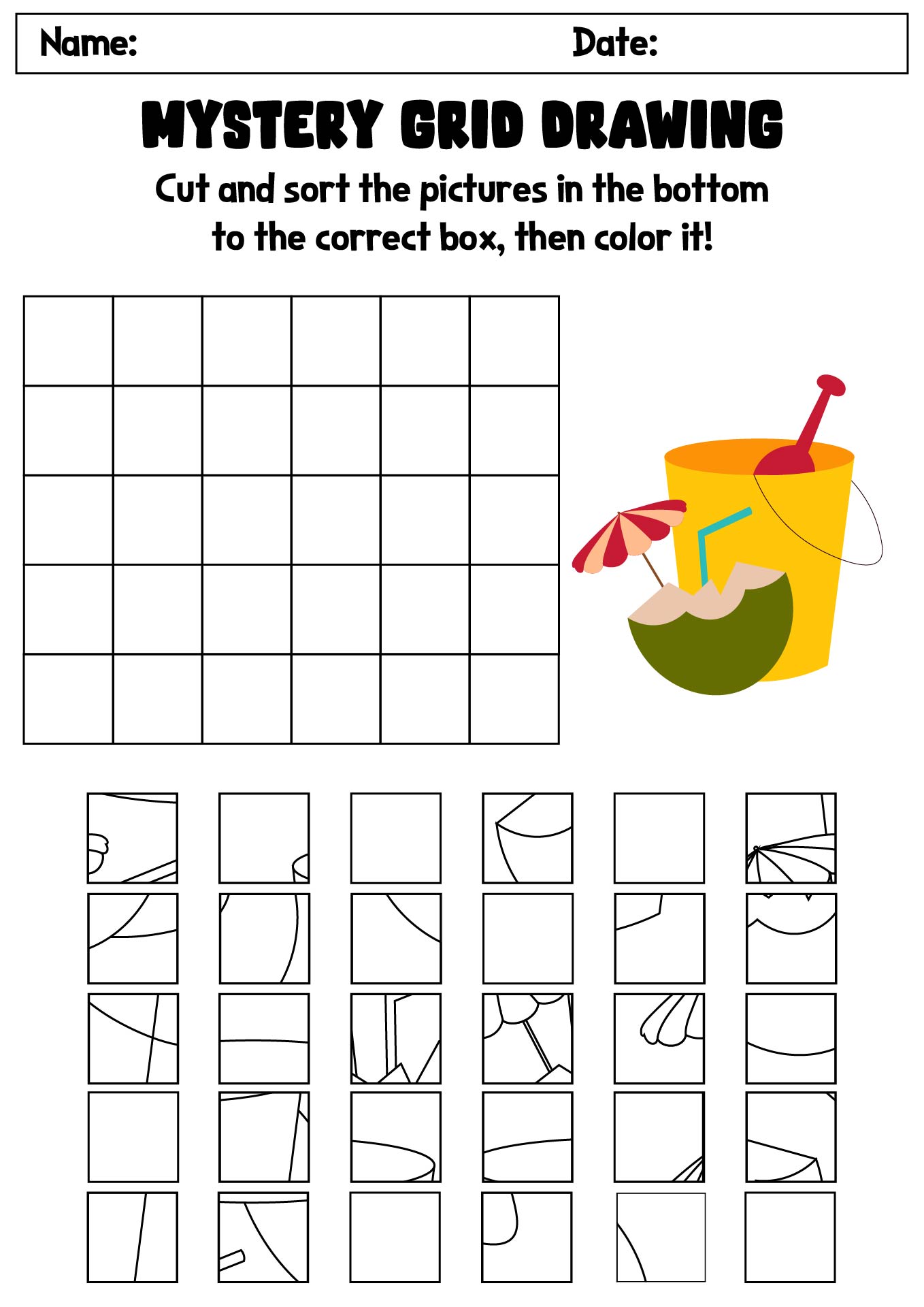
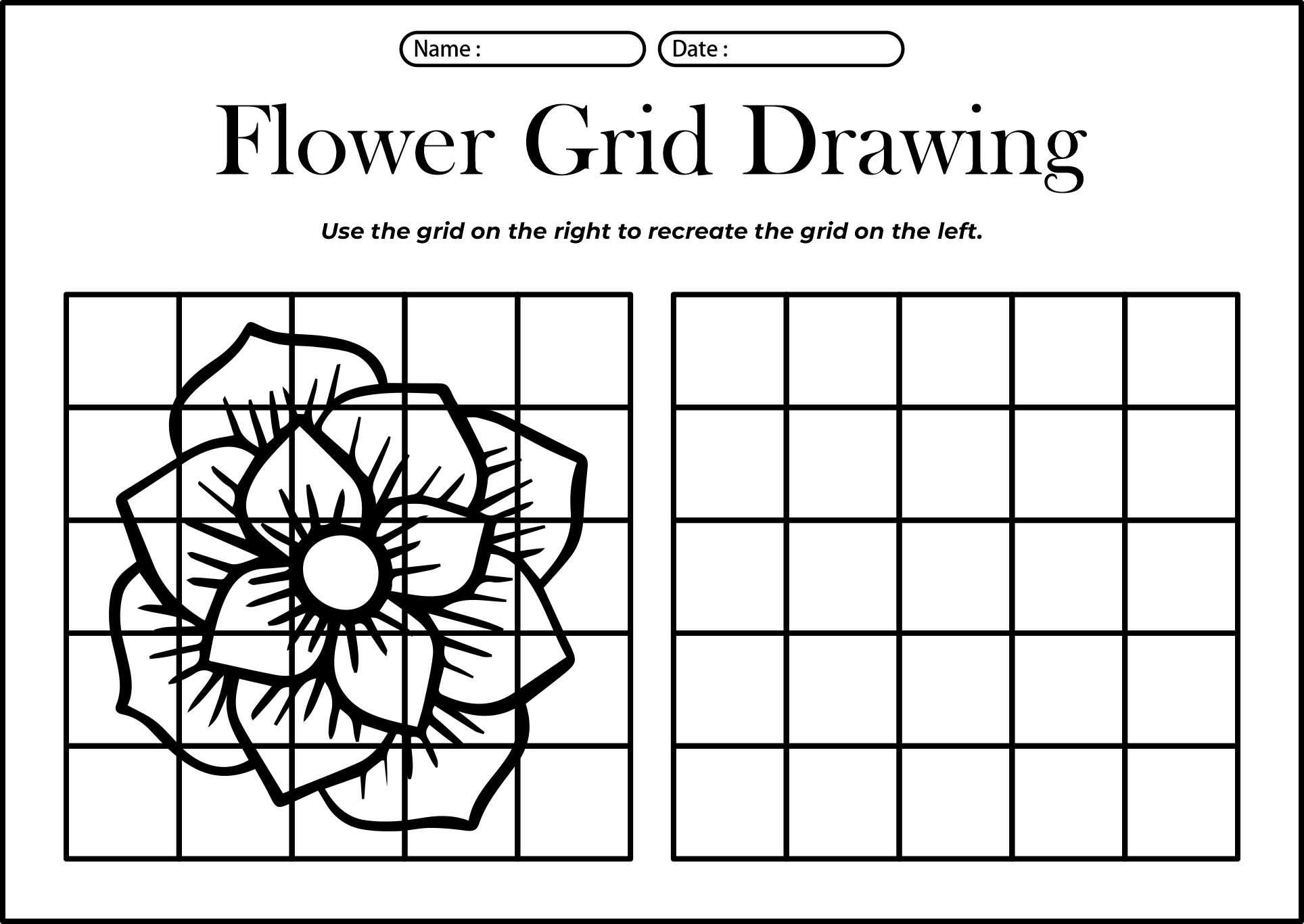
Grid drawing is a foundational cognitive and artistic technique that breaks a larger picture down into smaller, manageable square sections to teach proportion, spatial awareness, and direct observation skills. According to the National Art Education Association (NAEA), structured visual exercises actively support the development of hand-eye coordination and spatial reasoning by encouraging children to isolate individual visual details rather than processing complex wholes all at once. By overlaying a grid template onto printable worksheets, young learners can systematically transfer real-world imagery or photographic subjects square by square. This proven method removes the cognitive overwhelm often associated with early drawing attempts, transforming complex visual stimuli into achievable, coordinate-based challenges suitable for early childhood classrooms and homeschool environments. Exploring structured visual tools like Grid Drawing printables provides children with systematic pathways to master observational drawing without frustration. Educators often pair these geometric frameworks with Photo Flashcards to strengthen visual discrimination, photographic literacy, and shape recognition before pencil hits paper. Integrating these hands-on printable exercises into daily routines bridges the gap between raw artistic expression and precise perceptual accuracy.
Visual Learning & Skill Snapshot:
- Core Focus: Grid drawing is a proportional observation method that subdivides complex images into coordinate-based squares for accurate duplication.
- Target Skill: Spatial reasoning, visual discrimination, fine-motor proportion control, and analytical coordinate mapping.
- Key Recommendation: Start early learners with simple 2×2 or 3×3 grids using high-contrast real photo subjects before advancing to complex multi-square templates.
Core Principles and Visual Learning Overview
Grid drawing functions by leveraging the human brain’s natural ability to recognize patterns and relative spatial relationships within bounded geometric parameters. When children isolate a single square from a larger printable worksheet, attention shifts away from the abstract concept of the whole object—such as an animal or vehicle—and focuses entirely on abstract lines, curves, and negative space boundaries. This perceptual shift trains the visual cortex to measure angles and distances objectively, establishing cognitive benchmarks for scale and proportion that translate directly into mathematical and writing readiness. Incorporating diverse Educational Activities featuring grids ensures that children build dexterity across multiple subject areas, reinforcing spatial vocabulary like ‘horizontal,’ ‘vertical,’ ‘intersect,’ and ‘coordinate.’ As young artists manually replicate what appears inside each individual cell, fine motor muscles coordinate closely with visual input, solidifying bilateral coordination and pencil control.
Key Specifications and Breakdown
| Age / Learning Stage | Visual Skill & Grid Ratio | Pedagogical Application & Scaffolding |
|---|---|---|
| Ages 4-5 (Early Preschool) | 2×2 Grid with Bold Outlines | Focuses on basic shape tracking and simple line continuity using familiar photographic references. |
| Ages 6-7 (Early Elementary) | 3×3 to 4×4 Grid Standard | Develops proportional scaling, spatial coordinate mapping, and precise pencil control. |
| Ages 8+ (Advanced Beginners) | 6×6+ Complex Multi-Square | Enhances advanced observational accuracy, negative space analysis, and detailed rendering. |
Systematic visual isolation and grid-based proportion tasks measurably accelerate spatial-visual processing and fine motor accuracy in early childhood development. — National Art Education Association (NAEA)
Step-by-Step Practical Application and Printing Guidelines
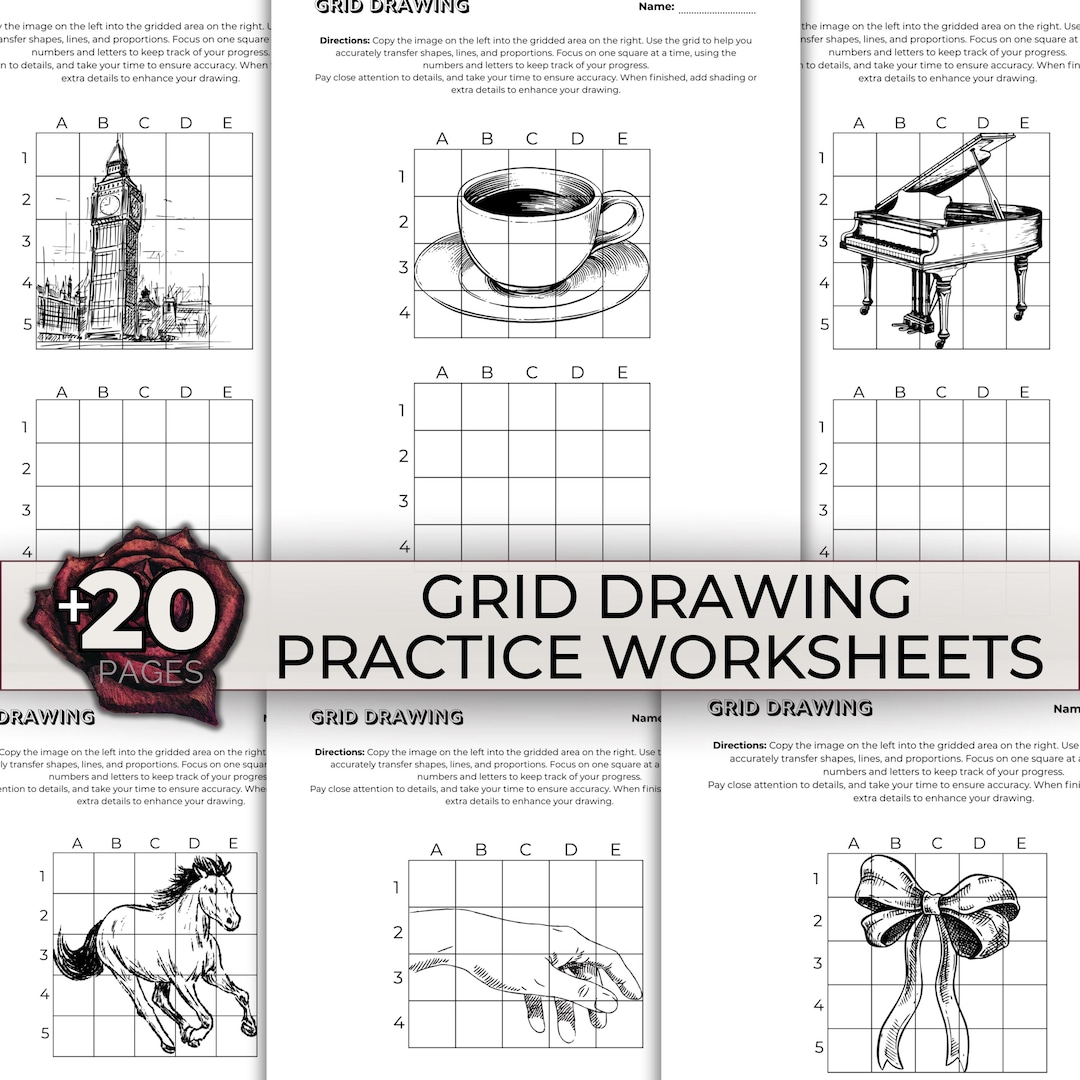
Executing a successful grid drawing session begins with selecting high-resolution printable worksheets that pair a clear photographic reference with an identical target grid below or beside it. Educators should print materials on heavy cardstock to prevent tearing and pencil bleed-through when young hands press down during sketching. Instruct children to number or letter the grid axes horizontally and vertically, teaching them to locate specific coordinates (such as square B-2) before drawing the lines contained within that specific cell. Encourage learners to complete the grid square by square in a systematic left-to-right, top-to-bottom reading order, which reinforces foundational literacy scan patterns. Using soft-lead graphite pencils allows children to lightly sketch reference marks and erase stray proportions easily before darkening final lines with colored pencils or markers.
Common Challenges and How to Avoid Them
Overcoming early frustrations in grid drawing requires correcting common mistakes such as rushing proportions, losing grid coordinate placement, or attempting to draw the entire picture at once without square-by-square isolation. Children frequently become discouraged when lines drift out of alignment because they look at the entire reference photo instead of focusing exclusively on the boundaries of the active grid cell. To resolve this, educators can provide opaque cardboard or paper window cutouts that cover all surrounding squares, forcing the young artist to view only one single cell at a time. Emphasize that perfection is secondary to observational effort; remind children to measure distances from grid lines using their pencil tips as visual rulers, building confidence and analytical resilience through every printable session.
💬 Frequently Asked Questions
Explore More Free Learning Printables and Visual Activities on WePhotoAgency
Empowering young learners with structured visual tools fosters lifelong confidence in both art and academic problem-solving. Educators, parents, and homeschoolers are encouraged to explore the comprehensive resource library available at WePhotoAgency.com to discover an extensive collection of free printable worksheets, real photo flashcards, and skill-building educational activities designed to support every stage of early childhood cognitive development.
Visual Reference Gallery