Introduction
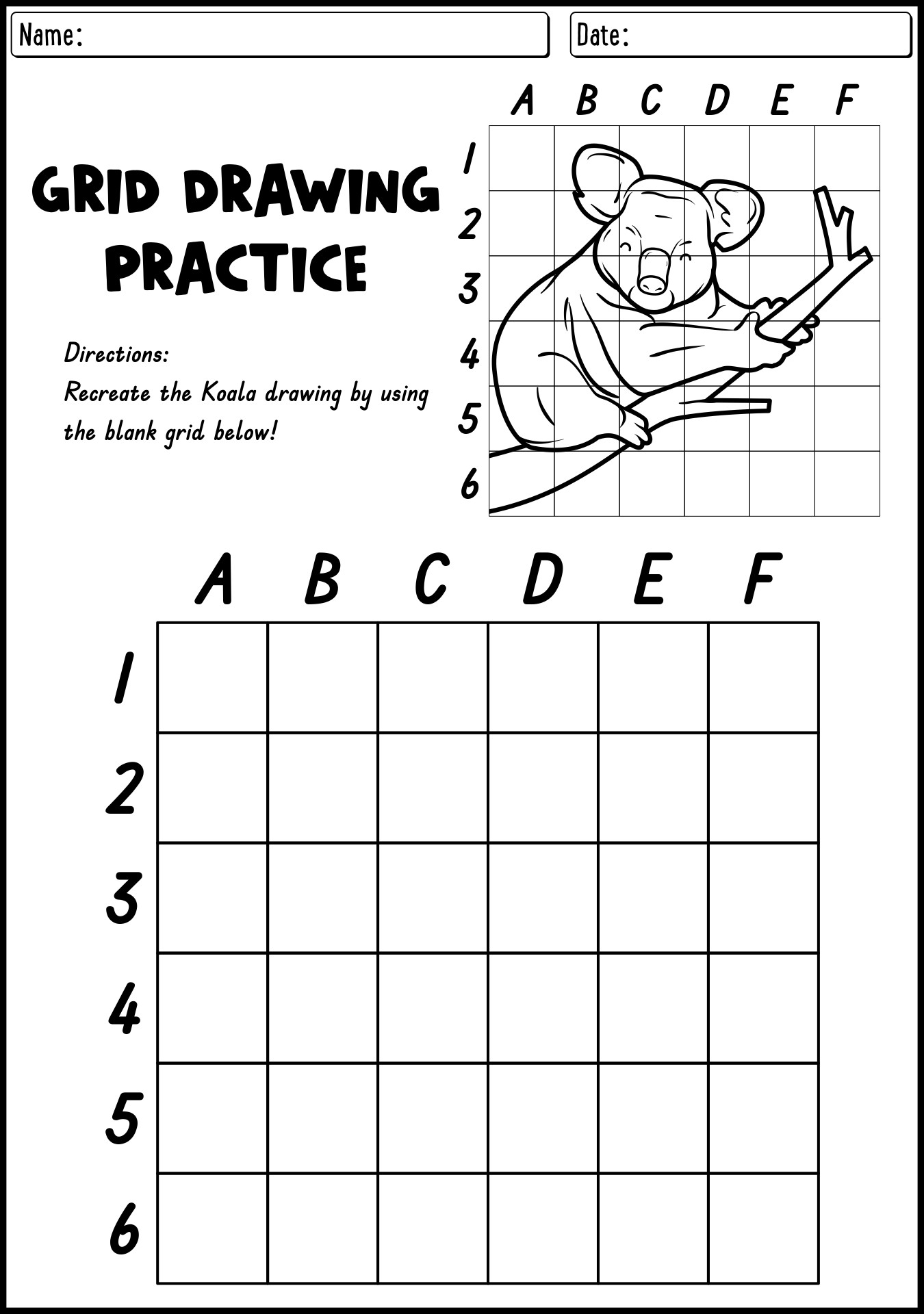
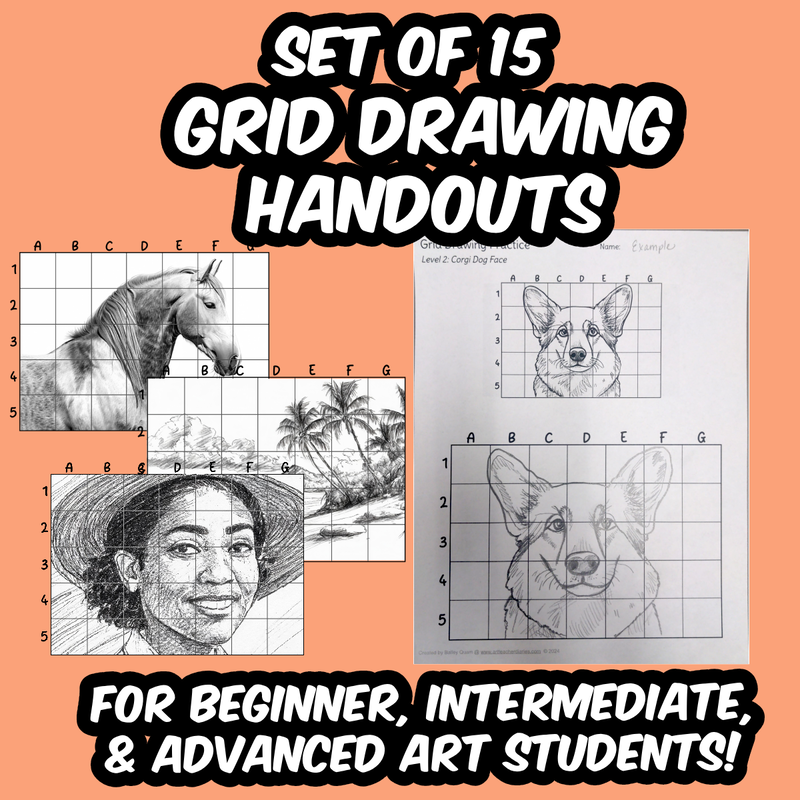
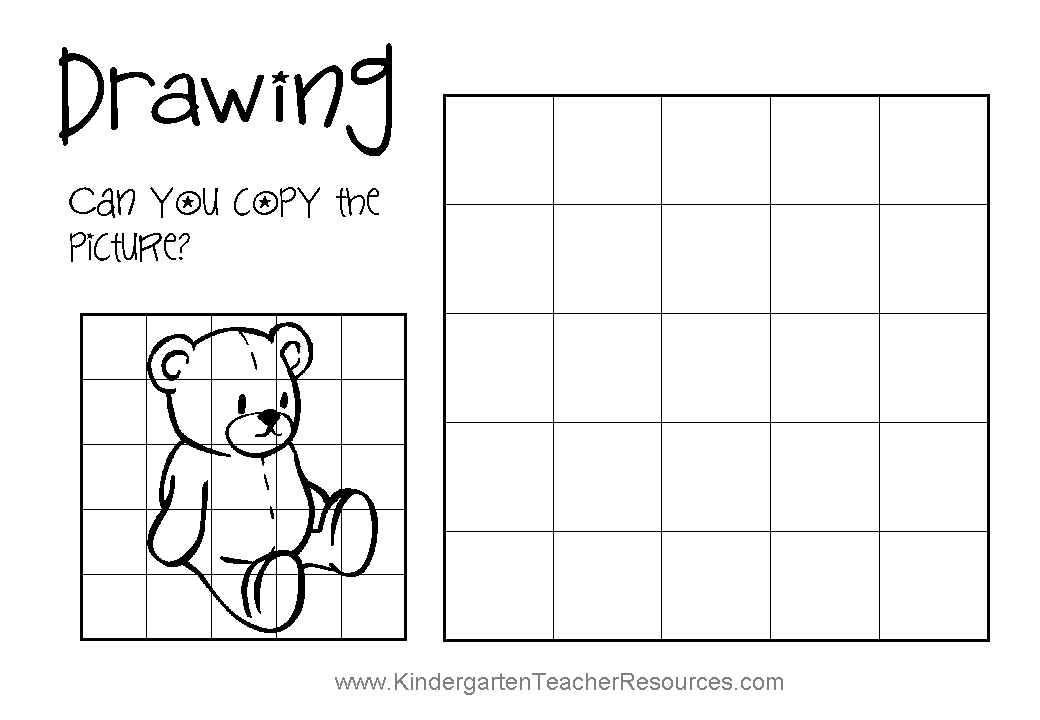
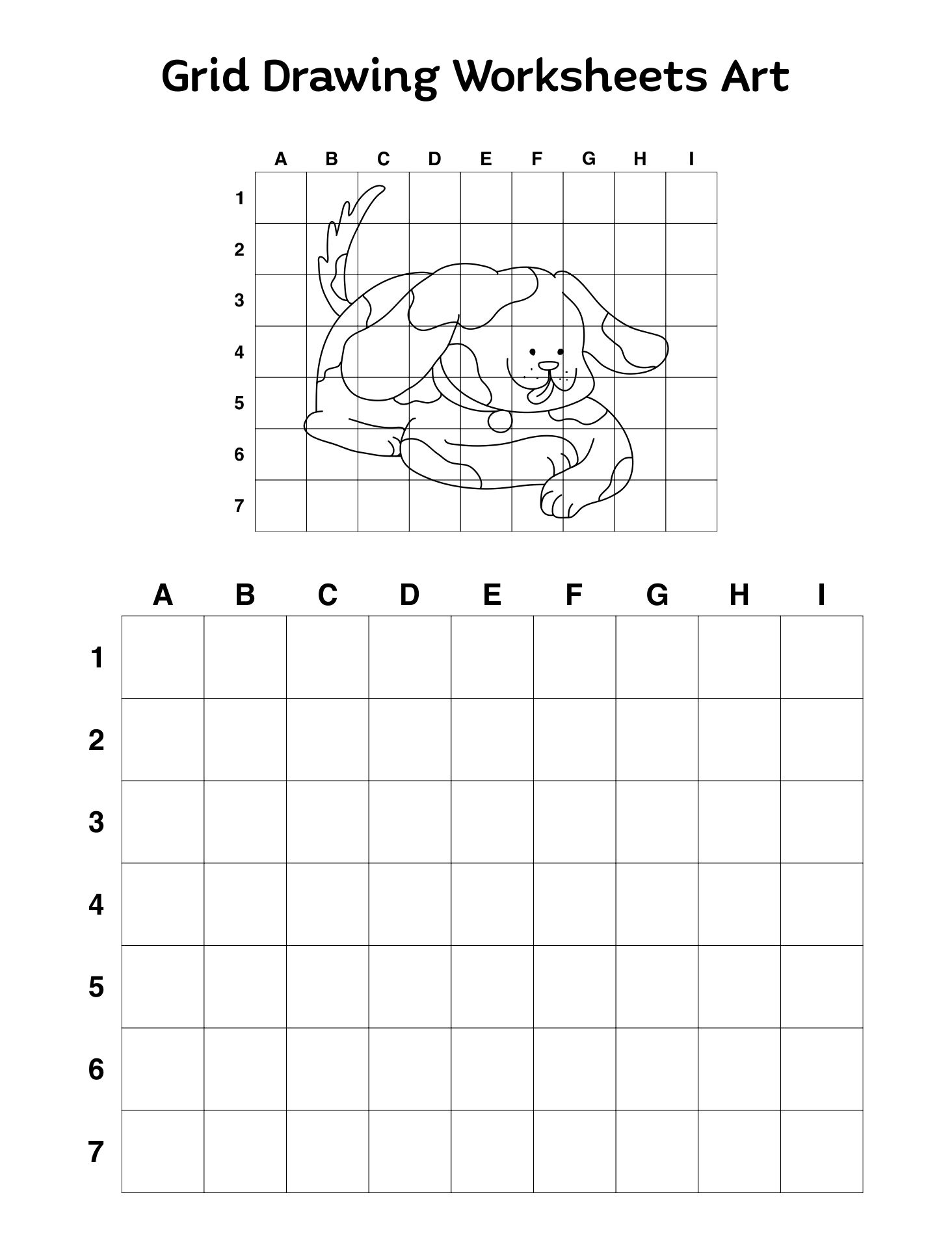
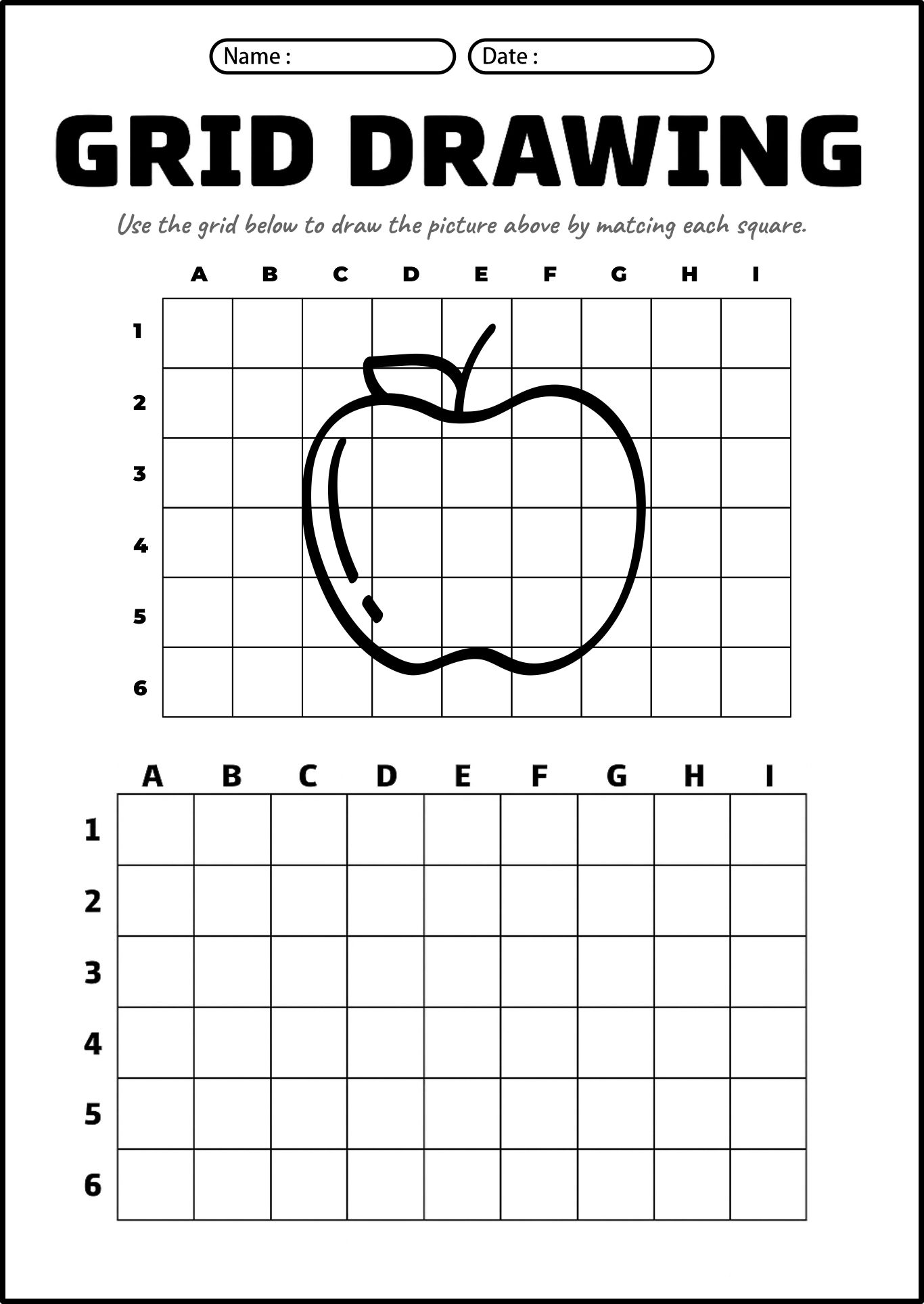
A grid drawing tutorial for beginners provides a systematic framework that breaks complex visual forms into manageable geometric coordinates to teach precise spatial estimation and observational accuracy. According to the National Art Education Association (NAEA), structured visual arts instruction fundamentally enhances children’s cognitive mapping and perceptual problem-solving abilities by connecting linear geometry with intuitive hand-eye coordination. Utilizing printable Grid Drawing worksheets allows educators to scaffold artistic challenges, transforming abstract images into concrete coordinates that early learners can decode step by step.
Visual Learning & Skill Snapshot:
- Core Focus: Systematic coordinate mapping for accurate visual proportion and scaled reproduction.
- Target Skill: Spatial reasoning, visual discrimination, fine-motor proportion, and photographic concept mastery.
- Key Recommendation: Pair simple 2×2 or 3×3 grids with high-contrast photo templates before advancing to complex multi-box compositions.
Core Principles and Visual Learning Overview
Grid drawing relies on coordinate mapping to train the human brain to draw what is actually seen rather than what is assumed to be there, bridging cognitive visual processing with tactile execution. When young artists align their focus square by square, they isolate visual information and reduce cognitive overload, a principle deeply aligned with structured Educational Activities designed for developing minds. Integrating real photo visual flashcards alongside these worksheets further sharpens concrete-to-abstract translation, enabling children to study real-world subjects such as animals, architecture, and nature with scientific precision.
Key Specifications and Breakdown
| Age / Learning Stage | Visual Skill & Grid Ratio | Pedagogical Application & Scaffolding |
|---|---|---|
| Ages 4–6 (Early Elementary) | 2×2 or 3×3 grid; basic shapes | Focuses on corner-to-corner line alignment using high-contrast photo references and bold grid lines. |
| Ages 7–9 (Intermediate Beginner) | 4×4 grid; organic contours | Encourages proportional estimation and negative space observation using detailed subject references. |
| Ages 10+ (Advanced Beginner) | 6×6 or higher; tonal values | Transitions from simple contour outlines to detailed shading, scaling, and precision measurement. |
Visual-spatial training through geometric breakdown significantly accelerates early cognitive mapping and observational accuracy. — National Art Education Association (NAEA)
Step-by-Step Practical Application and Printing Guidelines
Executing an effective grid drawing session requires clear, uncluttered print materials and explicit focus on one coordinate square at a time to prevent visual fatigue. Educators and parents should print worksheets on heavy cardstock to withstand repeated erasing and pencil pressure, ensuring that grid lines remain sharp and legible throughout the exercise. Students begin by identifying a single reference box—often enhanced by pairing lessons with Photo Flashcards—observing where lines intersect the grid borders, and replicating those exact line arcs into the corresponding blank square on their drawing sheet.
Common Challenges and How to Avoid Them
Young learners frequently struggle with losing their place on the grid or attempting to draw the entire subject at once instead of focusing on isolated squares. To counteract this tendency, educators should provide a movable cardboard “window” mask that isolates a single row or column, forcing the child to concentrate solely on the immediate coordinate box. Furthermore, validating incremental progress rather than demanding flawless proportions ensures that children maintain enthusiasm and develop genuine confidence in their fine-motor capabilities.
💬 Frequently Asked Questions
Explore More Free Learning Printables and Visual Activities on WePhotoAgency
Discover an extensive library of downloadable worksheets, cognitive development templates, and creative resources by visiting WePhotoAgency.com to elevate early childhood visual education today.
Visual Reference Gallery