Introduction
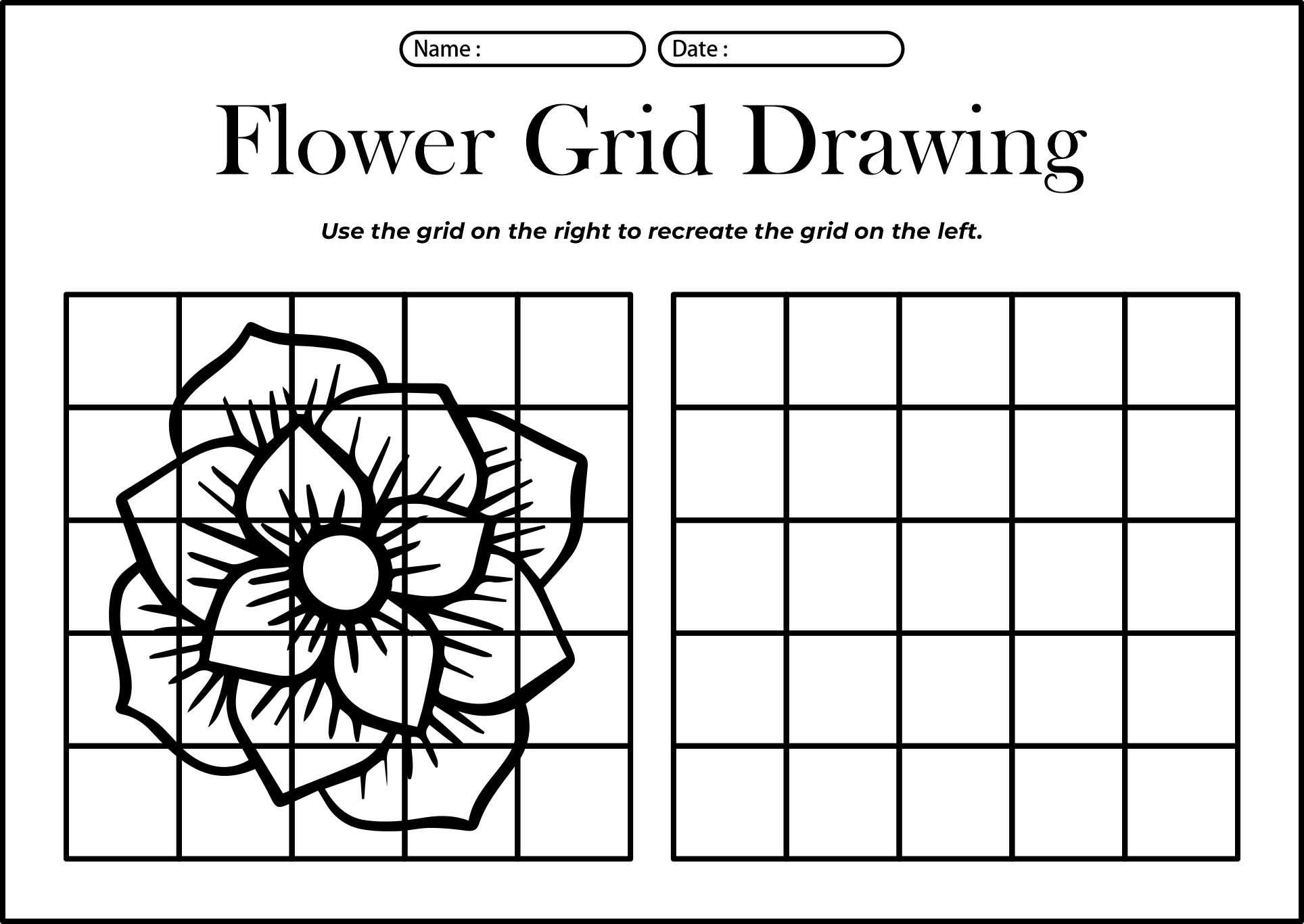
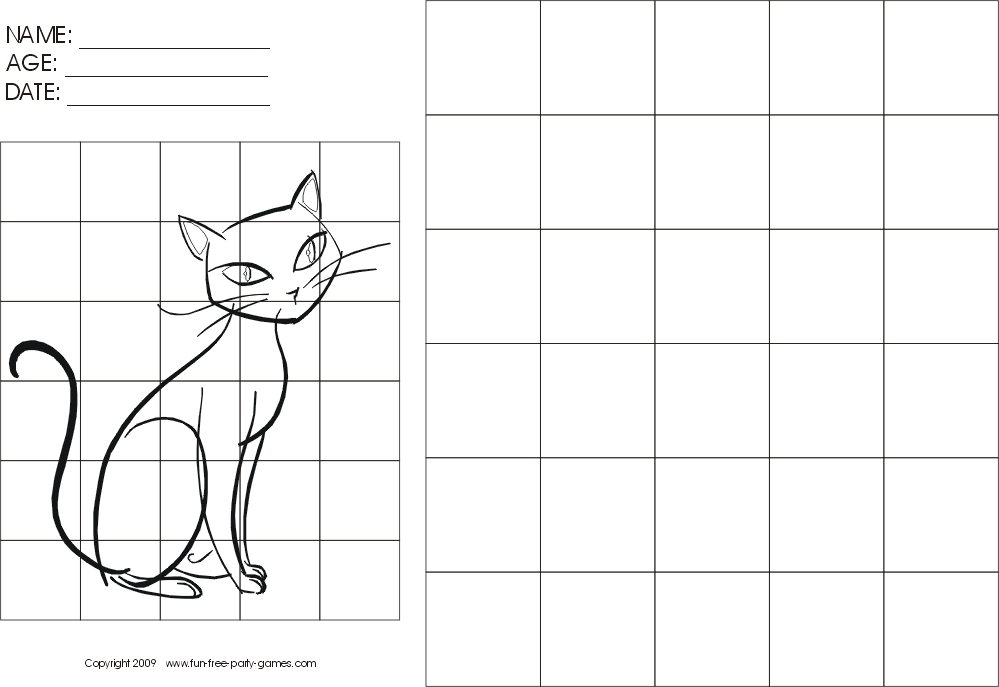
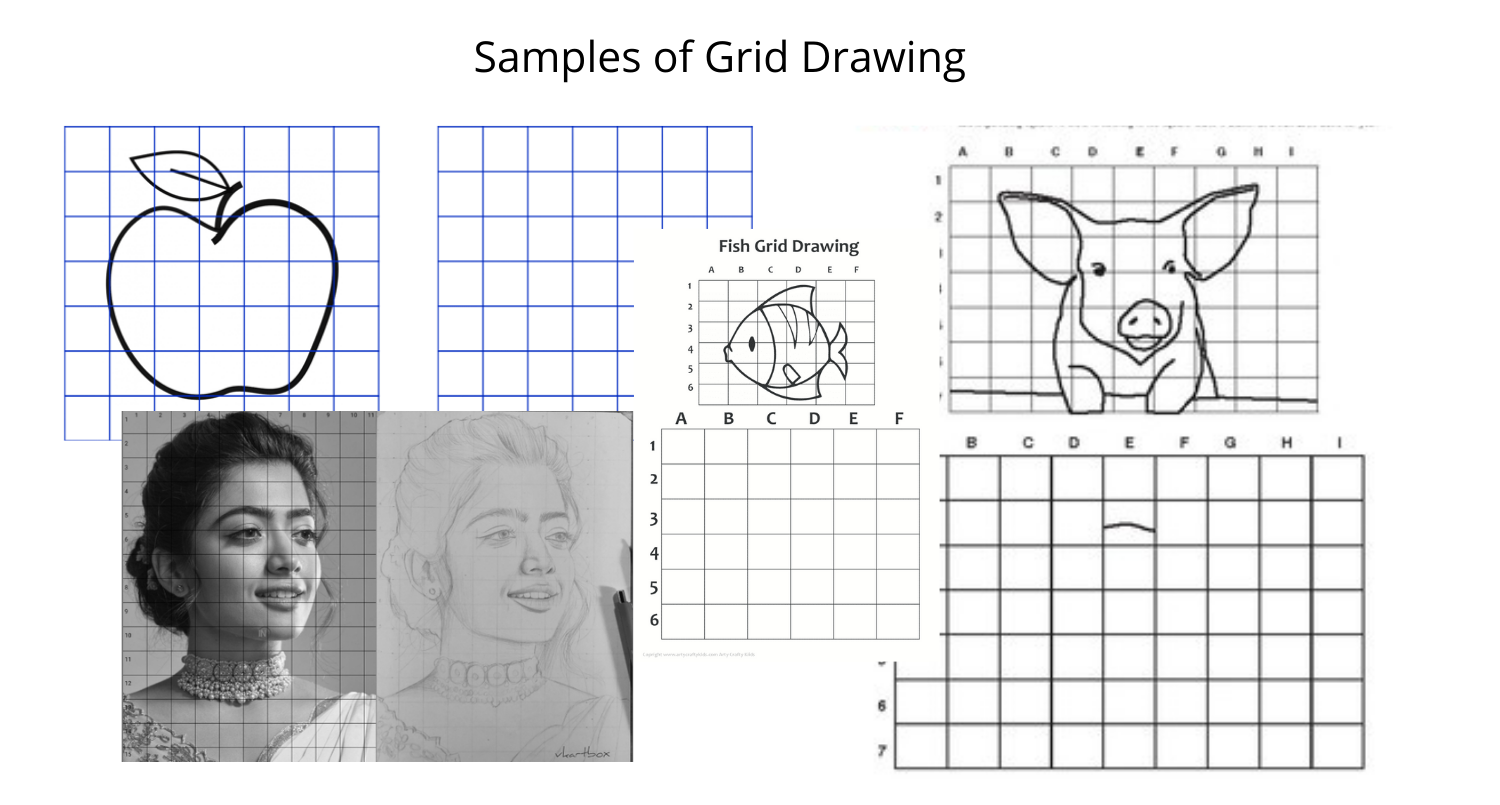
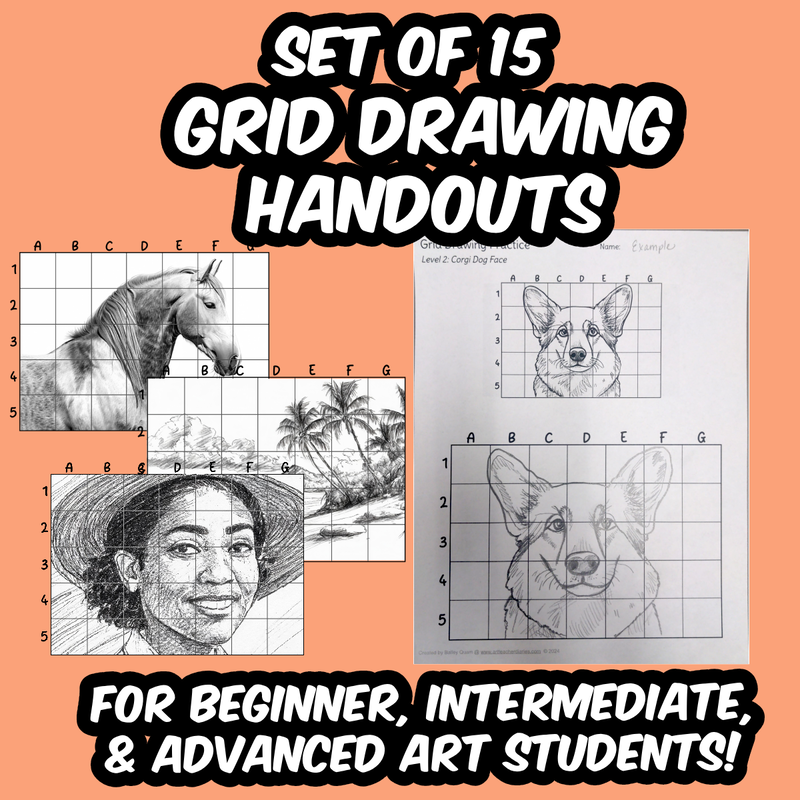
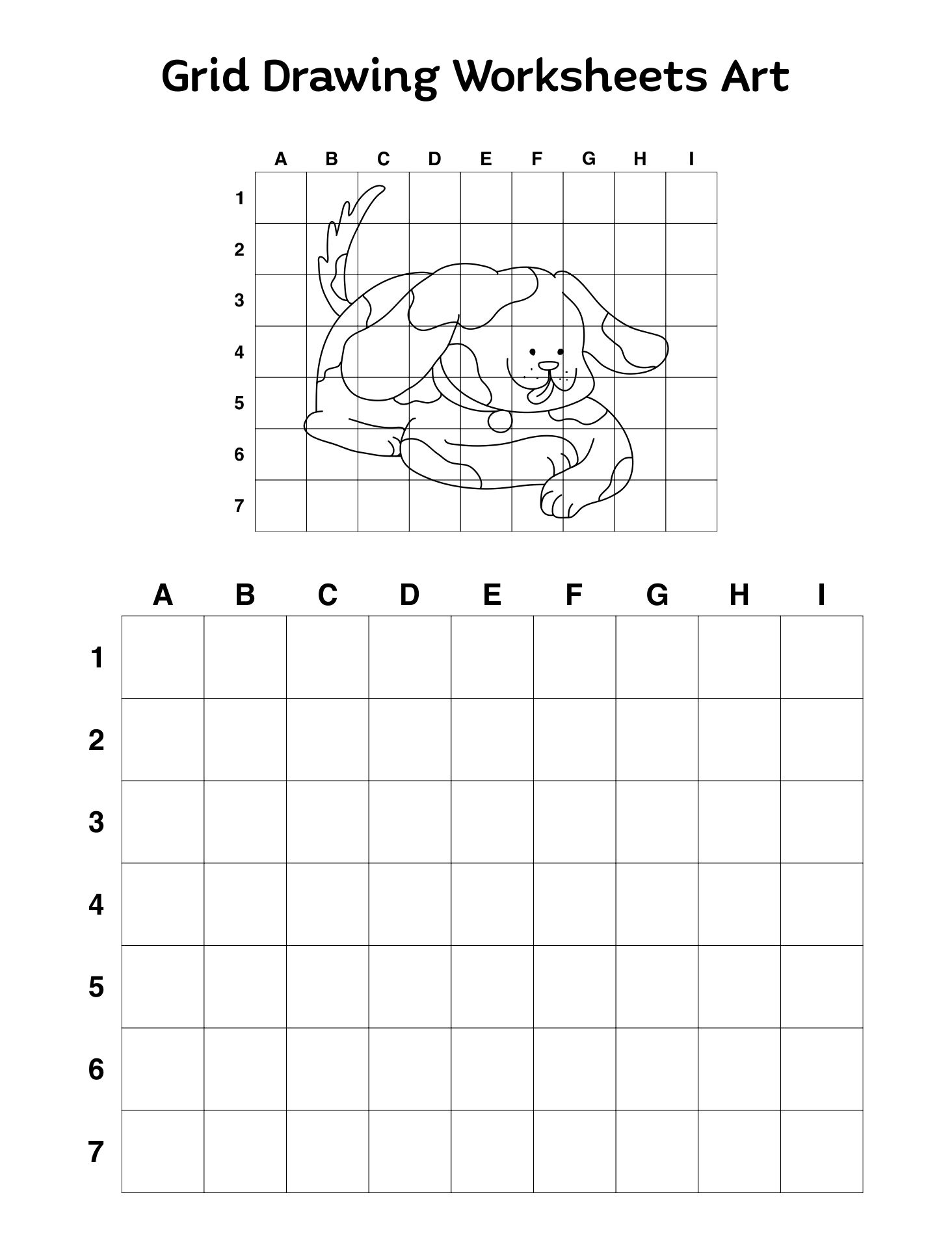
A grid drawing tutorial provides a systematic method for breaking complex visual imagery into manageable geometric squares, significantly improving spatial awareness and coordinate mapping in young learners. According to the National Art Education Association (NAEA), structured observational drawing exercises enhance hand-eye coordination and strengthen visual-spatial processing by teaching children to analyze proportions relative to surrounding boundaries. Educators utilize printable worksheets paired with real-world Photo Flashcards to transition abstract artistic concepts into concrete, highly achievable visual learning steps that foster early cognitive development.
Visual Learning & Skill Snapshot:
- Core Focus: Systematic coordinate-based visual copying using proportional reference squares.
- Target Skill: Spatial reasoning, visual discrimination, fine-motor proportion, and photo-based concept mastery.
- Key Recommendation: Pair high-contrast reference images with identical grid overlays to minimize cognitive overload during early learning exercises.
Core Principles and Visual Learning Overview
Grid drawing tutorials function by training the human brain to process visual stimuli as abstract lines, curves, and angles rather than heavily labeled symbolic objects. When children engage with specialized Grid Drawing printables, analytical thinking shifts away from trying to draw an entire complex subject all at once toward analyzing isolated coordinate squares one box at a time. This targeted method reduces performance anxiety, isolates fine-motor movements, and builds foundational observational accuracy that directly supports later geometry, reading comprehension, and advanced artistic mastery.
Key Specifications and Breakdown
| Age / Learning Stage | Visual Skill & Grid Ratio | Pedagogical Application & Scaffolding |
|---|---|---|
| Ages 4-5 (Early Pre-K) | 2×2 or 3×3 simple geometric grid | Focuses on tracing basic shapes and high-contrast photo flashcards to establish basic coordinate literacy. |
| Ages 6-7 (Early Elementary) | 4×4 balanced proportional grid | Encourages line replication from detailed real-world photographs to build sustained visual attention. |
| Ages 8-9 (Advanced Elementary) | 6×6 intricate detail grid | Teaches advanced scale translation, proportion estimation, and independent artistic self-correction. |
Systematic visual division and modular observation exercises measurably accelerate spatial estimation and coordinate mapping skills in developing children. — National Art Education Association (NAEA)
Step-by-Step Practical Application and Printing Guidelines
Executing an effective grid drawing tutorial requires selecting high-contrast reference imagery, aligning print scales precisely, and guiding the learner to work systematically from top-left to bottom-right. Educators and parents should print identical grid matrices on both the reference picture and the blank working sheet to eliminate scale translation errors for younger children. Integrating structured Educational Activities alongside these printouts ensures that learners connect abstract drawing coordinates directly to real-world objects, animals, and botanical specimens captured in high-definition photographs.
Common Challenges and How to Avoid Them
Frustration during grid drawing tutorials typically arises when learners attempt to fill in multiple boxes simultaneously or become overwhelmed by intricate background details in reference photos. Adults can prevent this by using opaque paper or index cards to cover all inactive grid squares, forcing the child to focus exclusively on one isolated box at a time. Emphasizing that perfection is secondary to careful observation helps maintain engagement while steadily improving hand-eye coordination and line precision.
💬 Frequently Asked Questions
Explore More Free Learning Printables and Visual Activities on WePhotoAgency
Accessing comprehensive visual learning resources empowers educators and parents to build robust, engaging curricula that inspire lifelong creativity and cognitive growth. Discover an extensive collection of professional teaching tools, printable worksheets, and interactive resources by visiting WePhotoAgency.com today.
Visual Reference Gallery