Introduction
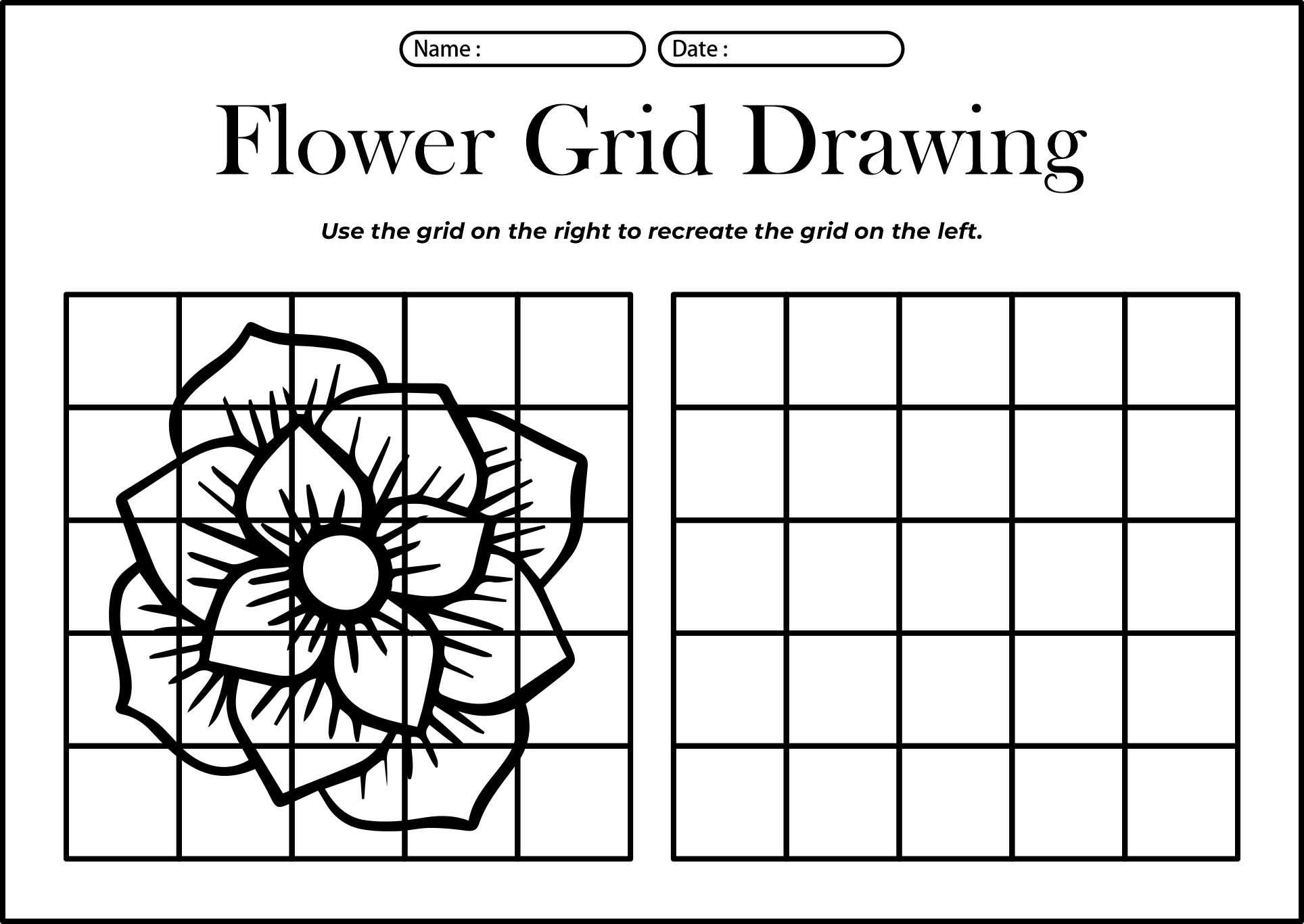
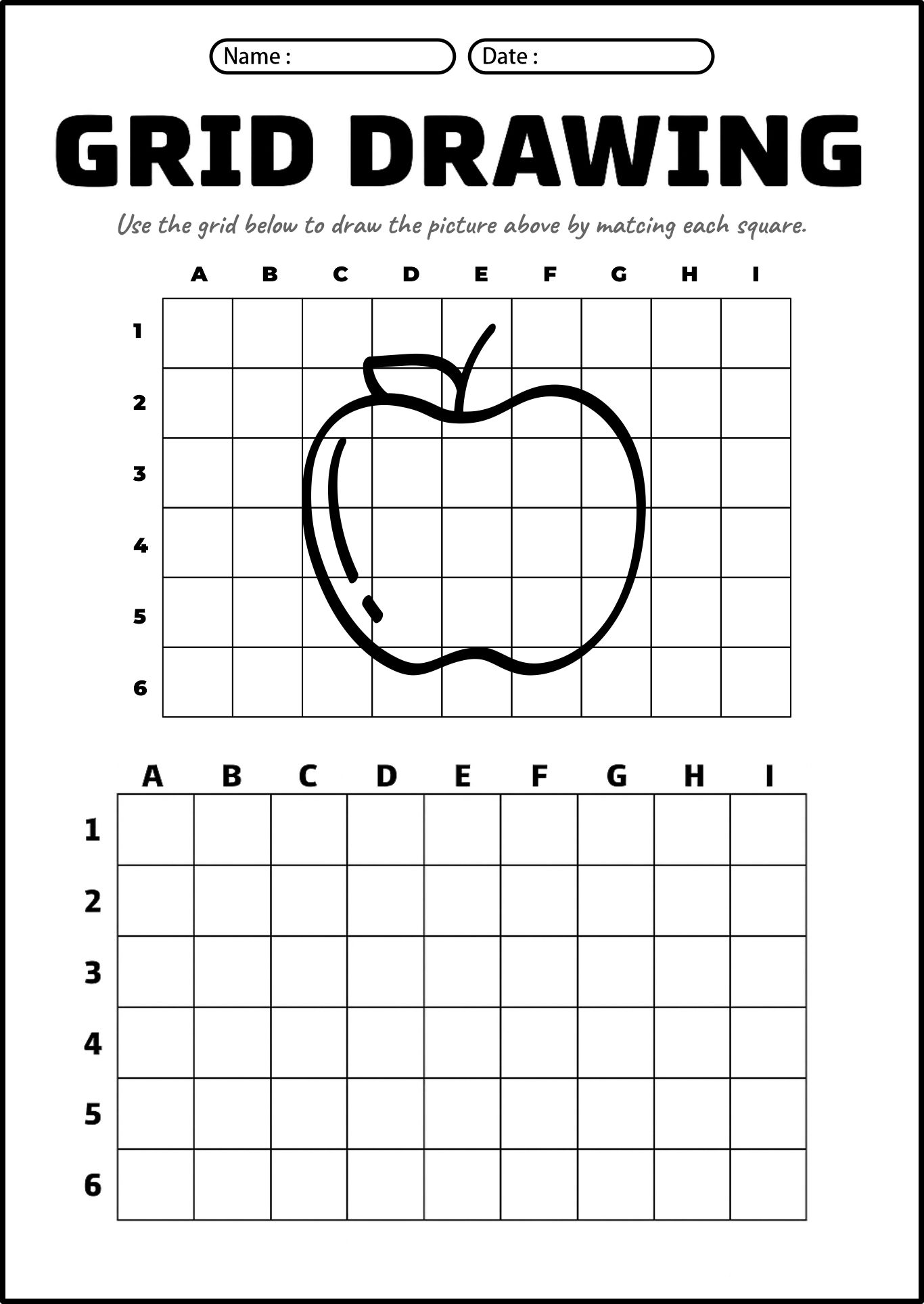
A grid drawing online tool converts standard photographic images into segmented, square-referenced worksheets designed to build children’s spatial awareness and observational accuracy. According to the National Art Education Association (NAEA), structured visual observation and proportional tracking methods significantly enhance foundational cognitive processing and fine-motor coordination in early childhood learners. Utilizing digital platforms to generate customized Grid Drawing exercises bridges the gap between abstract visual perception and concrete drawing mastery. Integrating real-world images into structured templates allows educators and parents to transform everyday photographs into cognitive mapping challenges. This methodical approach breaks complex visual inputs into manageable sections, easing the transition from raw sight to intentional artistic expression.
Visual Learning & Skill Snapshot:
- Core Focus: Digital generation of segmented reference grids over real photographic source material.
- Target Skill: Spatial reasoning, proportional estimation, visual discrimination, and hand-eye coordination.
- Key Recommendation: Pair simple 3×3 photo grids with tactile drawing tools to build early confidence.
Core Principles and Visual Learning Overview
Visual compartmentalization serves as the primary cognitive mechanism behind successful grid-based artistic execution. When young learners look at an entire picture, cognitive overload frequently hinders accurate motor response. By isolating small individual squares using a digital generator, the brain processes lines, angles, and negative space independently from the larger picture. This technique aligns closely with principles found in effective Photo Flashcards, where isolated visual stimuli promote faster cognitive recognition. Children learn to scan coordinates, compare line orientation across borders, and transfer exact measurements from a source image to a blank template. Educators often observe dramatic improvements in observational rigor once children grasp the concept of square-by-square mapping.
Key Specifications and Breakdown
| Age / Learning Stage | Visual Skill & Grid Ratio | Pedagogical Application & Scaffolding |
|---|---|---|
| Ages 4–6 (Early Preschool) | Basic 2×2 or 3×3 Grid; high-contrast objects. | Focuses on simple shape identification and foundational fine-motor pencil control. |
| Ages 7–9 (Early Elementary) | Standard 4×4 Grid; nature and animal subjects. | Enhances proportional measurement, angle estimation, and multi-step visual tracking. |
| Ages 10+ (Advanced Primary) | Complex 5×5+ Grid; architectural or portrait details. | Builds advanced spatial discipline, shading awareness, and meticulous observation habits. |
Visual-spatial training through structured geometric partitioning significantly accelerates cognitive mapping and perceptual accuracy in young children. — National Art Education Association (NAEA)
Step-by-Step Practical Application and Printing Guidelines
Executing an effective grid-based drawing activity requires careful preparation of both the digital source and the printed physical worksheet. Selecting a clear, high-contrast photograph ensures that grid lines do not obscure vital details necessary for the child’s observation process. Once the grid layout is finalized through a digital interface, print both the gridded reference photo and a matching blank grid on heavyweight paper to prevent tearing during repeated erasing. Encourage children to cover all squares except the active target coordinate using a blank index card, isolating the immediate field of vision. This technique forces focused concentration and prevents the visual distraction often caused by scanning an entire complex worksheet at once.
Common Challenges and How to Avoid Them
Frustration during grid-based art projects typically stems from selecting overly dense grids or complex source images that exceed the child’s developmental milestone. Educators should avoid starting with high-density grids containing more than sixteen total squares for beginners, as tiny coordinates overwhelm developing fine-motor control. When children draw a line in the wrong coordinate square, resist the urge to erase it immediately; instead, guide the learner to examine the surrounding negative space and compare coordinates collaboratively. Integrating structured Educational Activities alongside digital worksheets ensures that young participants maintain enthusiasm while steadily mastering proportions and spatial accuracy.
💬 Frequently Asked Questions
Explore More Free Learning Printables and Visual Activities on WePhotoAgency
Expanding a child’s cognitive and artistic repertoire requires consistent access to diverse, high-quality visual resources. Explore the comprehensive digital library at WePhotoAgency.com to discover an expansive collection of printable worksheets, creative exercises, and specialized visual learning assets designed for parents, educators, and homeschool environments.
Visual Reference Gallery