Introduction
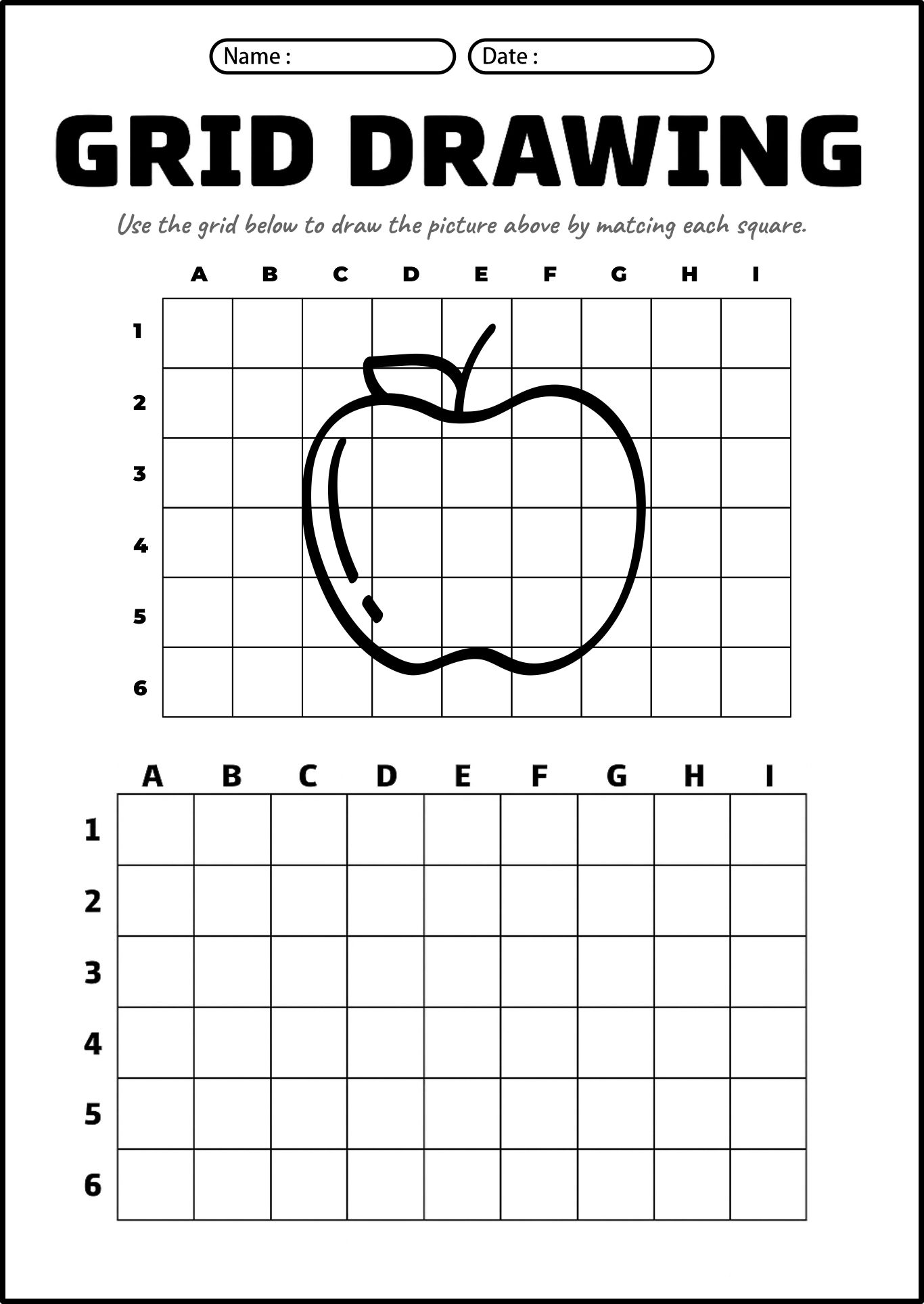
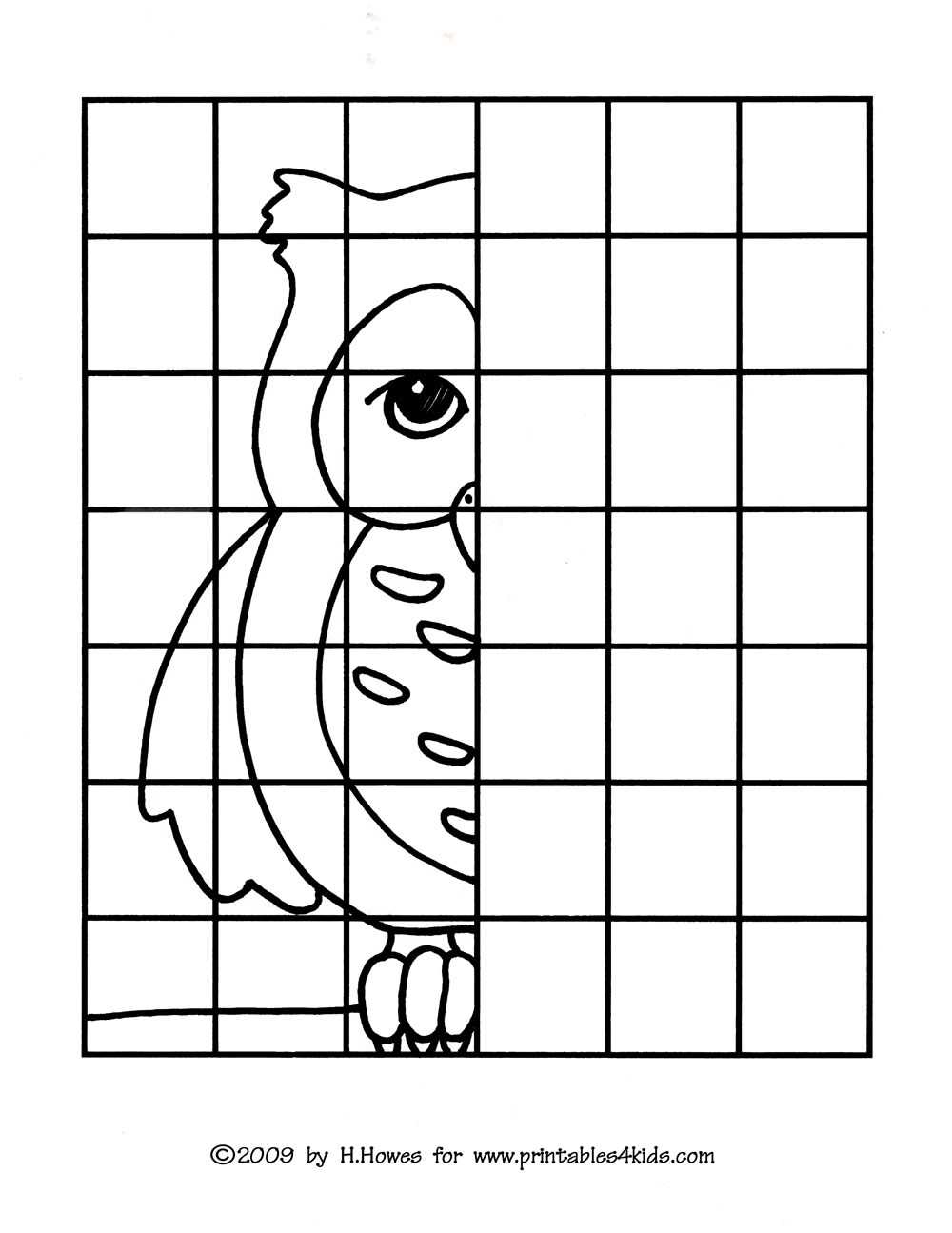
A grid drawing reference is a foundational visual learning tool that divides complex photographic or artistic subjects into manageable coordinate squares to teach spatial awareness, coordinate mapping, and proportion estimation to developing children. According to the National Art Education Association (NAEA), structured observational drawing techniques effectively scaffold visual-spatial literacy and fine-motor precision during early childhood development. By translating whole photographs into bounded matrix segments, educators help young learners conquer visual overwhelm and break down intricate shapes into simple lines, angles, and curves.
Visual Learning & Skill Snapshot:
- Core Focus: Utilizing a grid drawing reference to teach coordinate-based visual reproduction and proportion scaling.
- Target Skill: Spatial reasoning, visual discrimination, fine-motor proportion, and photo-based concept mastery.
- Key Recommendation: Pair high-contrast photo flashcards with matching simple grids to bridge real-world observation and abstract rendering.
Core Principles and Visual Learning Overview
Spatial reasoning develops most effectively when young children learn to isolate visual data into discrete sections rather than attempting to render an entire complex object simultaneously. Utilizing a systematic grid drawing reference teaches the human brain to evaluate relative positioning, negative space, and line intersections with mathematical accuracy. When integrated alongside real photo Photo Flashcards, these structured exercises bridge the gap between photographic reality and abstract artistic representation. Children transition from generalized scribbling to intentional observation, carefully mapping coordinates from a reference image onto a blank target grid.
Key Specifications and Breakdown
| Age / Learning Stage | Visual Skill & Grid Ratio | Pedagogical Application & Scaffolding |
|---|---|---|
| Ages 4-5 (Early Explorers) | 2×2 Matrix, Large Cells | Focuses on basic shape identification and simple lines using high-contrast photo references. |
| Ages 6-7 (Emerging Artists) | 3×3 or 4×4 Matrix, Moderate Cells | Teaches coordinate tracking and proportional scaling of everyday objects and animals. |
| Ages 8-10 (Advanced Beginners) | 5×5+ Matrix, Detailed Cells | Enhances precision, complex curve rendering, and independent self-correction skills. |
Breaking complex visual stimuli into smaller coordinate units significantly reduces cognitive load and enhances perceptual accuracy in early elementary learners — National Art Education Association (NAEA)
Step-by-Step Practical Application and Printing Guidelines
Executing a successful grid-based drawing session requires high-contrast printing, durable paper stock, and clear, distraction-free reference sheets designed for small hands. Educators should begin by selecting clear Grid Drawing worksheets that feature bold coordinate lines and uncluttered subjects. Instruct learners to isolate one grid square at a time using an index card to block out surrounding visual noise. This targeted isolation technique forces the eyes to analyze individual lines, angles, and intersections without getting overwhelmed by the complete picture, reinforcing methodical problem-solving and sustained attention.
Common Challenges and How to Avoid Them
Young children frequently struggle with grid drawing references when they attempt to draw entire objects across multiple cells without checking coordinate alignments. To prevent frustration, teachers and homeschoolers should guide learners to identify specific anchor points where lines cross the grid borders before sketching the internal curves. Furthermore, supplying physical tools such as rulers or specialized Educational Activities helps maintain alignment and ensures physical stability during fine-motor execution.
💬 Frequently Asked Questions
Explore More Free Learning Printables and Visual Activities on WePhotoAgency
Enhance early childhood curriculums by exploring the complete collection of developmental resources available at WePhotoAgency.com. Educators, parents, and homeschoolers can access a vast library of printable worksheets, visual flashcards, and structured learning tools designed to inspire creativity and cognitive growth.
Visual Reference Gallery