Introduction
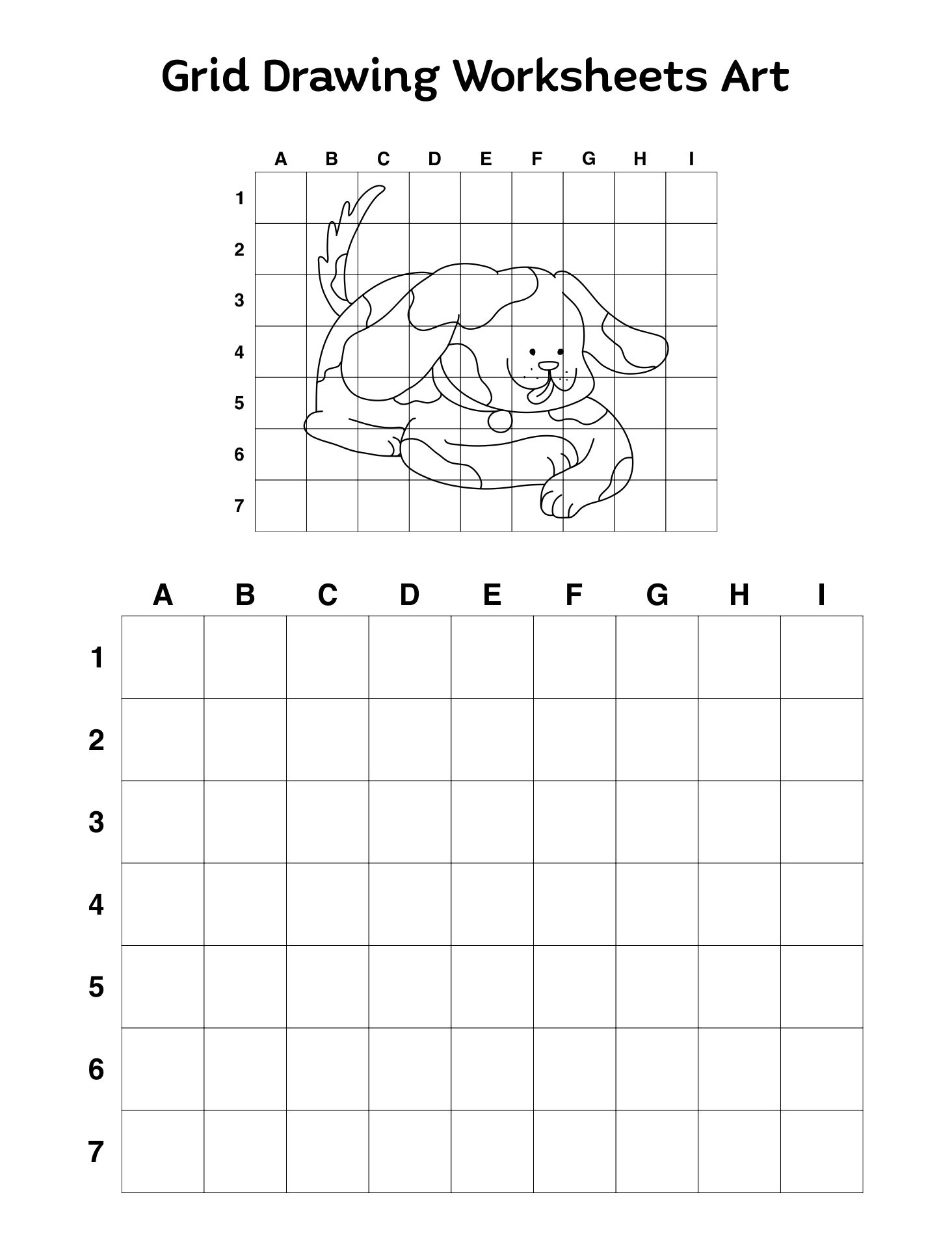
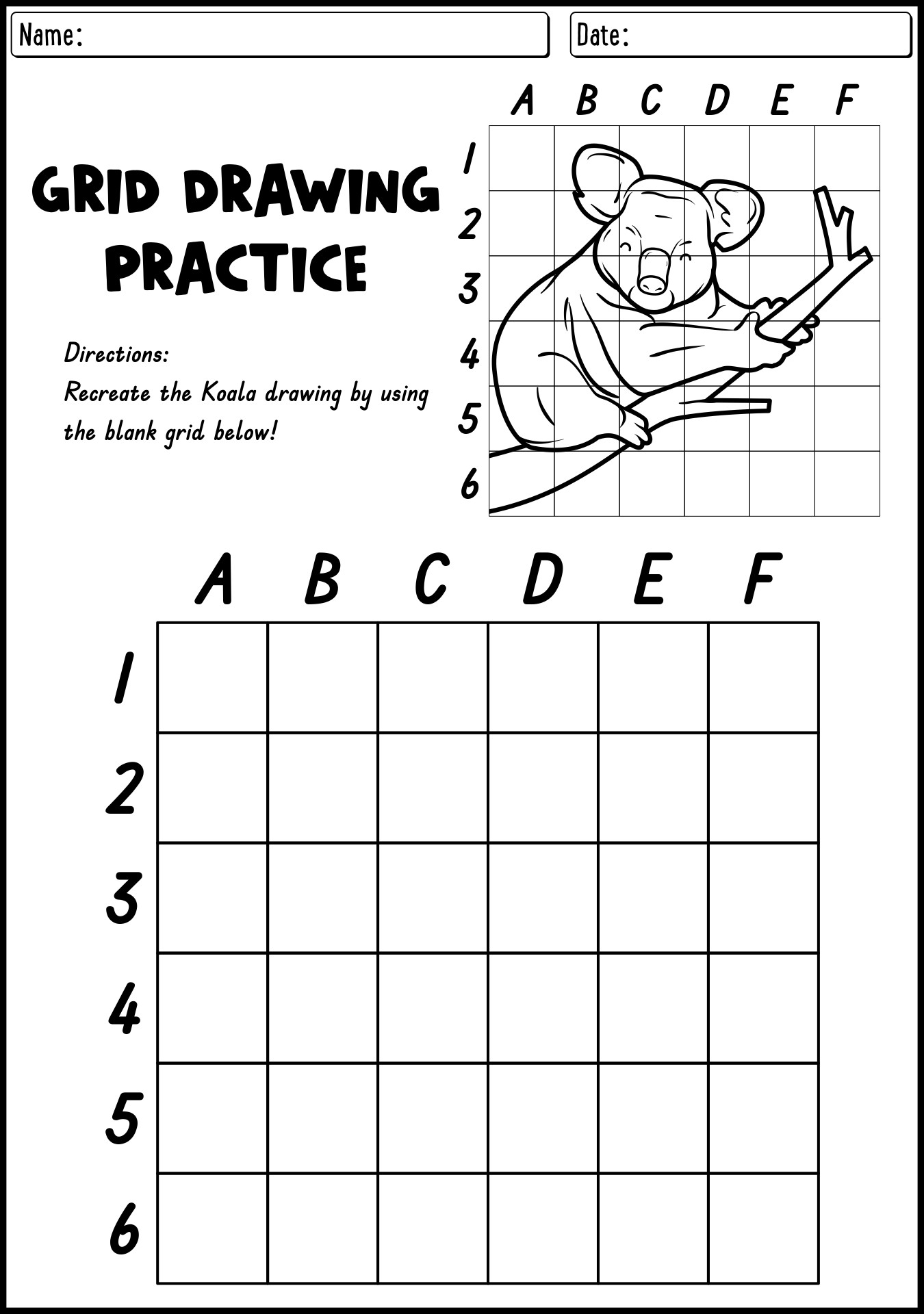
Drawing using grid method is a foundational visual arts technique that breaks complex photographic references into smaller, manageable coordinate squares to teach spatial awareness, coordinate mapping, and proportional scaling. According to the National Art Education Association (NAEA), structured visual observation exercises significantly accelerate fine-motor coordination and accurate perceptual mapping in early childhood learners. By dividing both the reference image and the blank drawing paper into identical coordinate matrices, children learn to isolate visual data, process individual spatial relationships, and systematically transfer complex forms onto paper. This method transforms intimidating visual subjects into achievable sectional puzzles, fostering profound cognitive confidence and precise hand-eye coordination among early elementary students, homeschoolers, and young artists.
Visual Learning & Skill Snapshot:
- Core Focus: Systematic spatial breakdown of reference photos using coordinate matrices.
- Target Skill: Spatial reasoning, visual discrimination, fine-motor proportion, and observation accuracy.
- Key Recommendation: Pair printable worksheets with real photo visual flashcards to bridge abstract coordinate mapping with concrete observational drawing.
Core Principles and Visual Learning Overview
Drawing using grid method operates on the perceptual principle of fractionated observation, compelling the human brain to bypass holistic assumptions and focus exclusively on line angles, negative space, and intersecting coordinates within a bounded square. When children utilize Grid Drawing printables alongside high-resolution Photo Flashcards, cognitive processing shifts from generic symbol drawing to objective contour and proportion analysis. Each individual grid cell serves as an isolated visual puzzle, allowing young learners to replicate curves and straight lines without feeling overwhelmed by the entire composition. Educators integrate these materials into daily Educational Activities to cultivate advanced mathematical mapping, cognitive tracking, and disciplined observational habits essential for both artistic and scientific visualization.
Key Specifications and Breakdown
| Age / Learning Stage | Visual Skill & Grid Ratio | Pedagogical Application & Scaffolding |
|---|---|---|
| Ages 4–6 (Early Years) | 2×2 or 3×3 simple large squares | Focuses on basic shape recognition and simple coordinate tracking using high-contrast photo flashcards. |
| Ages 7–9 (Early Elementary) | 4×4 moderate coordinate grid | Develops proportional measurement, angle estimation, and multi-step visual concentration. |
| Ages 10+ (Advanced Primary) | 6×6 or higher detailed matrix | Refines intricate detail transfer, shading gradients, and advanced perspective accuracy. |
Structured visual arts instruction accelerates cognitive spatial mapping and geometric proportion estimation by converting holistic visual processing into sequential algorithmic analysis. — National Art Education Association (NAEA). For more related activities, check out our Drawing Portraits With Grid Lines.
Step-by-Step Practical Application and Printing Guidelines
Drawing using grid method requires precise alignment between the reference source and the working sheet to ensure accurate spatial translation. Educators should print worksheets using high-contrast settings on heavyweight matte paper to prevent distracting bleed-through and ensure clean gridlines remain clearly visible during pencil sketching. Begin the exercise by instructing young learners to number and letter the axes (e.g., numbers horizontally, letters vertically) to reinforce coordinate literacy. Encourage students to select one single grid square at a time, starting from the top-left corner, and analyze where lines intersect specific grid coordinates before executing their pencil strokes. This methodical, cell-by-cell progression prevents cognitive overload, minimizes rushing, and guarantees accurate proportional scaling from reference image to final artwork.
Common Challenges and How to Avoid Them
Drawing using grid method often presents early learners with initial hurdles, such as students attempting to draw the entire picture at once rather than focusing strictly on isolated grid squares. To resolve this common obstacle, provide opaque paper masks or cutout windows that allow children to cover all surrounding grid cells except the single square currently under active observation. Another frequent challenge involves improper pencil pressure, which makes erasing coordinate guidelines difficult; advise young artists to use a hard 2H pencil for light initial sketching before applying darker final outlines. By enforcing single-cell isolation and light preliminary sketching, educators can successfully eliminate frustration and foster sustained artistic concentration.
💬 Frequently Asked Questions
Explore More Free Learning Printables and Visual Activities on WePhotoAgency
Empowering young learners with exceptional observational tools begins by exploring the comprehensive resource library available at WePhotoAgency.com, where educators and parents discover a vast selection of professional printable worksheets, educational activities, and visual learning aids designed to stimulate cognitive growth and artistic mastery.
Visual Reference Gallery