Introduction
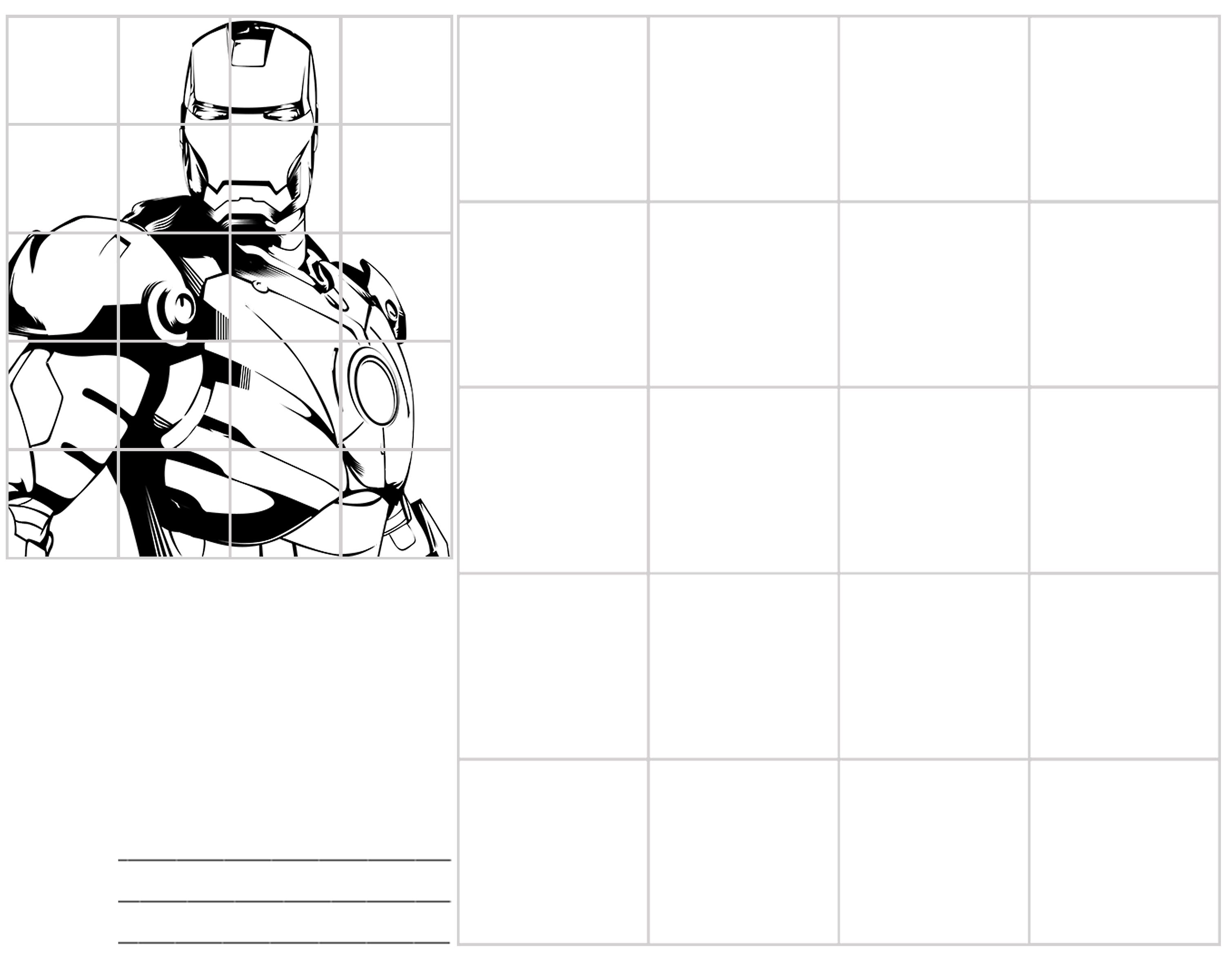
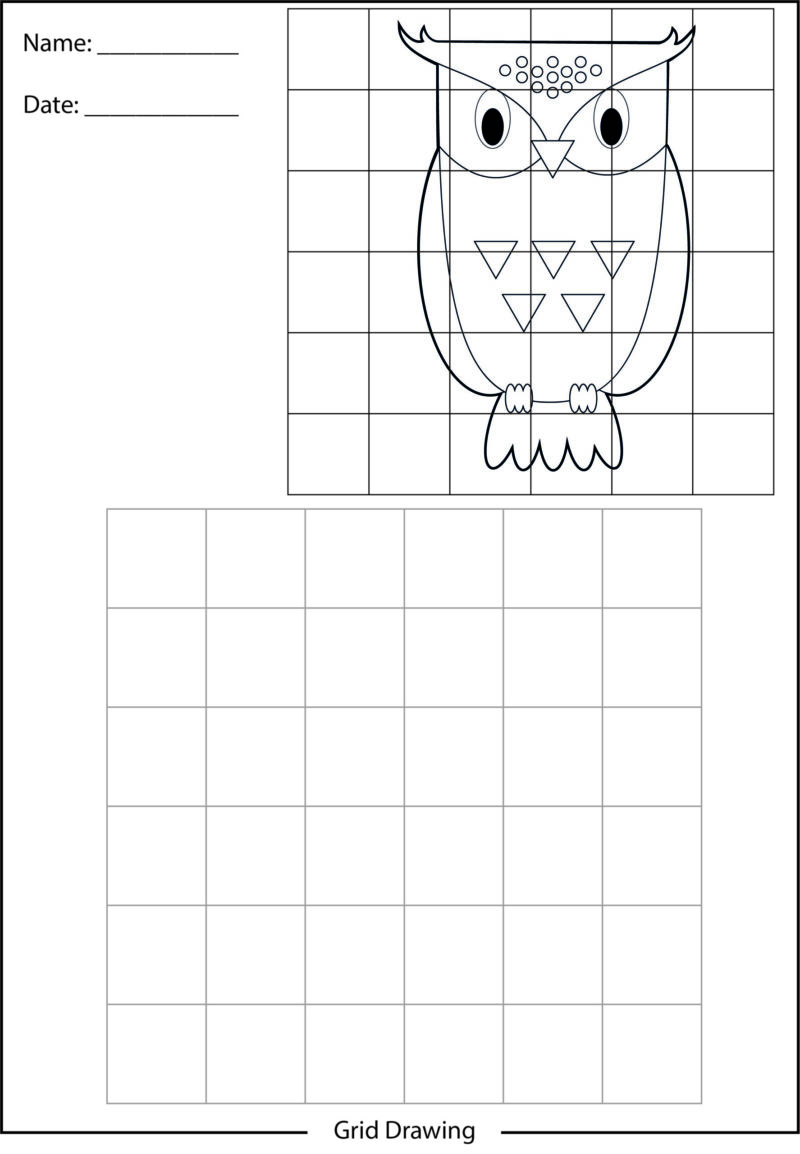
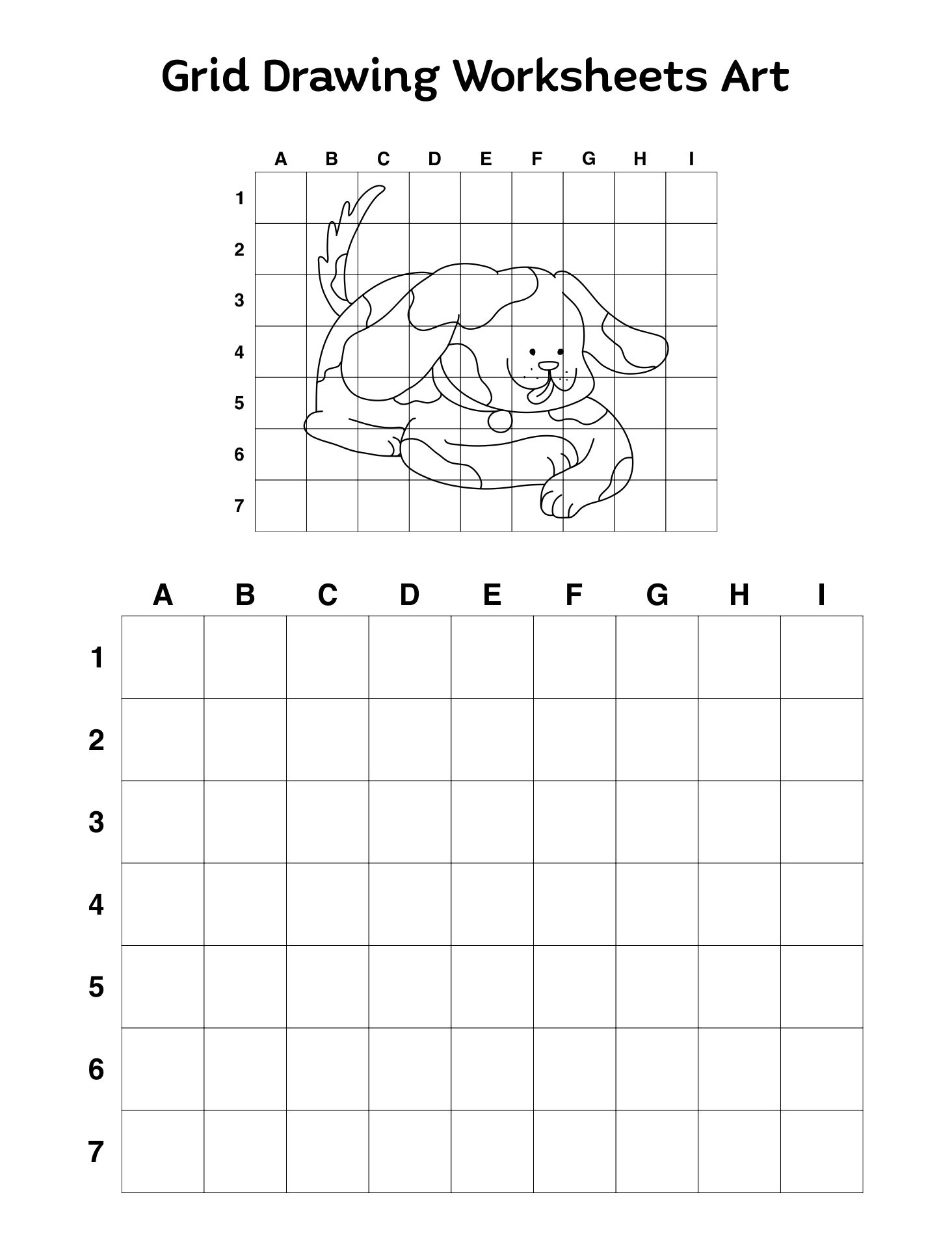
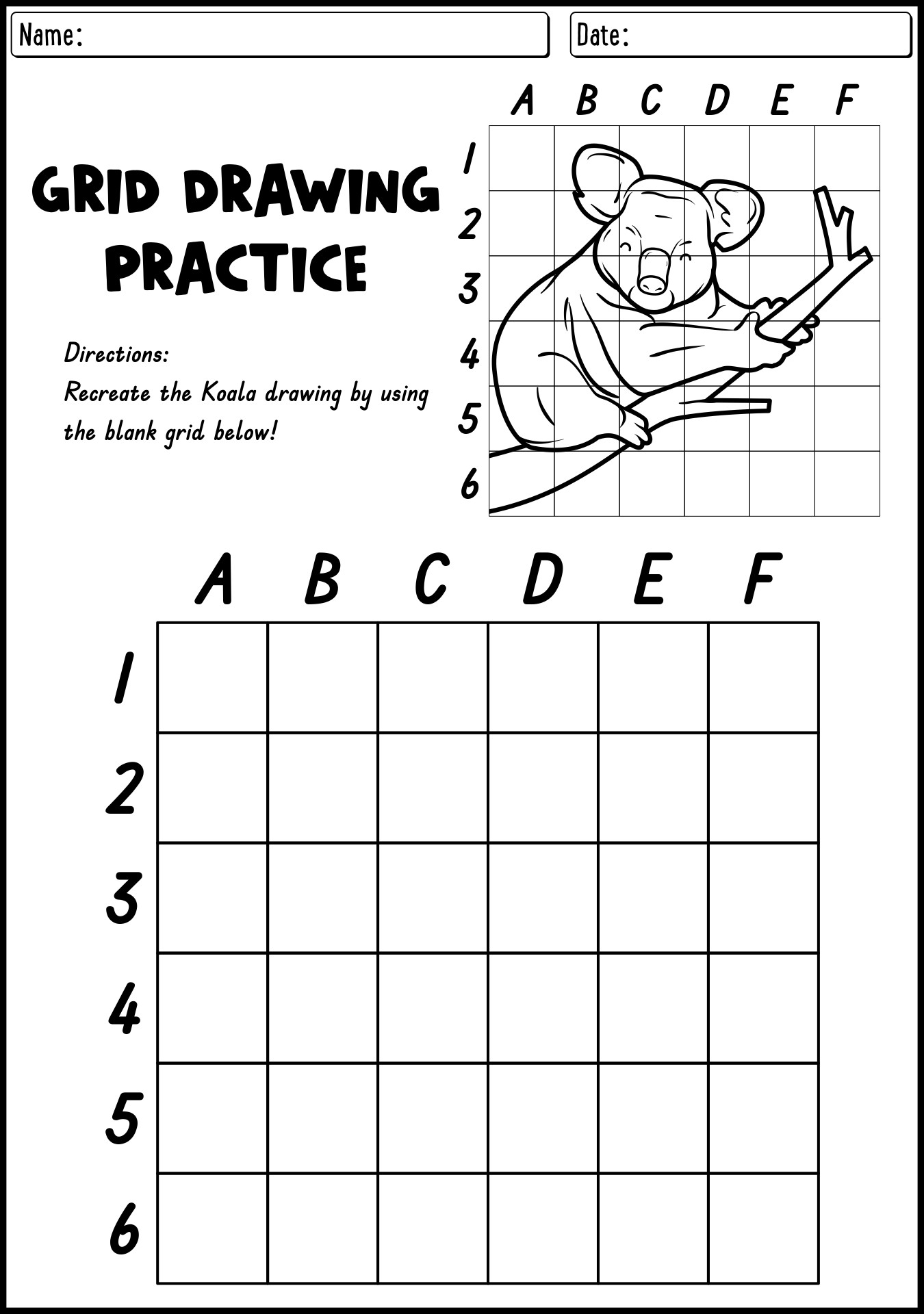
Drawing using grid lines is a foundational visual learning technique that breaks complex photographic images down into manageable geometric coordinates to teach spatial awareness and proportion estimation. According to the National Art Education Association (NAEA), structured observational drawing methods significantly accelerate visual literacy, cognitive mapping, and fine-motor coordination in early childhood development. This systematic approach allows young learners to translate real-world imagery from Photo Flashcards onto structured worksheets without the frustration of freehand scaling errors. Integrating Grid Drawing printables into daily curricula bridges the gap between raw visual observation and precise graphical execution.
Visual Learning & Skill Snapshot:
- Core Focus: Systematic coordinate mapping for accurate image reproduction.
- Target Skill: Spatial reasoning, visual discrimination, fine-motor proportion, and photo-based concept mastery.
- Key Recommendation: Pair large-cell printable grids with high-contrast realistic photo references for optimal cognitive processing.
Core Principles and Visual Learning Overview
Drawing using grid lines functions by leveraging the human brain’s natural ability to process smaller geometric subsets rather than overwhelming the working memory with an entire complex picture. When children examine a single square within a larger matrix, cognitive overload decreases, allowing precise analysis of line angles, negative space, and curve intersections. This method transforms abstract artistic creation into a concrete, puzzle-like exercise that builds confidence in early elementary students. Educators utilize structured Educational Activities featuring grids to reinforce mathematical concepts such as symmetry, coordinates, and ratio scaling while simultaneously nurturing creative expression.
Key Specifications and Breakdown
| Age / Learning Stage | Visual Skill & Grid Ratio | Pedagogical Application & Scaffolding |
|---|---|---|
| Ages 4–5 (Pre-K) | 2×2 or 3×3 simple cell matrices | Focuses on basic contour recognition using high-contrast everyday objects. |
| Ages 6–7 (Early Elementary) | 4×4 balanced coordinate grids | Develops proportion estimation and precise line placement using detailed nature photographs. |
| Ages 8+ (Advanced Elementary) | 6×6 complex multi-cell grids | Encourages independent scaling, complex angle analysis, and intricate detail retention. |
Structured visual partitioning enhances neurological spatial encoding by breaking complex stimuli into discrete, manageable working-memory units — National Art Education Association (NAEA)
Step-by-Step Practical Application and Printing Guidelines
Executing drawing using grid lines effectively requires matching printable reference cards directly with corresponding blank coordinate templates. Instructors should print clear, high-resolution photographic prompts alongside gridded canvases that share identical row and column counts. Learners begin by identifying the top-left coordinate cell, observing where lines intersect the grid boundaries, and replicating those exact strokes inside the matching destination square. Utilizing light gray grid lines prevents visual clutter and allows students to erase or paint over the foundational framework seamlessly once the core illustration is complete.
Common Challenges and How to Avoid Them
Overcoming scaling confusion during drawing using grid lines involves teaching children to isolate individual cells rather than attempting to draw the entire subject at once. Young learners frequently rush ahead and focus on the overall image, which leads to misalignment across grid borders. Educators can prevent this common obstacle by providing window-card masks that physically block surrounding squares, forcing the child’s attention strictly onto one coordinate cell at a time. Encouraging slow, deliberate pencil strokes within each isolated quadrant ensures proportional accuracy and steady fine-motor skill development.
💬 Frequently Asked Questions
Explore More Free Learning Printables and Visual Activities on WePhotoAgency
Empowering young minds through structured visual art requires access to premium, teacher-tested resources that combine cognitive science with engaging practice materials. Educators, homeschoolers, and parents can expand their curriculum by exploring the complete collection of visual tools, worksheets, and activity guides available directly at WePhotoAgency.com to foster lifelong creative confidence.
Visual Reference Gallery