Introduction
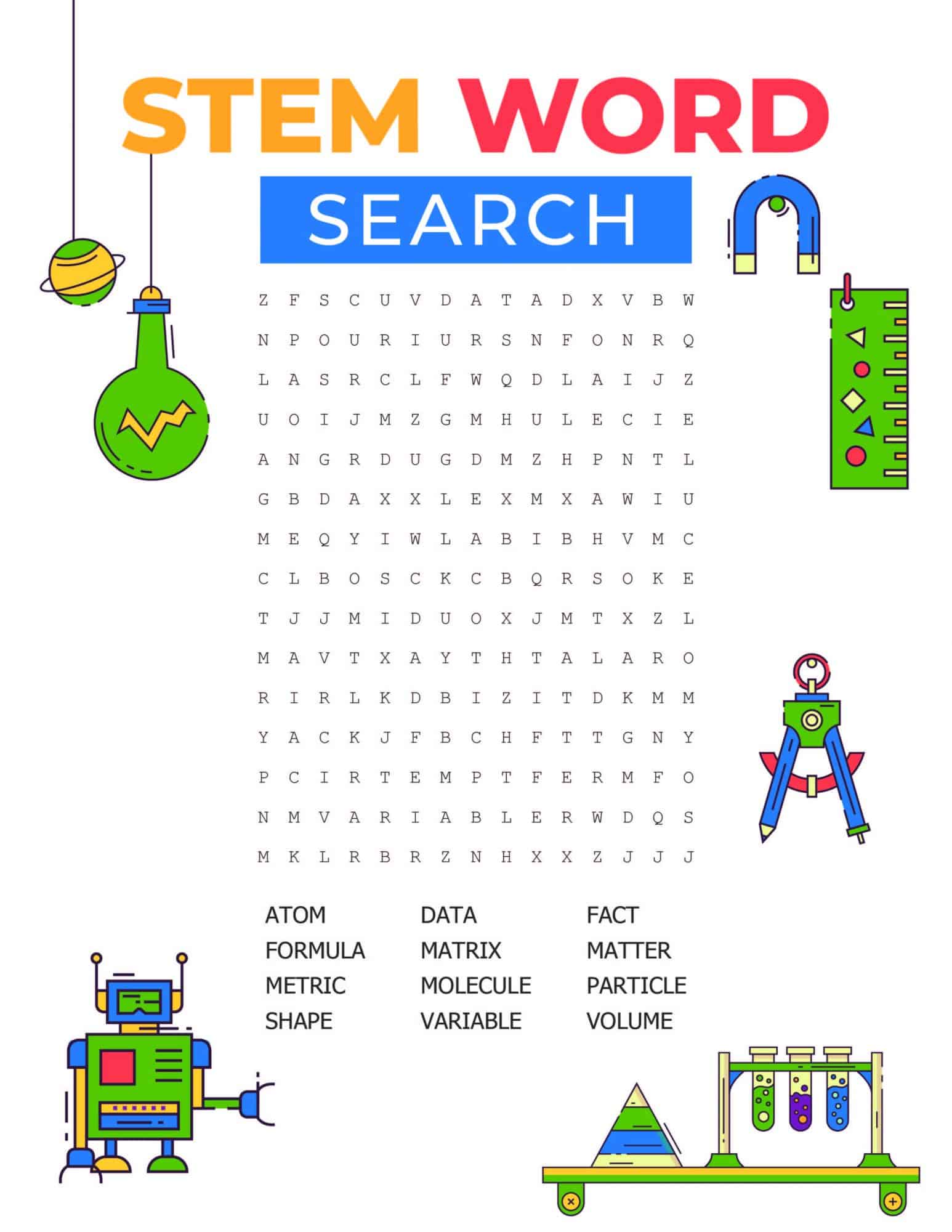
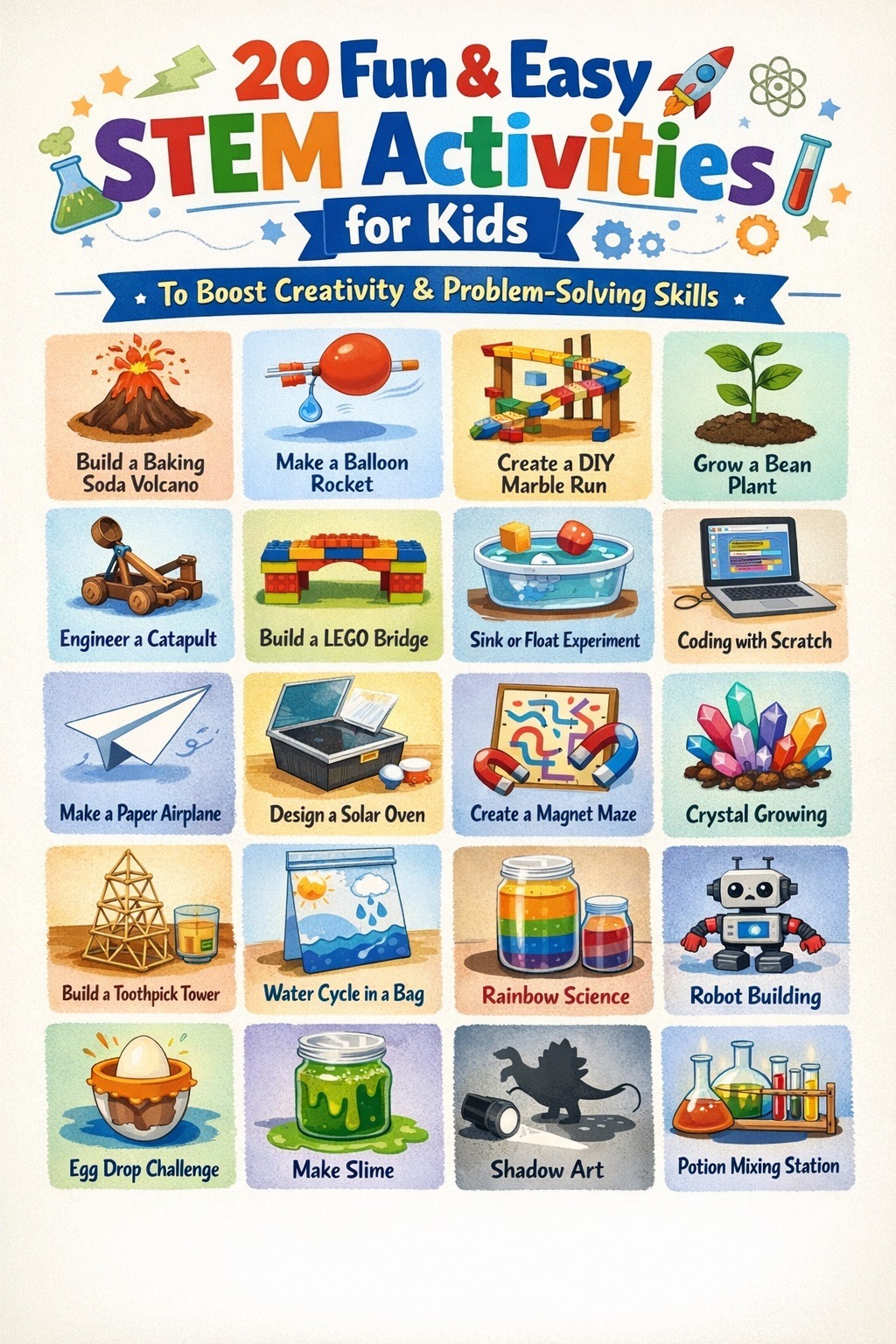
Stem club activities for kids bridge analytical reasoning and artistic expression by transforming traditional STEM disciplines into integrative STEAM learning opportunities that foster spatial awareness and fine motor precision. According to the National Association for the Education of Young Children (NAEYC), purposeful integration of visual arts with early scientific exploration measurably accelerates cognitive development, spatial memory, and mathematical proportional reasoning in early elementary learners. Utilizing specialized resources such as Grid Drawing worksheets provides young learners with the structural framework required to break complex visual data into manageable geometric components. Integrating structured visual challenges into group learning setups equips educators and homeschoolers with reliable tools to build analytical observation habits from an early age.
Visual Learning & Skill Snapshot:
- Core Focus: Stem club activities for kids combining analytical grid scaling with photographic observation.
- Target Skill: Spatial reasoning, visual discrimination, fine-motor proportion, and photo-based concept mastery.
- Key Recommendation: Pair photographic stimulus cards with coordinate grid worksheets to enhance scale estimation.
Core Principles and Visual Learning Overview
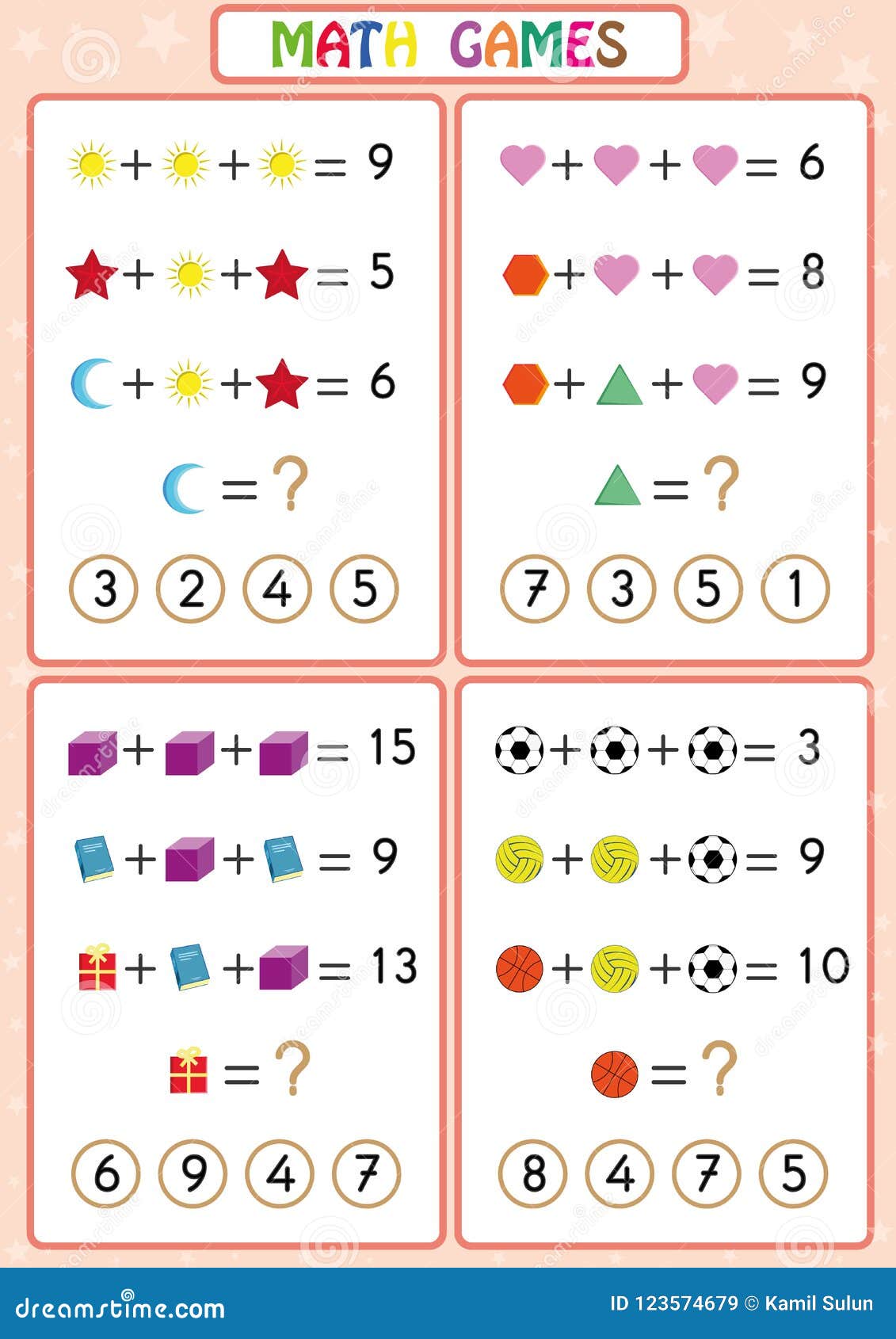
Stem club activities for kids fundamentally rely on structured visual mapping to translate real-world observations into accurate geometric representations. When children interact with high-detail Photo Flashcards, visual cortex processing activates parallel pathways responsible for pattern recognition, depth perception, and symmetrical balance. Incorporating these tactile elements into routine Educational Activities helps children ground abstract mathematical concepts—such as coordinate planes, ratios, and scale—into tangible physical movements. Educators find that breaking visual imagery down into discrete grid cells significantly reduces cognitive overload, allowing young children to successfully replicate complex organic forms without experiencing frustration.
Key Specifications and Breakdown
| Age / Learning Stage | Visual Skill & Grid Ratio | Pedagogical Application & Scaffolding |
|---|---|---|
| Ages 4-5 (Early Explorers) | 2×2 or 3×3 simple grids | Focuses on basic quadrant identification using high-contrast photo flashcards. |
| Ages 6-7 (Emerging Analysts) | 4×4 intermediate coordinate grids | Develops line proportion and angle estimation using real-world object references. |
| Ages 8-10 (Advanced Observers) | 6×6 or higher multi-axis scaling | Refines spatial precision, mirror symmetry, and independent error correction. |
Intentional engagement with structured visual-spatial grids strengthens neural pathways associated with mathematical proportional thinking and visual-motor integration. — National Art Education Association (NAEA)
Step-by-Step Practical Application and Printing Guidelines
Stem club activities for kids achieve optimal learning outcomes when educators utilize clean, high-contrast printing techniques and systematic step-by-step scaffolding. Start by selecting printable grid templates that feature bold intersecting coordinate lines and ample workspace margins to accommodate developing pencil grips. Place a corresponding real photographic reference card directly adjacent to the blank worksheet to minimize visual tracking fatigue during drawing sessions. Instruct participants to isolate one single grid square at a time, analyzing line intersections, negative space, and curve trajectories before executing pencil strokes. This methodical approach ensures that children build patience, attention to detail, and a deep, intuitive understanding of geometric proportion.
Common Challenges and How to Avoid Them
Stem club activities for kids occasionally stall when young learners attempt to draw entire images at once rather than focusing on isolated coordinate cells. Overcoming this hurdle requires educators to explicitly model how to cover adjacent grid boxes using a blank index card, thereby isolating the immediate visual target area. Another frequent obstacle involves incorrect scaling caused by rushing through proportional estimations; counter this by encouraging children to count grid intersections aloud before marking paper boundaries. Providing constructive guidance on eraser usage also prevents perfectionism paralysis, reinforcing the understanding that iterative sketching is a core component of scientific and artistic inquiry.
💬 Frequently Asked Questions
Explore More Free Learning Printables and Visual Activities on WePhotoAgency
Exploring comprehensive visual learning resources empowers educators, parents, and homeschoolers to design engaging, multidisciplinary curricula that seamlessly merge art and spatial reasoning. Discover an extensive library of downloadable worksheets, drawing templates, and interactive visual tools by visiting WePhotoAgency.com to elevate early childhood cognitive development today.
Visual Reference Gallery