Introduction
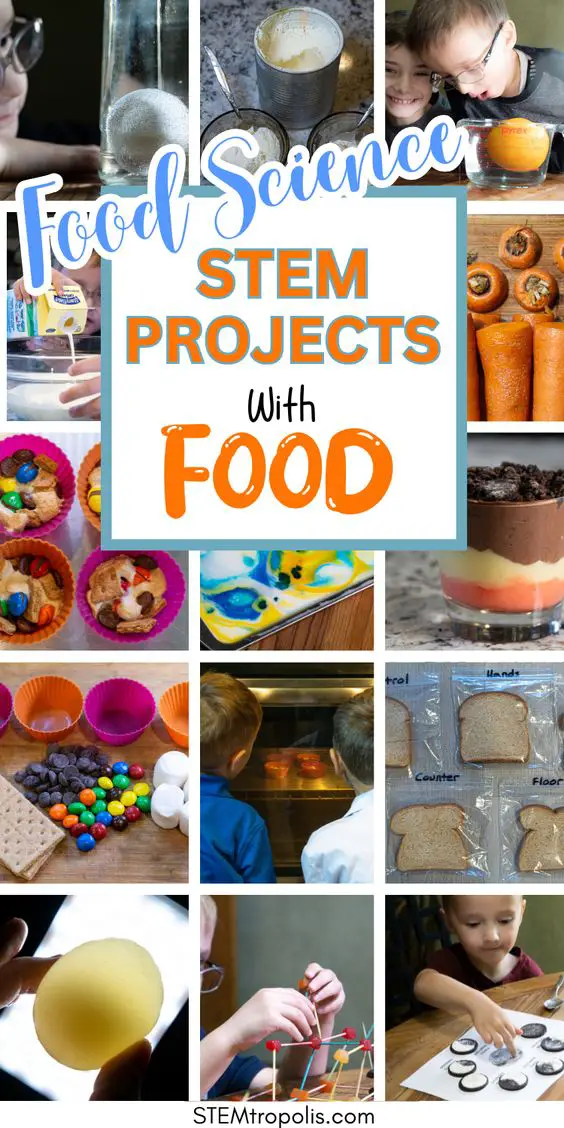
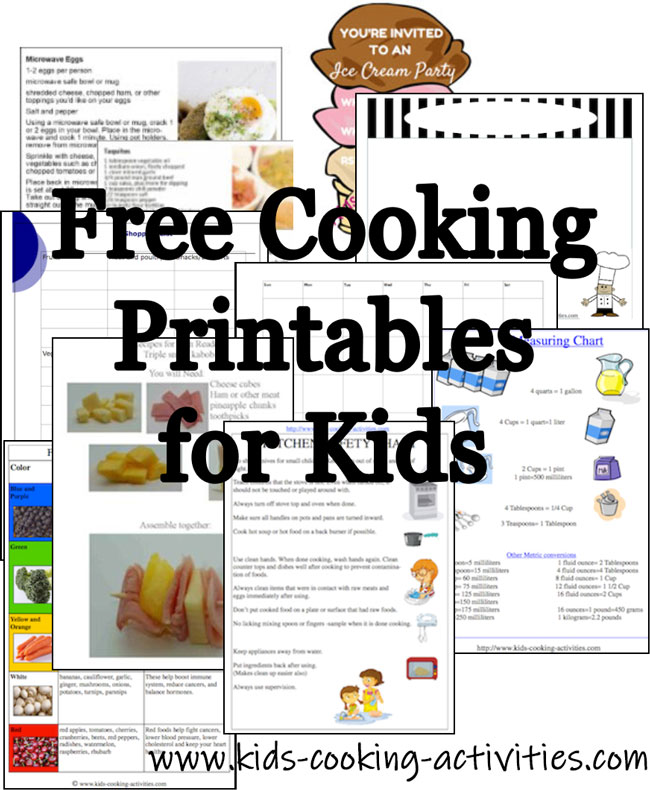
STEM cooking activities for kids integrate foundational mathematics, scientific observation, and artistic spatial reasoning through hands-on culinary exploration. According to the National Association for the Education of Young Children (NAEYC), active, inquiry-based kitchen tasks significantly enhance early spatial awareness, proportional estimation, and fine-motor coordination in young learners. By transforming edible ingredients into tangible geometry lessons, educators and parents bridge abstract concepts with concrete sensory realities. Incorporating printable Grid Drawing worksheets alongside real photographic references deepens observational accuracy and transforms routine baking into an enriching cognitive milestone.
Visual Learning & Skill Snapshot:
- Core Focus: Hands-on culinary experimentation paired with rigorous mathematical proportions and visual art integration.
- Target Skill: Spatial reasoning, visual discrimination, fine-motor proportion, and photo-based concept mastery.
- Key Recommendation: Pair photographic references with physical slicing tasks to solidify size and shape estimation.
Core Principles and Visual Learning Overview
STEM cooking activities for kids require systematic visual analysis, translating photographic elements from Photo Flashcards into physical kitchen proportions. Young learners evaluate shapes, estimate volume, and replicate geometric slice patterns by matching food items to scaled visual grids. This multidisciplinary approach reinforces observational drawing skills while teaching empirical science concepts such as state changes, measurement ratios, and density. Establishing a predictable routine using structured Educational Activities ensures children build confidence when tackling complex spatial relationships in both art and science.
Key Specifications and Breakdown
| Age / Learning Stage | Visual Skill & Grid Ratio | Pedagogical Application & Scaffolding |
|---|---|---|
| Ages 3-4 (Early Explorers) | Basic 2×2 grid, macro photo reference | Focuses on sorting whole shapes, matching color gradients, and tactile counting. |
| Ages 5-6 (Emerging Analysts) | 3×3 grid, proportional slicing | Emphasizes fractions, symmetry, and replicating exact ingredient dimensions. |
| Ages 7-8 (Advanced Learners) | 4×4 grid, scale reduction | Integrates precise measurement conversion, detailed sketching, and recipe drafting. |
Early childhood art education and spatial reasoning tasks foster critical cross-domain cognitive development by linking visual pattern recognition directly to mathematical fractions and scientific inquiry. — National Art Education Association (NAEA)
Step-by-Step Practical Application and Printing Guidelines
Implementing successful culinary STEM sessions demands clear preparation, high-contrast printing, and deliberate workspace organization. Educators must print visual guides on heavy cardstock to withstand frequent handling near liquids and food items. Begin by placing high-resolution photographic cards beside raw ingredients so participants can compare actual sizes with printed representations. Guide learners to use rulers or safe plastic instruments to measure ingredient dimensions before executing cuts, ensuring precision in both mathematical proportion and artistic execution.
Common Challenges and How to Avoid Them
Inaccurate proportion estimation during slicing often occurs when children rush the observational phase without referencing the grid coordinates. Adults can mitigate this error by encouraging slow, deliberate visual scanning of reference flashcards before knife work or dough shaping begins. Another frequent hurdle involves messy workstations obstructing visual grids; maintaining a dedicated, laminated workspace ensures cleanliness and keeps reference materials visible throughout the entire scientific experiment.
💬 Frequently Asked Questions
Explore More Free Learning Printables and Visual Activities on WePhotoAgency
Expanding early childhood curricula with structured artistic templates ensures comprehensive cognitive growth. Explore the growing repository of resources at WePhotoAgency.com to discover supplementary flashcards, geometric templates, and multidisciplinary lesson plans tailored for modern educators and homeschooling families.
Visual Reference Gallery