Introduction
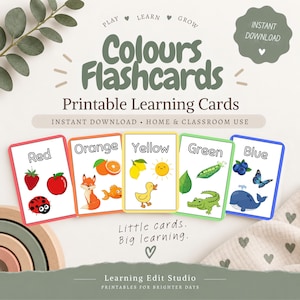
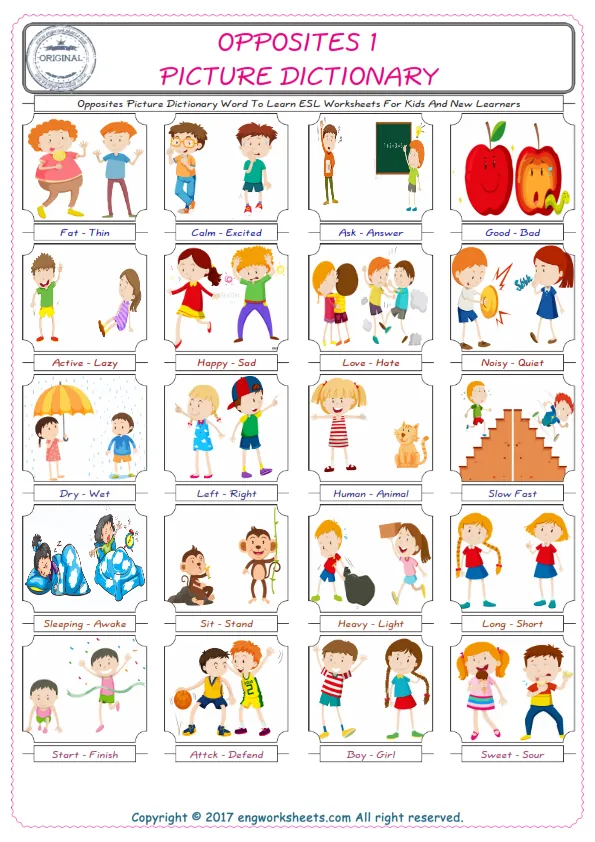
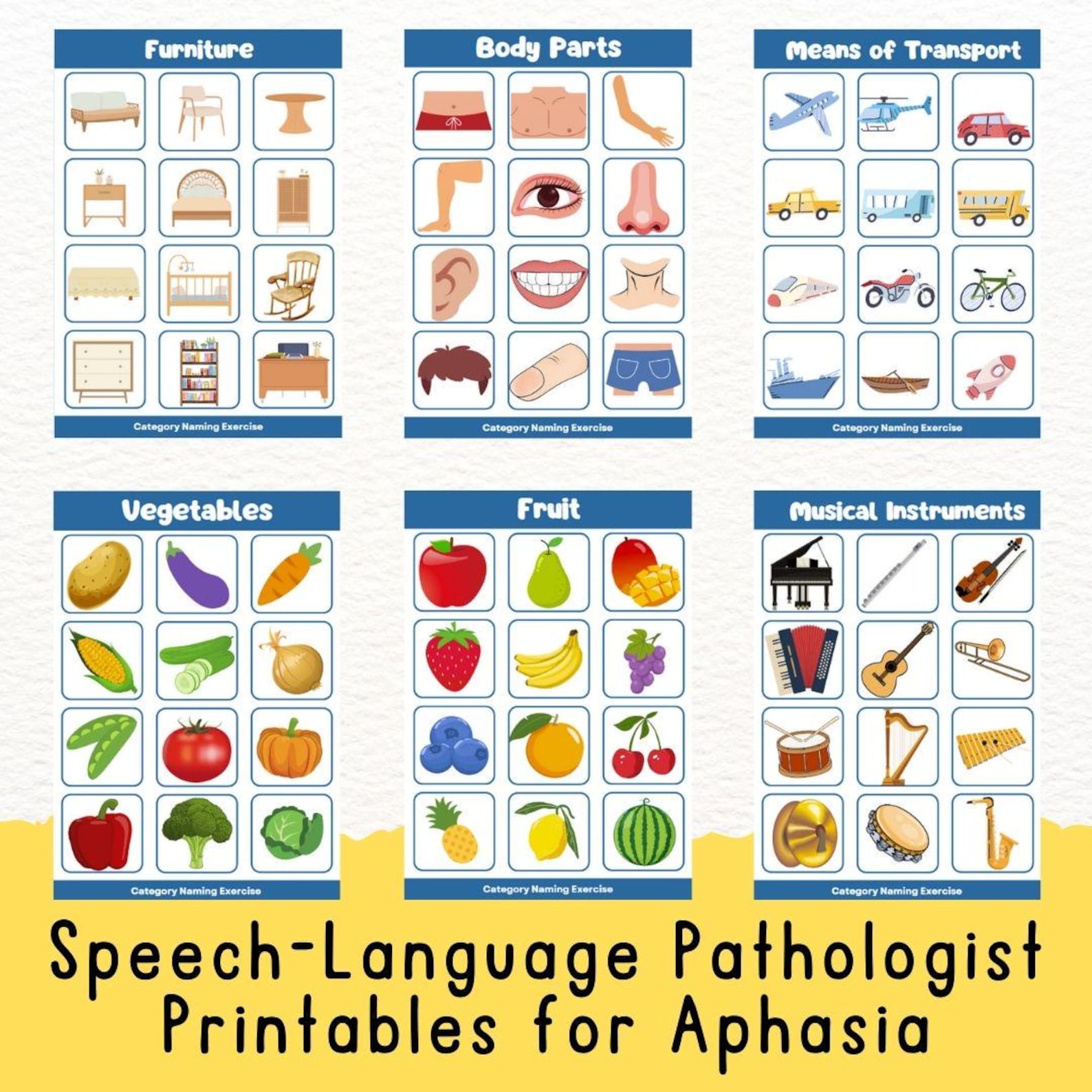
Picture flashcards serve as essential cognitive tools that bridge real-world photography with foundational visual art skills. According to the National Association for the Education of Young Children (NAEYC), purposeful exposure to concrete photographic imagery systematically accelerates visual literacy, spatial intelligence, and fine-motor coordination in early childhood development. When combined with printable Grid Drawing worksheets, these tactile resources transform abstract observation into manageable, step-by-step drawing challenges. Educators, homeschoolers, and parents utilize real-photo visual resources to bridge the gap between simple identification and complex proportional rendering. Mastering these techniques cultivates a lifelong appreciation for structured art and precise visual analysis.
Visual Learning & Skill Snapshot:
- Core Focus: Concrete photographic flashcards paired with coordinate-based grid frameworks.
- Target Skill: Spatial reasoning, visual discrimination, fine-motor proportion, and photo-based concept mastery.
- Key Recommendation: Pair high-contrast photo cards directly alongside corresponding scaled grid worksheets to maximize cognitive retention and accuracy.
Core Principles and Visual Learning Overview
Visual learning relies heavily on the brain’s ability to break complex shapes down into simpler geometric boundaries. Picture flashcards featuring realistic photographic subjects present children with true-to-life textures, contours, and lighting gradients that cartoon illustrations fail to provide. By integrating Photo Flashcards into daily curricula, learners develop enhanced observational stamina. This observational training prevents the common developmental hurdle where children draw what they assume an object looks like rather than what their eyes actually perceive within a defined visual grid sector. Accurate proportion estimation emerges naturally as students systematically scan coordinate squares, matching lines and negative spaces with precision.
Key Specifications and Breakdown
| Age / Learning Stage | Visual Skill & Grid Ratio | Pedagogical Application & Scaffolding |
|---|---|---|
| Ages 3–4 (Early Learners) | Basic 2×2 or 3×3 simple grids | Focuses on macro-shapes, single-subject identification, and foundational hand-eye coordination using large Educational Activities. |
| Ages 5–7 (Early Elementary) | Standard 4×4 coordinate grids | Emphasizes proportion estimation, intersecting lines, negative space recognition, and detailed observational drawing. |
| Ages 8+ (Advanced Beginners) | Complex multi-box architectural or organic grids | Refines fine-motor control, shading transitions, exact scale replication, and independent artistic execution. |
Systematic visual arts instruction utilizing photographic reference materials significantly enhances spatial memory, visual-motor integration, and analytical drawing precision in young learners. — National Art Education Association (NAEA). Related guide: Picture Flashcards For Babies.
Step-by-Step Practical Application and Printing Guidelines
Executing effective visual lessons requires durable print materials and distraction-free workspace setups. Print photo flashcards on heavy cardstock and laminate them to withstand frequent handling during independent or small-group learning sessions. Align the corresponding grid worksheets precisely, ensuring the coordinate markers match the dimensions of the reference photo card. Instruct learners to cover all grid squares except the target box using a blank viewing card, which isolates visual information and eliminates cognitive overload. Encourage gentle pencil sketching of intersecting lines before committing to dark outlines, ensuring adjustments remain effortless throughout the developmental drawing process.
Common Challenges and How to Avoid Them
Frustration during grid drawing typically stems from attempting too many coordinate boxes at once or scaling reference images inaccurately. Combat this challenge by introducing single-box isolation techniques, allowing young artists to master one quadrant before viewing the entire composition. If children struggle with proportional placement, provide physical magnifying lenses or border-framing tools to help isolate positive and negative shapes within the photographic subject. Consistent short intervals of practice yield far superior cognitive gains compared to lengthy, exhausting drawing sessions that induce mental fatigue and diminish creative enthusiasm.
💬 Frequently Asked Questions
Explore More Free Learning Printables and Visual Activities on WePhotoAgency
Accessing comprehensive educational resources empowers educators and parents to cultivate structured artistic growth without extensive preparation time. Explore the complete collection of learning tools, photo cards, and drawing guides available directly through the main hub at WePhotoAgency.com to elevate daily instructional delivery.
Visual Reference Gallery