Introduction
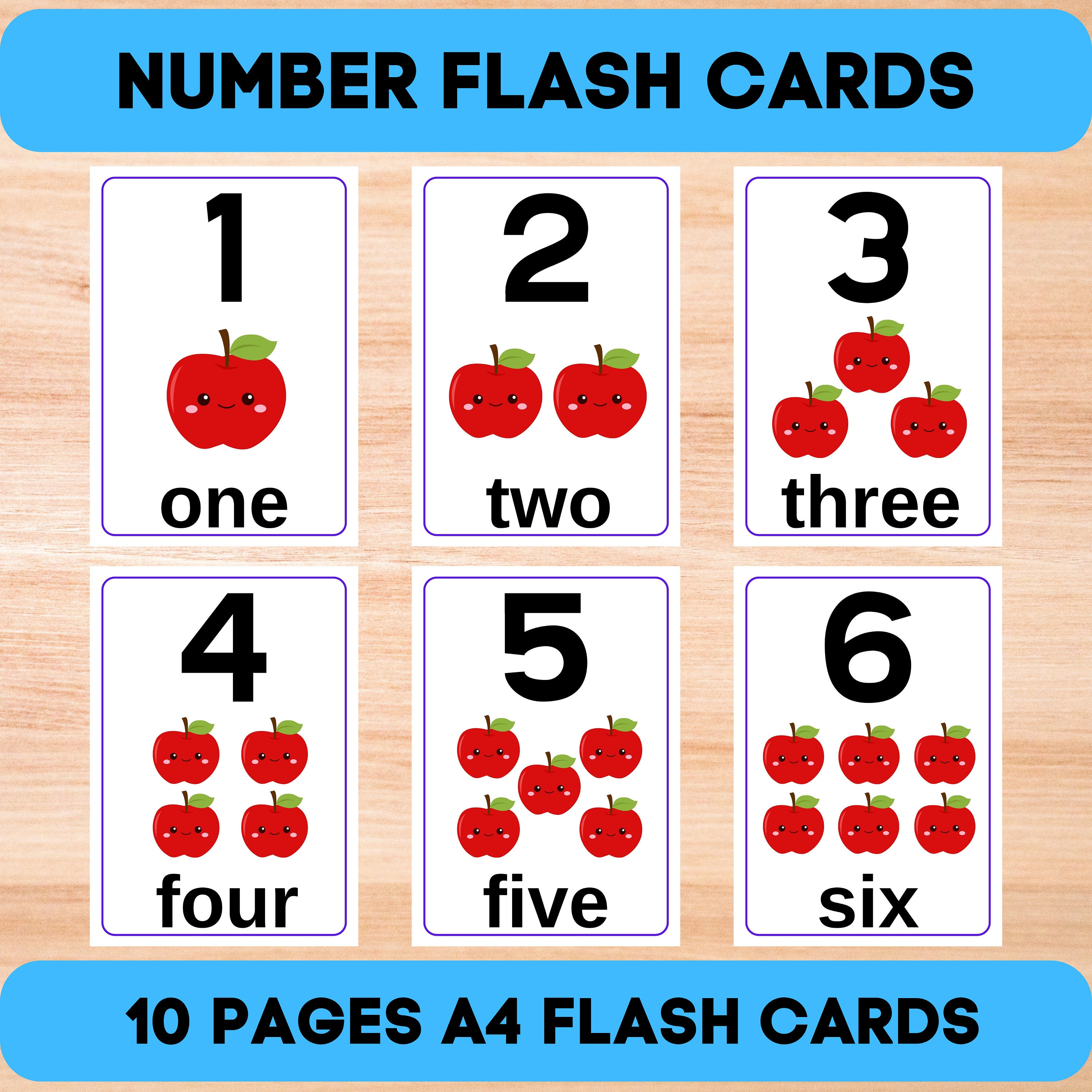
Number picture flashcards bridge mathematical numeration and visual art by pairing photographic realism with structured grid drawing coordinates to accelerate early cognitive development. According to the National Association for the Education of Young Children (NAEYC), multi-sensory visual learning tools significantly enhance spatial memory, pattern recognition, and fine-motor precision during formative childhood development. Integrating these tools into daily curricula transforms abstract numerical symbols into concrete visual realities. Educators and parents leverage these printables to foster analytical thinking, bridging the gap between artistic expression and mathematical structure through rigorous observation and hands-on practice. Utilizing authentic Photo Flashcards ensures young learners develop genuine visual literacy alongside foundational number recognition.
Visual Learning & Skill Snapshot:
- Core Focus: Bridging quantitative numbers with photographic visual art through grid mapping.
- Target Skill: Spatial reasoning, visual discrimination, and fine-motor proportion estimation.
- Key Recommendation: Combine real photo cards with physical Grid Drawing worksheets to anchor abstract math in tangible observation.
Core Principles and Visual Learning Overview
Visual grid integration teaches children to break complex photographic subjects down into manageable spatial coordinates through structured observation. Number picture flashcards utilize numbered axes and matrix systems to guide the eye across real-world photographic subjects, turning overwhelming visual scenes into approachable fragments. This systematic methodology directly reinforces cognitive milestones related to scale, proportion, and spatial orientation. When children replicate a photograph grid square by grid square, cognitive load is minimized, allowing complete focus on line quality, spatial positioning, and exact numerical sequence mapping. Educators can further expand these lessons by exploring diverse Educational Activities designed to reinforce multidimensional thinking.
Key Specifications and Breakdown
| Age / Learning Stage | Visual Skill & Grid Ratio | Pedagogical Application & Scaffolding |
|---|---|---|
| Ages 3-4 (Early Explorer) | 2×2 Matrix with large photographic icons | Focuses on basic quadrant identification, gross motor line tracing, and foundational number sequence matching. |
| Ages 5-6 (Developing Artist) | 3×3 Grid with real object photography | Enhances proportional estimation, fine-motor pencil control, and accurate cross-referencing of numbered coordinates. |
| Ages 7-8 (Advanced Observer) | 4×4 or complex grid with detailed nature elements | Builds advanced visual discrimination, scale translation, independent error checking, and meticulous line execution. |
Structured visual mapping and grid-based drawing significantly improve spatial working memory and analytical problem-solving capacities in young children. — National Art Education Association (NAEA)
Step-by-Step Practical Application and Printing Guidelines
Executing successful grid drawing sessions requires high-contrast printing, durable cardstock, and a methodical progression from simple matrices to complex photo reproductions. Begin by printing flashcards and corresponding worksheets on heavyweight matte cardstock to prevent bleeding and tearing during frequent handling by small fingers. Instruct learners to examine the target coordinate on the reference photograph before transferring the exact visual information onto the blank numbered grid cell. Emphasize observation over immediate perfection, prompting children to notice where lines intersect specific grid boundaries. Maintaining organized work stations with well-sharpened pencils and clear rulers ensures optimal focus, accurate proportion estimation, and lasting engagement throughout the activity.
Common Challenges and How to Avoid Them
Young learners often struggle with scale distortion and losing track of numerical coordinates when transitioning from photographic references to blank drawing grids. Prevent frustration by starting with simplified 2×2 grids featuring bold, unambiguous photographic subjects before introducing intricate details or higher number counts. If a child draws outside the designated grid square, gently guide attention back to the specific intersection lines using a colored pointer or finger frame to isolate the active coordinate. Encouraging a slow, methodical approach—one numbered square at a time—eliminates anxiety, builds sustainable drafting habits, and guarantees accurate visual reproduction.
💬 Frequently Asked Questions
Explore More Free Learning Printables and Visual Activities on WePhotoAgency
Unlocking the full potential of visual education requires access to high-quality, professionally designed learning tools that merge art with cognitive science. Explore the complete collection of printables, drawing guides, and photo resources available directly at WePhotoAgency.com to support continuous growth in classrooms and home learning environments alike.
Visual Reference Gallery