Introduction
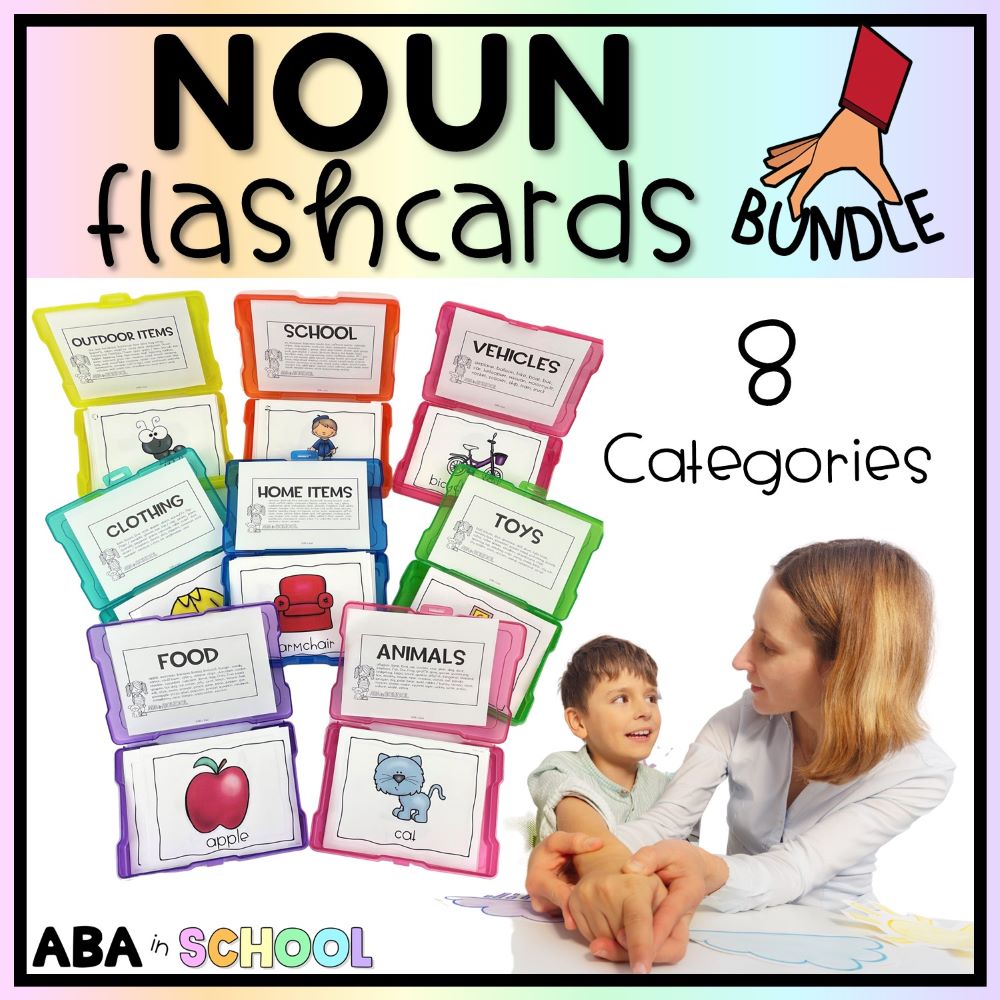
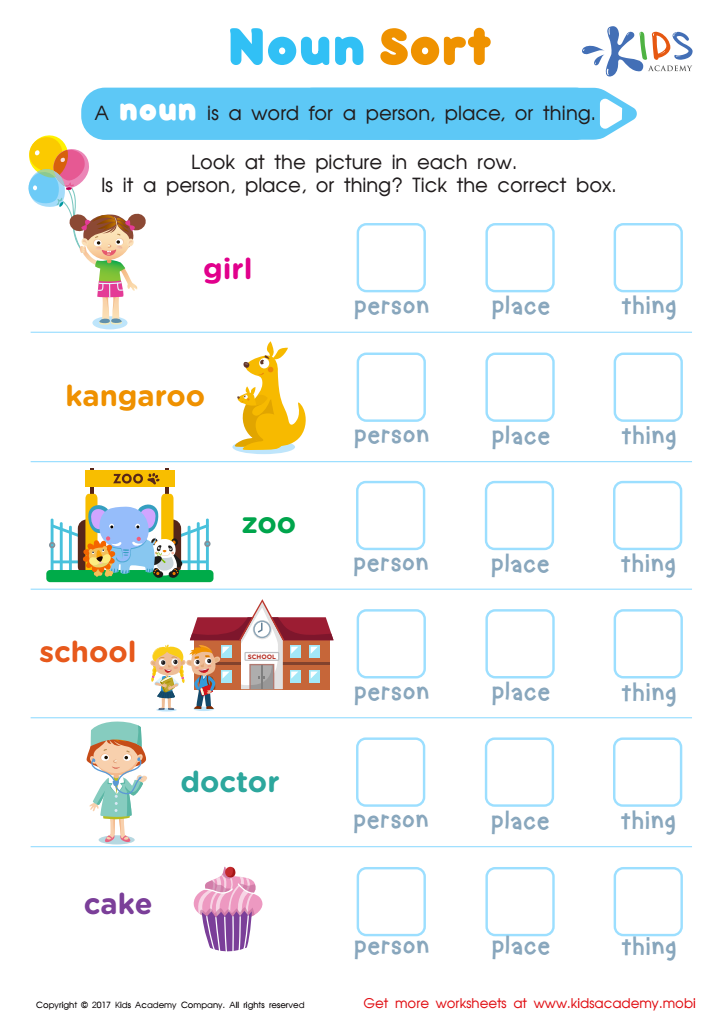
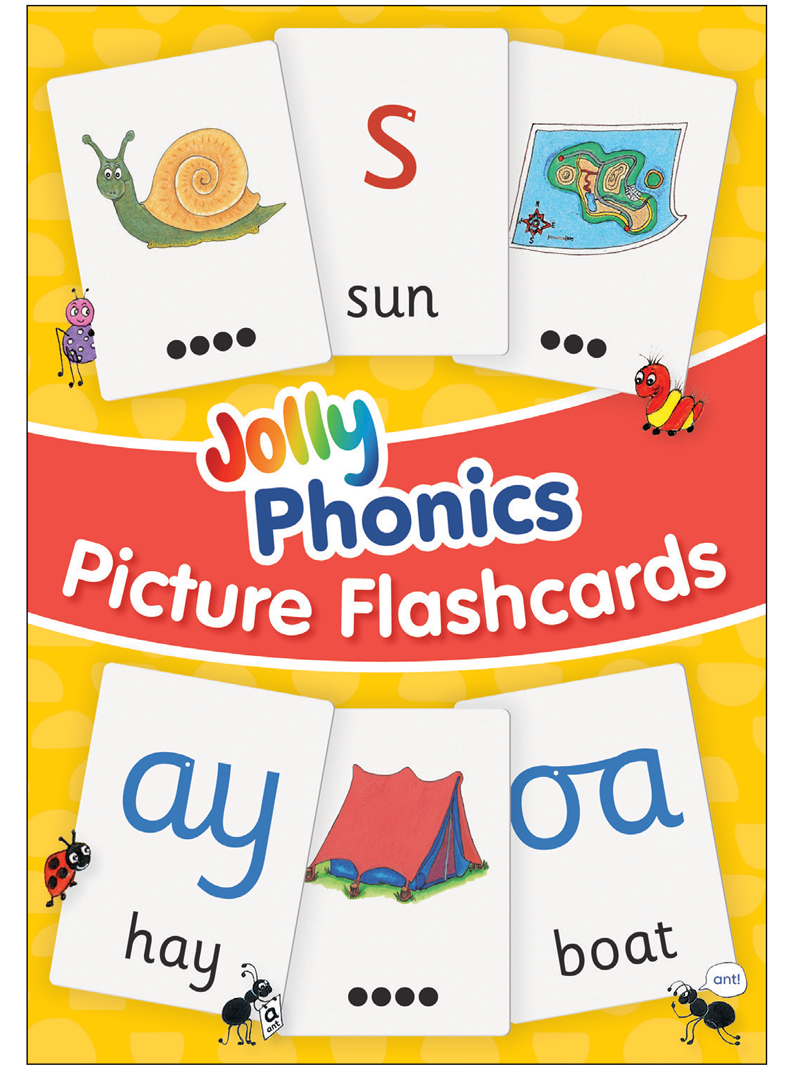
Noun picture flashcards bridge concrete vocabulary acquisition and precise visual art development by pairing clear photographic imagery with foundational spatial reasoning tasks. According to the National Association for the Education of Young Children (NAEYC), engaging young learners with high-definition visual materials significantly accelerates early cognitive categorization and observational accuracy. Integrating these tangible photographic resources into printable grid drawing worksheets transforms standard vocabulary lessons into rigorous exercises in proportion estimation, coordinate mapping, and fine-motor control. Children learning to parse visual data benefit immensely when concrete nouns are translated from two-dimensional flashcards into structured drawing matrices designed to refine hand-eye coordination.
Visual Learning & Skill Snapshot:
- Core Focus: Utilizing noun picture flashcards as direct visual references for printable grid drawing worksheets.
- Target Skill: Spatial reasoning, visual discrimination, proportional coordinate mapping, and fine-motor observation.
- Key Recommendation: Pair photographic cards directly with corresponding grid cells to teach children how to isolate complex shapes into manageable geometric components.
Core Principles and Visual Learning Overview
Noun picture flashcards serve as essential cognitive scaffolding by grounding abstract artistic concepts in recognizable, real-world objects. When combined with structured layout methods found in Grid Drawing exercises, these realistic photographic stimuli force the brain to shift from symbolic naming to analytical line and contour observation. Utilizing crisp Photo Flashcards alongside drawing grids prevents cognitive overload by limiting the visual field, allowing children to focus on one coordinate quadrant at a time. This methodical breakdown directly enhances spatial awareness, teaching developing minds how positive and negative space interact within a bounded geometric frame during early childhood Educational Activities.
Key Specifications and Breakdown
| Age / Learning Stage | Visual Skill & Grid Ratio | Pedagogical Application & Scaffolding |
|---|---|---|
| Ages 3-4 (Preschool) | 2×2 Grid with Macro Photographic Nouns | Focuses on basic shape recognition, whole-object identification, and gross motor hand placement. |
| Ages 5-6 (Early Kindergarten) | 3×3 Grid with Isolated Common Nouns | Develops grid coordinate tracking, basic proportion comparison, and vertical-horizontal alignment. |
| Ages 7-8 (Early Elementary) | 4×4 Grid with Complex Object Details | Encourages advanced observation, scale estimation, contour mapping, and independent line replication. |
Visual-spatial training through structured photographic grids measurably enhances children’s geometric comprehension, proportional estimation, and fine-motor drafting accuracy. — National Art Education Association (NAEA). For more related activities, check out our Make Photo Flashcards.
Step-by-Step Practical Application and Printing Guidelines
Implementing noun picture flashcards alongside printable grids requires careful alignment of visual scaling to ensure accurate cognitive transfer. Educators and parents should begin by printing photographic flashcards at a uniform dimension that matches the target reference column on the drawing worksheet. Place the selected noun card directly above or beside the primary grid sheet to maintain a consistent vertical line of sight for the child. Instruct learners to scan individual grid squares on the reference photo before replicating those exact spatial coordinates onto their blank worksheet, emphasizing line intersection points rather than freehand sketching.
Common Challenges and How to Avoid Them
Children frequently struggle with proportion distortion when attempting to draw complex noun shapes across mismatched grid ratios. To prevent this common obstacle, verify that the photographic flashcard features clean, uncluttered backgrounds so the subject stands out without visual competition. If a learner rushes through the grid squares, educators should introduce physical sliding masks or blank paper cards to isolate one single coordinate sector at a time, thereby enforcing deliberate, methodical observation and reducing cognitive frustration.
💬 Frequently Asked Questions
Explore More Free Learning Printables and Visual Activities on WePhotoAgency
Maximizing early childhood development requires a diverse library of accessible, high-quality visual resources that bridge art education and cognitive growth. Caregivers, educators, and homeschoolers can discover an extensive collection of printable learning materials, developmental worksheets, and structured visual guides by visiting WePhotoAgency.com to support continuous academic and creative exploration.
Visual Reference Gallery