Introduction
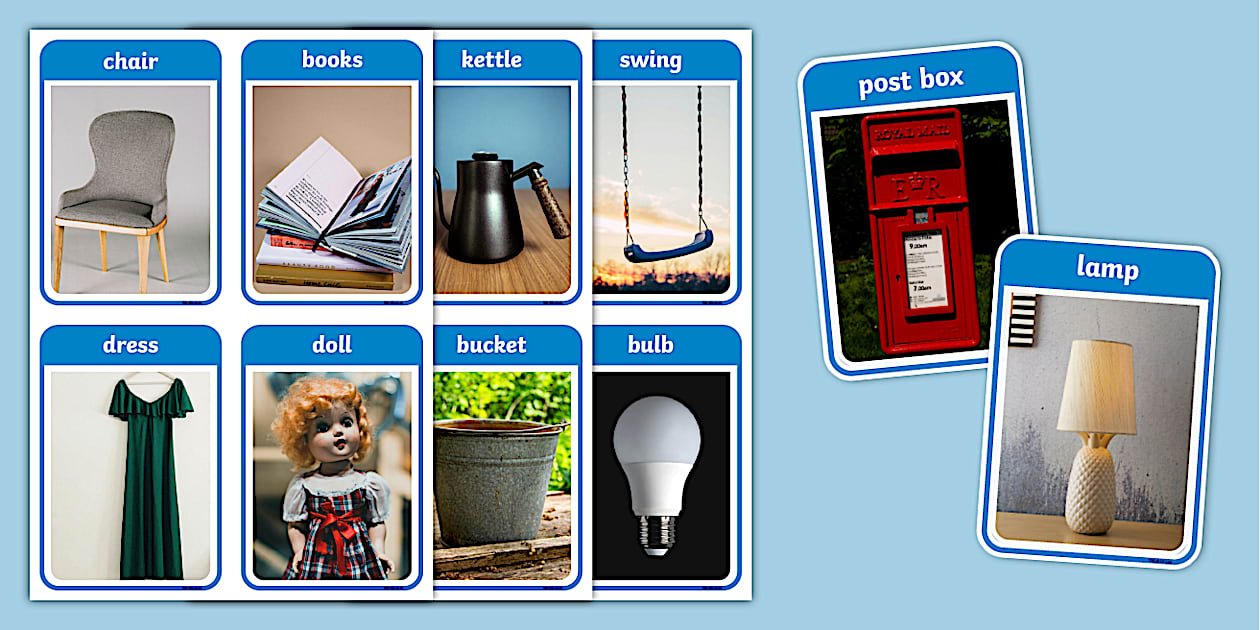
Building effective visual study tools involves converting real photographic imagery and structured line references into modular study units that accelerate early childhood cognition. According to the National Association for the Education of Young Children (NAEYC), hands-on manipulation of concrete visual objects significantly enhances memory retention, visual discrimination, and symbolic thinking in early learners. For educators, parents, and homeschoolers seeking to digitize or physicalize these aids, mastering how to make picture flashcards quizlet bridges the gap between physical paper-based drawing sheets and digital spaced repetition systems. Integrating real photo visual flashcards with printable grid drawing worksheets allows children to break down complex pictorial elements into manageable spatial segments, strengthening both artistic accuracy and cognitive organization.
Visual Learning & Skill Snapshot:
- Core Focus: Synthesizing physical photo references and printable grids into modular digital flashcards for rapid cognitive retrieval.
- Target Skill: Spatial reasoning, visual discrimination, fine-motor proportion estimation, and photographic observation.
- Key Recommendation: Pair high-contrast real photo cards with structured grid worksheets to reinforce structural proportion before testing memory recall.
Core Principles and Visual Learning Overview
Effective image-based digital decks require a systematic approach to image selection, aspect ratio consistency, and prompt-to-answer separation. Understanding how to make picture flashcards quizlet relies on organizing high-definition real photographic references so that learners process individual quadrants rather than guessing from chaotic details. When children study printable Grid Drawing exercises alongside digital decks, brain pathways link fine-motor line estimation with visual recognition. This dual-coding strategy—combining tactile drawing with digital retrieval practice—transforms abstract art concepts into concrete, easily digestible memory traces suitable for early elementary classrooms.
Key Specifications and Breakdown
| Age / Learning Stage | Visual Skill & Grid Ratio | Pedagogical Application & Scaffolding |
|---|---|---|
| Ages 4-5 (Preschool/Kindergarten) | 2×2 Grid / High-Contrast Objects | Focus on simple photographic silhouettes to build basic shape identification and early spatial orientation. |
| Ages 6-8 (Early Elementary) | 3×3 Grid / Real-World Animals & Nature | Develop proportion estimation and detail isolation using curated Photo Flashcards. |
| Ages 9-11 (Upper Elementary) | 4×4 Grid / Complex Architectural Elements | Enhance advanced observation skills, accurate scaling, and memory recall through timed digital study sets. |
Structured visual prompts and multi-sensory flashcard creation improve cognitive mapping and long-term retention by anchoring abstract concepts to concrete spatial coordinates. — National Art Education Association (NAEA)
Step-by-Step Practical Application and Printing Guidelines
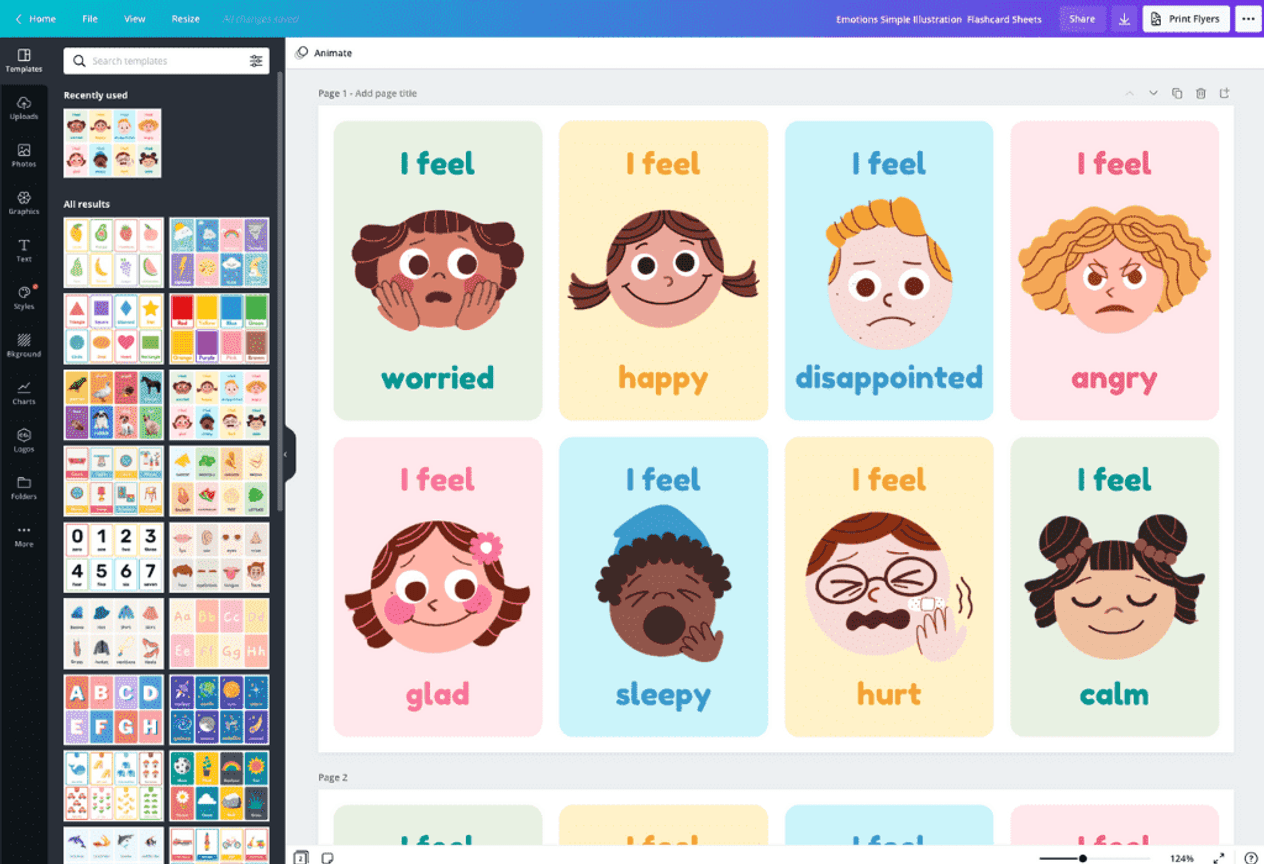
Executing this workflow successfully requires gathering clean, high-resolution photographic source material and pairing digital creation platforms with physical print media. To implement how to make picture flashcards quizlet efficiently, educators should first curate clear photographic reference sheets, upload the cropped image segments into digital study software, and print matching physical workbooks from Educational Activities portfolios. Students examine the physical grid worksheet to draw proportions by hand, then transition to digital image-based review decks to test rapid visual identification and vocabulary retention under randomized spacing.
Common Challenges and How to Avoid Them
Overloading individual study cards with excess visual clutter or inconsistent image framing remains the most frequent obstacle when designing visual sets. Preventing cognitive fatigue during flashcard sessions requires isolating single subjects against neutral backgrounds, ensuring every uploaded image matches the requested aspect ratio. Educators should also ensure that physical drawing practice precedes digital memorization so that children build accurate mental maps of proportions before relying strictly on rapid-fire screen prompts.
💬 Frequently Asked Questions
Explore More Free Learning Printables and Visual Activities on WePhotoAgency
Expanding early childhood art curricula and cognitive development lesson plans becomes seamless when utilizing structured, high-quality visual resources. Access a comprehensive library of printable worksheets, drawing guides, and photo-based learning materials by visiting WePhotoAgency.com today to elevate early elementary education.
Visual Reference Gallery