Introduction
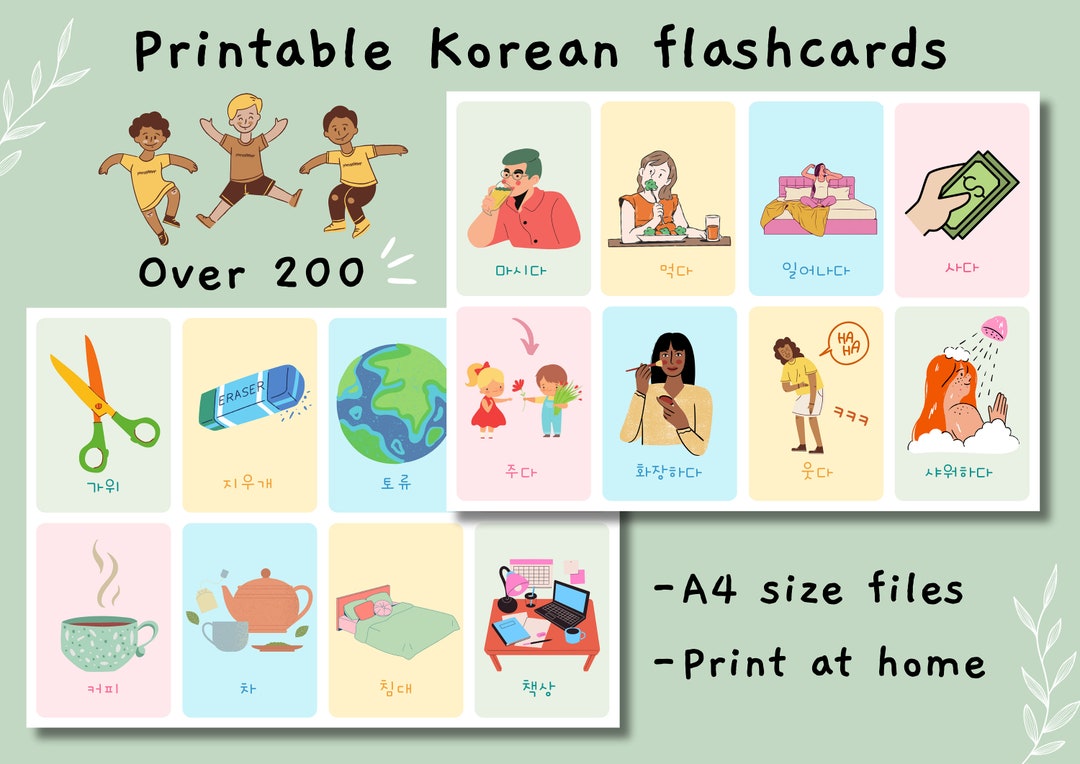
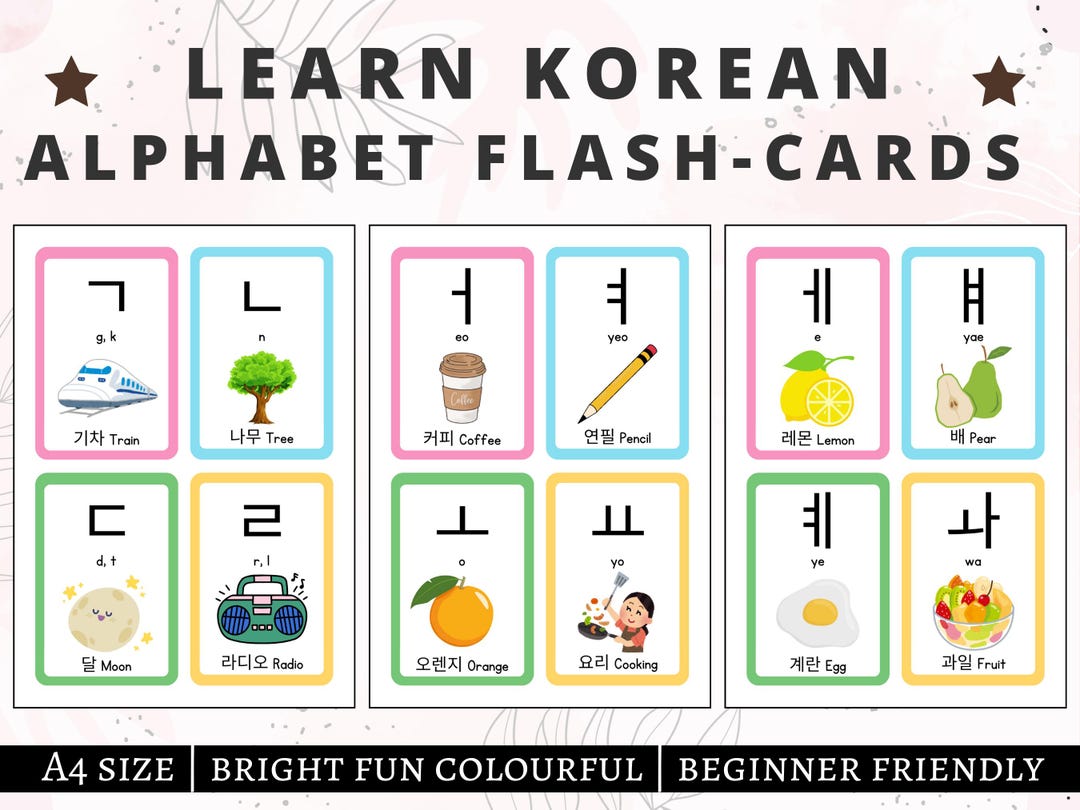
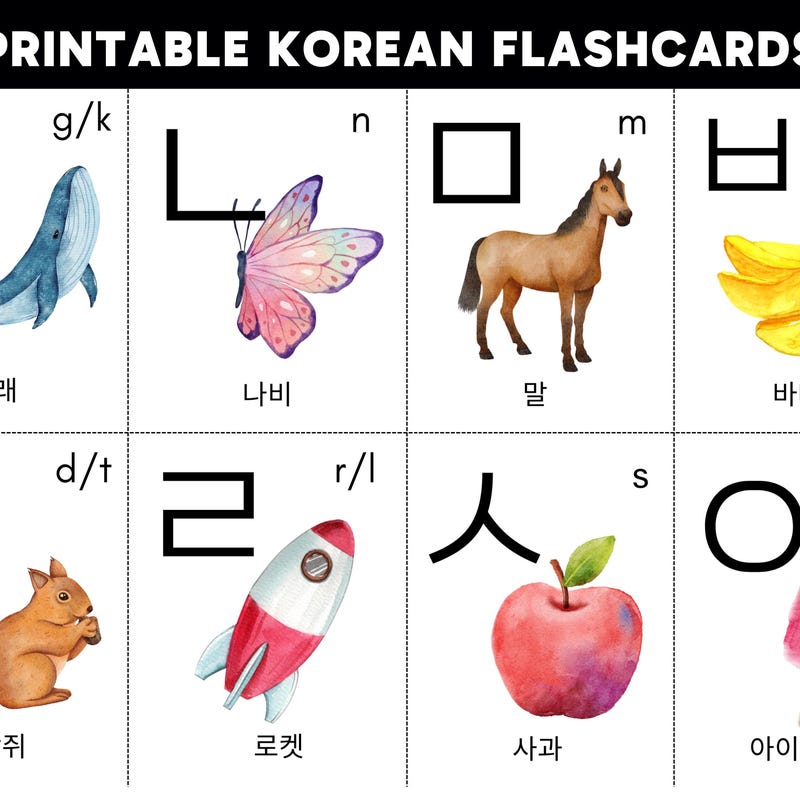
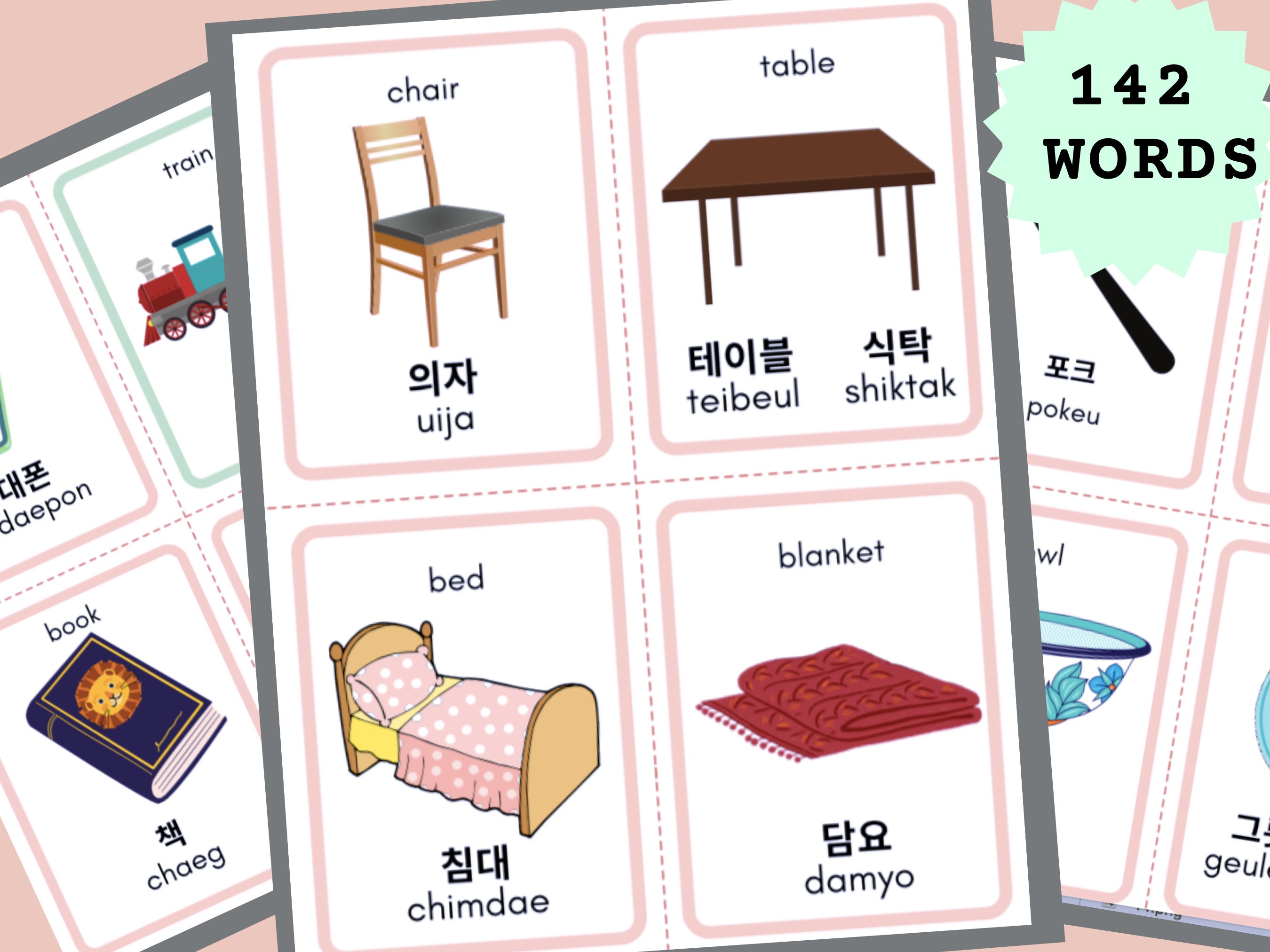
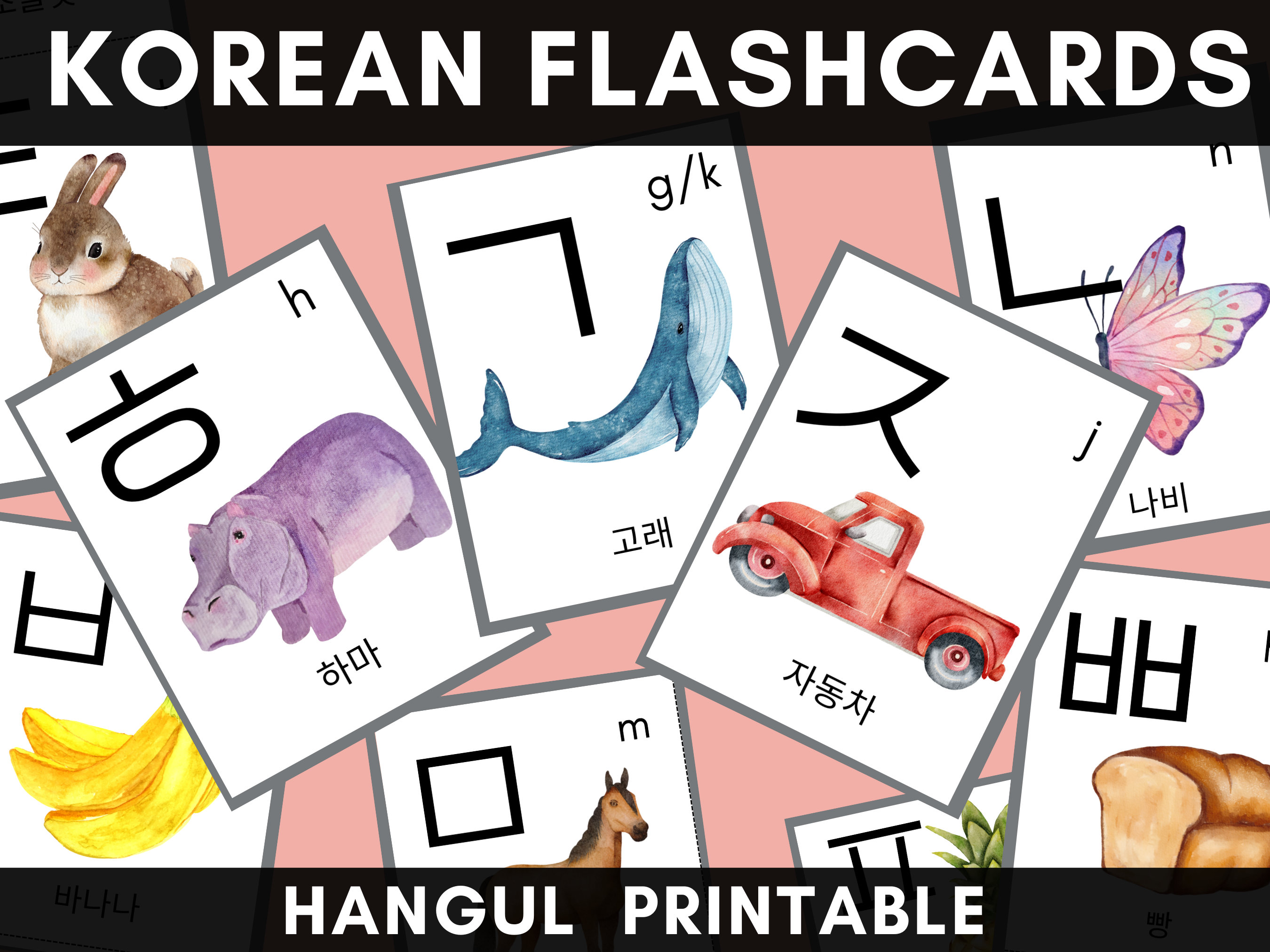
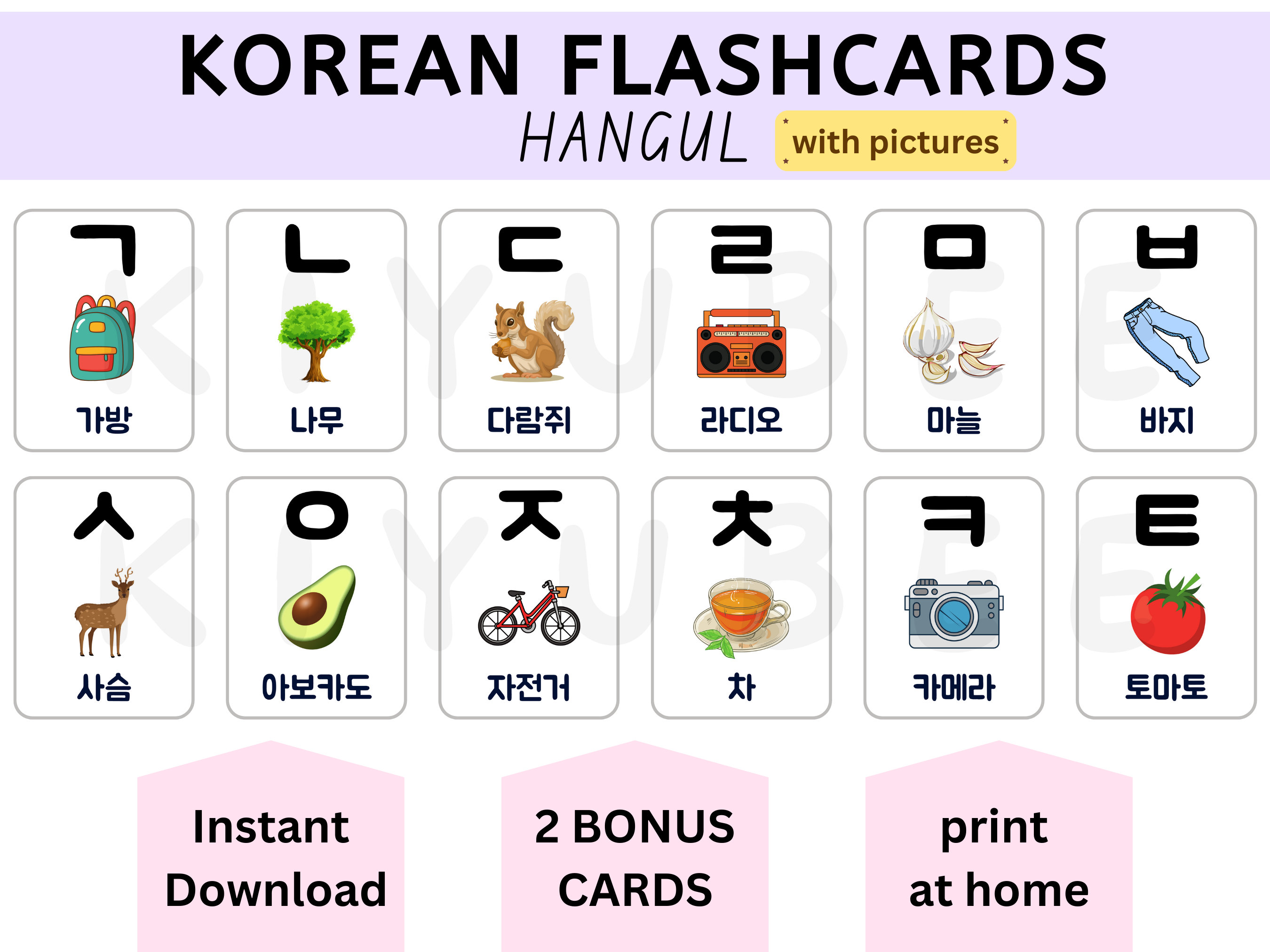
Korean picture flashcards utilize authentic photographic imagery paired with bilingual linguistic scaffolding to accelerate early cognitive development and visual-spatial processing. According to the National Association for the Education of Young Children (NAEYC), multisensory visual tools significantly enhance semantic retention and memory encoding in early childhood learners. By integrating authentic Photo Flashcards into daily routines, educators and parents create structured opportunities for young children to connect concrete visual objects with abstract linguistic concepts.
Visual Learning & Skill Snapshot:
- Core Focus: Authentic photographic cards combined with structured printable grid drawing worksheets.
- Target Skill: Spatial reasoning, visual discrimination, fine-motor proportion estimation, and vocabulary acquisition.
- Key Recommendation: Pair photographic cards directly with proportional Grid Drawing matrices to bridge observation and drawing.
Core Principles and Visual Learning Overview
Korean picture flashcards serve as foundational cognitive anchors that strengthen observation skills, visual discrimination, and spatial awareness when paired with printable grid drawing worksheets. Transitioning from observing a real-world photograph to replicating its proportions within a localized grid structure forces the child’s brain to break down complex visual data into manageable geometric segments. This methodical breakdown fosters essential pre-writing skills, concentration, and meticulous proportion estimation, which are critical milestones covered extensively in specialized Educational Activities.
Key Specifications and Breakdown
| Age / Learning Stage | Visual Skill & Grid Ratio | Pedagogical Application & Scaffolding |
|---|---|---|
| Ages 3 to 4 (Early Preschool) | Basic 2×2 grids with high-contrast photographic cards. | Focuses on whole-object recognition and matching basic geometric shapes. |
| Ages 5 to 6 (Kindergarten) | Standard 3×3 grids featuring detailed objects and animals. | Enhances quadrant awareness, directional tracking, and fine-motor pencil control. |
| Ages 7 to 8 (Early Elementary) | Complex 4×4 or 5×5 grids utilizing intricate cultural imagery. | Strengthens advanced proportion estimation, critical observation, and independent rendering. |
Visual-spatial manipulation of structured pictorial grids directly correlates with enhanced geometric reasoning and mathematical problem-solving capacity in early elementary students. — National Art Education Association (NAEA)
Step-by-Step Practical Application and Printing Guidelines
Executing effective visual drawing sessions with photographic flashcards requires high-resolution cardstock printing, precise grid alignment, and progressive complexity scaling. Educators should begin by printing cards on durable, matte-laminated paper to eliminate reflective glare during close visual inspection. Next, display the selected picture card beside a blank corresponding grid sheet, guiding children to analyze one individual grid square at a time rather than overwhelming the visual cortex with the entire image simultaneously.
Common Challenges and How to Avoid Them
Overcoming spatial frustration and inaccurate proportion scaling involves breaking complex visual shapes down into simpler, manageable geometric components. Young learners frequently struggle when attempting to draw entire objects at once, which often leads to distorted scaling across grid lines. Instructors must intervene by encouraging children to isolate single coordinates on the flashcard and replicate only the intersecting lines contained within that specific boundary before moving to adjacent squares.
💬 Frequently Asked Questions
Explore More Free Learning Printables and Visual Activities on WePhotoAgency
Enhance early childhood development curricula by discovering a comprehensive collection of printable resources, observational guides, and creative drawing tools available through WePhotoAgency.com. Accessing these professional printables equips educators and parents with structured, research-backed materials designed to cultivate lifelong visual literacy and spatial mastery.
Visual Reference Gallery