Introduction
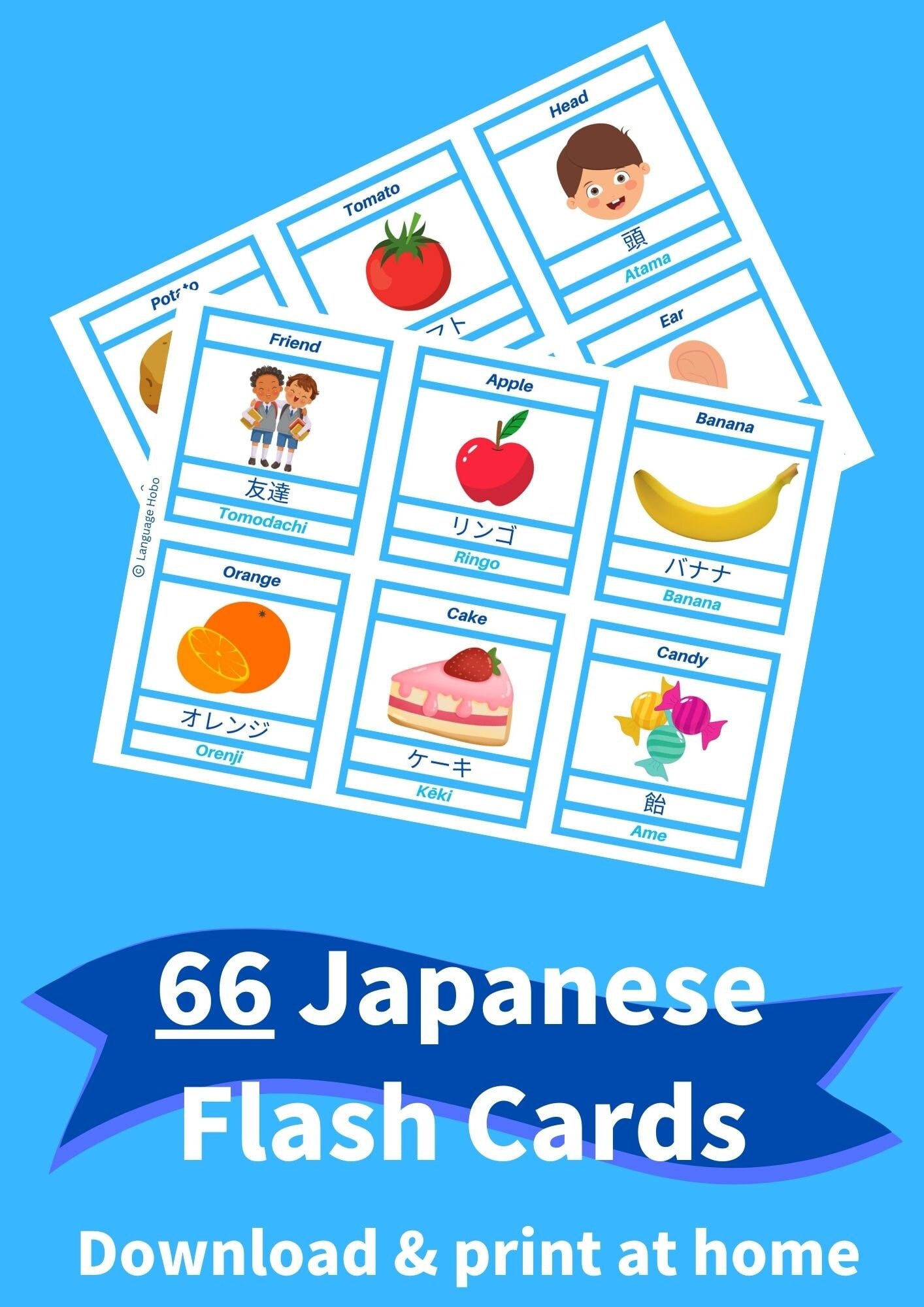
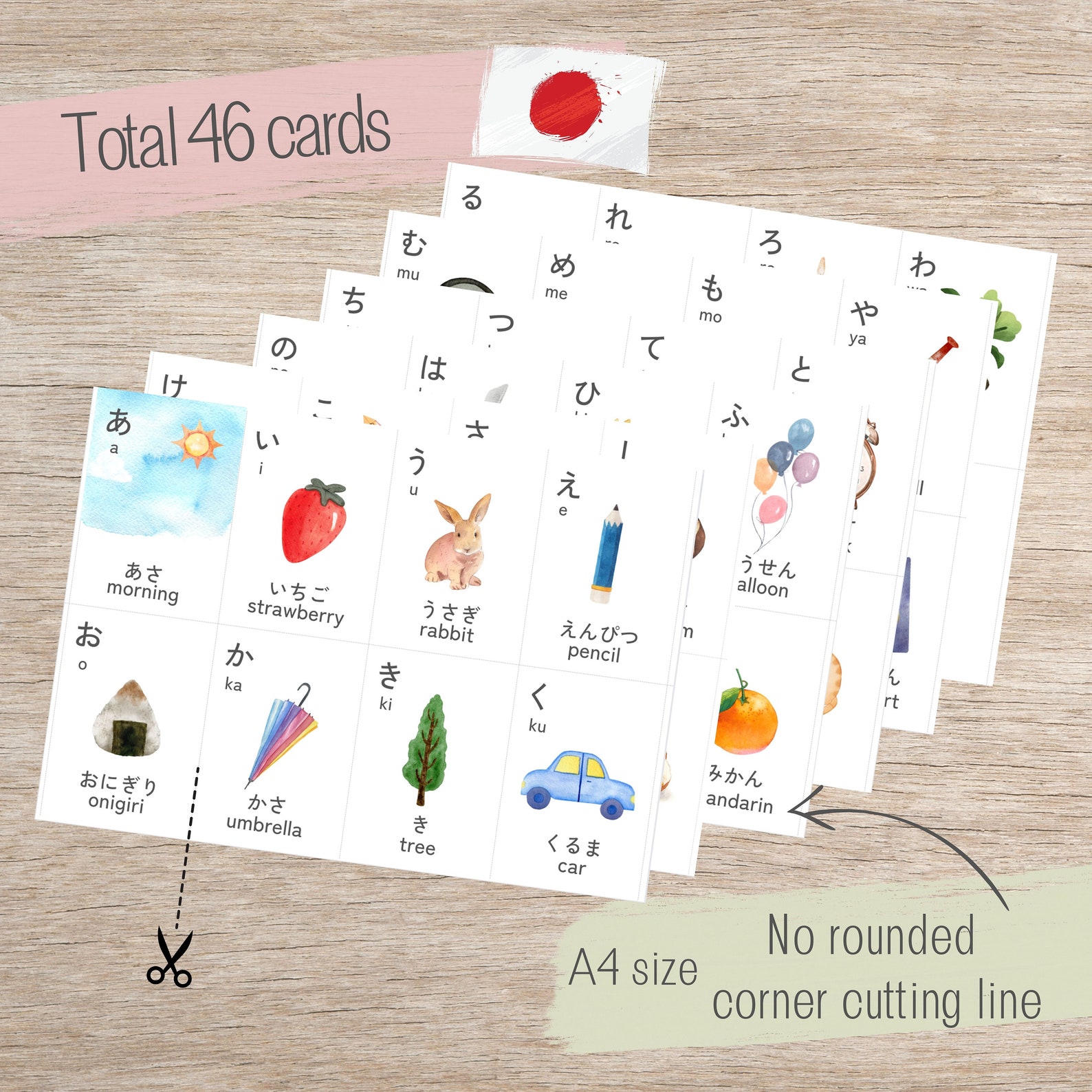
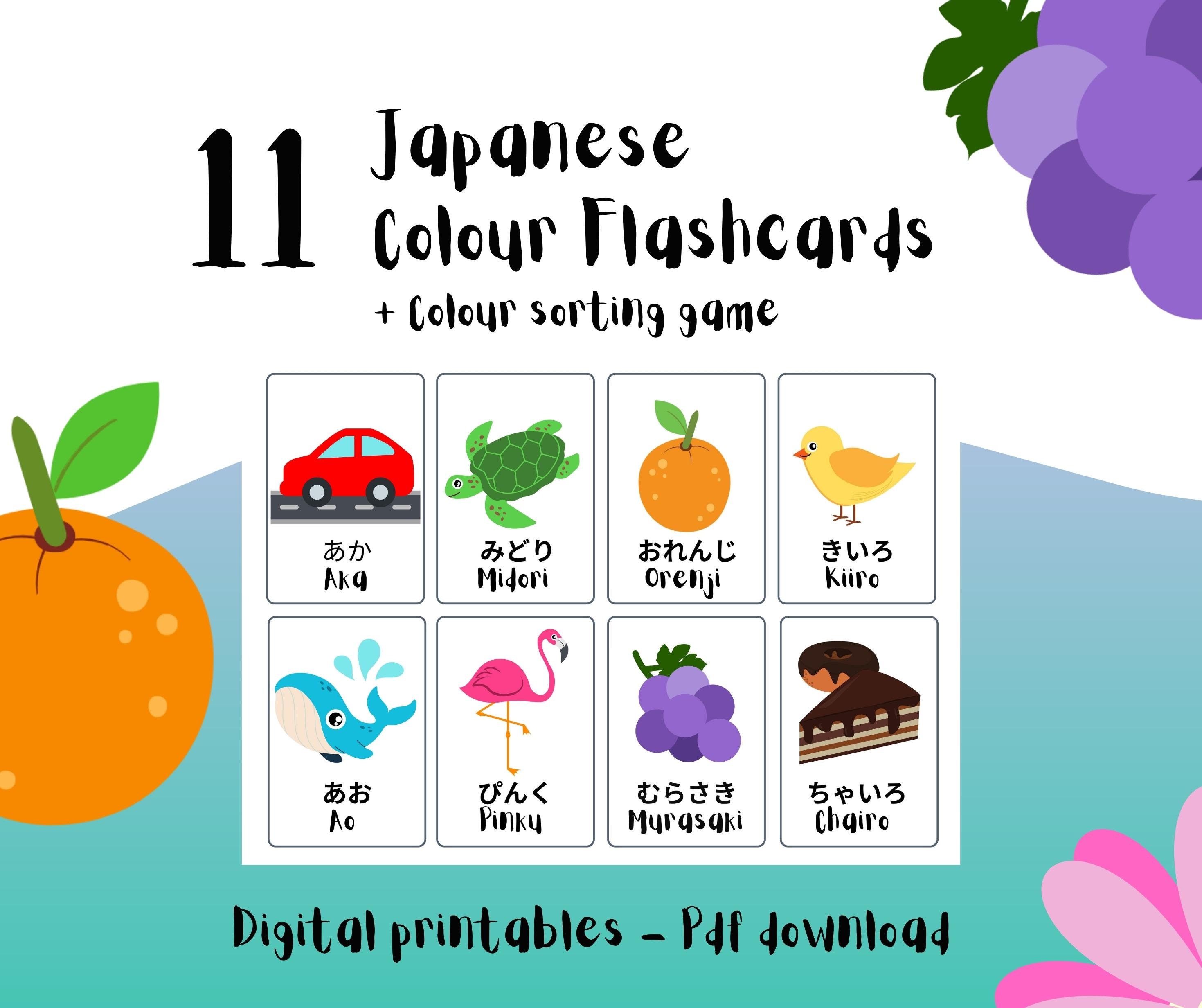
Japanese picture flashcards function as structured visual cards that accelerate cognitive development, vocabulary acquisition, and perceptual tracking through clean photographic stimuli. According to the National Association for the Education of Young Children (NAEYC), high-contrast, real-world photographic materials significantly enhance visual discrimination and memory retention in early childhood learners. Integrating these methodologies with resources such as Photo Flashcards bridges abstract language acquisition with concrete visual literacy. Traditional Japanese educational cards prioritize minimalist design, high photographic fidelity, and progressive complexity to minimize cognitive overload.
Visual Learning & Skill Snapshot:
- Core Focus: Japanese picture flashcards utilize authentic photographic imagery combined with minimalist typographic grids to systematically strengthen visual discrimination and dual-coding memory pathways.
- Target Skill: Spatial reasoning, visual discrimination, fine-motor proportion estimation, and cross-lingual concept mapping.
- Key Recommendation: Pair high-resolution photographic cards directly with structured Grid Drawing exercises to translate visual input into precise proportional execution.
Core Principles and Visual Learning Overview
Japanese picture flashcards rely on the principle of reductionism, stripping away distracting background noise to present solitary, crisp photographic subjects that command immediate visual focus. This design philosophy aligns with cognitive load theory, ensuring that young learners process individual shapes, proportions, and spatial coordinates without sensory fatigue. When children pair these photographic cards with Educational Activities focused on geometry and symmetry, they rapidly develop advanced spatial awareness, accurate proportion estimation, and acute observation skills that underpin both mathematical reasoning and fine-art proficiency.
Key Specifications and Breakdown
| Age / Learning Stage | Visual Skill & Grid Ratio | Pedagogical Application & Scaffolding |
|---|---|---|
| Ages 3 to 4 (Early Exploration) | 1×1 Unpartitioned to 2×2 Grid | Focuses on whole-image object recognition, macro-feature identification, and basic matching exercises. |
| Ages 5 to 7 (Core Development) | 3×3 to 4×4 Proportional Grid | Enables coordinate mapping, line intersection analysis, and systematic hand-eye motor translation. |
| Ages 8+ (Advanced Refinement) | Multi-tier Complex Grids | Cultivates precise scale-transfer, foreshortening observation, and detailed graphic representation. |
Visual processing and spatial reasoning benchmarks are maximized when instructional materials combine clean photographic realism with structured grid-transfer tasks — National Art Education Association (NAEA)
Step-by-Step Practical Application and Printing Guidelines
Executing structured visual drawing sessions requires high-resolution cardstock printing, precise grid alignment, and deliberate observation pacing. Educators should first print authentic photographic cards alongside corresponding coordinate grid worksheets at 100 percent scale without auto-scaling distortion. Instructors must guide learners to analyze a single grid quadrant at a time on the photographic source before executing the corresponding lines on the blank drawing grid. This methodological isolation prevents overwhelm, trains the brain to look at negative space rather than preconceived object symbols, and builds rigorous hand-control habits.
Common Challenges and How to Avoid Them
Young learners frequently struggle with proportion distortion when shifting focus from a whole photographic card to isolated grid coordinates, often rushing straight into details before blocking out primary shapes. To counteract this tendency, facilitators should encourage light preliminary sketching using geometric outlines—circles, triangles, and bounding boxes—within each grid sector prior to final line work. Furthermore, maintaining uniform card dimensions and clear, bold grid lines ensures that children can easily cross-reference spatial coordinates without losing their visual place.
💬 Frequently Asked Questions
Explore More Free Learning Printables and Visual Activities on WePhotoAgency
Expanding early childhood curricula with authentic visual materials provides foundational support for lifelong artistic and cognitive achievement. Educators, parents, and homeschoolers can access an extensive, continually updated catalog of professional learning assets, photo cards, and drawing worksheets directly through WePhotoAgency.com to elevate daily instructional practices.
Visual Reference Gallery