Introduction
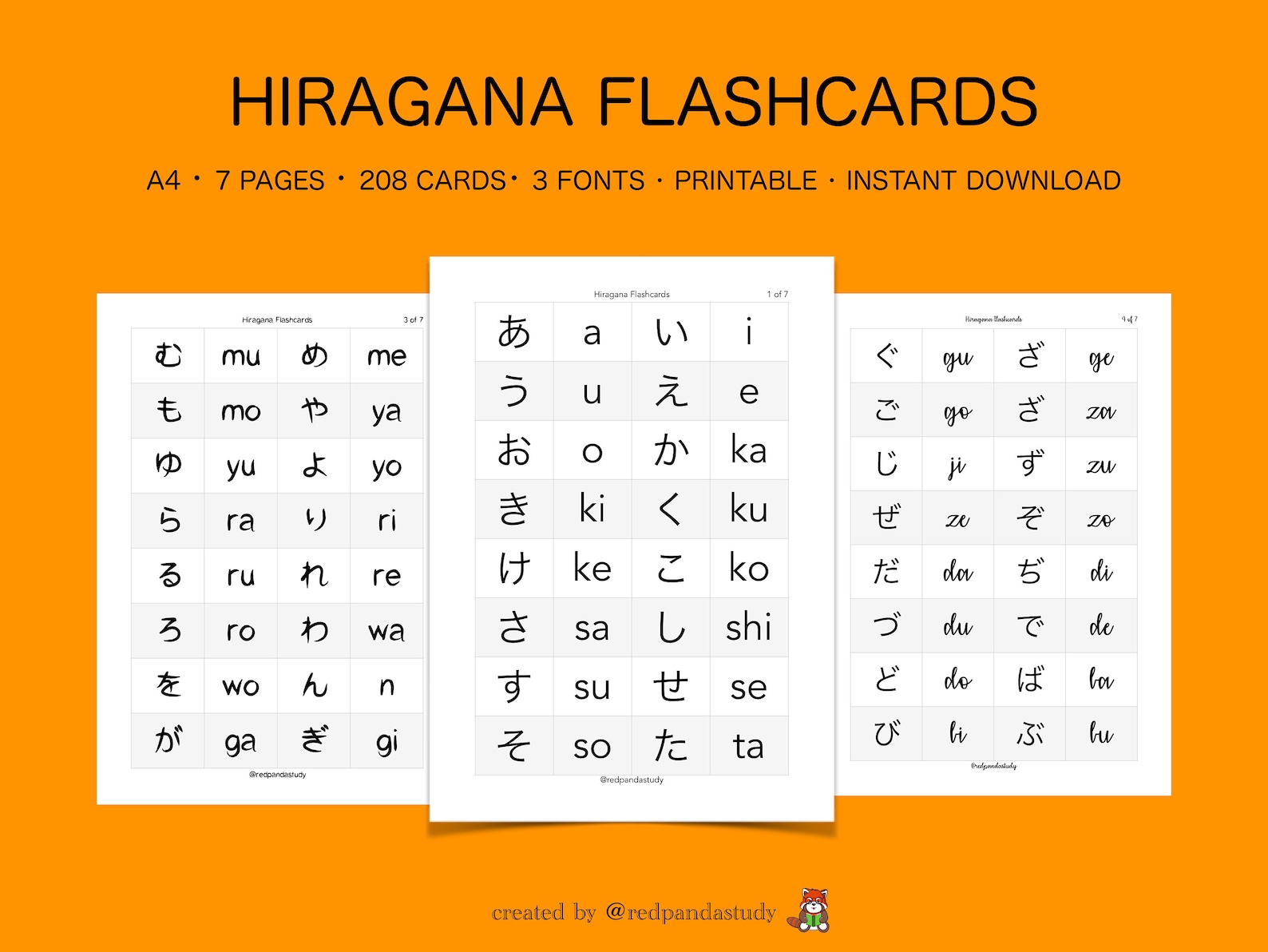
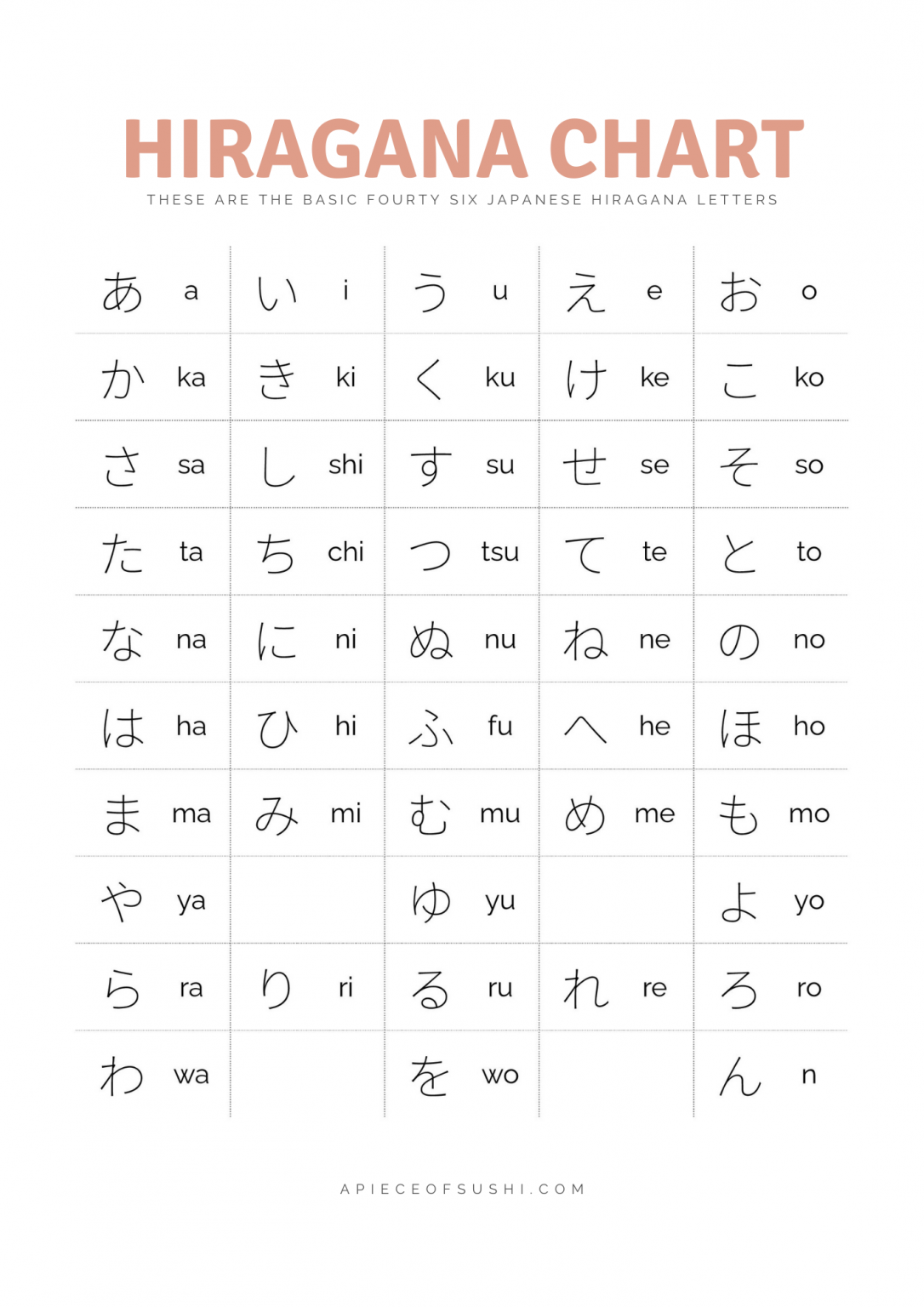
Japanese hiragana flashcards printable resources serve as essential visual-spatial tools that bridge phonetic character acquisition with proportional grid drawing, real photographic references, and fine-motor precision exercises. According to the National Association for the Education of Young Children (NAEYC), multi-sensory visual learning tools significantly enhance cognitive schema development and early literacy retention among young learners. Integrating character flashcards with structured drawing methods transforms abstract symbols into manageable visual proportions.
Visual Learning & Skill Snapshot:
- Core Focus: Printable Japanese hiragana flashcards combined with grid drawing worksheets for visual-spatial mastery.
- Target Skill: Spatial reasoning, visual discrimination, fine-motor proportion estimation, and cross-cultural symbol recognition.
- Key Recommendation: Pair photographic stimulus cards with proportional grid tracking sheets to reinforce hand-eye coordination.
Core Principles and Visual Learning Overview
Japanese hiragana flashcards printable materials operate on foundational cognitive principles where visual memory correlates directly with spatial proportion estimation and structured grid analysis. When children analyze stroke directions through real photographic references and grid layouts, the brain processes complex curves as geometric coordinates rather than abstract marks. This method relies heavily on targeted Photo Flashcards to ground unfamiliar linguistic characters in concrete visual contexts, reducing cognitive overload during early language decoding stages.
Key Specifications and Breakdown
| Age / Learning Stage | Visual Skill & Grid Ratio | Pedagogical Application & Scaffolding |
|---|---|---|
| Ages 3–4 (Early Exploration) | 1:1 Macro Grid Scaling | Utilizing large-format visual cards paired with basic Grid Drawing exercises to build gross motor control. |
| Ages 5–6 (Foundation Stage) | 2:1 Proportional Mapping | Bridging photographic mnemonics with standard hiragana grid worksheets to isolate individual stroke angles. |
| Ages 7+ (Refinement Stage) | Precision Grid Estimation | Practicing memory recall through timed flashcard sorting and autonomous spatial proportion duplication. |
Proportional grid integration strengthens spatial working memory and bilateral coordination by requiring simultaneous visual analysis and motor execution — National Art Education Association (NAEA)
Step-by-Step Practical Application and Printing Guidelines
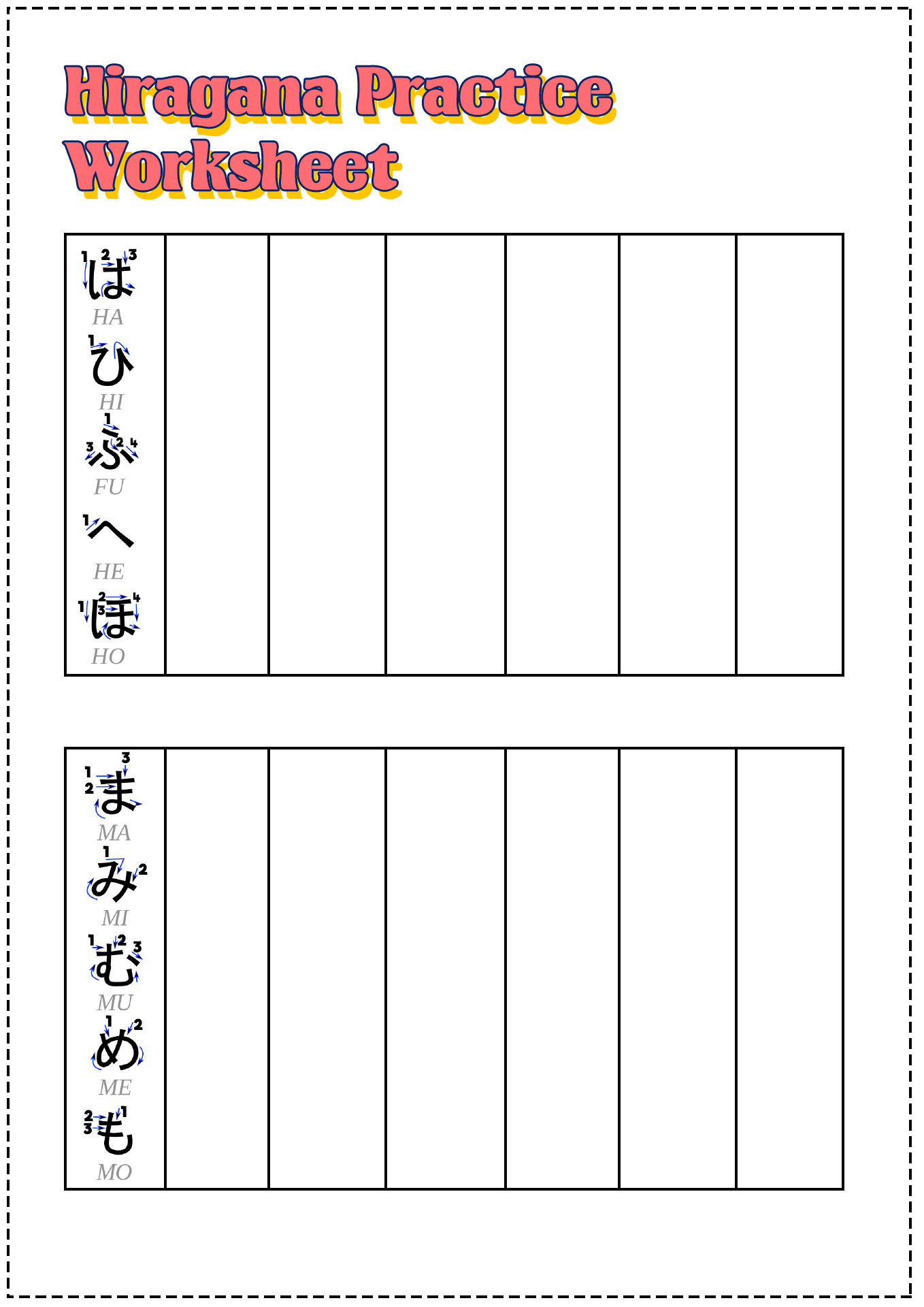
Japanese hiragana flashcards printable documents achieve optimal educational outcomes when printed on heavy cardstock (110lb+) and laminated for durability during tactile sorting activities. Educators should initiate lessons by displaying the photographic cue card alongside the target hiragana symbol, guiding the learner to identify key intersecting points on a corresponding Educational Activities template. Students then replicate the curves quadrant by quadrant, ensuring accurate proportion estimation before transitioning to unassisted writing drills.
Common Challenges and How to Avoid Them
Learners frequently struggle with reverse character orientation and disproportionate stroke scaling when transitioning from visual flashcards to blank writing surfaces. To mitigate these obstacles, instructors must enforce slow, deliberate grid-tracking exercises that isolate each quadrant of the character. Utilizing tactile tracing overlays and high-contrast photographic reference sheets ensures that children understand spatial boundaries and anchor points, completely eliminating guesswork during independent practice.
💬 Frequently Asked Questions
Explore More Free Learning Printables and Visual Activities on WePhotoAgency
Enhance early childhood development programs by utilizing expansive libraries of pedagogical resources, creative worksheets, and visual learning tools available directly through WePhotoAgency.com to support holistic student growth.
Visual Reference Gallery