Introduction
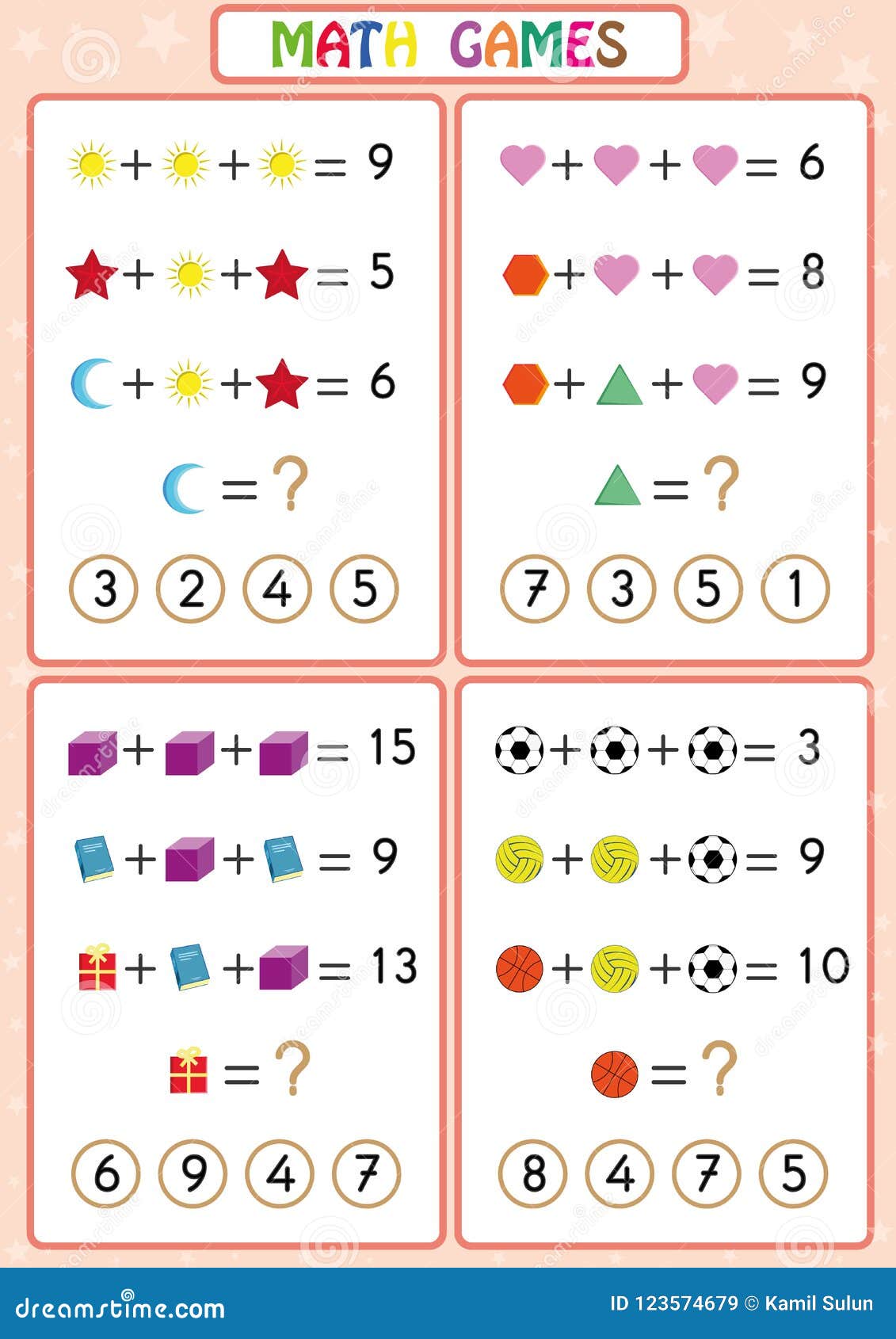
STEM day activities for kids integrate science, technology, engineering, and mathematics with foundational visual arts methodologies to bridge cognitive development and spatial awareness. According to the National Art Education Association (NAEA), early engagement in structured drawing, visual observation, and proportion estimation significantly enhances spatial reasoning and geometric problem-solving in young learners. Integrating printable worksheets and high-contrast imagery allows children to decode complex visual data into manageable geometric components. Exploring structured Educational Activities provides educators and parents with reliable frameworks to foster early analytical thinking through art.
Visual Learning & Skill Snapshot:
- Core Focus: STEM day activities for kids combine artistic observation with mathematical spatial analysis.
- Target Skill: Spatial reasoning, visual discrimination, fine-motor proportion, and photo-based concept mastery.
- Key Recommendation: Pair high-contrast reference images with gridded coordinate worksheets to scaffold geometric accuracy.
Core Principles and Visual Learning Overview
STEM day activities for kids rely on systematic visual analysis, translating abstract shapes into concrete coordinates through grid-based drawing and photo interpretation. By breaking complex photographic subjects into smaller coordinate squares, children practice coordinate mapping, scale estimation, and fraction visualization without formal mathematical instruction. Utilizing structured resources such as Grid Drawing worksheets transforms intuitive drawing into a rigorous analytical exercise. Furthermore, incorporating realistic reference materials deepens observational acuity and botanical, zoological, or architectural comprehension.
Key Specifications and Breakdown
| Age / Learning Stage | Visual Skill & Grid Ratio | Pedagogical Application & Scaffolding |
|---|---|---|
| Ages 4-6 (Early Kindergarten) | 2×2 to 4×4 coordinate grids with simple photo outlines | Focuses on gross motor hand-eye coordination and quadrant identification using tactile real photo flashcards. |
| Ages 7-9 (Early Elementary) | 6×6 to 8×8 intermediate grids with intricate object details | Emphasizes proportion estimation, negative space observation, and line accuracy matching. |
| Ages 10-12 (Upper Elementary) | 10×10 complex grids with high-detail photographic subjects | Develops advanced geometric scaling, ratio calculation, and independent error correction. |
Visual-spatial training through structured grid coordination directly correlates with enhanced mental rotation capabilities and algebraic readiness in early childhood cognitive assessments. — National Art Education Association (NAEA)
Step-by-Step Practical Application and Printing Guidelines
Executing effective STEM day activities for kids requires high-resolution printable materials, clear contrast, and structured progressive difficulty. Educators should select reference subjects from Photo Flashcards to ensure children analyze authentic photographic data rather than simplified cartoons. Print worksheets on heavy cardstock (minimum 65 lb weight) to prevent pencil tears and curling during intensive erasing and redrawing. Instruct learners to isolate one grid square at a time using a paper mask, reducing cognitive overload and training focused visual attention on local rather than global details.
Common Challenges and How to Avoid Them
Frustration during STEM day activities for kids typically stems from premature scaling complexity and a lack of systematic grid navigation habits. Children frequently attempt to draw entire objects at once rather than transferring lines quadrant by quadrant, leading to disproportionate scaling errors. Educators can resolve this by modeling the “coordinate-first” checking method, where young artists verify line intersections against grid coordinates before shading or detailing. Ensuring proper workspace lighting and using non-smudge graphite pencils further eliminates mechanical barriers to successful completion.
💬 Frequently Asked Questions
Explore More Free Learning Printables and Visual Activities on WePhotoAgency
Accessing high-quality educational resources empowers educators and parents to transform everyday lessons into engaging interdisciplinary experiences. Discover an extensive collection of printable learning materials, visual guides, and creative exercises by exploring the primary archive at WePhotoAgency.com today.
Visual Reference Gallery