Introduction
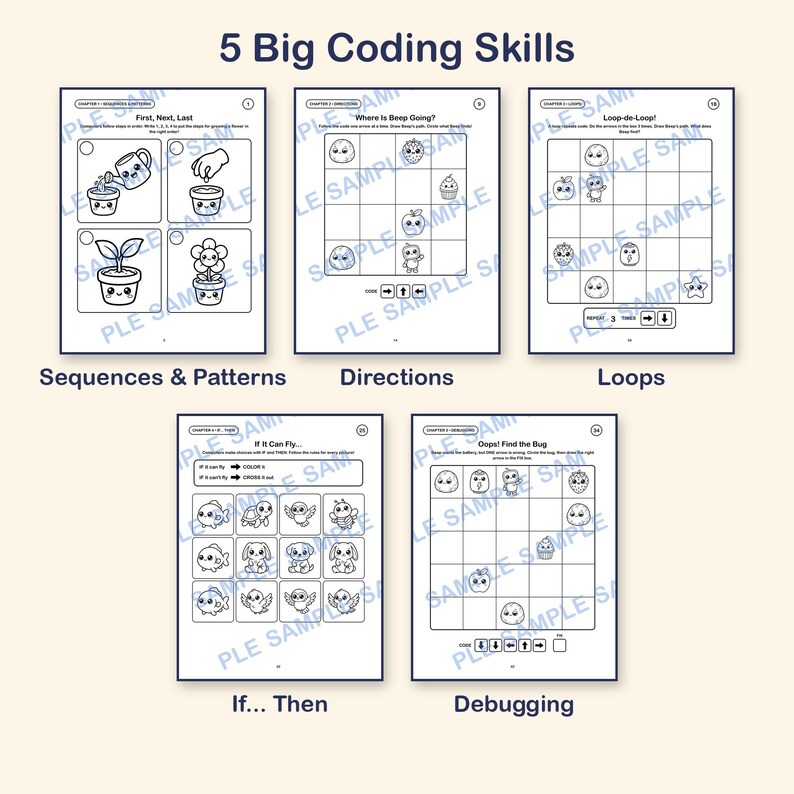
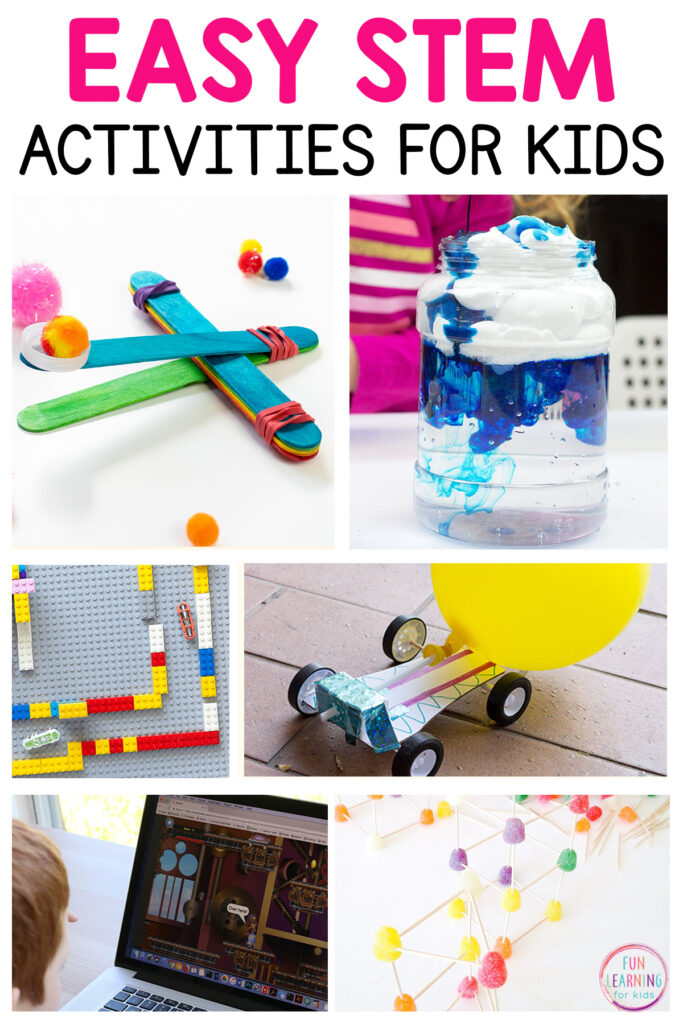
Stem activities for kids twin cities seamlessly integrate rigorous science, technology, engineering, and mathematics principles with high-impact visual arts education, fostering critical early childhood cognitive development across metropolitan learning environments. According to the National Association for the Education of Young Children (NAEYC), purposeful integration of visual arts and hands-on spatial problem-solving significantly enhances early mathematical proficiency and fine-motor coordination. Educators, homeschoolers, and parents across the region leverage printable grid drawing worksheets and real photo visual flashcards to bridge abstract STEM concepts with concrete observational practice. Grounding spatial awareness in tactile, print-based exercises ensures that young learners develop vital proportion estimation skills and analytical observation techniques necessary for long-term academic success.
Visual Learning & Skill Snapshot:
- Core Focus: Hands-on stem activities for kids twin cities utilizing grid drawing and visual photo flashcards.
- Target Skill: Spatial reasoning, visual discrimination, fine-motor proportion, and analytical observation.
- Key Recommendation: Pair photographic reference cards directly with scaled grid worksheets to maximize cognitive transfer.
Core Principles and Visual Learning Overview
Rigorous cognitive frameworks define modern stem activities for kids twin cities by treating visual observation as a fundamental data-collection mechanism. When young children analyze photographic flashcards, visual cortex activation supports pattern recognition, scale translation, and geometric mapping. Utilizing structured Grid Drawing exercises teaches learners to break complex organic shapes into manageable Cartesian coordinate sections. This mathematical breakdown turns artistic rendering into a clear engineering challenge, requiring children to measure, estimate proportions, and replicate spatial relationships coordinate by coordinate. Such cross-disciplinary exercises directly reinforce structural thinking without sacrificing the intuitive joy of creative expression.
Key Specifications and Breakdown
| Age / Learning Stage | Visual Skill & Grid Ratio | Pedagogical Application & Scaffolding |
|---|---|---|
| Ages 4-5 (Early Learners) | 2×2 or 3×3 simple picture grids | Focuses on basic shape identification and high-contrast Photo Flashcards for matching. |
| Ages 6-7 (Early Elementary) | 4×4 proportional coordinate grids | Introduces line precision, symmetry, and fraction estimation through guided Educational Activities. |
| Ages 8-9 (Advanced Primary) | 6×6 complex multi-quadrant grids | Emphasizes detailed scaling, perspective mapping, and independent error correction. |
Visual-spatial competence serves as a foundational predictor of later achievement in science, technology, engineering, and mathematics. — National Art Education Association (NAEA). For more related activities, check out our Stem Activities For Kids Engineering.
Step-by-Step Practical Application and Printing Guidelines
Executing effective stem activities for kids twin cities requires clear preparation of print materials, sturdy cardstock, and structured workspace organization. Begin by selecting high-resolution photographic flashcards depicting real-world architectural landmarks, local nature scenes, or biological specimens. Print matching grid-overlay worksheets on heavy 110lb matte cardstock to prevent pencil tearing during repeated erasing and measuring. Instruct children to examine one single grid coordinate at a time on the reference image before transferring line weights to their blank working grid. This methodical isolation prevents cognitive overload and teaches patience, meticulous data tracking, and disciplined spatial planning.
Common Challenges and How to Avoid Them
Overcoming frustration during proportion scaling is essential for keeping stem activities for kids twin cities engaging and confidence-building. Young learners frequently rush through complex sections, leading to distorted drawings and miscalculated spatial coordinates. Educators and parents can mitigate this by introducing opaque viewfinder cards that isolate a single grid square, forcing the child to ignore surrounding visual distractions. Furthermore, establishing a step-by-step verification routine—where learners check line intersections against the master reference photo before moving to the next box—transforms accidental errors into valuable problem-solving milestones.
💬 Frequently Asked Questions
Explore More Free Learning Printables and Visual Activities on WePhotoAgency
Expanding early childhood enrichment opportunities across the region becomes effortless when utilizing professionally designed, printable educational resources. Educators and families are encouraged to discover comprehensive worksheets, visual flashcards, and creative project guides by visiting WePhotoAgency.com to support holistic childhood development today.
Visual Reference Gallery