Introduction
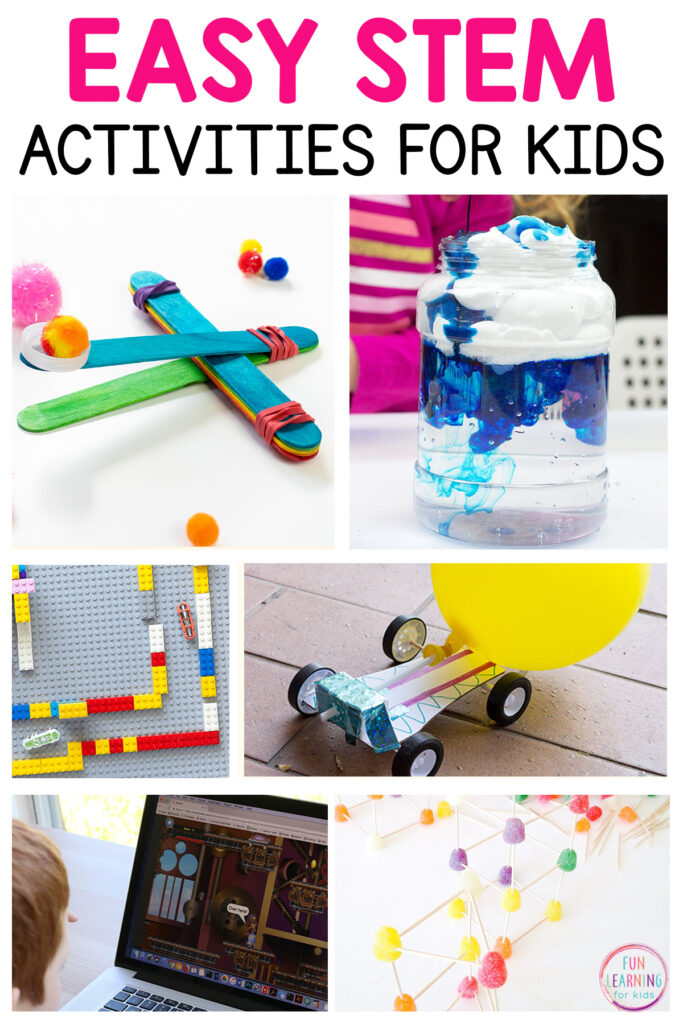
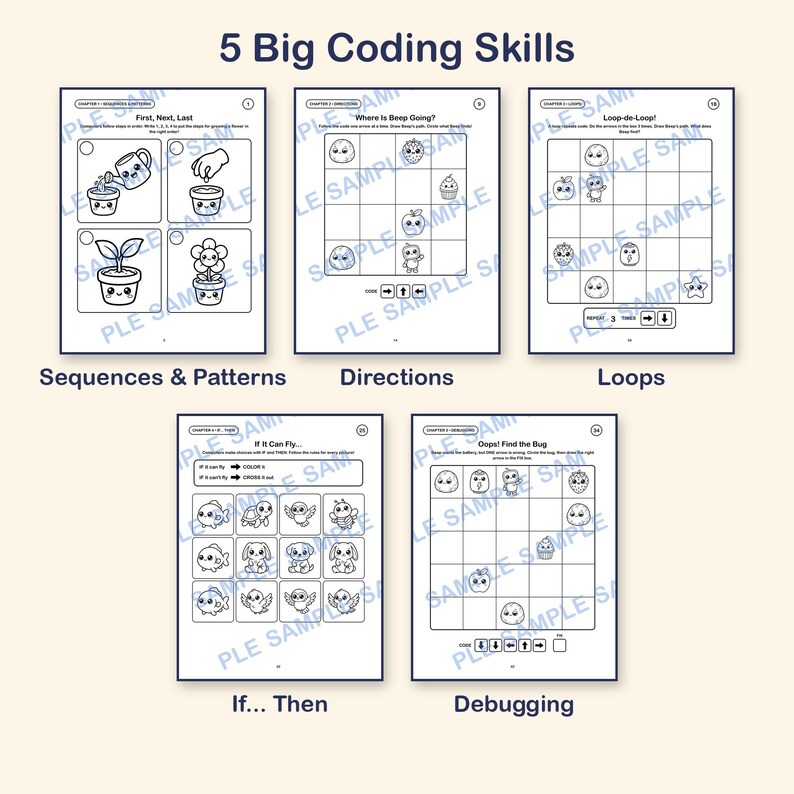
Stem activities for kids to do at home integrate foundational science, technology, engineering, and mathematics concepts directly with visual arts and spatial reasoning practices. According to the National Association for the Education of Young Children (NAEYC), purposeful manipulation of concrete visual tools and structured drawing grids actively scaffolds early mathematical proportion, cognitive mapping, and fine-motor coordination. Educators and parents seeking to foster rigorous yet accessible home learning can utilize printable Grid Drawing worksheets and high-contrast photographic references to bridge artistic creativity with analytical precision. These multidisciplinary exercises transform casual play into structured observational learning, ensuring young children build essential cognitive foundations without requiring complex laboratory equipment.
Visual Learning & Skill Snapshot:
- Core Focus: Implementing stem activities for kids to do at home through printable grid systems and photo-based observation.
- Target Skill: Spatial reasoning, visual discrimination, fine-motor proportion, and coordinate mapping.
- Key Recommendation: Pair photographic references with simple coordinate grids to ground abstract spatial concepts in concrete visual evidence.
Core Principles and Visual Learning Overview
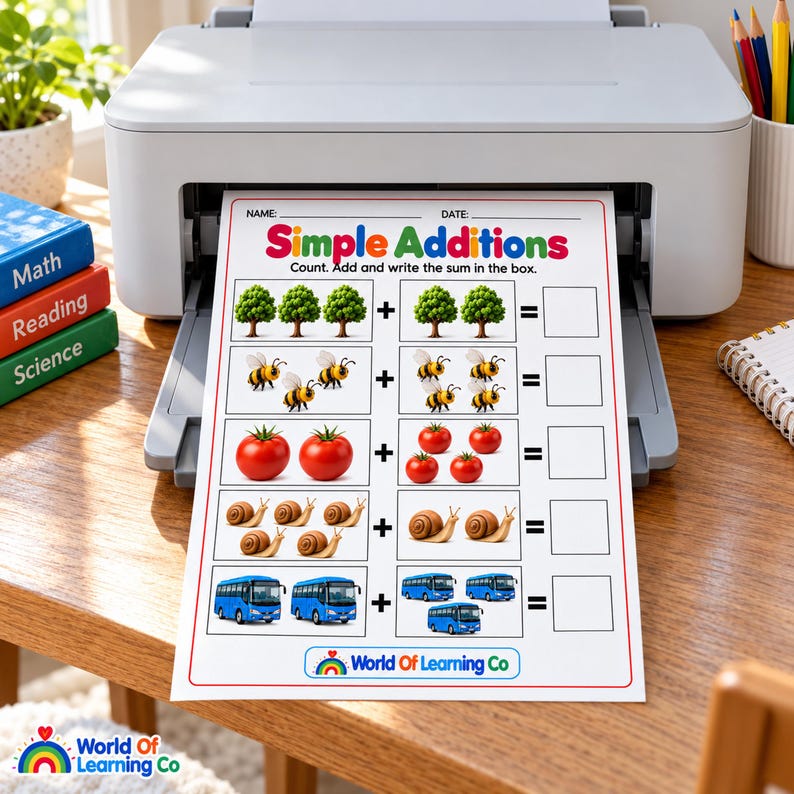
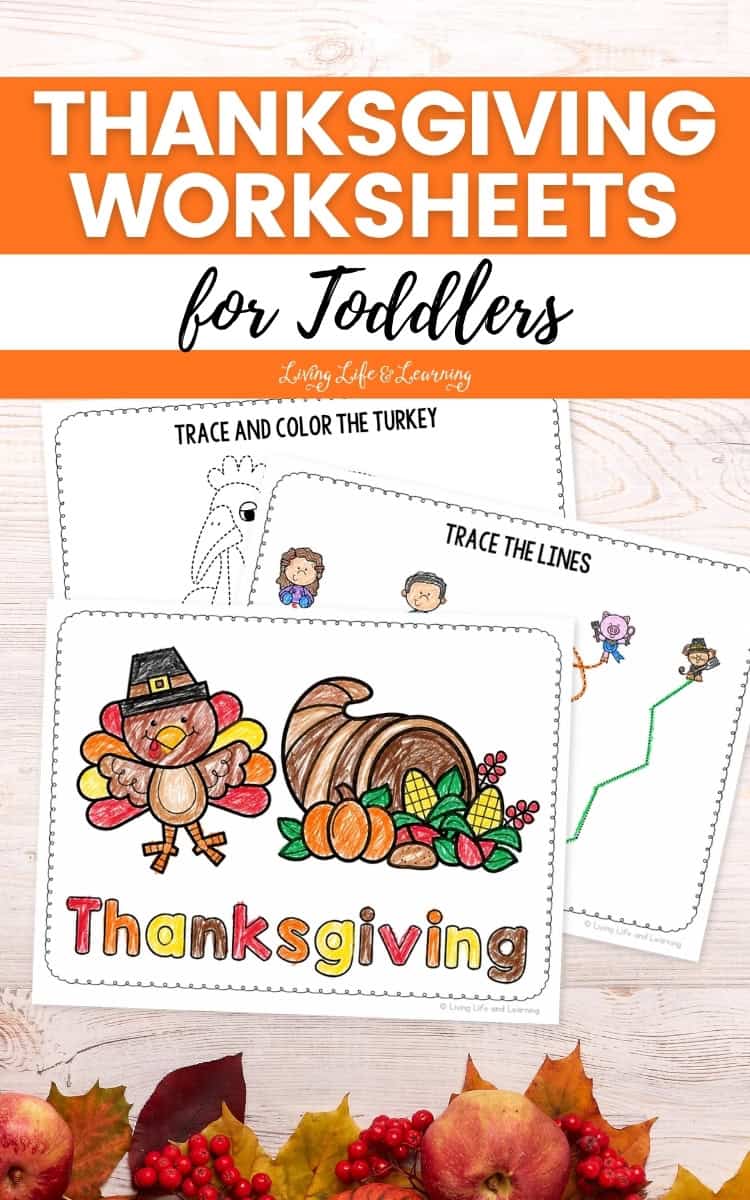
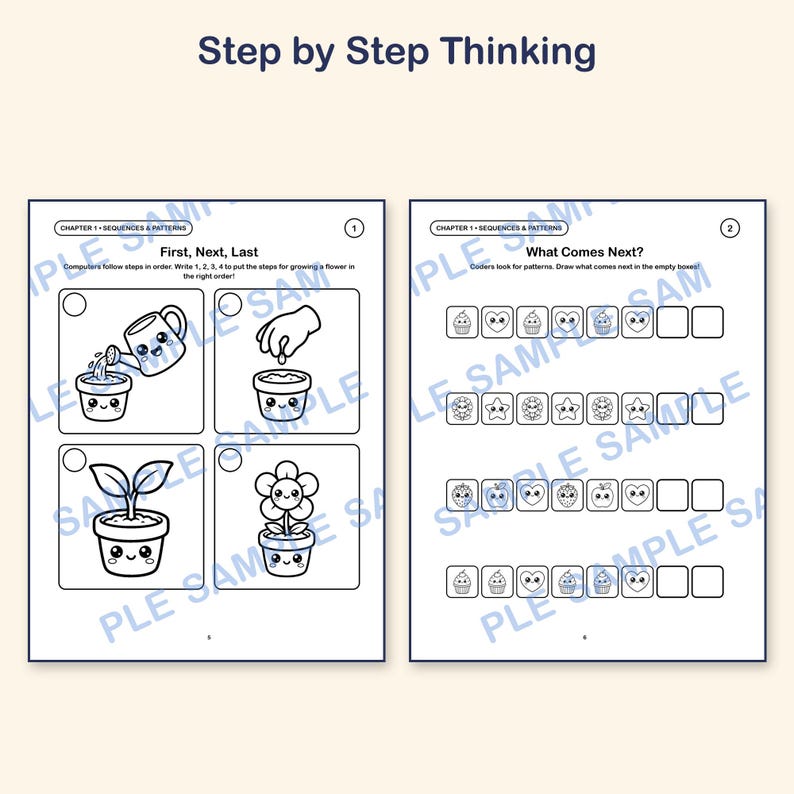
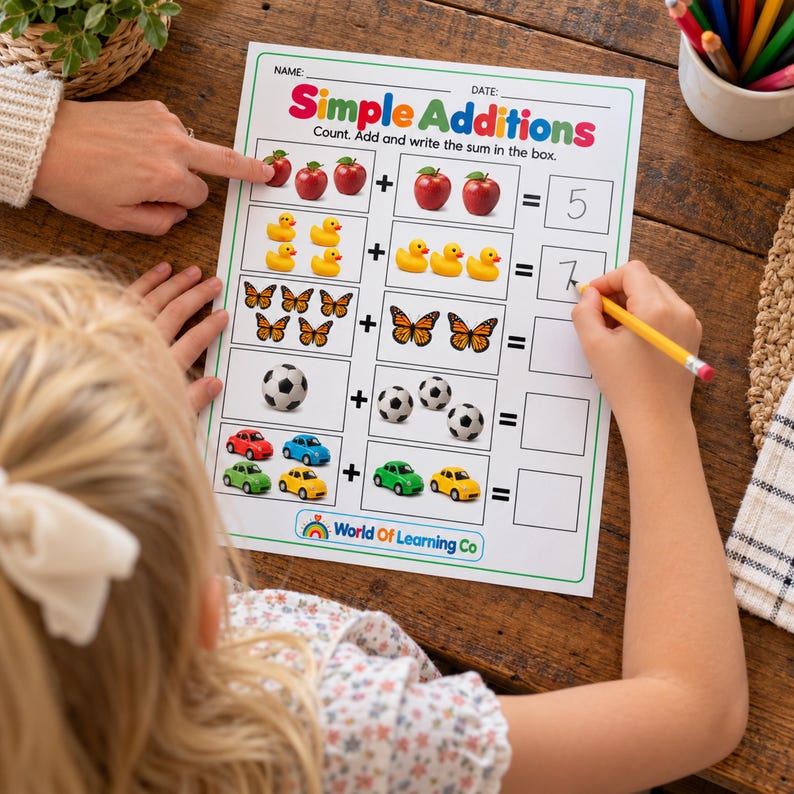
Visual-spatial integration relies on the brain’s ability to translate three-dimensional observations into two-dimensional representations through systematic measurement and scaling. When children engage with Photo Flashcards alongside structured geometric matrices, neural pathways responsible for geometric thinking and proportion estimation are heavily reinforced. This dual approach of examining authentic photographic subjects while decoding coordinate grids develops critical observation skills, teaching learners to isolate individual visual details rather than relying on generalized mental symbols. Such hands-on Educational Activities cultivate persistence, analytical problem-solving, and precise hand-eye coordination essential for early elementary success.
Key Specifications and Breakdown
| Age / Learning Stage | Visual Skill & Grid Ratio | Pedagogical Application & Scaffolding |
|---|---|---|
| Ages 4-5 (Early Learners) | 2×2 or 3×3 simple coordinate grids | Utilize high-contrast photographic flashcards to teach basic shapes, symmetry, and quadrant isolation. |
| Ages 6-7 (Transition Stage) | 4×4 proportional scaling grids | Implement detailed real-photo grid drawing worksheets to practice line precision, proportion, and spatial mapping. |
| Ages 8-9 (Early Elementary) | Multi-quadrant complex coordinate maps | Integrate botanical or architectural photo references to analyze intricate lines, angles, and scale conversion. |
Structured visual activities and coordinate drawing exercises demonstrably strengthen spatial working memory, geometric reasoning, and visual-motor integration in early childhood cognitive development. — National Association for the Education of Young Children (NAEYC)
Step-by-Step Practical Application and Printing Guidelines
Executing successful home-based visual stem lessons begins with high-resolution printing of grid templates and matching photo references on durable, heavyweight cardstock to prevent tearing during pencil work. Adults should instruct learners to focus on one single grid square at a time, covering adjacent squares with a blank paper mask to minimize visual overload and encourage analytical concentration. Encouraging children to verify line intersections and relative proportions before finalizing ink or crayon strokes transforms each worksheet into an exercise in self-correction and engineering design. Maintaining a distraction-free workspace with sharp pencils and fine-tipped markers ensures physical dexterity matches cognitive intent.
Common Challenges and How to Avoid Them
Frustration during grid drawing typically stems from attempting to replicate an entire image at once instead of isolating individual coordinates systematically. Educators can resolve this by modeling how to spot-check reference points using fingers or secondary straight edges to measure relative distances across grid lines. If young learners struggle with proportion scaling, stepping down to a simpler matrix size or utilizing larger photo flashcards provides immediate visual scaffolding until confidence and precision improve.
💬 Frequently Asked Questions
Explore More Free Learning Printables and Visual Activities on WePhotoAgency
Empowering young learners with rigorous, engaging, and artistically rich exercises requires accessible, high-quality resources designed specifically for cognitive growth. Discover an extensive collection of printable learning materials, developmental worksheets, and visual tools by exploring the full catalog at WePhotoAgency.com.
Visual Reference Gallery