Introduction
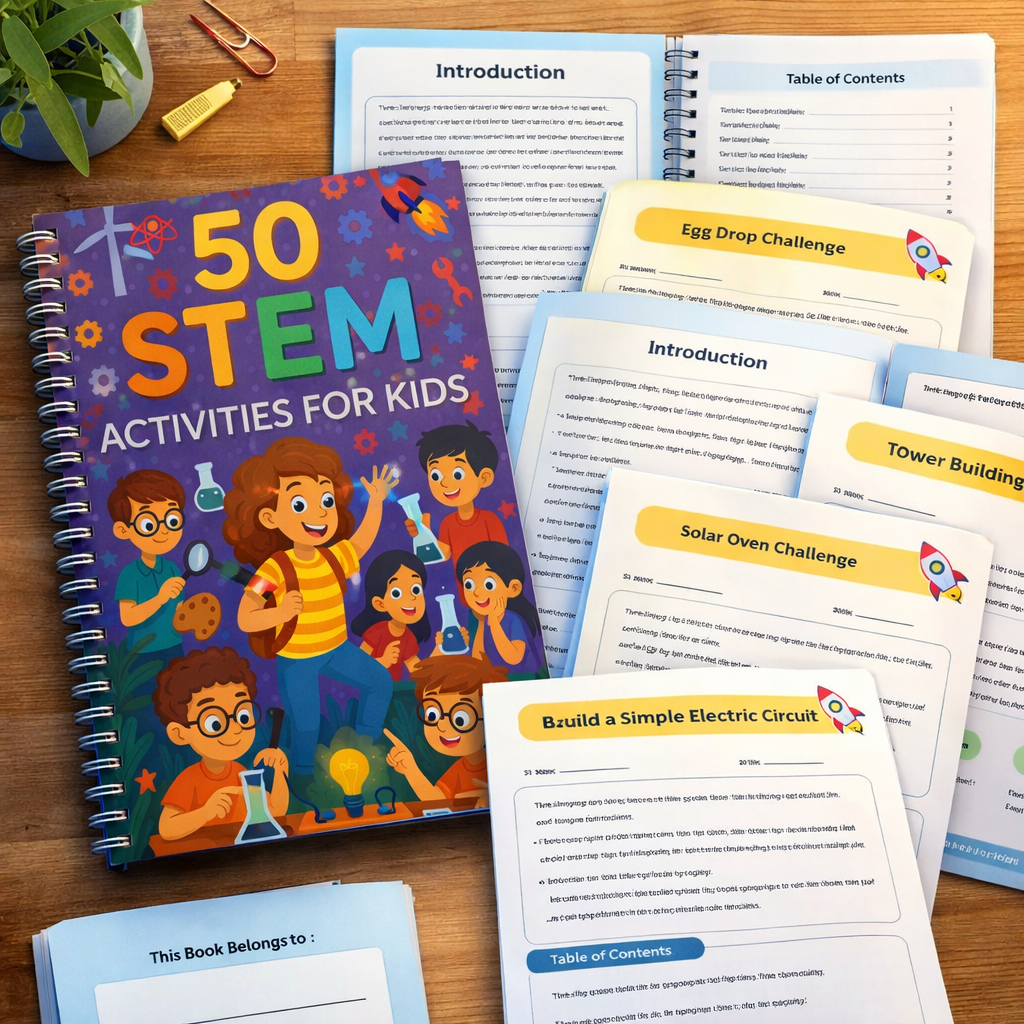
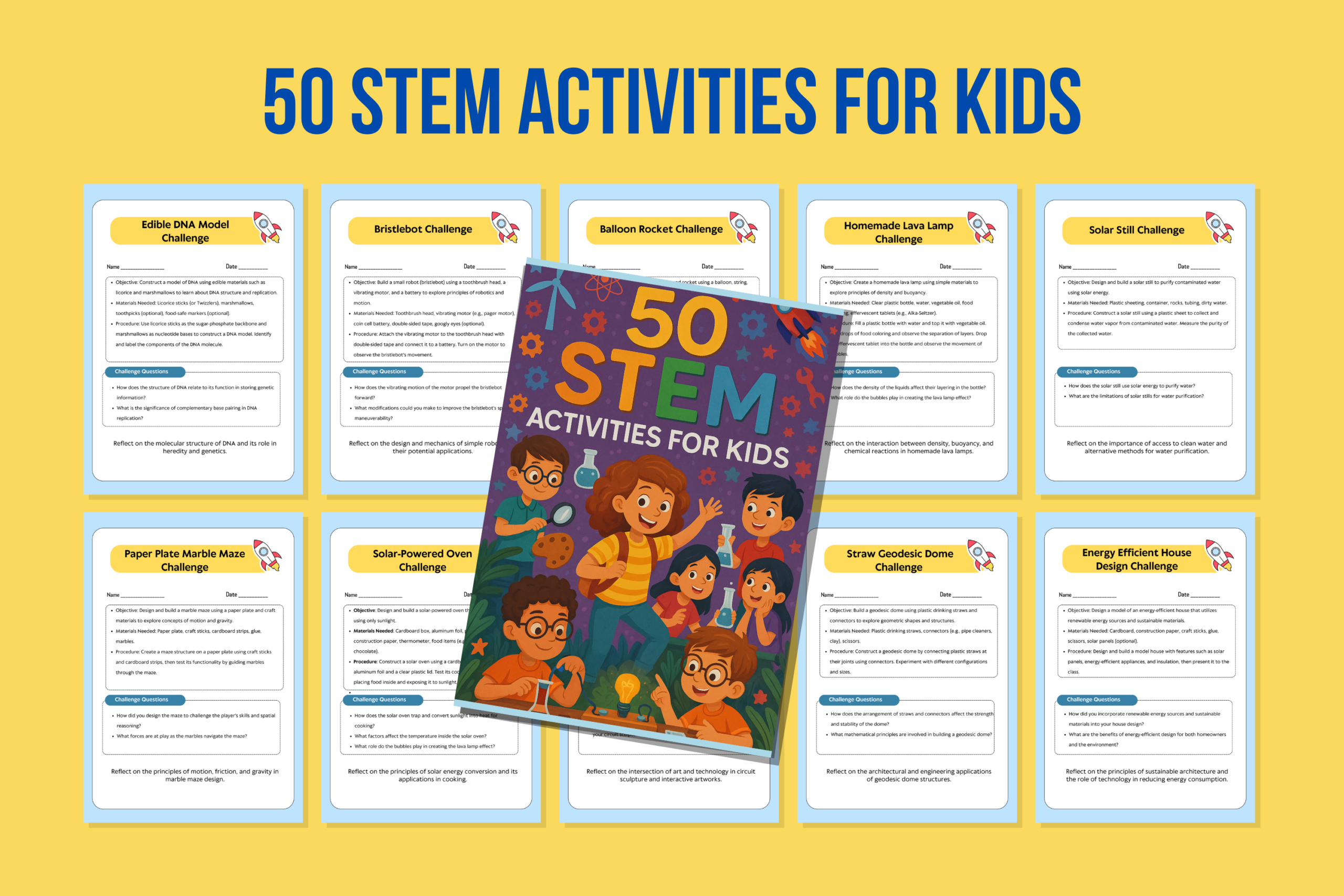
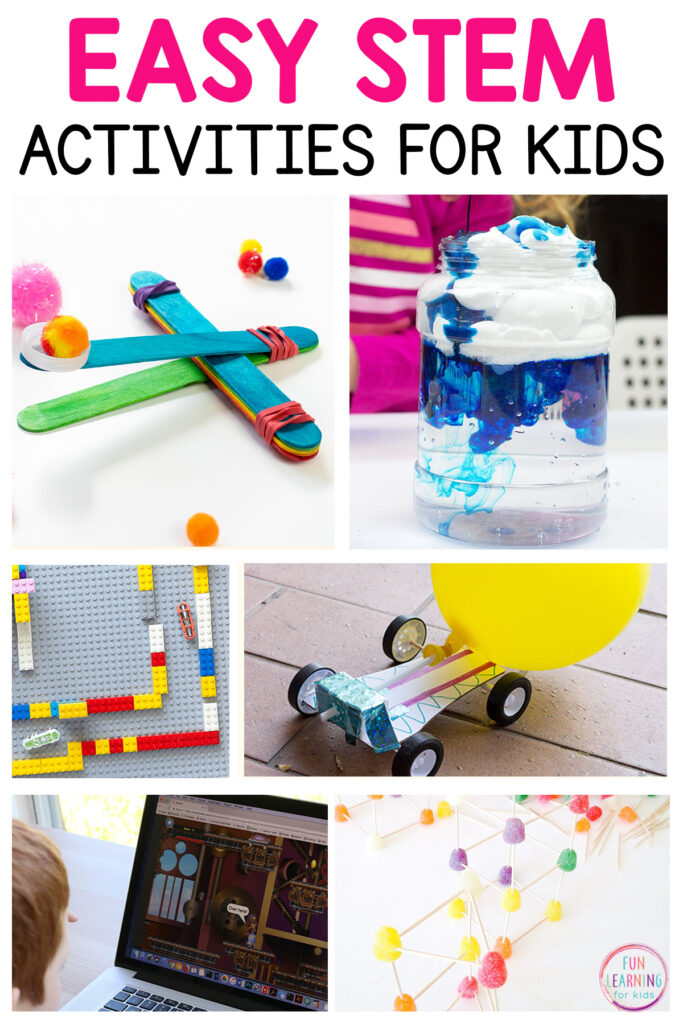
Downloadable STEM activities for kids in PDF format bridge the gap between creative visual arts and rigorous analytical thinking by integrating structured grid drawing worksheets and real photo visual flashcards. According to the National Association for the Education of Young Children (NAEYC), intentionally designed early learning materials that combine visual observation with spatial manipulation significantly enhance cognitive development, mathematical reasoning, and fine motor precision in young children. These printables transform abstract geometric concepts into concrete, tactile learning experiences that empower educators, homeschoolers, and parents to cultivate foundational spatial awareness.
Visual Learning & Skill Snapshot:
- Core Focus: Printable PDF resources combining grid-based proportional drawing with realistic photographic reference materials.
- Target Skill: Spatial reasoning, visual discrimination, fine-motor proportion estimation, and structured geometric observation.
- Key Recommendation: Laminate master templates and pair them with dry-erase markers to encourage iterative trial, error, and confidence-building.
Core Principles and Visual Learning Overview
Grid drawing worksheets and real photographic flashcards systematically decompose complex visual stimuli into manageable coordinate squares, teaching children how to analyze shapes, angles, and relative distances. By engaging with high-resolution Photo Flashcards, learners develop acute visual literacy and learn to translate three-dimensional photographic data into two-dimensional graphical representations. This cross-disciplinary approach directly supports STEM curricula by grounding engineering and mathematical principles in tangible artistic practice, requiring children to calculate coordinate positions, scale proportions accurately, and verify visual alignment independently.
Key Specifications and Breakdown
| Age / Learning Stage | Visual Skill & Grid Ratio | Pedagogical Application & Scaffolding |
|---|---|---|
| Ages 4-5 (Early Explorers) | 2×2 or 3×3 coarse grid with bold photographic cues | Focuses on basic shape recognition and simple coordinate matching using Educational Activities designed for tactile learners. |
| Ages 6-7 (Developing Analysts) | 4×4 to 6×6 standard grid with proportional reference lines | Builds intermediate scale estimation and fine motor pencil control through structured Grid Drawing exercises. |
| Ages 8-9+ (Advanced Observers) | 8×8 fine grid with complex asymmetrical photographic subjects | Enhances advanced spatial reasoning, analytical measuring, and meticulous attention to detail through multi-step printing tasks. |
Structured visual art activities systematically strengthen visuospatial working memory and neurological pathways essential for mathematical competence and geometric problem-solving in early childhood. — National Art Education Association (NAEA). For more related activities, check out our Stem Activities For Kids Meaning.
Step-by-Step Practical Application and Printing Guidelines
Executing effective print-based learning sessions requires careful preparation of physical materials and an understanding of cognitive scaffolding techniques. Educators should begin by downloading high-contrast PDF templates and printing them on heavyweight cardstock to prevent tearing and bleed-through when children use markers or pencils. Introduce the activity by examining the reference photograph together, pointing out key intersecting grid lines to demonstrate how to isolate individual squares for observation. Allow children to work at their own pace, offering non-directive guidance that encourages them to measure distances with their fingers rather than rushing straight to drawing complex contours.
Common Challenges and How to Avoid Them
Young learners frequently experience frustration when attempting to copy an entire image at once instead of isolating individual grid coordinates systematically. To counteract this common obstacle, provide children with masking cards or viewfinder windows that cover all grid squares except the one currently under active observation. Another frequent challenge involves improper scaling proportions; educators can resolve this by selecting beginner-friendly worksheets that feature prominent directional arrows and numbered coordinate axes to guide pencil movement step by step.
💬 Frequently Asked Questions
Explore More Free Learning Printables and Visual Activities on WePhotoAgency
Integrating structured visual arts into daily instruction provides children with essential cognitive tools required for lifelong academic achievement in both scientific and creative disciplines. Discover an extensive library of professional-grade printables, high-resolution visual resources, and curated learning guides by visiting WePhotoAgency.com to elevate early childhood education experiences today.
Visual Reference Gallery