Introduction
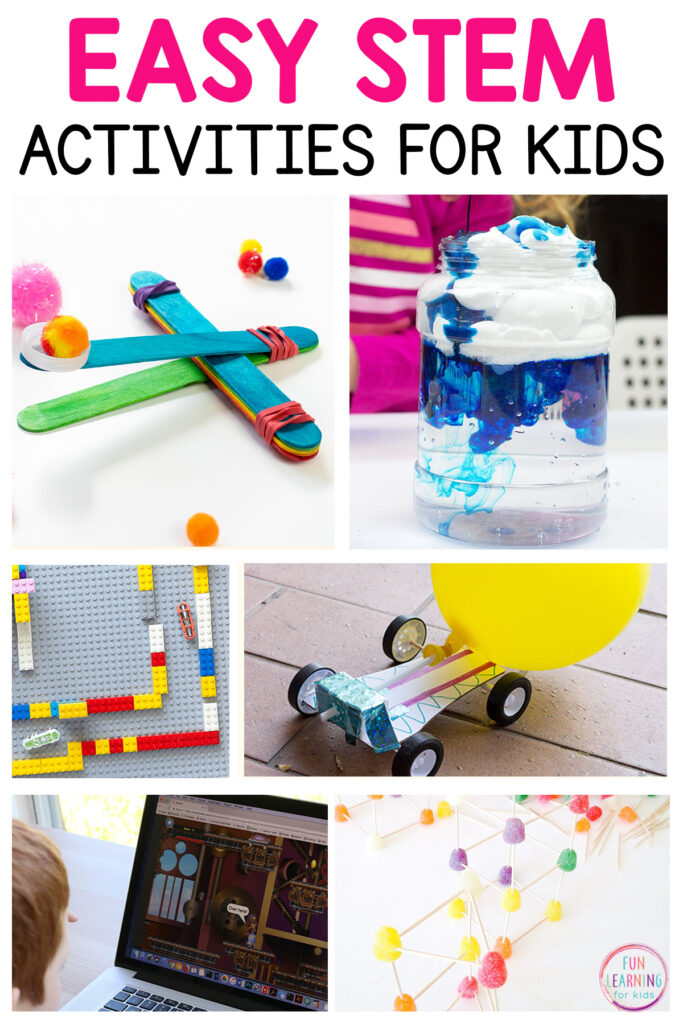
STEM activities for kids meaning refers to the intentional integration of science, technology, engineering, and mathematics principles into hands-on exploratory experiences that build foundational cognitive architecture. According to the National Association for the Education of Young Children (NAEYC), early childhood programs must incorporate integrated, inquiry-based experiences that support critical thinking and spatial problem-solving. This interdisciplinary approach transforms traditional learning by bridging analytical STEM concepts with visual arts frameworks, such as Grid Drawing and observational illustration. By engaging young learners in structured visual tasks, educators and parents strengthen the exact spatial reasoning, proportion estimation, and fine-motor coordination required for long-term academic success in technical fields.
Visual Learning & Skill Snapshot:
- Core Focus: Translating abstract STEM concepts into tangible visual arts mechanics through grids and real photography.
- Target Skill: Spatial reasoning, visual discrimination, fine-motor proportion, and observation-based problem solving.
- Key Recommendation: Pair high-contrast photo references with proportional grid worksheets to ground geometry in real-world contexts.
Core Principles and Visual Learning Overview
STEM activities for kids meaning centers on the conversion of abstract educational theory into observable, manipulative, and measurable physical tasks. When children analyze real-world imagery utilizing Photo Flashcards, visual processing areas in the brain decode complex geometries, angles, and spatial relationships without cognitive overload. This methodology leverages visual-spatial intelligence as a bridge to mathematical proportion and engineering design. Utilizing structured grids breaks complex visual stimuli into manageable coordinate squares, teaching children how to deconstruct large problems into smaller, solvable components—a core engineering competency.
Key Specifications and Breakdown
| Age / Learning Stage | Visual Skill & Grid Ratio | Pedagogical Application & Scaffolding |
|---|---|---|
| Ages 3-4 (Early Preschool) | 1×1 to 2×2 Large Grid Arrays | Utilize high-contrast photographic flashcards to build basic visual scanning and object constancy. |
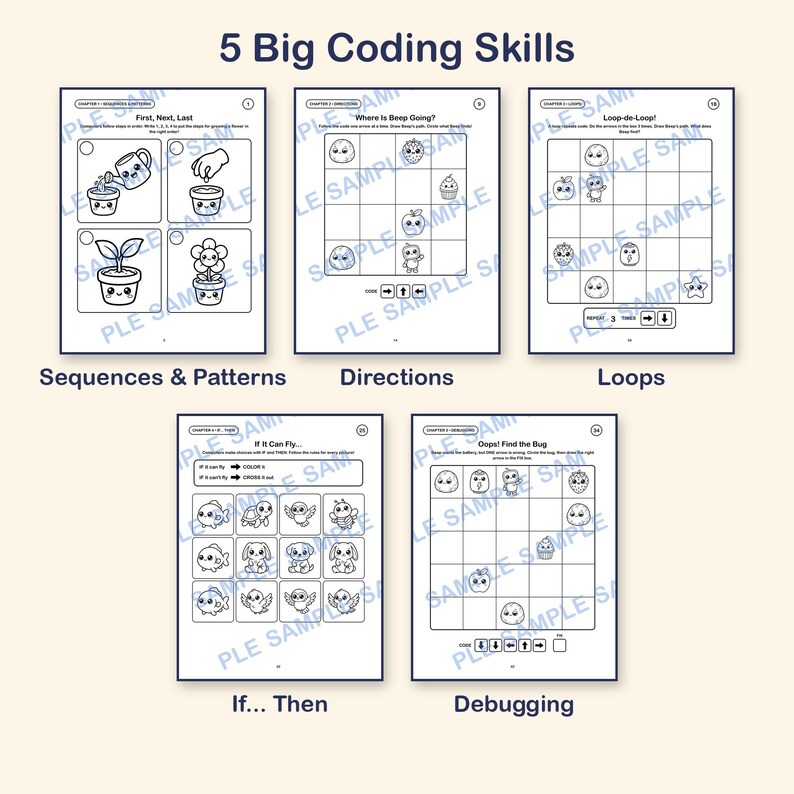
| Ages 5-7 (Kindergarten / Grade 1) | 4×4 Standard Proportional Grids | Implement printable worksheets focusing on symmetry, coordinate tracking, and line-to-line proportion estimation. |
| Ages 8-10 (Early Elementary) | 6×6 Complex Coordinate Grids | Advance to multi-axis scaling challenges that require mathematical ratio calculation and detailed botanical observation. |
Early childhood spatial reasoning and visual-motor integration serve as the strongest longitudinal predictors of later achievement in mathematics and engineering disciplines. — National Association for the Education of Young Children (NAEYC)
Step-by-Step Practical Application and Printing Guidelines
Implementing these visual STEM exercises requires deliberate preparation of physical materials and clear sequential scaffolding for young learners. Begin by selecting high-resolution photographic reference cards that feature clear focal points, clean lines, and minimal visual clutter. Print matching grid drawing templates on heavy-weight cardstock to prevent tearing during pencil erasing or watercolor painting. Instruct learners to isolate one grid square at a time using an L-shaped paper window blocker to minimize distraction and maximize focused analytical attention. Encourage children to measure reference lines with a simple ruler before committing marks to paper, actively linking physical measurement tools to visual artistic output.
Common Challenges and How to Avoid Them
Addressing common frustrations during grid-based visual learning prevents cognitive burnout and maintains enthusiasm for technical tasks. When children rush through proportion estimation, lines distort across grid intersections; educators should intervene by modeling how to cross-reference coordinate numbers and alphabet letters along the grid margins. If learners become overwhelmed by dense photographic details, simplify the learning environment by masking off peripheral grid squares until the central subject is successfully mapped. Providing step-by-step constructive feedback focusing on spatial relationships rather than artistic perfection ensures children view STEM and art as experimental, iterative processes.
💬 Frequently Asked Questions
Explore More Free Learning Printables and Visual Activities on WePhotoAgency
Supporting comprehensive cognitive development requires a rich library of reliable, educator-designed materials that merge visual arts with fundamental scientific principles. Discover a wide selection of printable resources, observational worksheets, and creative learning tools designed for classrooms and homes by visiting WePhotoAgency.com and exploring our specialized collection of Educational Activities.
Visual Reference Gallery