Introduction
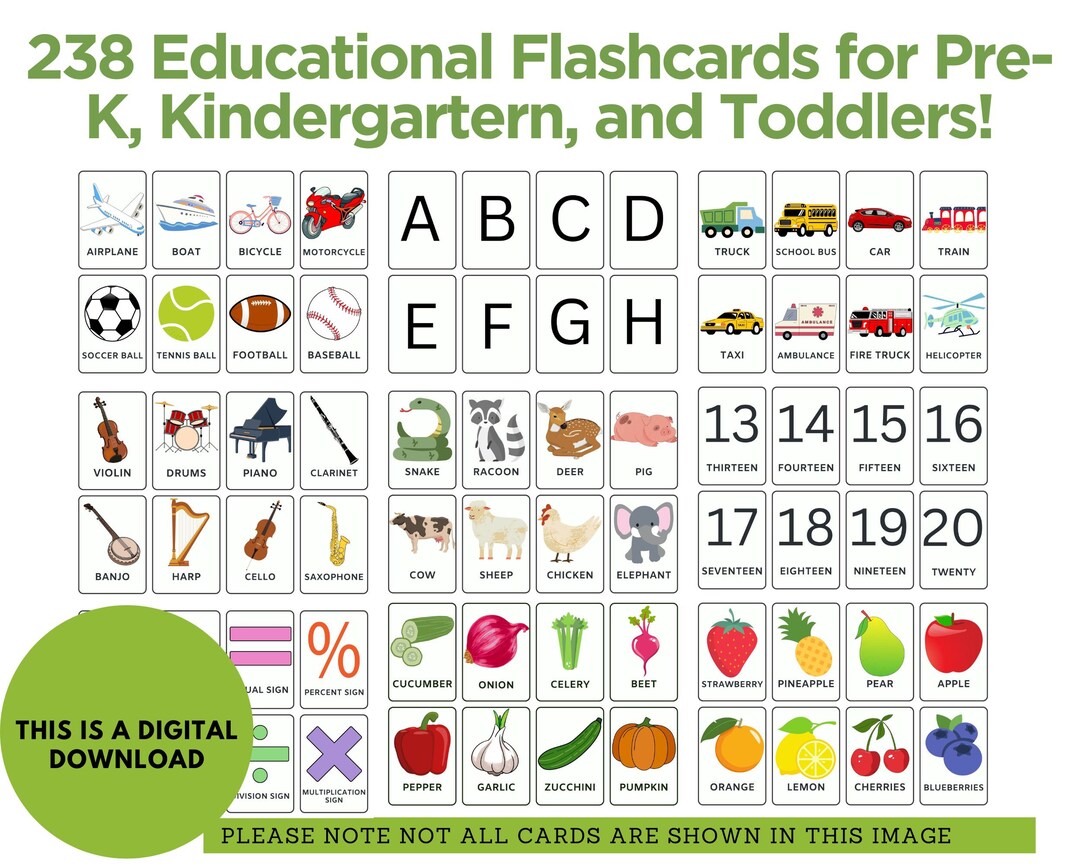
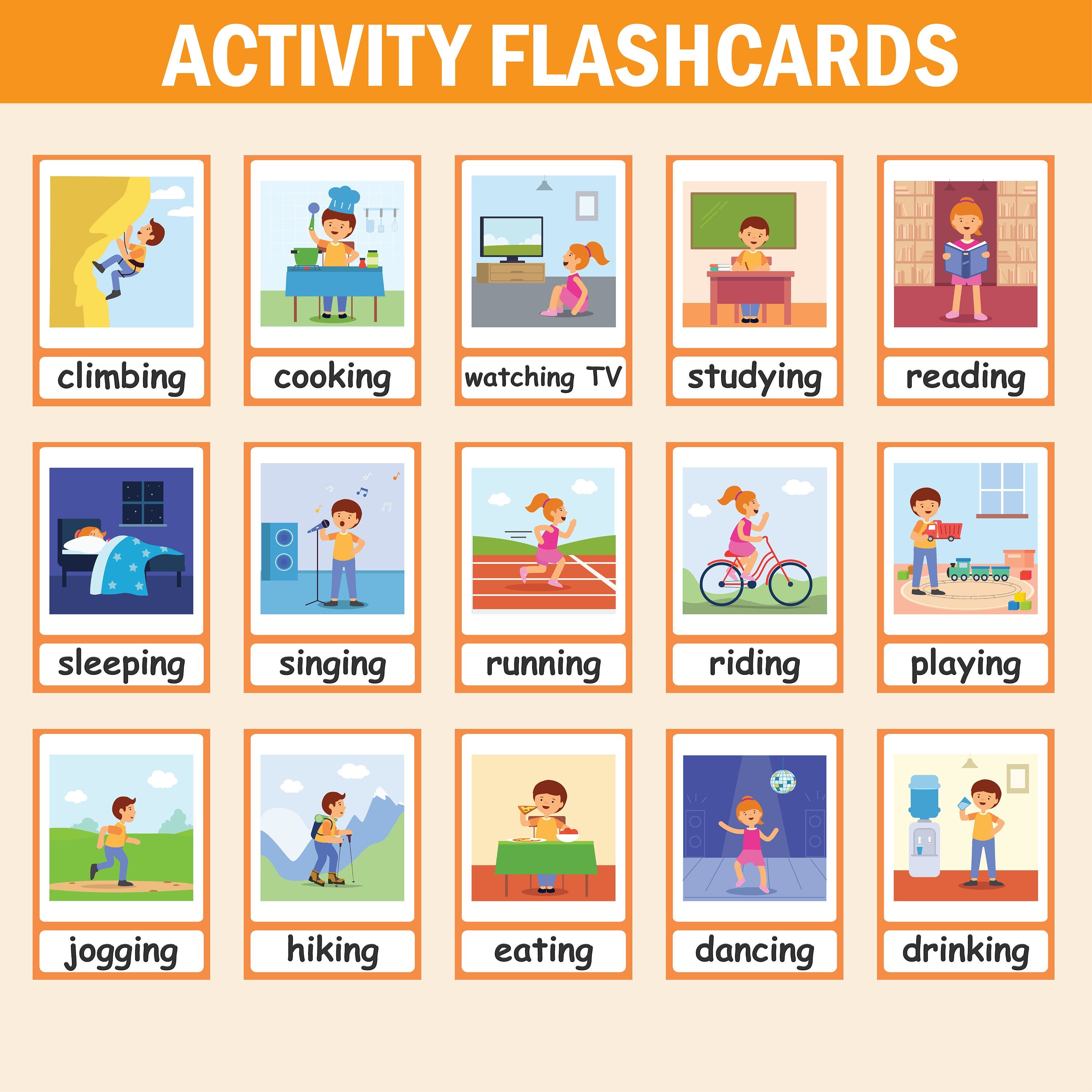
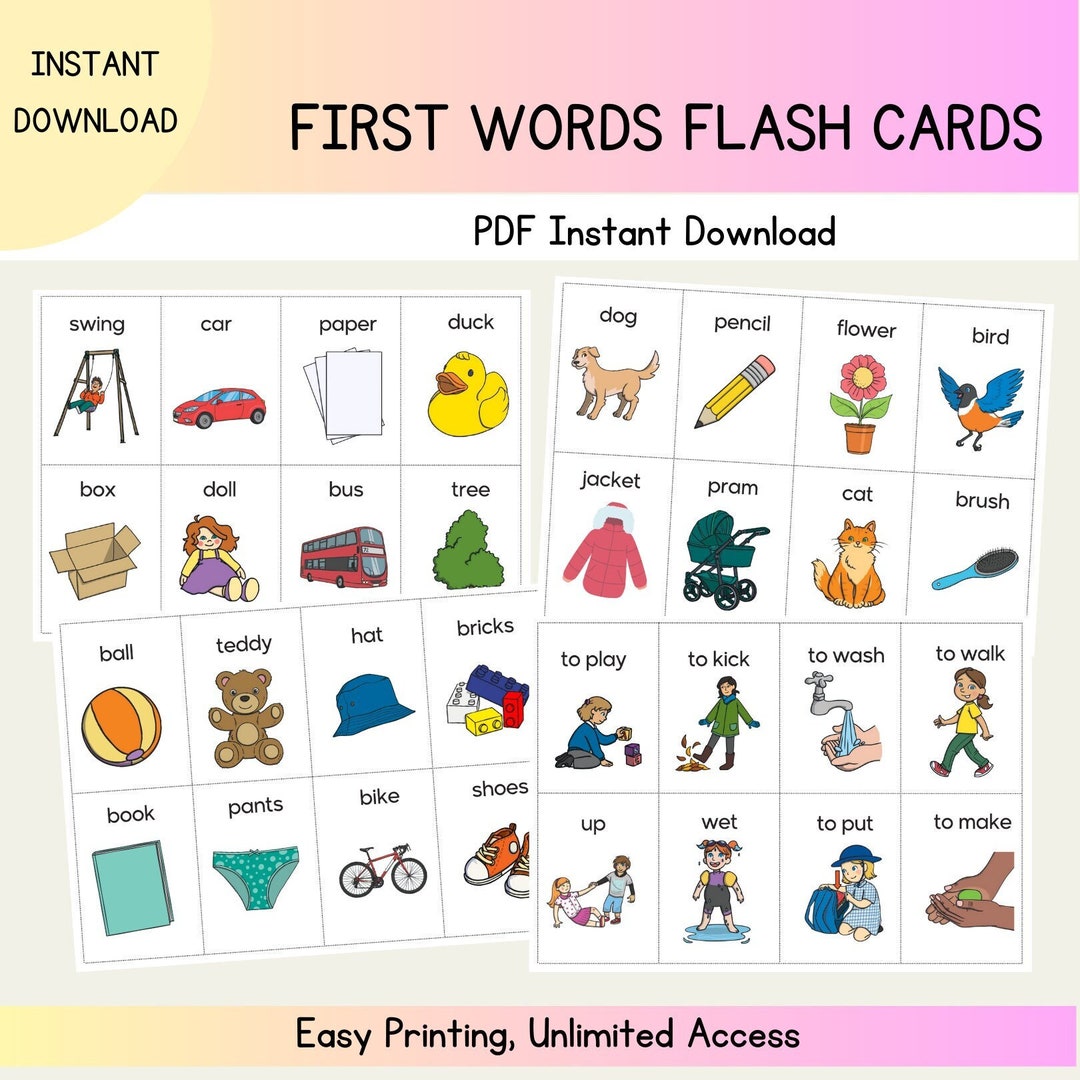
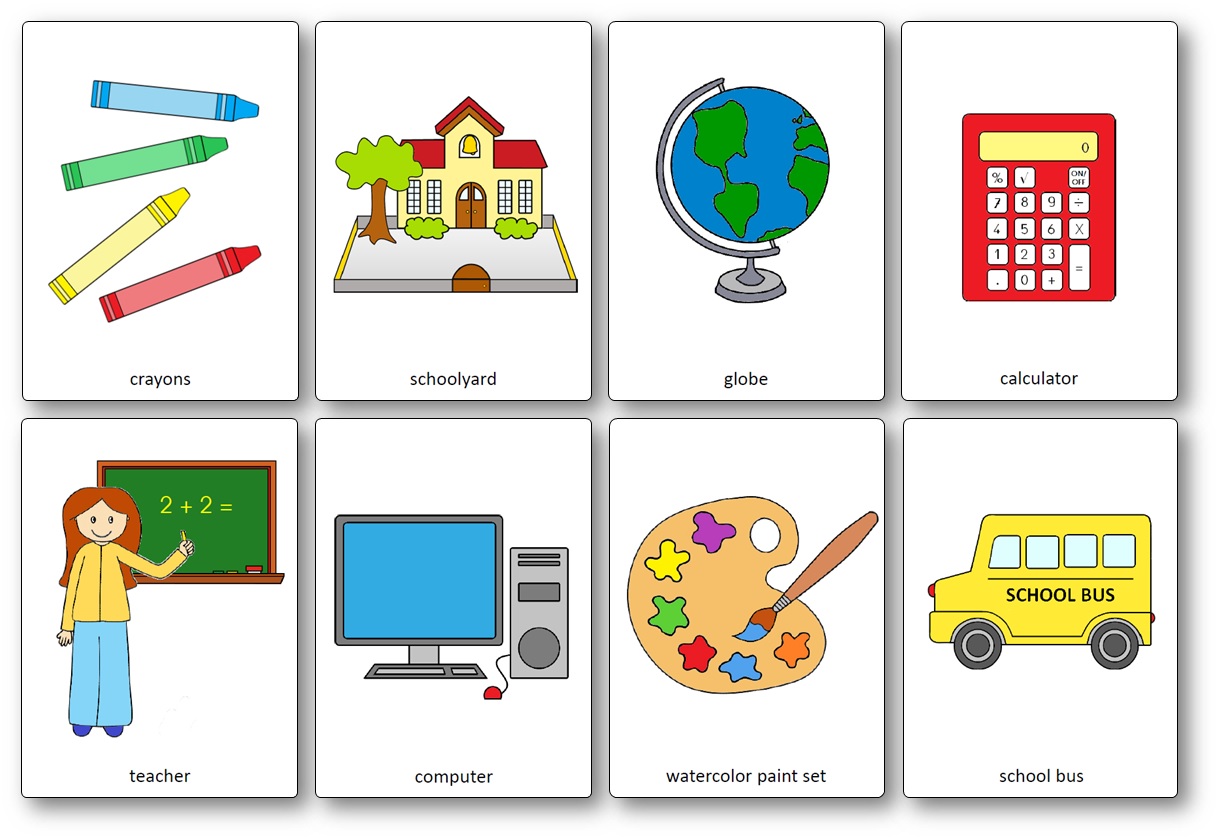
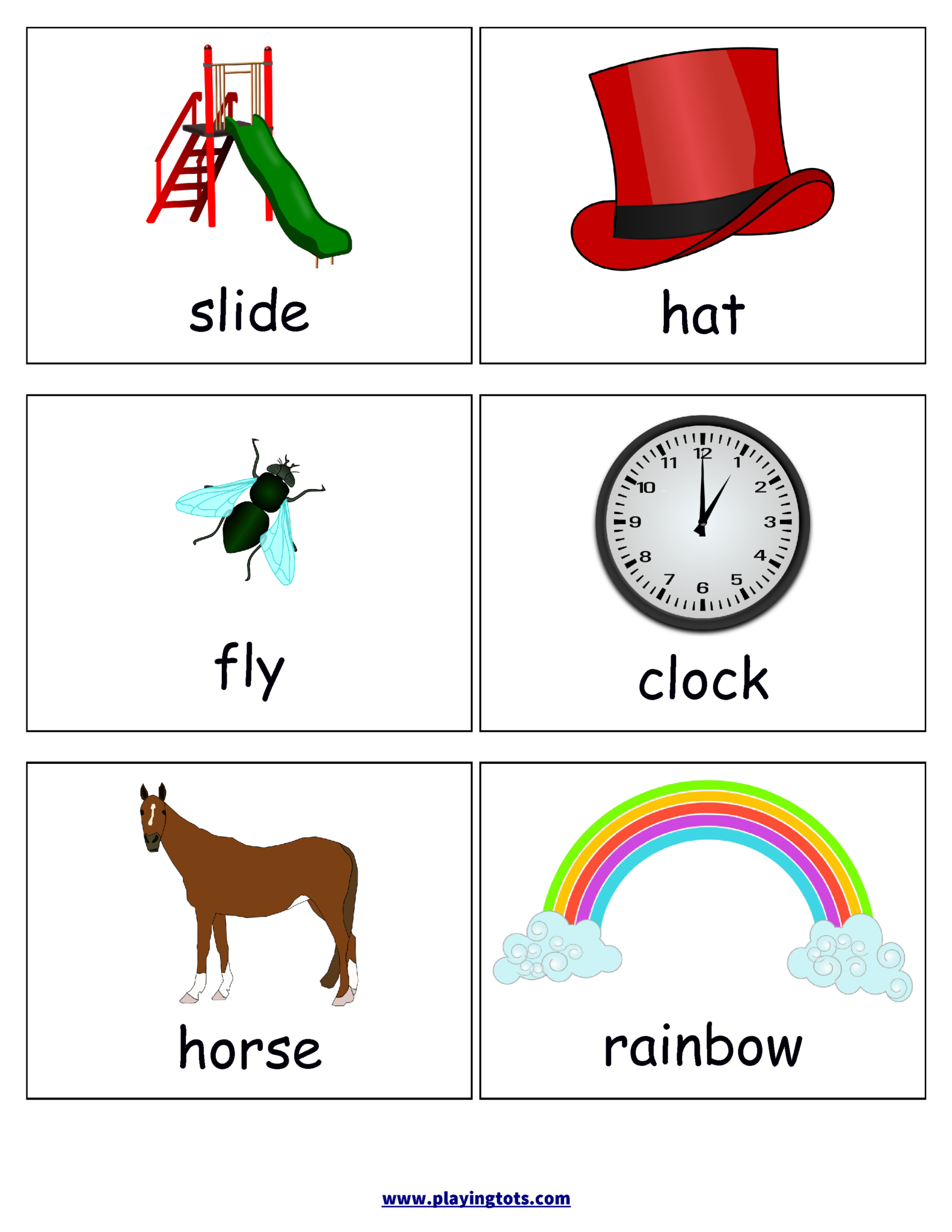
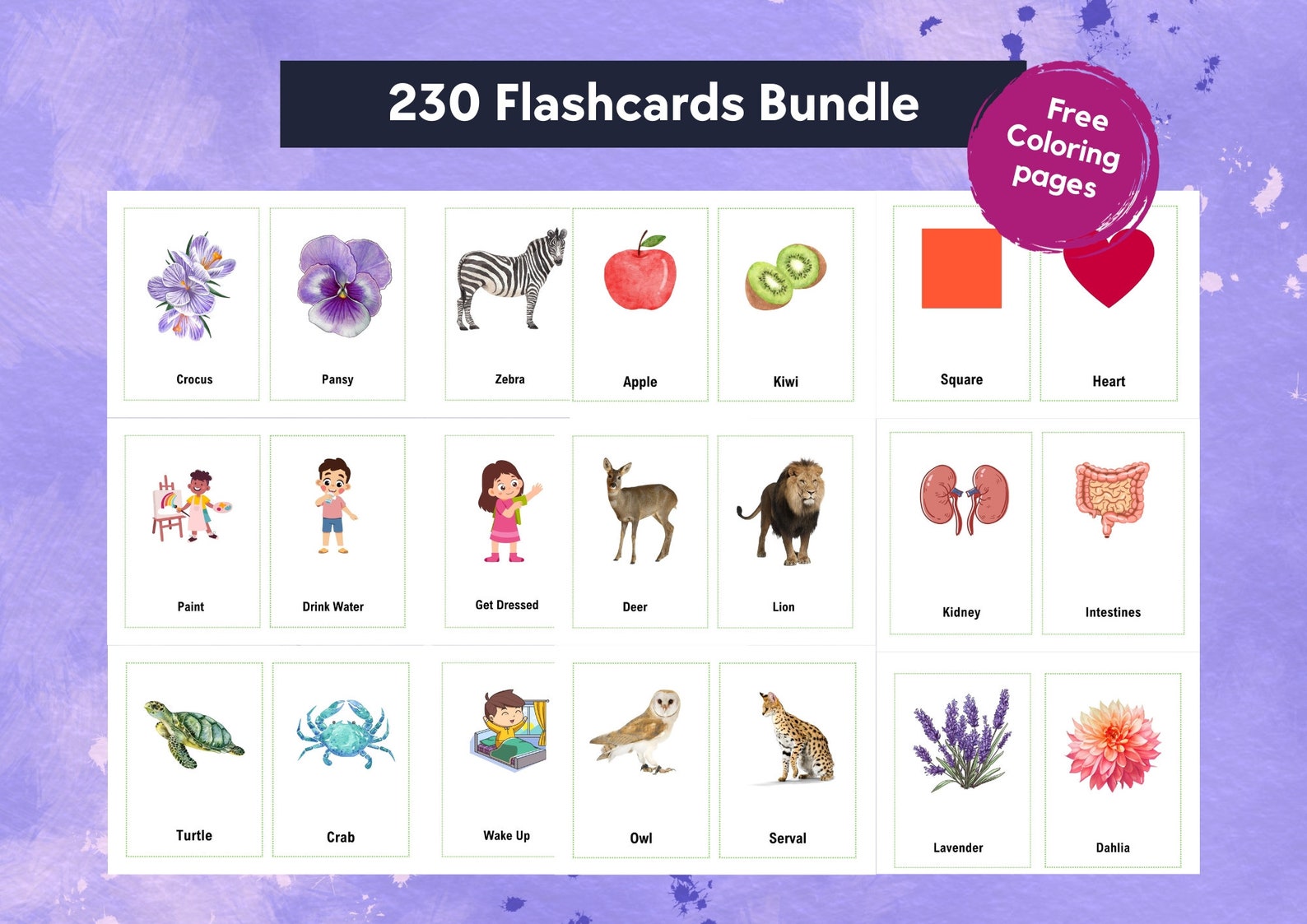
Picture cards and flashcards serve as foundational pedagogical tools that accelerate visual literacy, spatial reasoning, and cognitive development through tangible photographic prompts. According to the National Association for the Education of Young Children (NAEYC), purposeful manipulation of concrete visual materials significantly enhances young learners’ symbolic thinking and mental representation capacities. Utilizing high-resolution imagery combined with structured frameworks bridges the gap between abstract concepts and concrete understanding. Educators and caregivers can leverage these visual assets within specialized Photo Flashcards collections to build essential early childhood competencies systematically. The integration of tangible visual cards transforms passive observation into active cognitive processing, laying vital groundwork for advanced academic and artistic achievement.
Visual Learning & Skill Snapshot:
- Core Focus: Picture cards and flashcards accelerate visual discrimination and spatial estimation through real photographic representations.
- Target Skill: Spatial reasoning, visual discrimination, fine-motor proportion, and photo-based concept mastery.
- Key Recommendation: Pair real-world photo flashcards directly with scaled grid worksheets to bridge observation and execution.
Core Principles and Visual Learning Overview
Spatial awareness and proportion estimation are mastered when children translate visual details from picture cards and flashcards onto printable Grid Drawing worksheets. Cognitive processing of visual data requires breaking complex images down into manageable coordinate segments. Real photographic stimuli remove the ambiguity of cartoon illustrations, presenting authentic textures, lighting cues, and true-to-life proportions that stimulate rigorous analytical observation. As learners inspect reference grids alongside blank working grids, the brain builds crucial neural pathways dedicated to geometric scaling, bilateral coordination, and visual-motor integration. This structured approach prevents cognitive overload, allowing children to isolate specific quadrants rather than attempting to render an entire complex scene simultaneously.
Key Specifications and Breakdown
| Age / Learning Stage | Visual Skill & Grid Ratio | Pedagogical Application & Scaffolding |
|---|---|---|
| Ages 3-4 (Early Years) | 2×2 Grid with Macro Photo Cards | Focuses on basic shape recognition and identifying distinct photographic quadrants without heavy motor demand. |
| Ages 5-7 (Early Elementary) | 3×3 Grid with Standard Real Photos | Targets proportional transfer, line continuity, and detailed spatial mapping using concrete photo references. |
| Ages 8+ (Advanced Practice) | 4×4 or Complex Grids with Fine Detail | Emphasizes precision estimation, tonal value observation, and independent scaling of photographic elements. |
Structured visual materials and concrete-to-abstract transitional tools effectively optimize cognitive load and sustain focused attention during early childhood learning tasks. — National Association for the Education of Young Children (NAEYC)
Step-by-Step Practical Application and Printing Guidelines
Implementing picture cards and flashcards successfully relies on high-contrast printing, durable cardstock, and methodical step-by-step adult guidance. Begin by printing reference photographs and corresponding working grids on heavy-weight matte paper to eliminate distracting glare under classroom or desktop lighting. Instruct learners to examine a single grid square on the reference card before executing the corresponding lines on their blank grid sheet, reinforcing sequential scanning habits. Introduce specialized Educational Activities that combine tactile sorting with drawing exercises to reinforce fine-motor control and visual memory. Establish a consistent routine where children verbalize what they observe in each coordinate box before putting pencil to paper, ensuring active cognitive engagement throughout the drawing process.
Common Challenges and How to Avoid Them
Rushing proportions and losing track of grid coordinates represent the most frequent obstacles when children use picture cards and flashcards for drawing tasks. Educators can mitigate these issues by introducing viewfinder frames that isolate one single square at a time, effectively eliminating visual clutter from the surrounding image sectors. When learners become frustrated by inaccurate scaling, guide attention back to the intersecting lines within the specific grid square rather than criticizing the overall drawing. Patience and consistent scaffolding ensure children view grid transposition as an exciting puzzle rather than an intimidating test of artistic perfection.
💬 Frequently Asked Questions
Explore More Free Learning Printables and Visual Activities on WePhotoAgency
Curated visual learning resources empower educators, parents, and homeschoolers to foster cognitive growth, artistic precision, and spatial awareness in young children. Access a comprehensive library of professional printables, grid drawing exercises, and photographic assets by visiting WePhotoAgency.com today.
Visual Reference Gallery