Introduction
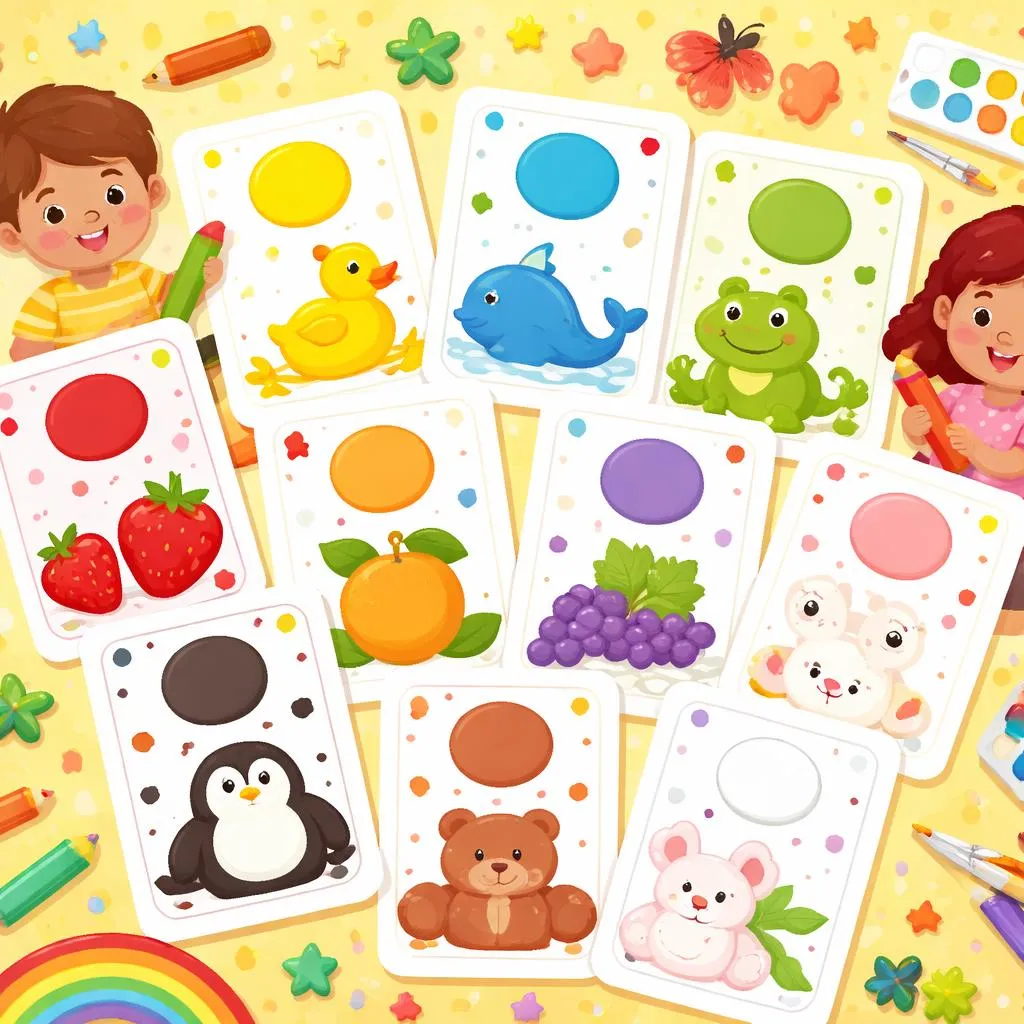
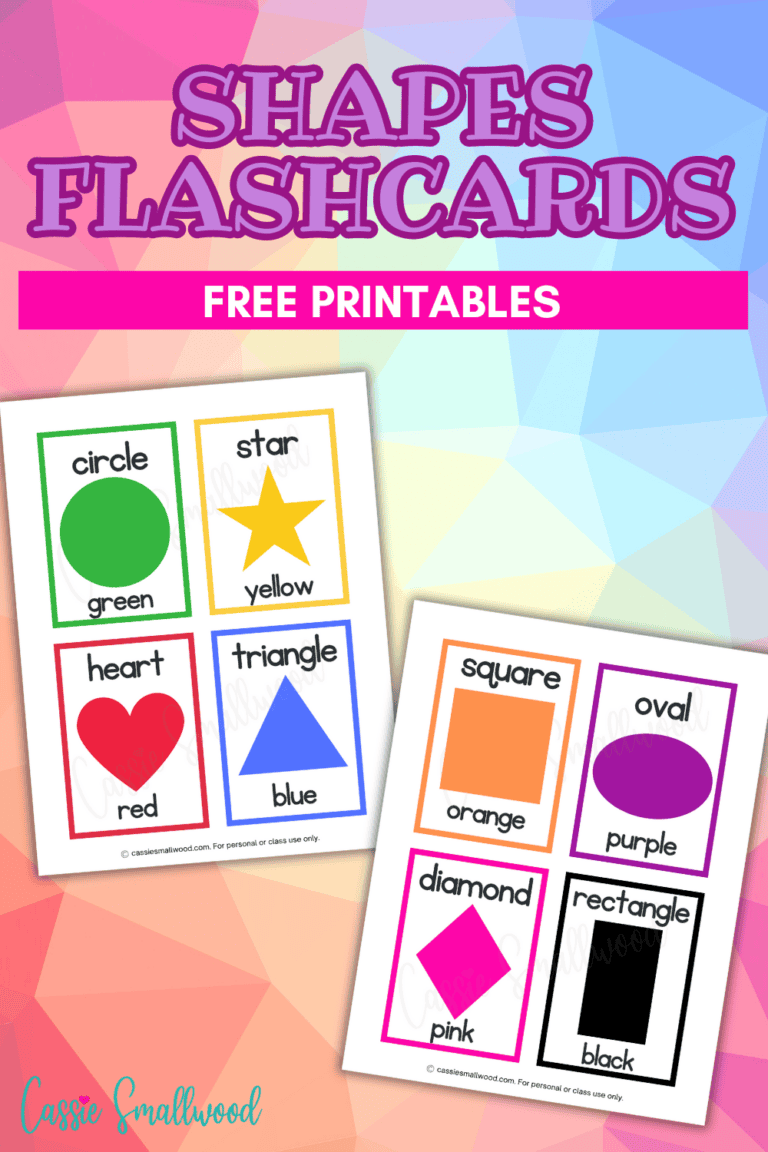
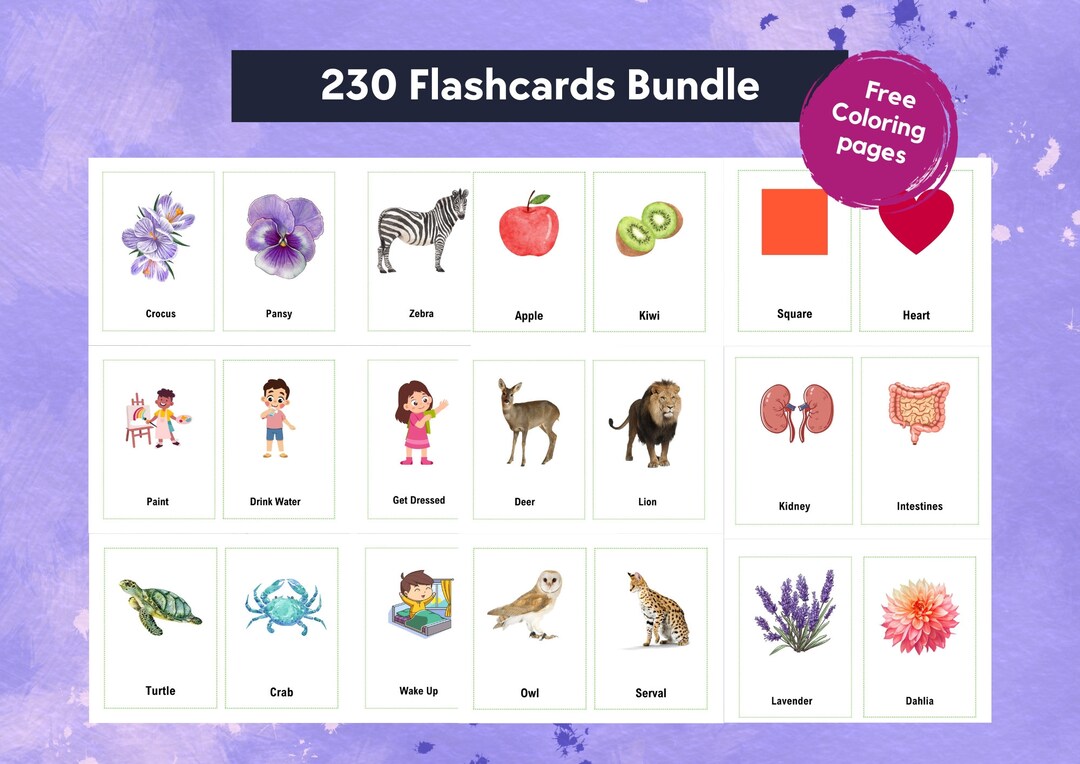
Photo flashcards free of charge offer early childhood educators and parents powerful instructional tools for building visual literacy, observation skills, and foundational spatial awareness. According to the National Association for the Education of Young Children (NAEYC), engaging young learners with concrete photographic stimuli significantly enhances cognitive mapping and concept retention during developmental formative years. Integrating high-resolution imagery into printables bridges the gap between abstract concepts and tangible visual processing.
Visual Learning & Skill Snapshot:
- Core Focus: Utilizing complimentary, print-ready photographic visual aids and corresponding drawing grids.
- Target Skill: Spatial reasoning, visual discrimination, fine-motor proportion, and accurate observation.
- Key Recommendation: Pair high-contrast photo cards directly with lined drawing grids to anchor observational accuracy.
Core Principles and Visual Learning Overview
Photo flashcards free for educational use serve as critical catalysts for transforming passive viewing into active analytical thinking. When children examine real photographic cards, they engage in visual decoding, separating a complex object or scene into digestible geometric components. This direct visual engagement correlates heavily with proficiency in geometry, reading readiness, and fine arts. By combining these cards with structured grid drawing worksheets found within Grid Drawing collections, learners naturally transition from general observation to precise proportion estimation and methodical hand-eye coordination.
Key Specifications and Breakdown
| Age / Learning Stage | Visual Skill & Grid Ratio | Pedagogical Application & Scaffolding |
|---|---|---|
| Ages 3-4 (Early Explorer) | 1×1 to 2×2 Simple Grids | Focuses on gross shape recognition and basic matching using curated Photo Flashcards. |
| Ages 5-7 (Emerging Artist) | 3×3 to 4×4 Intermediate Grids | Emphasizes proportion estimation, spatial continuity, and quadrant-by-quadrant replication. |
| Ages 8-10 (Advanced Observer) | 5×5+ Complex Grids | Targets fine-motor control, angle calculation, and detailed shading via multi-step Educational Activities. |
Visual-spatial training through structured grid scaling actively promotes neural pathway development essential for mathematical proportional reasoning and advanced artistic drafting. — National Art Education Association (NAEA). For more related activities, check out our Number Picture Flashcards.
Step-by-Step Practical Application and Printing Guidelines
Implementing photo flashcards free of cost requires deliberate print setups and structured spatial exercises to maximize cognitive impact. Educators should first select high-resolution photographic cards depicting clear subjects with defined edges and minimal visual clutter. Print these resources onto durable cardstock to withstand frequent handling by young hands. Next, align the selected flashcard directly beside a corresponding grid-lined worksheet. Instruct learners to isolate individual grid squares on the reference photo, count the coordinate rows and columns, and methodically replicate the lines square by square onto their blank drawing grid. This systematic breakdown reduces cognitive overload and teaches children how to manage complex visual tasks through sequential steps.
Common Challenges and How to Avoid Them
Rushing proportions represents the most frequent hurdle young learners encounter when transferring imagery from photo cards to structured grids. Educators can resolve this by encouraging children to use a small viewing window or cardboard framing tool to isolate a single grid square at a time, minimizing visual distraction from the surrounding picture. Another common error involves failing to establish anchor points before sketching continuous lines. Guiding students to locate where primary lines intersect grid borders prior to drawing prevents cumulative scaling errors across the worksheet.
💬 Frequently Asked Questions
Explore More Free Learning Printables and Visual Activities on WePhotoAgency
Equipping learning environments with professional-grade, accessible resources fosters lifelong visual creativity and cognitive strength. Explore the complete library of printable assets, drawing guides, and developmental resources by visiting WePhotoAgency.com to elevate daily lesson planning.
Visual Reference Gallery