Introduction
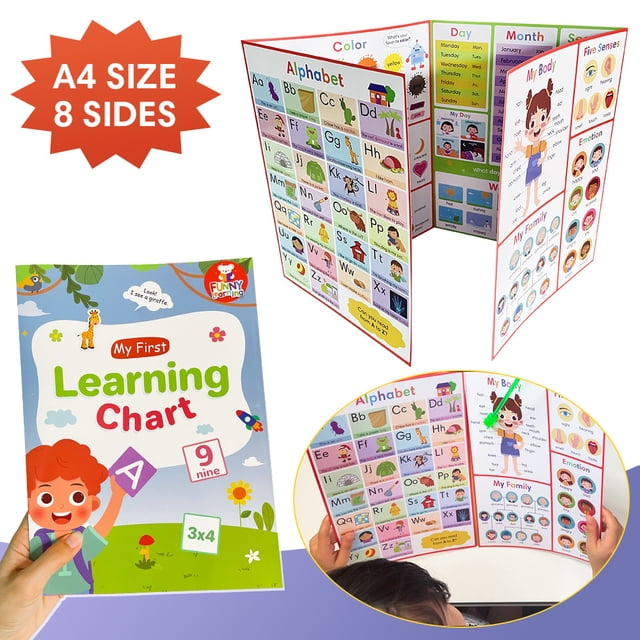
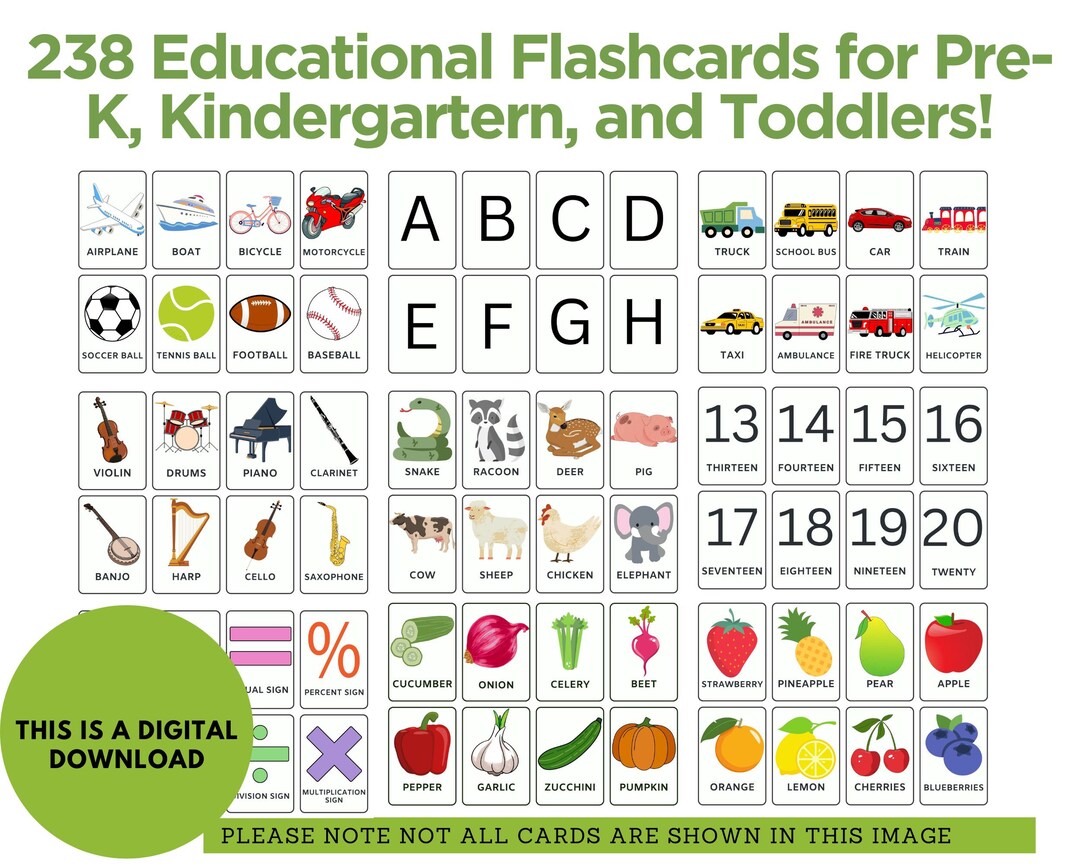
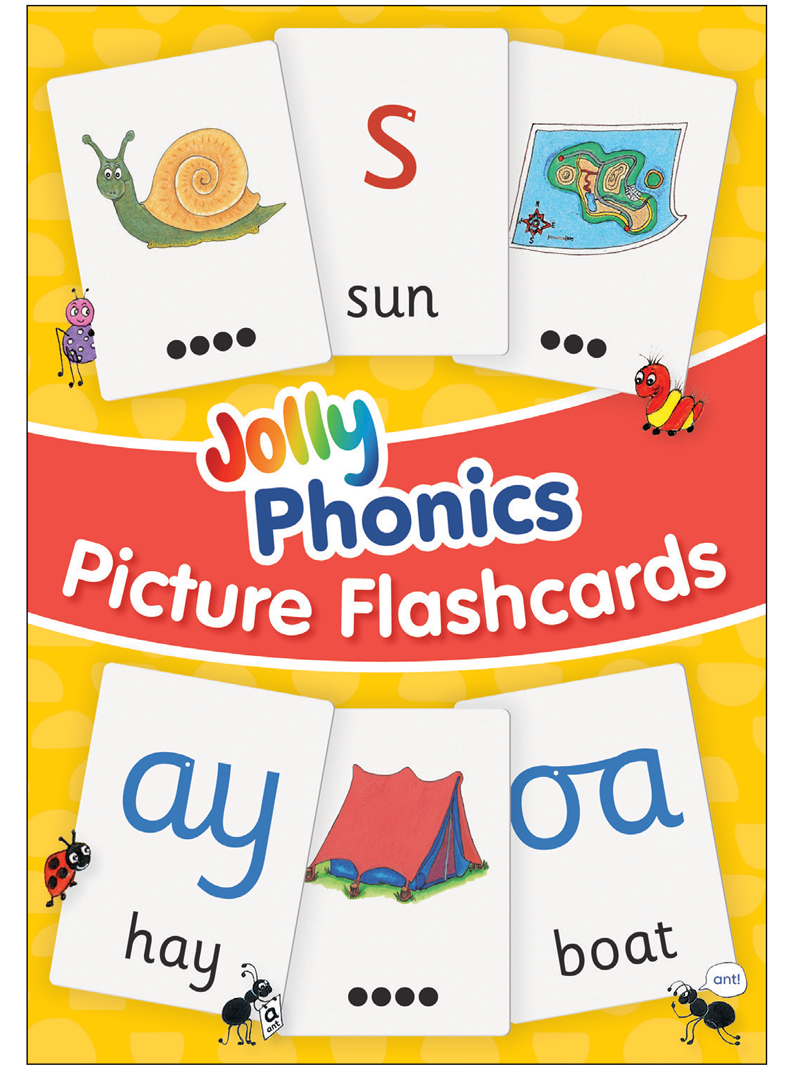
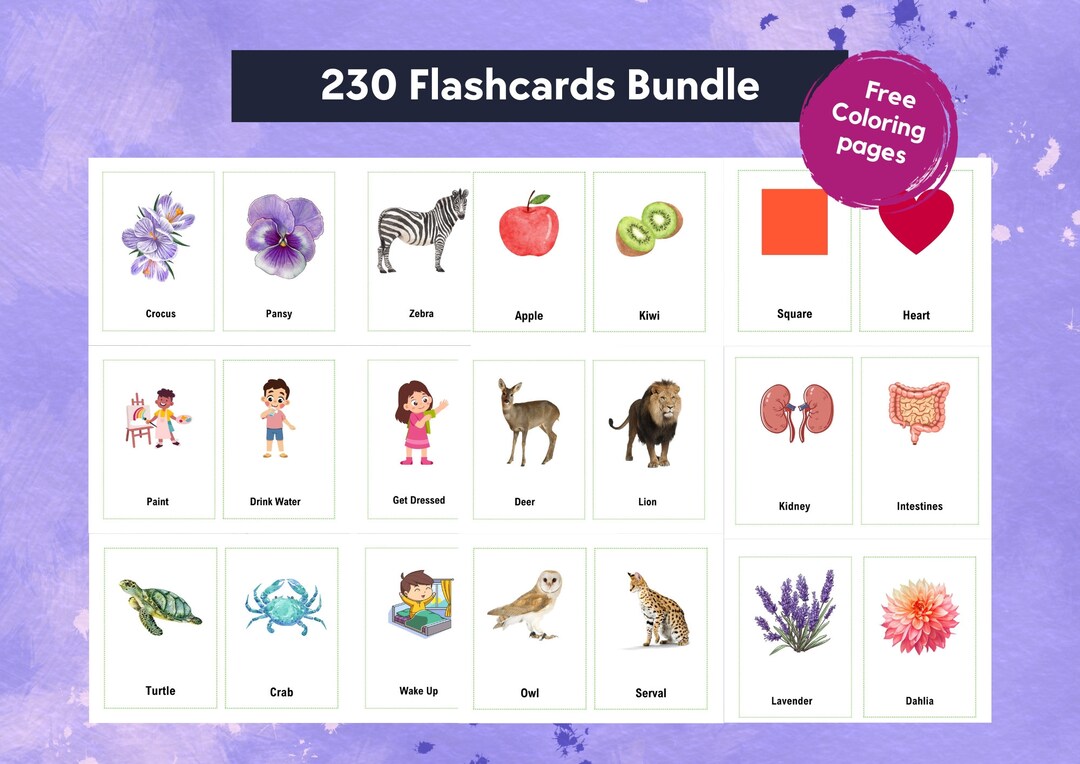
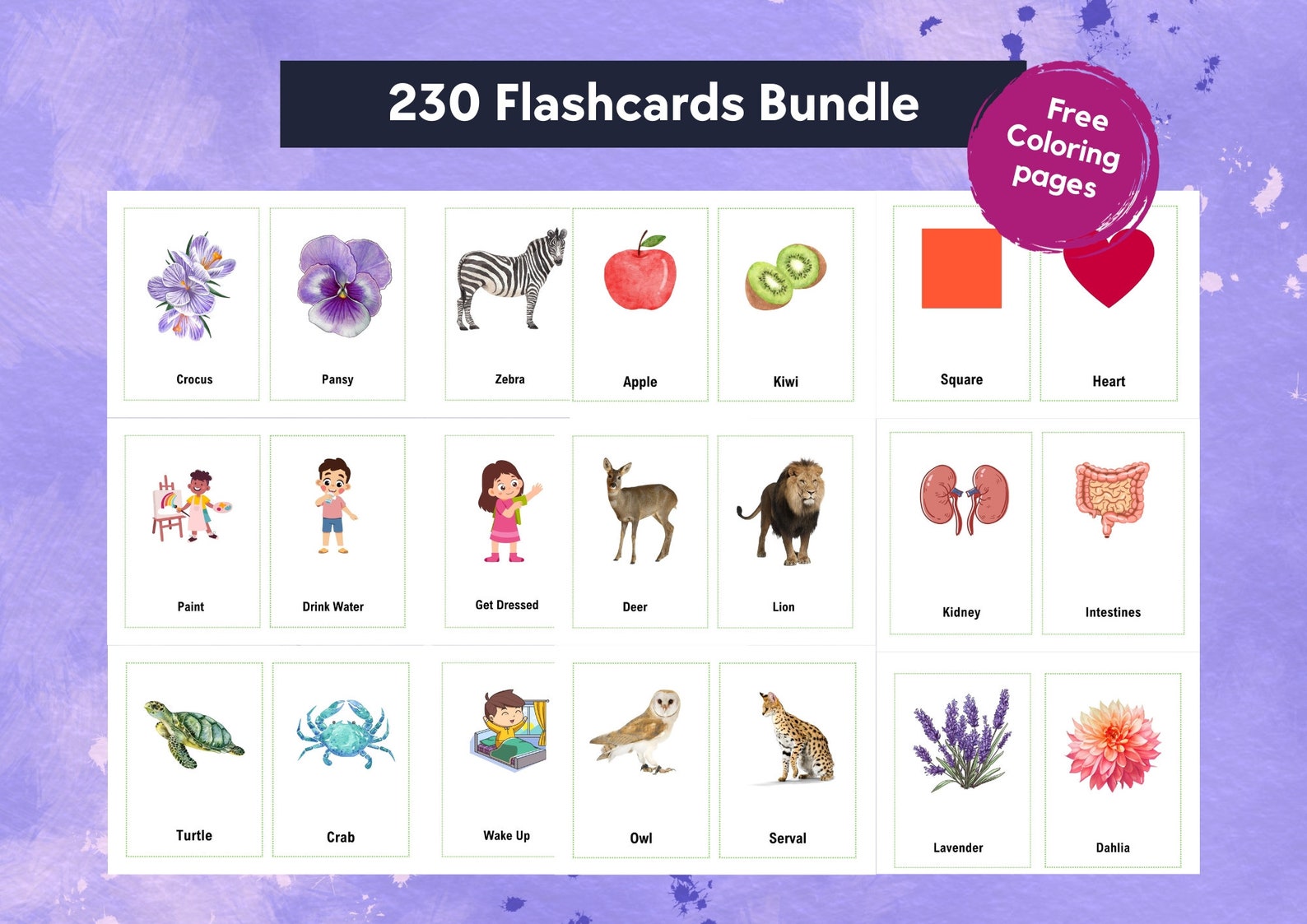
A photo of flashcards acts as a foundational visual stimulus that bridges concrete photographic imagery and abstract spatial reasoning in early childhood cognitive development. According to the National Association for the Education of Young Children (NAEYC), multi-modal visual learning materials significantly enhance symbol interpretation and observational accuracy in early elementary learners. Utilizing photographic representations combined with structured grid drawing frameworks provides children with concrete spatial coordinates to decode complex shapes, proportions, and visual patterns. Exploring these materials within Photo Flashcards collections helps educators establish robust visual discrimination skills before transitioning to abstract geometry and fine-art composition.
Visual Learning & Skill Snapshot:
- Core Focus: Translating real photo flashcard references into precise grid drawing and spatial reproduction tasks.
- Target Skill: Spatial reasoning, visual discrimination, fine-motor proportion estimation, and coordinate-based observation.
- Key Recommendation: Pair high-contrast photographic flashcards directly with matching grid-lined worksheet matrices to build accurate visual proportion.
Core Principles and Visual Learning Overview
Spatial awareness and proportion estimation develop efficiently when young learners systematically examine a photo of flashcards alongside corresponding grid worksheets. Real photographic references present organic lighting, complex textures, and natural shadows that standard vector drawings often omit, challenging children to analyze genuine visual data rather than simplified schematics. By dividing these photographic subjects into manageable grid coordinates, educators enable young artists and students to isolate specific visual quadrants, drastically reducing cognitive overload. Integrating these visual strategies through dedicated Grid Drawing modules supports systematic hand-eye coordination and boosts analytical focus across multidisciplinary learning environments.
Key Specifications and Breakdown
| Age / Learning Stage | Visual Skill & Grid Ratio | Pedagogical Application & Scaffolding |
|---|---|---|
| Ages 4–5 (Early Years) | 2×2 Grid Matrix (Large scale) | Focuses on basic contour tracking, matching simple photographic outlines, and developing foundational pencil control. |
| Ages 6–7 (Early Elementary) | 3×3 Grid Matrix (Standard) | Emphasizes proportion estimation, negative space observation, and accurate cross-referencing of real-world objects. |
| Ages 8+ (Advanced Primary) | 4×4 Grid Matrix (Detailed) | Refines complex shading replication, precise angle calculation, and high-fidelity photographic transcription. |
Visual-spatial training through structured grid frameworks accelerates geometric comprehension, proportional accuracy, and fine-motor coordination during early childhood development. — National Art Education Association (NAEA)
Step-by-Step Practical Application and Printing Guidelines
Executing successful photo-based drawing lessons requires crisp, high-resolution printing of both the reference flashcard and the corresponding grid worksheet to ensure line clarity. Educators should print photographic flashcards on durable cardstock to withstand frequent handling, while utilizing clean bond paper for student drawing grids to prevent graphite smudging. Instruct learners to examine a single grid square on the photo card at a time, noting where lines intersect edges before transferring those coordinates to their blank working matrix. This methodic segmentation turns an overwhelming photographic image into manageable geometric puzzles, encouraging patience and systematic problem-solving during Educational Activities designed for growing minds.
Common Challenges and How to Avoid Them
Rushing straight into complex shading without first mapping core grid intersections remains the most frequent hurdle young learners encounter when processing photographic drawing references. When children attempt to draw entire objects at once instead of focusing on individual grid squares, proportions inevitably distort and frustration mounts. Educators can easily prevent this by covering unworked sections of the flashcard or guiding students to use viewfinder cutouts that isolate one specific coordinate at a time. Emphasizing slow, deliberate line placement over speed ensures children build confidence in their observational accuracy rather than feeling pressured to complete the drawing instantly.
💬 Frequently Asked Questions
Explore More Free Learning Printables and Visual Activities on WePhotoAgency
Designing engaging, skill-building visual curriculums becomes seamless when utilizing professionally curated educational assets tailored for early childhood growth. Discover an extensive collection of printable resources, observational worksheets, and creative drawing tools by visiting the main hub at WePhotoAgency.com to elevate classroom and homeschool experiences today.
Visual Reference Gallery