Introduction
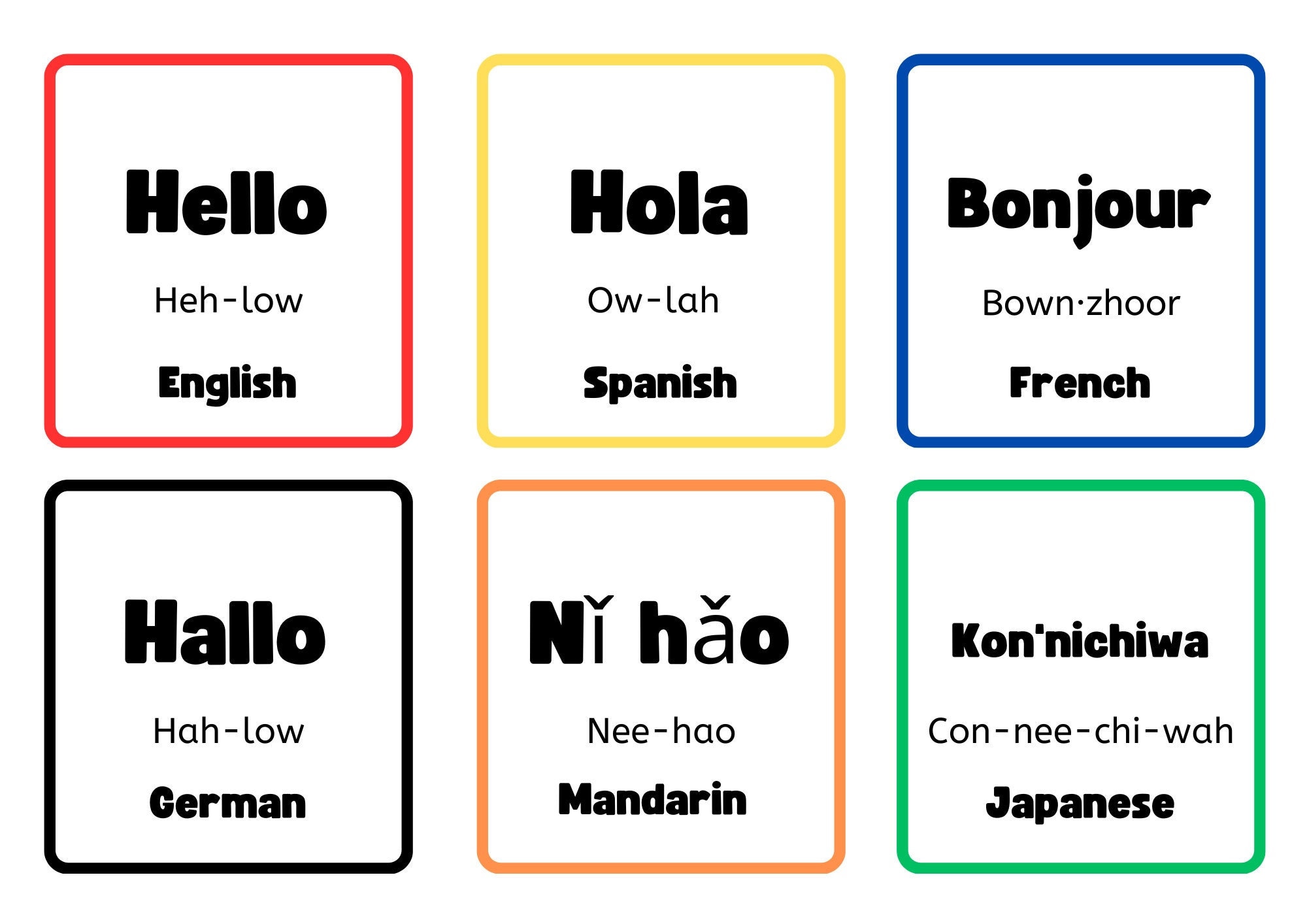
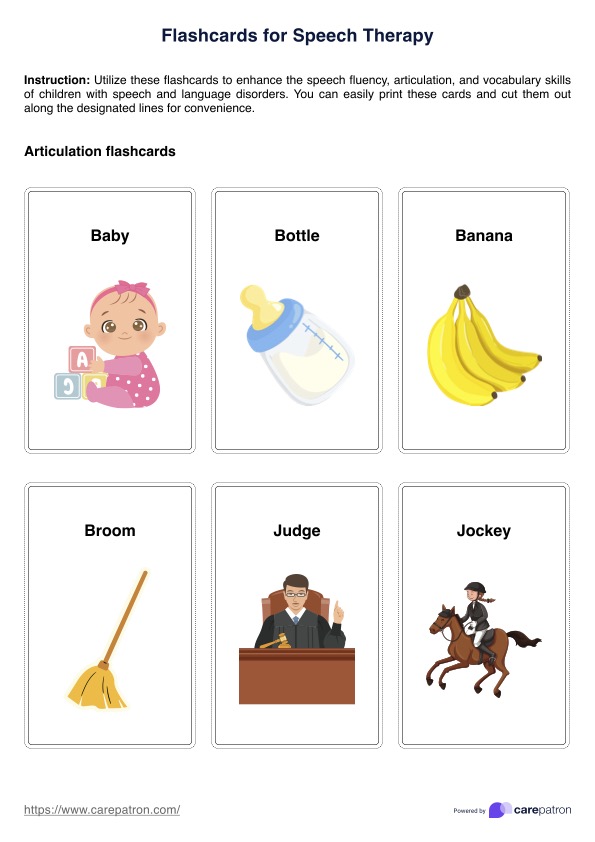
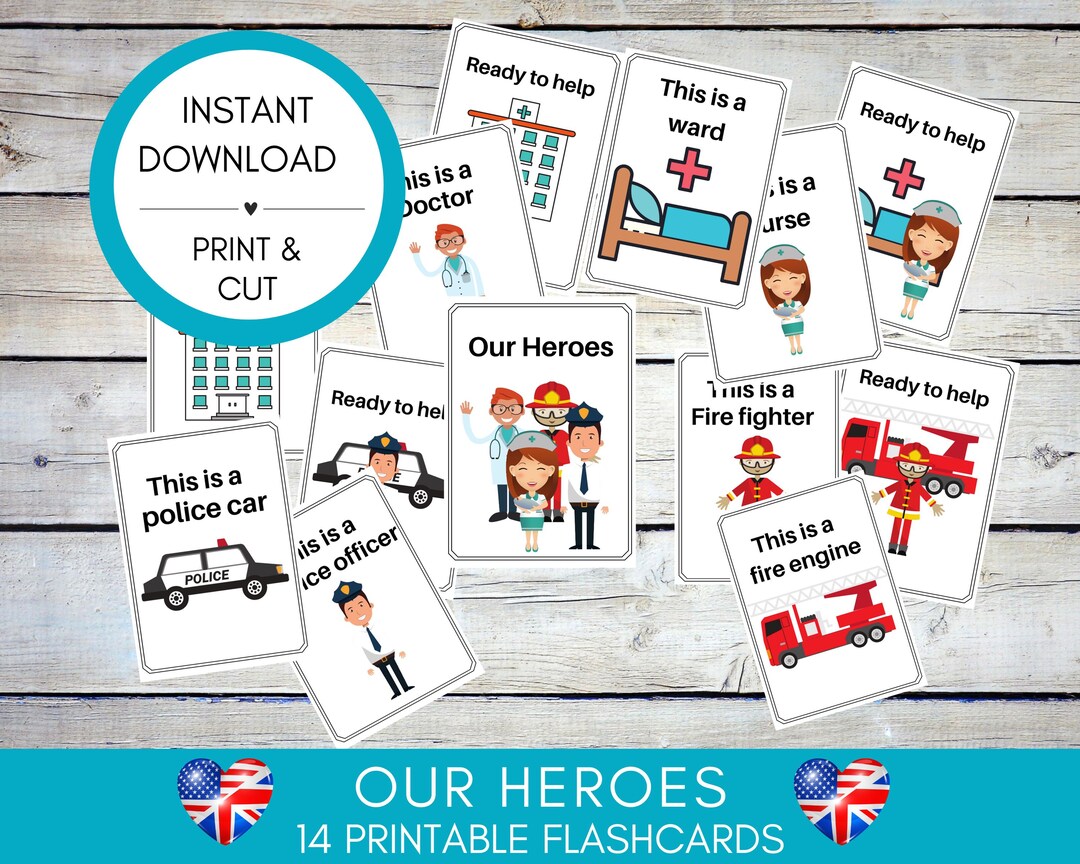
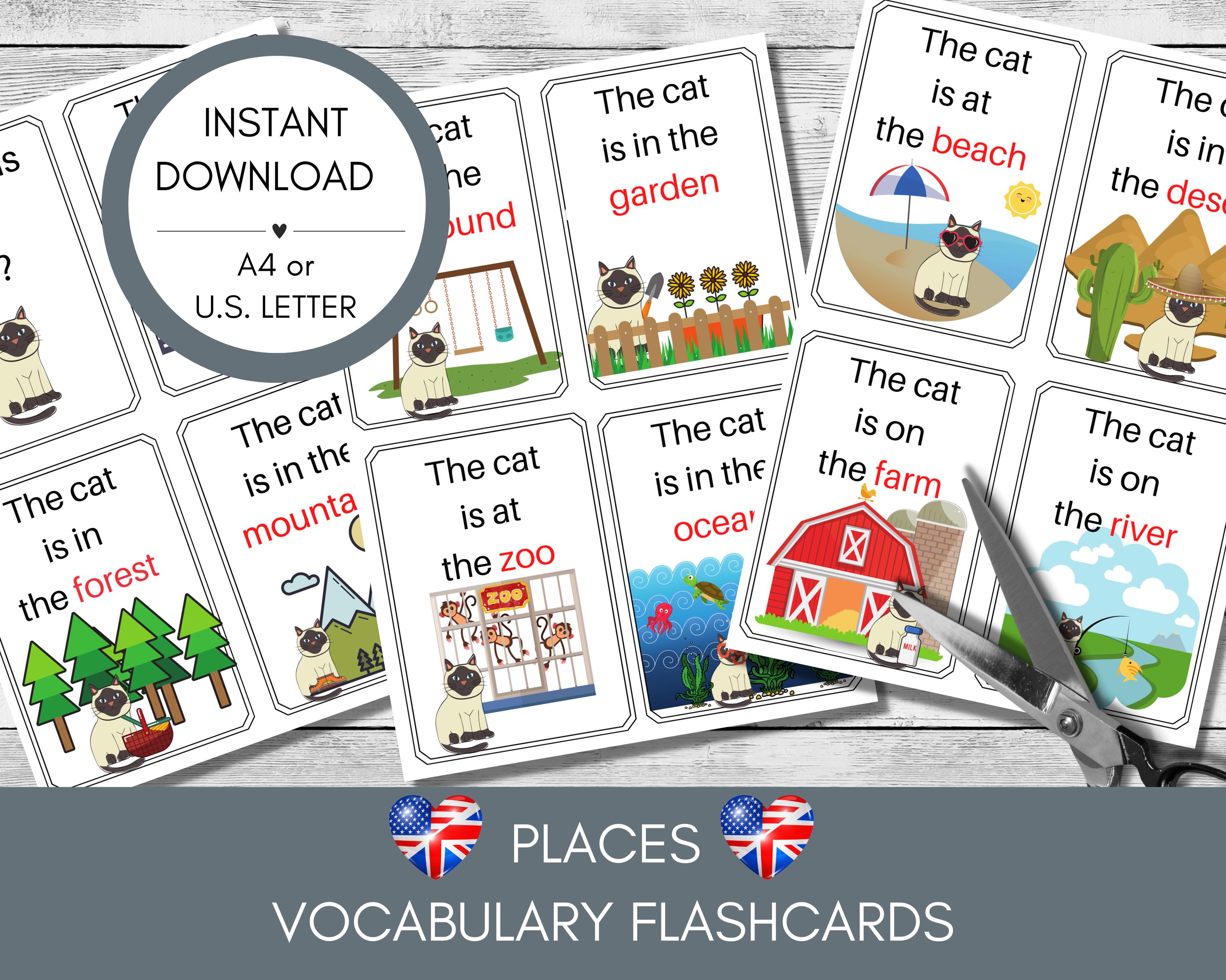
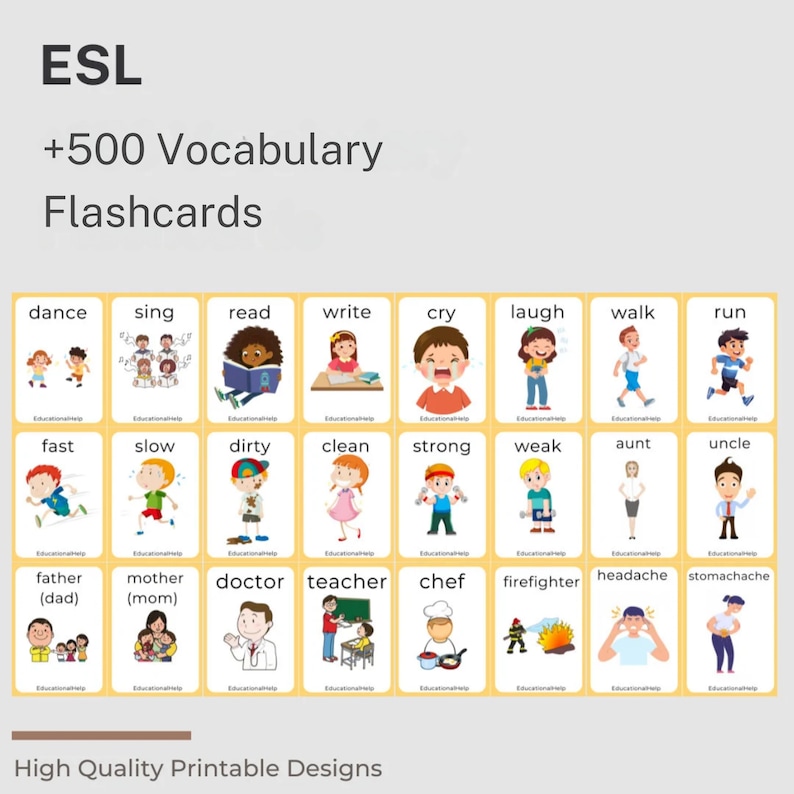
Language picture flashcards serve as foundational pedagogical tools that bridge visual processing with vocabulary acquisition through photographic realism. According to the National Association for the Education of Young Children (NAEYC), intentionally designed pictorial materials significantly enhance early cognitive mapping, symbolic representation, and linguistic expression in developing minds. Utilizing these resources alongside printable Grid Drawing worksheets allows children to deconstruct complex shapes into manageable spatial components, fostering both fine-motor precision and structural observation skills.
Visual Learning & Skill Snapshot:
- Core Focus: Bridging concrete photographic imagery with linguistic labeling through structured visual scaling.
- Target Skill: Spatial reasoning, visual discrimination, fine-motor proportion, and observation-to-drawing accuracy.
- Key Recommendation: Pair high-contrast photo cards with proportional grid networks to maximize hand-eye coordination.
Core Principles and Visual Learning Overview
Real photo visual resources paired with structured grids ground abstract concepts in tangible visual reality, allowing children to practice proportion estimation and spatial awareness systematically. When educators integrate Photo Flashcards into daily instructional routines, learners develop enhanced visual discrimination by examining real-world textures, lighting, and contours instead of simplified cartoon illustrations. This observational rigor transitions seamlessly into hands-on Educational Activities where children replicate photographic forms coordinate-by-coordinate, systematically building foundational geometry and mapping competencies.
Key Specifications and Breakdown
| Age / Learning Stage | Visual Skill & Grid Ratio | Pedagogical Application & Scaffolding |
|---|---|---|
| Ages 3-4 (Early Explorer) | 1×1 or 2×2 macro-grids | Focuses on basic contour recognition, color matching, and foundational vocabulary association using high-clarity object images. |
| Ages 5-7 (Emerging Artist) | 3×3 balanced coordinate grid | Teaches spatial orientation, proportion estimation, and line-to-coordinate mapping through realistic animal and nature photography. |
| Ages 8-10 (Advanced Observer) | 4×4 or multi-tier complex grid | Refines intricate observation skills, negative space analysis, and meticulous hand-eye coordination using detailed architectural and botanical photos. |
Visual-spatial training through structured coordinate drawing enhances neurological pathways responsible for mathematical proportion, symbolic reasoning, and reading readiness. — National Art Education Association (NAEA)
Step-by-Step Practical Application and Printing Guidelines
Executing successful visual grid exercises requires high-resolution printing, sturdy cardstock paper, and sequential skill scaffolding to prevent cognitive overload. Educators must first laminate selected photographic reference cards alongside corresponding blank grids to ensure durability during repeated handling. Instructors should guide learners to analyze a single grid quadrant at a time, encouraging the verbalization of spatial relationships (“the stem starts in the top-right corner of square B2”) before putting pencil to paper.
Common Challenges and How to Avoid Them
Overwhelming young learners with overly dense grids or abstract lighting often leads to frustration and inaccurate proportion estimation. To prevent this, facilitators should introduce simpler 2×2 photographic grids before advancing to multi-tier matrices, ensuring children can successfully track coordinate intersections without losing visual tracking. Emphasizing process over perfection transforms potential anxiety into an engaging puzzle-solving experience.
💬 Frequently Asked Questions
Explore More Free Learning Printables and Visual Activities on WePhotoAgency
Expanding early childhood curricula with high-quality visual tools becomes effortless when utilizing professionally curated resources designed to foster cognitive growth. Explore the complete library of printable assets, grid modules, and photographic learning aids by visiting WePhotoAgency.com today.
Visual Reference Gallery