Introduction
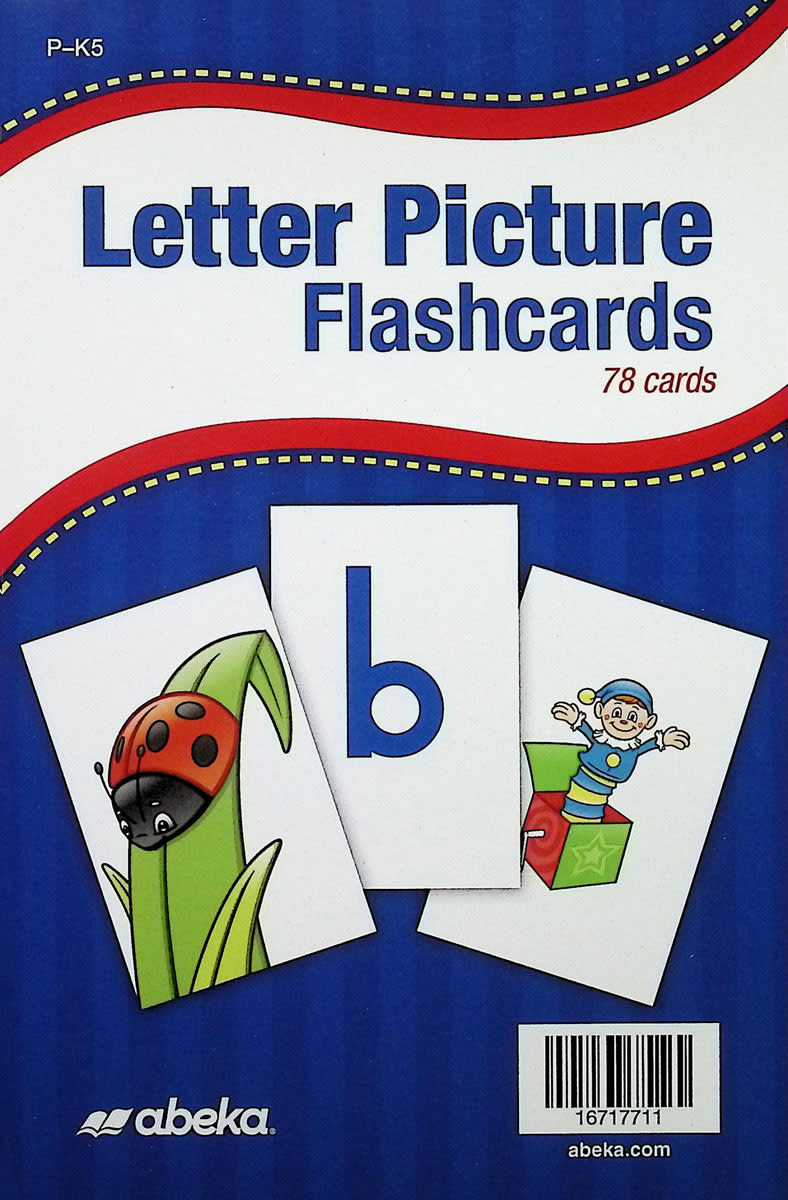
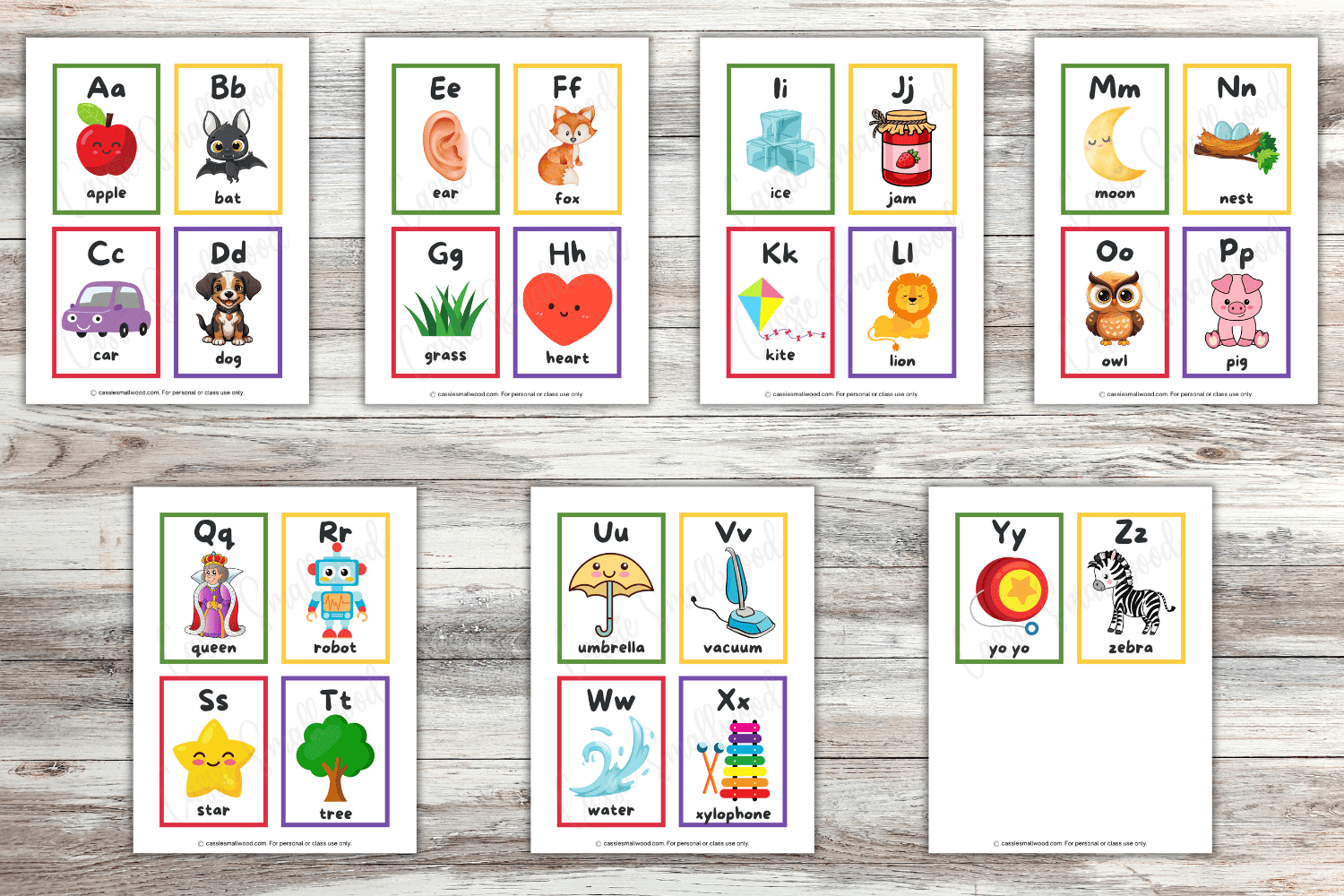
Letter picture flashcards abeka combine mnemonic visual associations with foundational phonetic recognition to accelerate early childhood literacy and cognitive development. According to the National Association for the Education of Young Children (NAEYC), integrating tangible visual representations with alphabet symbols significantly enhances memory retention and early reading readiness in young learners. Utilizing real Photo Flashcards alongside structured Grid Drawing exercises builds essential spatial reasoning, accurate proportion estimation, and fine-motor control. Educators, homeschoolers, and art instructors leverage these systematic tools to transform abstract letter shapes into concrete, memorable objects that young minds process effortlessly.
Visual Learning & Skill Snapshot:
- Core Focus: Phonetic letter-picture association paired with grid-based proportion mapping.
- Target Skill: Spatial reasoning, visual discrimination, fine-motor proportion, and observation skills.
- Key Recommendation: Pair photographic flashcard references directly with corresponding printable grid drawing worksheets to bridge symbol recognition with physical drawing accuracy.
Core Principles and Visual Learning Overview
Visual-spatial integration forms the foundational pillar for mastering letter picture flashcards abeka and translating them into physical drafting exercises. Direct answer: Children process graphic representations more rapidly when concrete photographic stimuli are mapped onto coordinate grid structures. This methodology engages the parietal lobe, enhancing observation skills by teaching learners to break complex shapes down into manageable coordinate squares. When young students observe a real-world object on a flashcard, analyze its proportions, and replicate it cell-by-cell on a grid, hand-eye coordination improves in tandem with linguistic comprehension. Such multisensory Educational Activities bridge the cognitive gap between abstract alphabet symbols and concrete artistic expression.
Key Specifications and Breakdown
| Age / Learning Stage | Visual Skill & Grid Ratio | Pedagogical Application & Scaffolding |
|---|---|---|
| Ages 3-4 (Pre-School) | 1×1 to 2×2 Simple Grids | Focuses on basic contour recognition, color matching, and gross motor shape placement using large-format photo cards. |
| Ages 5-6 (Kindergarten) | 3×3 Intermediate Grids | Emphasizes proportion estimation, line alignment, and letter-to-picture phonics correspondence through structured drawing. |
| Ages 7-8 (Early Elementary) | 4×4 Advanced Grids | Targets detailed observational accuracy, symmetrical balance, and independent scaling of photographic references. |
Early visual-spatial training through structured grid mapping and photographic cues directly accelerates cognitive symbol processing and fine-motor precision — National Association for the Education of Young Children (NAEYC)
Step-by-Step Practical Application and Printing Guidelines
Executing structured grid drawing exercises alongside letter picture flashcards abeka requires deliberate preparation and high-quality print production. Direct answer: Educators must print photo flashcards on heavy cardstock and pair them with matching grid worksheets scaled to the exact developmental level of the child. Begin by displaying the photographic flashcard to establish the primary visual target and discuss its starting letter sound. Next, guide the learner to examine how the subject intersects specific coordinate lines on the grid worksheet, encouraging pencil tracking from top-left to bottom-right. Reinforce accurate proportion estimation by asking children to count grid squares before sketching contour lines, ensuring sustainable cognitive scaffolding.
Common Challenges and How to Avoid Them
Overcoming spatial distortion and frustration during grid replication requires anticipating common developmental stumbling blocks. Direct answer: Children frequently struggle when attempting to draw entire objects at once instead of focusing on isolated grid quadrants. Prevent this by utilizing corner-masking tools or blank index cards to isolate one grid square at a time, reducing cognitive overload and visual clutter. Instructors should also discourage hasty line work by emphasizing light, erasable guidelines prior to final detailing. Maintaining patience and celebrating incremental proportion accuracy ensures that young learners remain motivated throughout their artistic and phonetic journey.
💬 Frequently Asked Questions
Explore More Free Learning Printables and Visual Activities on WePhotoAgency
Expanding early childhood cognitive development and artistic proficiency requires continuous access to high-quality, professional educational materials. Educators, parents, and homeschoolers can discover an extensive library of supplementary grid templates, photographic resources, and developmental guides by visiting WePhotoAgency.com to elevate daily learning experiences.
Visual Reference Gallery