Introduction
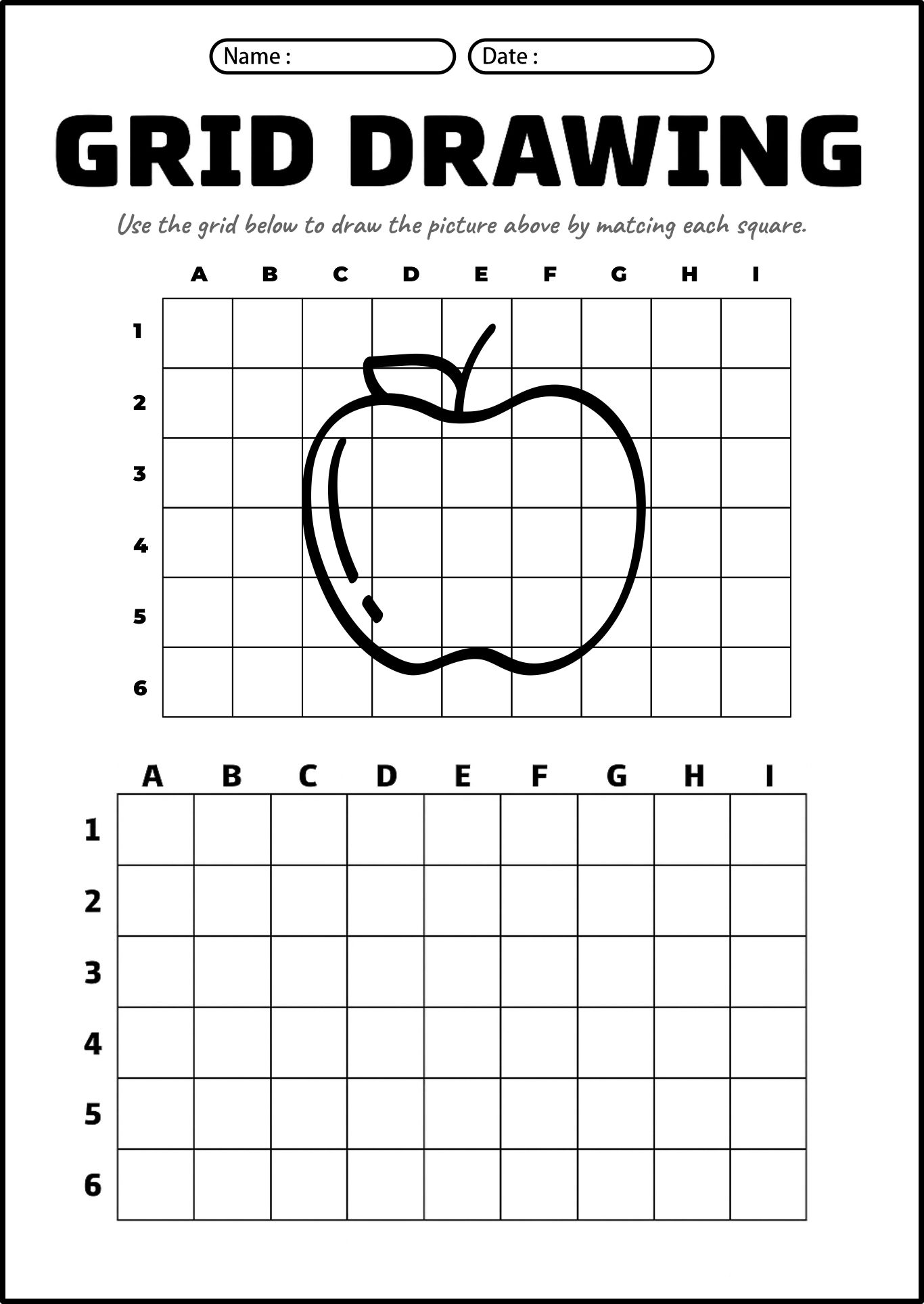
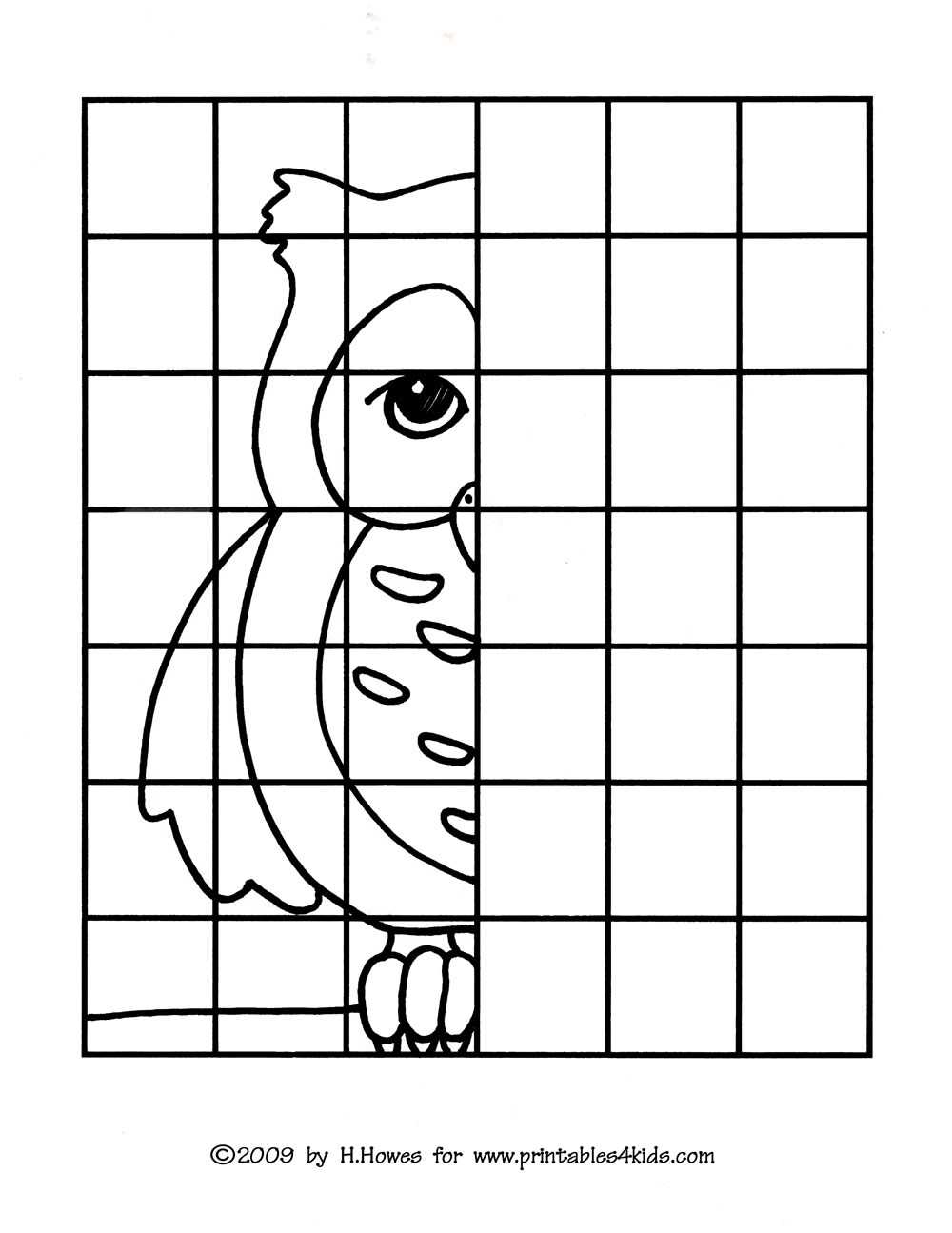
A grid drawing notebook systematically breaks complex visual imagery into manageable coordinate squares to develop foundational spatial reasoning and coordinate mapping skills in early learners. According to the National Art Education Association (NAEA), structured visual exercises promote critical observation and fine-motor precision by teaching children to isolate individual shapes within a geometric framework. Integrating printable grid drawing worksheets with Photo Flashcards transforms abstract artistic tasks into concrete cognitive matches. Educators and parents utilize these tools to bridge the gap between sight-based observation and precise hand-eye coordination. This comprehensive instructional guide explores structural methodology, developmental benchmarks, and optimal classroom implementation strategies for young artists.
Visual Learning & Skill Snapshot:
- Core Focus: A grid drawing notebook builds observational accuracy and proportional estimation via coordinate-based mapping.
- Target Skill: Spatial reasoning, visual discrimination, fine-motor proportion, and realistic photo-based concept mastery.
- Key Recommendation: Pair high-contrast real photo references directly with corresponding square grids to eliminate cognitive overload.
Core Principles and Visual Learning Overview
Proportional scaling through a grid drawing notebook requires young learners to analyze the contents of one specific box and replicate lines relative to intersecting coordinates. This technique shifts visual processing from holistic guessing to analytical chunking, which is a vital milestone in early childhood cognitive development. When children couple structured Grid Drawing exercises with authentic photography, cognitive load decreases significantly because the source material is literal rather than abstract. Furthermore, these multi-step Educational Activities enhance working memory, attention to detail, and left-right spatial orientation without requiring advanced prior art training.
Key Specifications and Breakdown
| Age / Learning Stage | Visual Skill & Grid Ratio | Pedagogical Application & Scaffolding |
|---|---|---|
| Ages 4-5 (Early Explorers) | 2×2 or 3×3 coarse grid; high-contrast shapes | Focuses on basic contour recognition and tracing simple geometric outlines inside distinct cells. |
| Ages 6-7 (Developing Observers) | 4×4 to 6×6 medium grid; real-world objects | Encourages line-of-sight tracking from photo prompts to blank squares, building proportional judgment. |
| Ages 8-9 (Advanced Beginners) | 8×8 fine grid; complex photographic subjects | Refines intricate detail mapping, shading estimation, and independent grid-scale reproduction. |
Structured visual arts education accelerates cognitive mapping, spatial memory, and analytical problem-solving abilities in early elementary learners. — National Art Education Association (NAEA)
Step-by-Step Practical Application and Printing Guidelines
Implementing a structured drawing regimen begins with printing high-resolution templates featuring clear, dark-lined coordinate axes paired with authentic photographic references. Adults must instruct children to isolate a single grid box at a time, covering surrounding cells with a paper mask to prevent visual distraction. Pencil pressure should remain light during initial sketching phases to allow effortless erasing when adjusting intersections. Educators should encourage learners to verify where lines cross grid borders before committing final strokes to paper, ensuring accurate proportions across the entire composition.
Common Challenges and How to Avoid Them
Children frequently struggle with grid drawing notebooks when initial photo prompts feature excessive background clutter or poor lighting contrast. Overcoming this hurdle involves selecting clean, isolated photographic subjects with distinct edges and prominent tonal ranges. Another frequent obstacle is working across the entire page randomly rather than progressing sequentially from top-left to bottom-right. Guiding young learners to follow a strict row-by-row progression stabilizes focus and guarantees proportional fidelity throughout the drawing process.
💬 Frequently Asked Questions
Explore More Free Learning Printables and Visual Activities on WePhotoAgency
Enhance early childhood development programs by accessing an extensive library of printable learning resources, structured drawing sheets, and visual flashcards directly at WePhotoAgency.com. Dedicated educators, parents, and homeschoolers can instantly download premium educational assets designed to cultivate critical observation and artistic confidence.
Visual Reference Gallery