Introduction
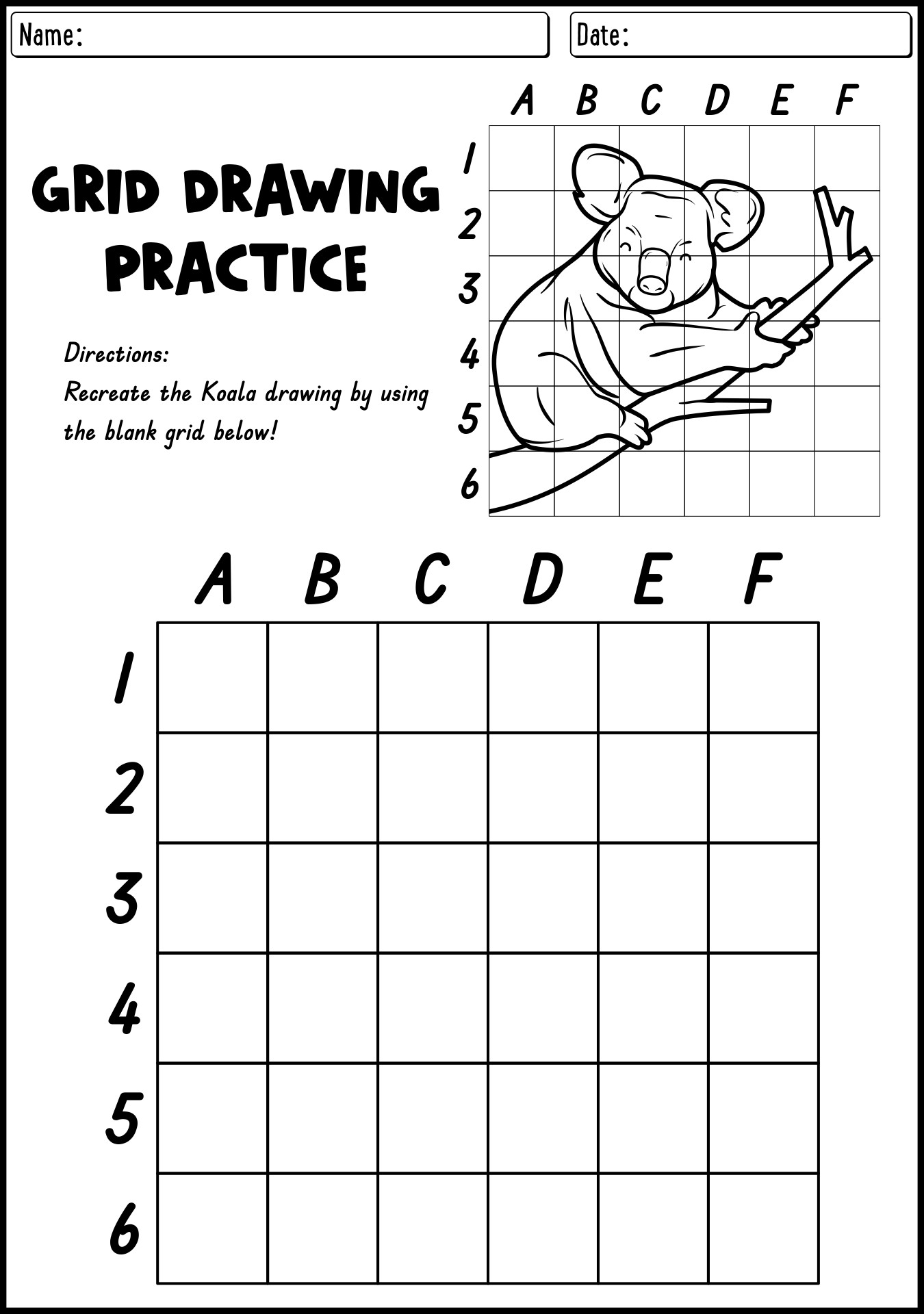
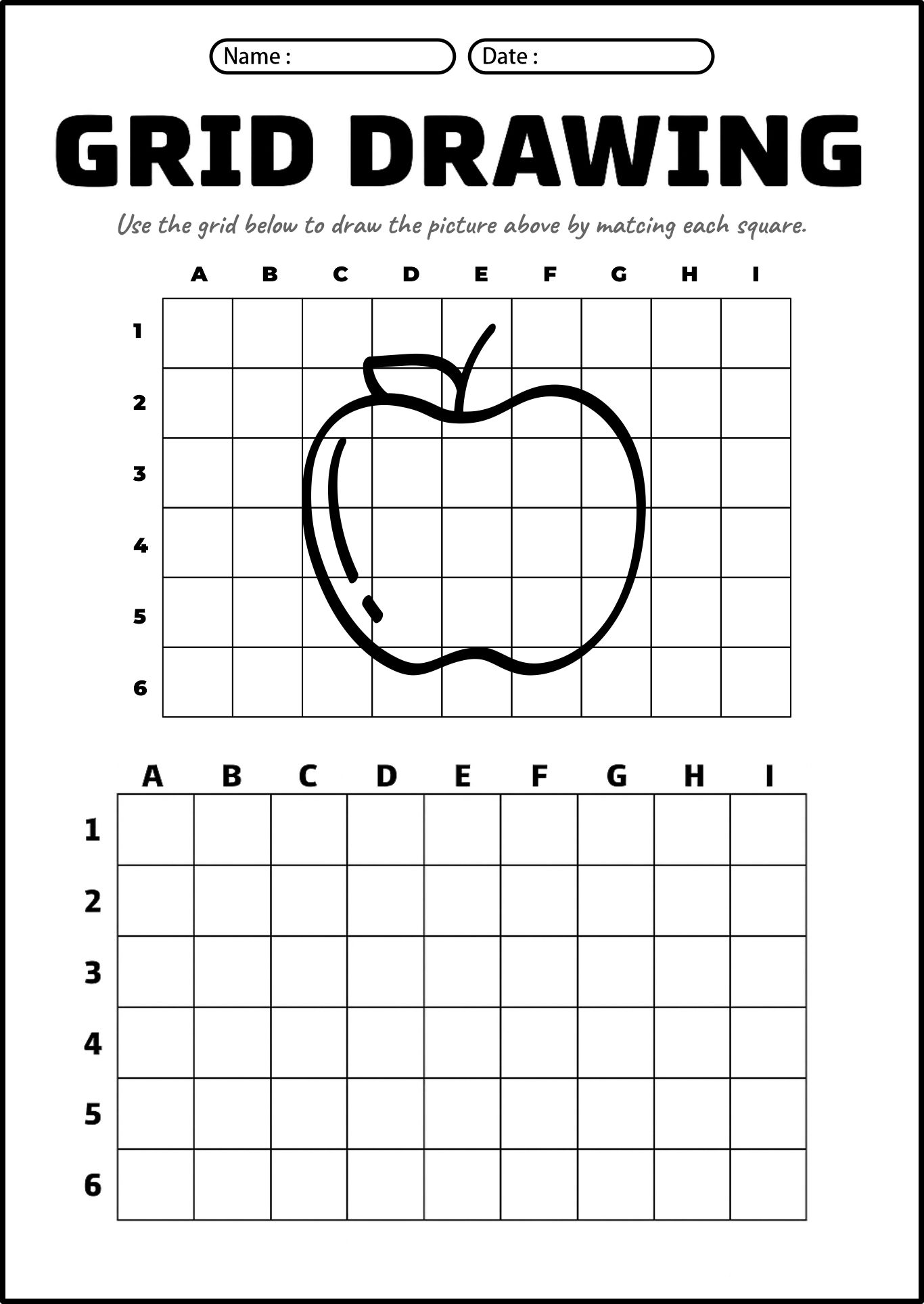
A grid drawing generator is a specialized digital tool that overlays a customizable coordinate matrix onto photographic images to produce printable worksheets that systematically teach spatial awareness, proportion estimation, and fine-motor observational skills to children. According to the National Association for the Education of Young Children (NAEYC), systematic engagement with visual-spatial manipulation and structured drawing tasks significantly accelerates early cognitive development, hand-eye coordination, and visual discrimination in early childhood. Educators, parents, and homeschoolers utilize these specialized worksheets alongside tools like Photo Flashcards to bridge concrete visual recognition with abstract geometric mapping. Grounding art instruction in reproducible grid matrices transforms overwhelming complex scenes into manageable, bite-sized coordinate squares that eliminate drawing anxiety.
Visual Learning & Skill Snapshot:
- Core Focus: Automated matrix-based image fragmentation for proportional artistic rendering and cognitive scaling.
- Target Skill: Spatial reasoning, visual discrimination, fine-motor proportion, and photo-based concept mastery.
- Key Recommendation: Pair high-contrast, simple real-world photographs with beginner 3×3 grids before progressing to dense geometric scales.
Core Principles and Visual Learning Overview
Grid drawing generation relies on the timeless artistic tradition of breaking complex visual stimuli down into smaller, mathematically manageable quadrants to train the human brain in accurate observational rendering. When children utilize resources designed through a Grid Drawing framework, cognitive load is drastically reduced because attention focuses strictly on one isolated square at a time rather than an entire chaotic composition. This isolation technique trains young minds to look at negative space, line angles, and intersection points rather than relying on preconceived symbolic representations of objects. Integrating such tools into daily Educational Activities reinforces neurological pathways associated with geometry, mathematics, and critical visual analysis.
Key Specifications and Breakdown
| Age / Learning Stage | Visual Skill & Grid Ratio | Pedagogical Application & Scaffolding |
|---|---|---|
| Ages 4-5 (Early Kindergarten) | 3×3 Matrix; High-contrast real photos | Focuses on basic shape tracking, quadrant identification, and broad contour tracing. |
| Ages 6-7 (First/Second Grade) | 4×4 or 5×5 Matrix; Intermediate detail | Teaches coordinate mapping, relative proportion estimation, and steady pencil control. |
| Ages 8-10 (Upper Elementary) | 6×6+ Matrix; Complex realistic images | Refines intricate detail reproduction, perspective analysis, and independent scaling. |
Visual-spatial training through structured geometric drawing matrices measurably enhances children’s foundational geometry comprehension and analytical observation skills. — National Art Education Association (NAEA)
Step-by-Step Practical Application and Printing Guidelines
Executing an effective grid-based drawing session requires careful selection of source material, precise printer scaling, and supportive adult scaffolding to ensure a frustration-free experience. Begin by selecting clear, high-contrast photographic references depicting familiar animals, nature elements, or everyday objects to maintain high engagement levels. Generate and print the matching worksheet pair—one containing the gridded reference photo and one containing the blank corresponding grid—ensuring page-scaling settings remain strictly at one-hundred percent to prevent coordinate distortion. Instruct learners to label corresponding rows and columns with numbers and letters to reinforce alphanumeric literacy simultaneously while scanning square by square from top-left to bottom-right.
Common Challenges and How to Avoid Them
Common obstacles during grid drawing exercises include learners jumping haphazardly across the page, getting overwhelmed by dense background details, or struggling with fine-motor hand fatigue. Overcome these hurdles by providing an opaque cardboard view-mask that isolates a single grid square, allowing children to block out distracting surrounding visual noise entirely. Educators should encourage learners to sketch faint, light guidelines first before finalizing distinct lines, treating errors as natural steps in spatial estimation. Maintaining patience and starting with minimal cell counts ensures confidence builds steadily before introducing intricate multi-row matrices.
💬 Frequently Asked Questions
Explore More Free Learning Printables and Visual Activities on WePhotoAgency
Discover an extensive collection of printable educational resources, developmental worksheets, and structured visual teaching tools by exploring the comprehensive library available directly at WePhotoAgency.com. Dedicated parents, homeschoolers, and art educators can continuously access fresh, high-quality materials engineered to inspire lifelong creativity and cognitive growth.
Visual Reference Gallery