Introduction
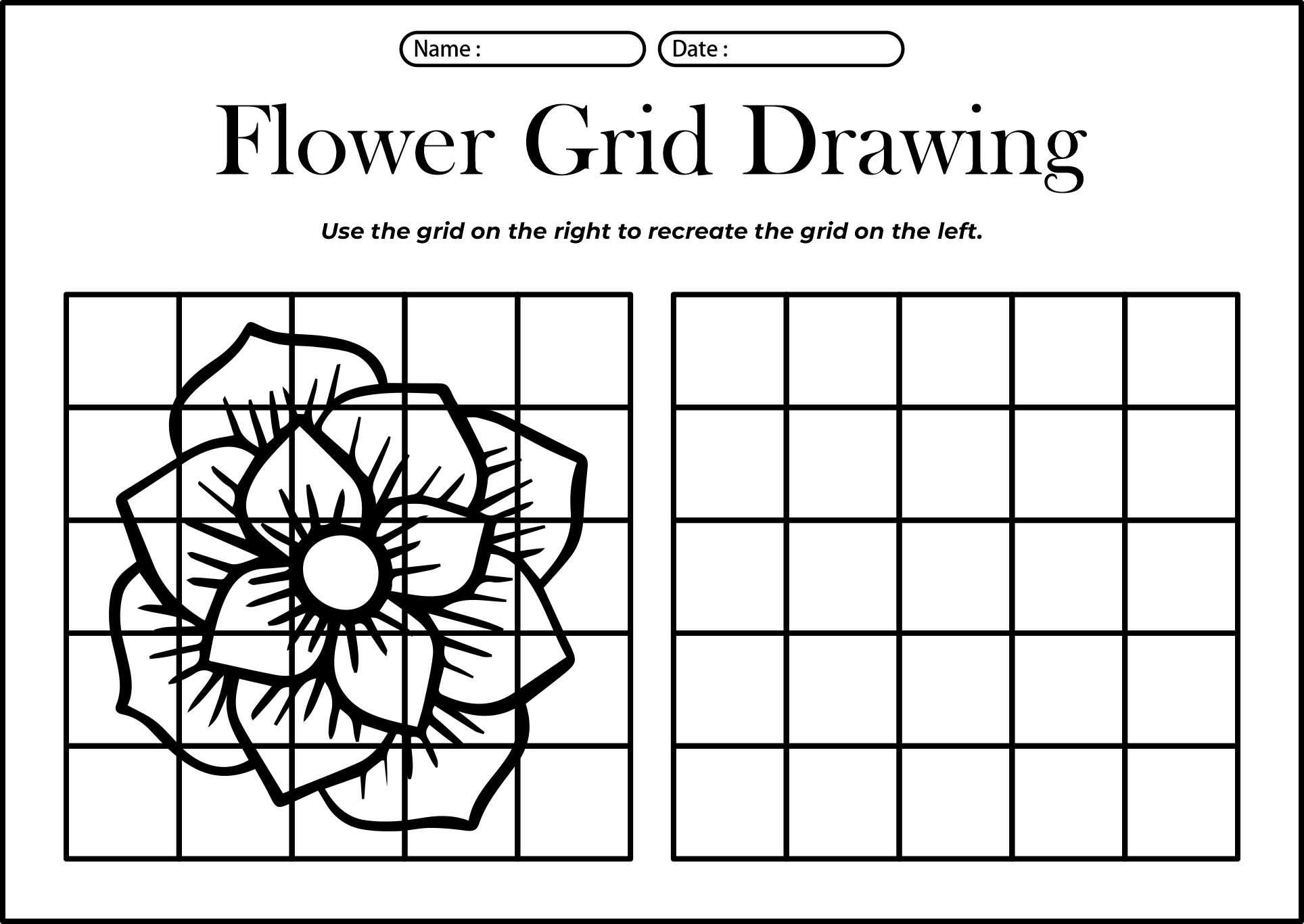
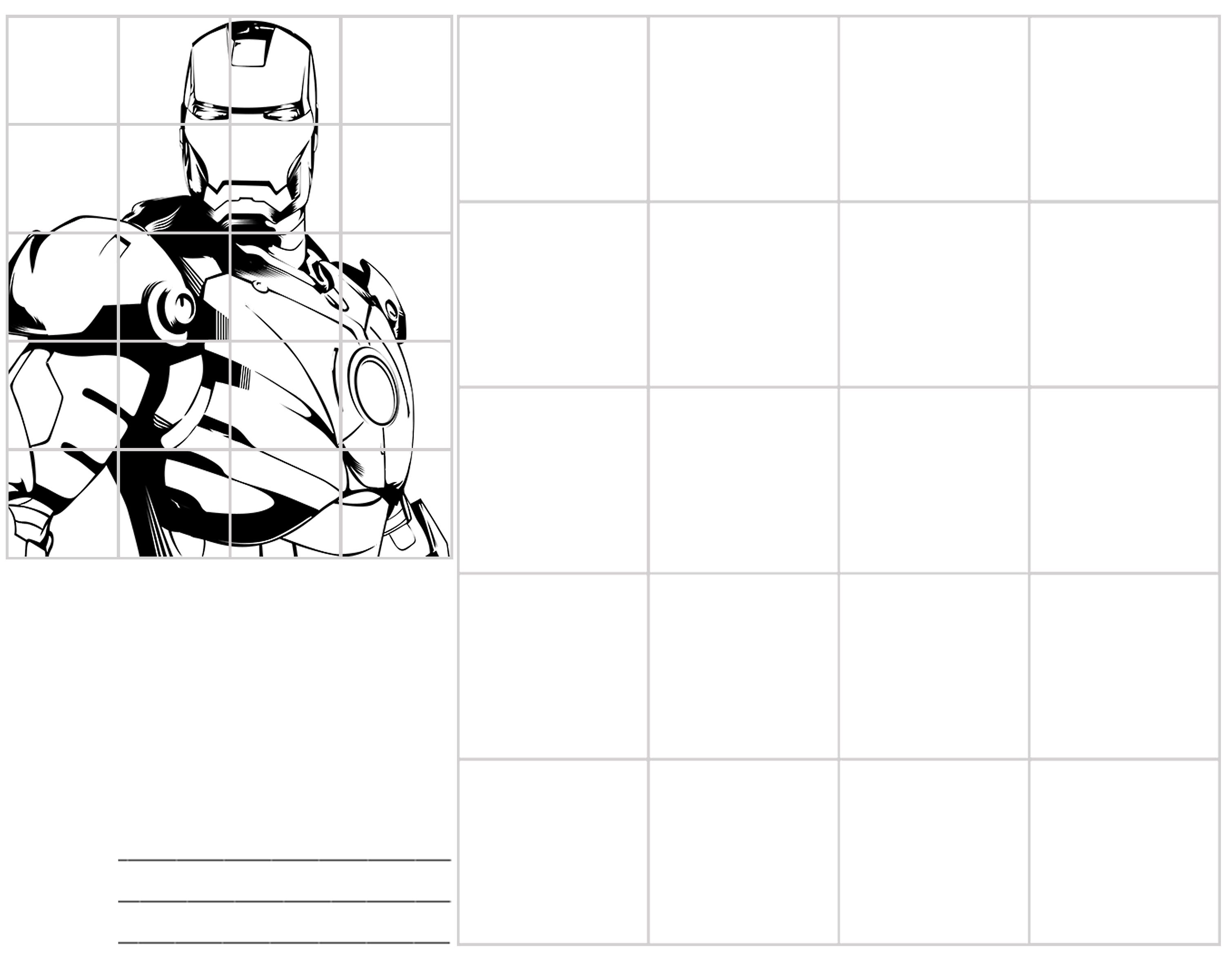
A grid drawing game functions as an effective pedagogical tool that breaks down complex visual information into manageable coordinates to accelerate spatial cognition, fine-motor precision, and proportional awareness in young learners. According to the National Art Education Association (NAEA), structured observational drawing activities successfully foster critical thinking, perceptual accuracy, and cognitive development in early childhood education. By utilizing printable grid drawing worksheets alongside realistic Photo Flashcards, educators and parents can systematically bridge the gap between abstract visual processing and concrete hand-eye coordination. This structured technique empowers children to analyze photographic subjects segment by segment rather than becoming overwhelmed by the entirety of an image. Engaging with specialized Grid Drawing printables provides foundational geometry, symmetry recognition, and analytical skills necessary for future academic and artistic success.
Visual Learning & Skill Snapshot:
- Core Focus: Systematic coordinate mapping of real photo reference materials using structured grids.
- Target Skill: Spatial reasoning, visual discrimination, fine-motor proportion, and photo-based concept mastery.
- Key Recommendation: Pair high-contrast real photo references with simplified 2×2 or 3×3 grids for early learners before progressing to higher-density layouts.
Core Principles and Visual Learning Overview
Grid drawing games operate on the cognitive principle of chunking, where complex visual stimuli are divided into isolated geometric cells to reduce cognitive load and enhance observational accuracy. When children engage with these structured Educational Activities, the primary objective is to teach the brain to draw what is actually seen within a specific coordinate box rather than relying on preconceived mental symbols of objects. Utilizing realistic photographic references instead of generic line art encourages authentic visual interpretation, teaching young learners to measure angles, negative space, and line placement relative to grid borders. Scaffolding this process from basic geometric patterns to detailed nature and animal photographs ensures progressive skill acquisition, supporting children as they build confidence in their manual dexterity and visual analysis.
Key Specifications and Breakdown
| Age / Learning Stage | Visual Skill & Grid Ratio | Pedagogical Application & Scaffolding |
|---|---|---|
| Ages 4-5 (Early Explorers) | 2×2 Grid with high-contrast macro photos | Focuses on basic quadrant identification, gross motor line control, and single-object recognition. |
| Ages 6-7 (Developing Artists) | 3×3 or 4×4 Grid with detailed real-world subjects | Emphasizes proportion estimation, intersecting lines, and spatial orientation across adjacent cells. |
| Ages 8-10 (Advanced Beginners) | 6×6 Grid with complex photographic scenes | Refines intricate detail replication, scale conversion, and independent error correction. |
Systematic observation through coordinate-based visual frameworks significantly enhances spatial reasoning and fine-motor accuracy in early childhood cognitive development. — National Art Education Association (NAEA)
Step-by-Step Practical Application and Printing Guidelines
Implementing a successful grid drawing session requires clear preparation of printables, organized workspace setups, and proper photographic reference matching. Educators should begin by printing identical grid overlays on both the reference photograph and the blank drawing template to maintain exact 1:1 proportional scaling. Providing sharp, well-maintained pencils and soft erasers minimizes frustration, while utilizing thick cardstock prevents paper curling during intensive line work. Guiding children to focus on one grid square at a time—covering adjacent squares with a blank card if necessary—prevents visual overload and encourages intense concentration. Once the individual squares are completed, encourage learners to step back and observe how the collective cells form a unified, accurate photographic replication.
Common Challenges and How to Avoid Them
Young learners frequently struggle with grid drawing games when they attempt to draw the entire subject at once instead of methodically isolating individual coordinates. To overcome this common hurdle, instructors should explicitly demonstrate the cell-by-cell mapping method, showing children how lines intersect specific grid coordinates like a map. Another frequent obstacle arises when grid lines are printed with excessive dark contrast, which can visually compete with the child’s pencil marks; selecting light grey lines for worksheets resolves this issue entirely. Furthermore, ensuring that reference images feature clear, uncluttered focal points prevents confusion regarding background versus subject details, fostering sustained engagement and positive learning outcomes.
💬 Frequently Asked Questions
Explore More Free Learning Printables and Visual Activities on WePhotoAgency
Discover an extensive collection of professional educational resources designed to foster visual literacy, cognitive growth, and creative expression by visiting WePhotoAgency.com today.
Visual Reference Gallery