Introduction
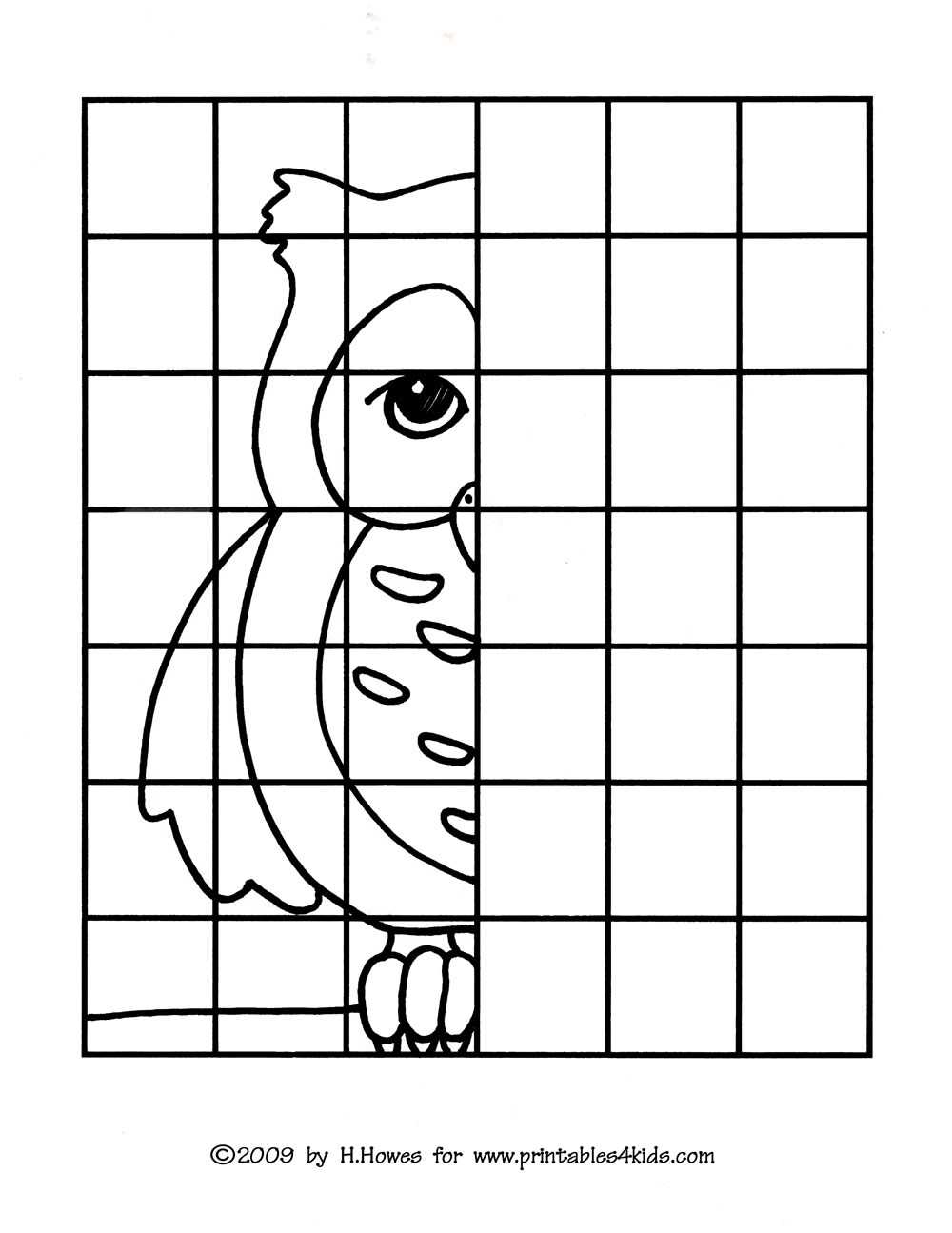
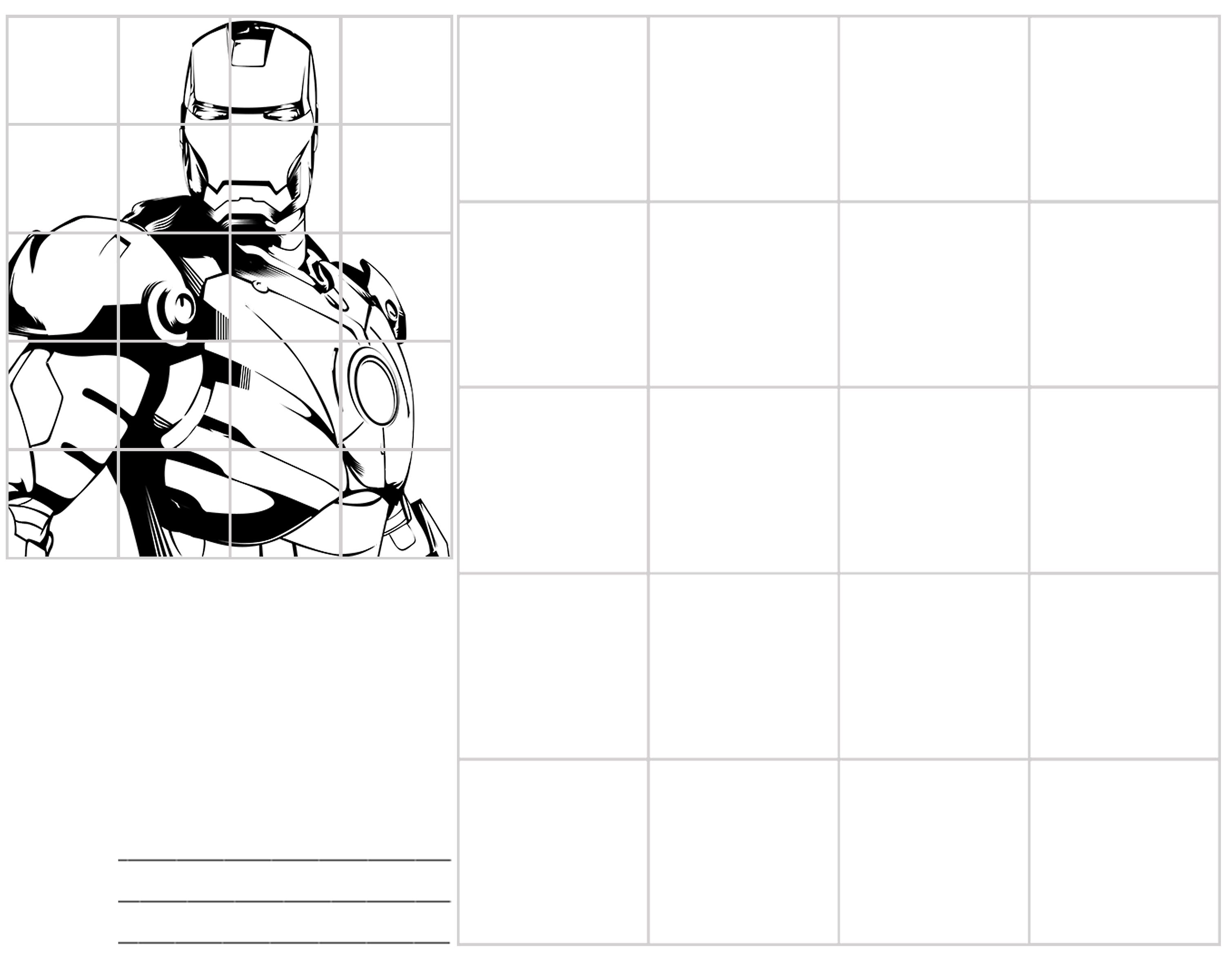
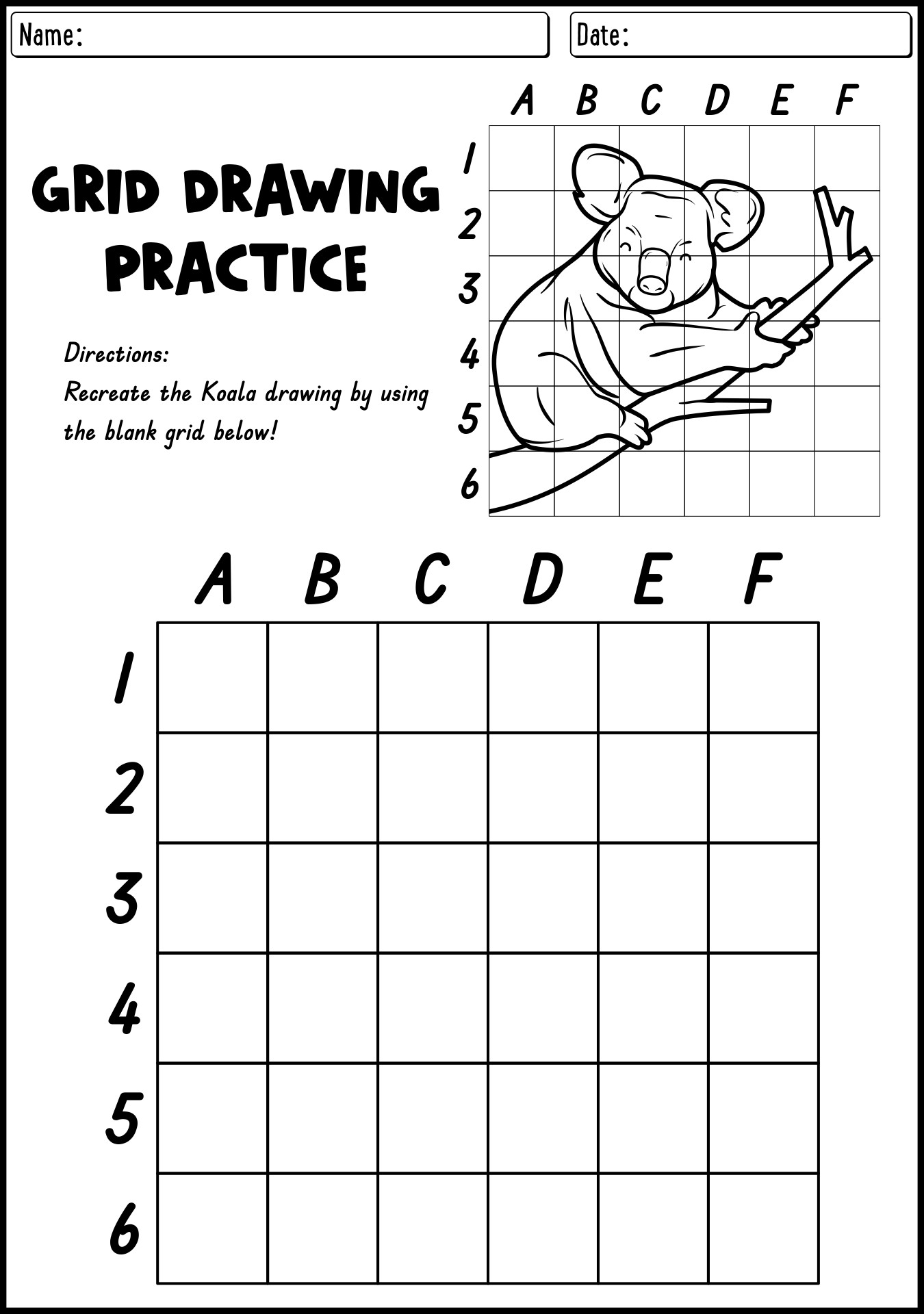
Grid drawing for kids is a foundational visual arts technique that breaks complex photographic references and illustrations into manageable coordinate-based squares to teach spatial awareness, proportion estimation, and hand-eye coordination. According to the National Association for the Education of Young Children (NAEYC), structured visual-spatial manipulation experiences during early childhood significantly accelerate cognitive mapping, fine-motor precision, and observational competence. Utilizing printable grid drawing worksheets alongside realistic Photo Flashcards transforms intimidating artistic tasks into accessible, step-by-step visual puzzles that naturally engage developing minds. Educators and parents frequently integrate these systematic Educational Activities into daily curricula to bridge the gap between intuitive sketching and accurate dimensional representation.
Visual Learning & Skill Snapshot:
- Core Focus: Systematic breaking down of visual images using coordinate grid lines to teach accurate proportion and observational sketching.
- Target Skill: Spatial reasoning, visual discrimination, fine-motor proportion estimation, and photographic reference decoding.
- Key Recommendation: Begin with low-density 3×3 grids featuring high-contrast photographic references before advancing to dense coordinate matrices.
Core Principles and Visual Learning Overview
Grid drawing for kids operates on the cognitive principle of chunking, where the human brain deconstructs a complex optical stimulus into smaller, isolated fragments to reduce cognitive load during replication. When children focus on copying only the specific lines, curves, and negative spaces contained within a single square—rather than attempting to draw an entire subject at once—frustration diminishes and accuracy increases exponentially. This methodology builds a mental bridge between abstract visual perception and physical execution, training young eyes to measure spatial relationships through direct observation rather than relying on memorized symbols. Incorporating structured Grid Drawing exercises daily cultivates patience, linear tracking, and precise pencil control essential for both advanced artistry and foundational geometry readiness.
Key Specifications and Breakdown
| Age / Learning Stage | Visual Skill & Grid Ratio | Pedagogical Application & Scaffolding |
|---|---|---|
| Ages 4-5 (Early Preschool) | 3×3 Grid, Bold Primary Outlines | Focus on basic shapes and high-contrast photo flashcards to build fundamental coordinate tracking. |
| Ages 6-8 (Early Elementary) | 4×4 Grid, Moderate Detail | Transition to real-world objects and animals, emphasizing proportional line alignment and corner referencing. |
| Ages 9-11 (Advanced Elementary) | 5×5+ Grid, Complex Photographic Referencing | Incorporate complex photographic subjects, tonal shading translation, and independent grid scaling. |
Systematic visual arts instruction that breaks complex forms into coordinate squares demonstrably enhances spatial reasoning, fine-motor precision, and observational accuracy across early childhood development. — National Art Education Association (NAEA)
Step-by-Step Practical Application and Printing Guidelines
Executing successful grid drawing sessions requires careful preparation of printable worksheets, stable drawing surfaces, and appropriate writing instruments to maximize engagement and minimize physical strain. Educators should print reference cards and matching blank grids on heavy-weight cardstock to prevent tearing and curling during intensive eraser use. Instructors must guide young learners to systematically isolate individual squares using an index card as a framing tool, blocking out surrounding visual noise to concentrate exclusively on coordinate intersections. Encouraging children to check line placements relative to grid borders before finalizing marks ensures that proportional errors are caught and corrected early in the creative process.
Common Challenges and How to Avoid Them
Children frequently struggle with grid drawing when attempting to sketch entire objects across multiple squares simultaneously instead of methodically completing one isolated coordinate block at a time. To prevent this common pitfall, adults should mandate top-to-bottom, left-to-right sequencing and provide physical masks that hide completed sections until the focus box is finished. Another frequent obstacle involves grid scale mismatch; ensuring that student worksheets match the exact dimensions of the reference photo prevents disproportionate stretching and cognitive confusion. By providing clear visual scaffolding, consistent encouragement, and properly sized printing templates, educators ensure every child experiences steady, measurable progress in visual-spatial proficiency.
💬 Frequently Asked Questions
Explore More Free Learning Printables and Visual Activities on WePhotoAgency
Expanding a child’s creative toolkit requires access to diverse, high-quality, and structurally sound educational resources tailored to every developmental milestone. Educators, parents, and homeschool leaders can discover an extensive collection of professional worksheets, visual learning guides, and interactive exercises by visiting the main hub at WePhotoAgency.com to elevate daily instruction and inspire lifelong artistic confidence.
Visual Reference Gallery