Introduction
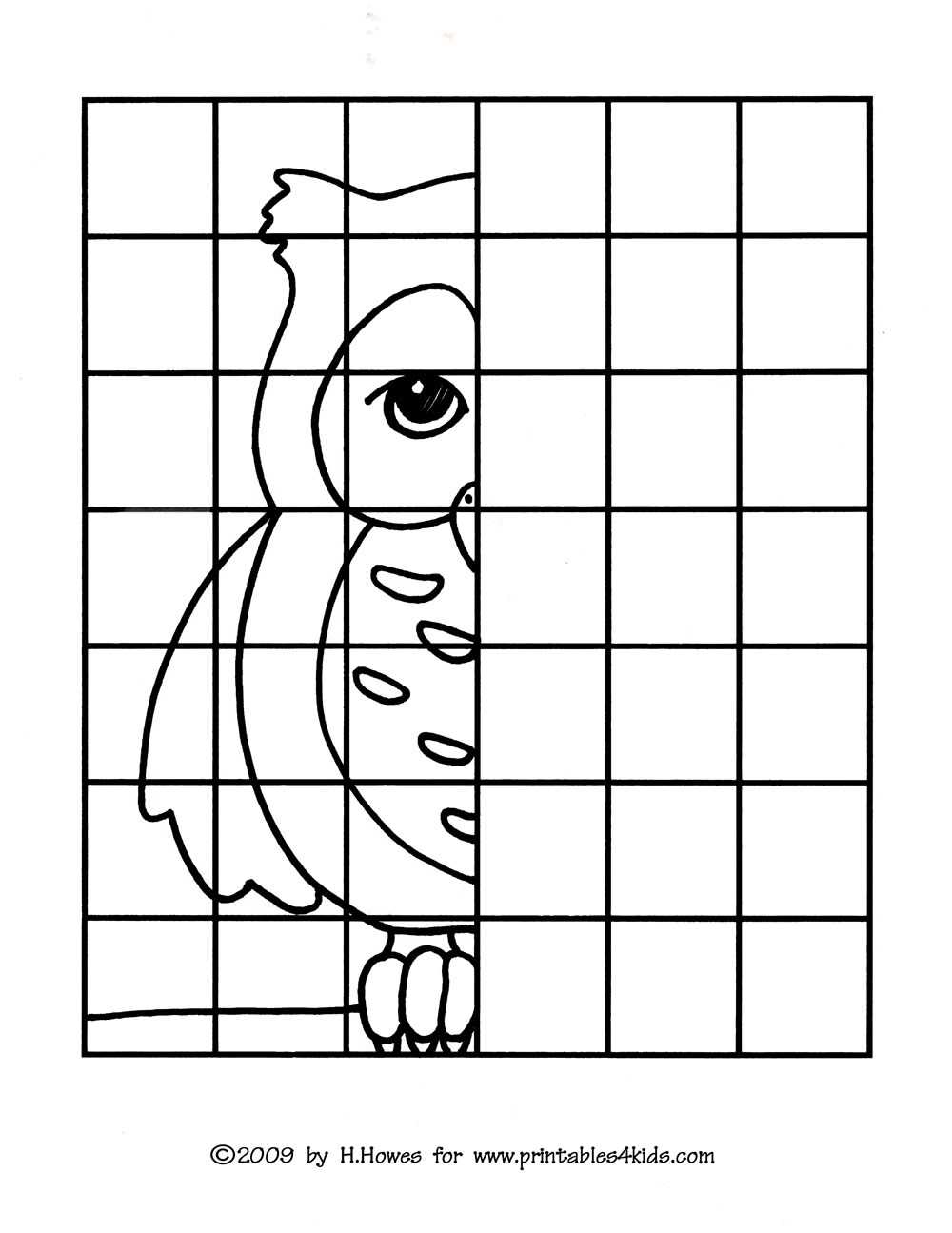
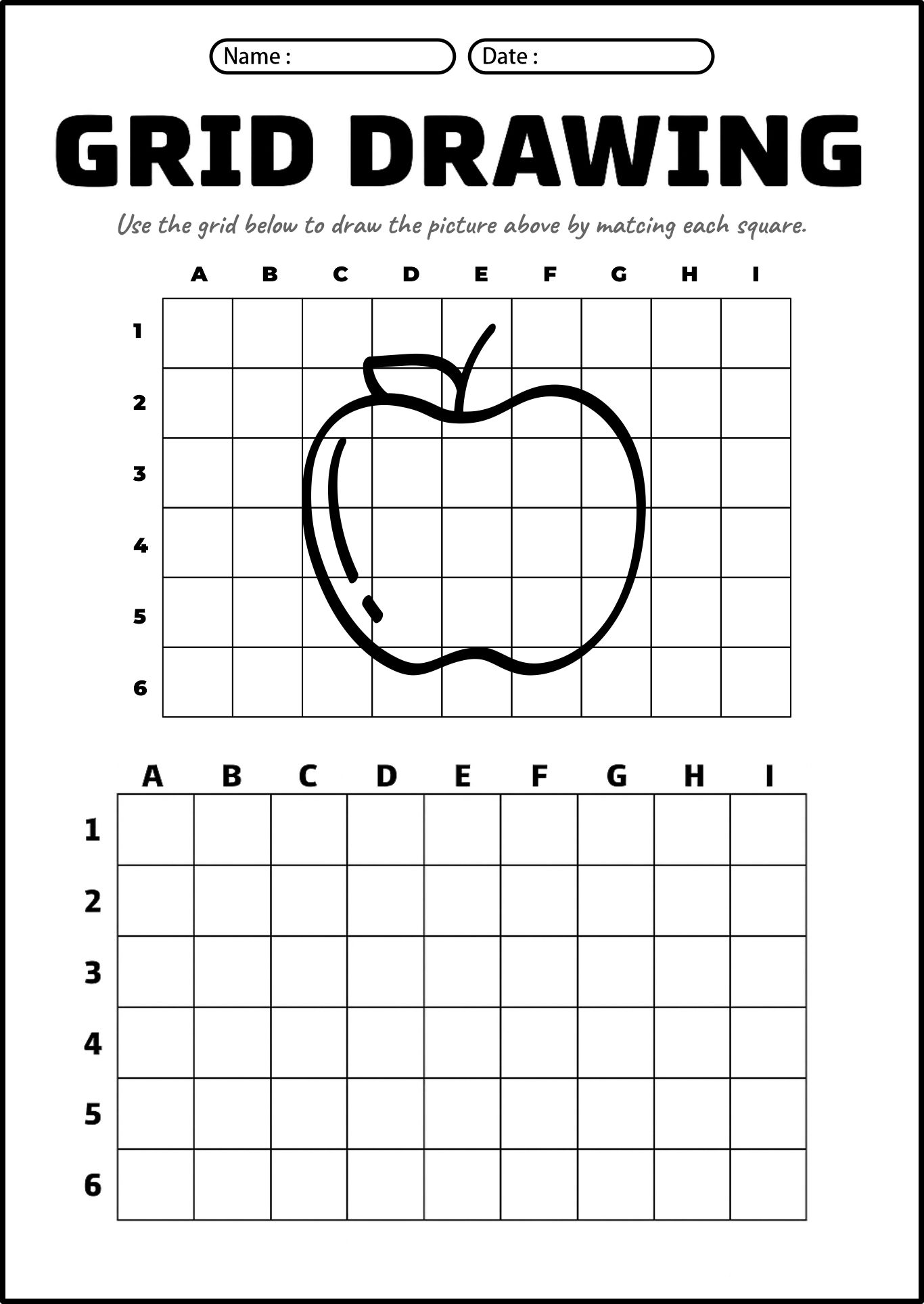
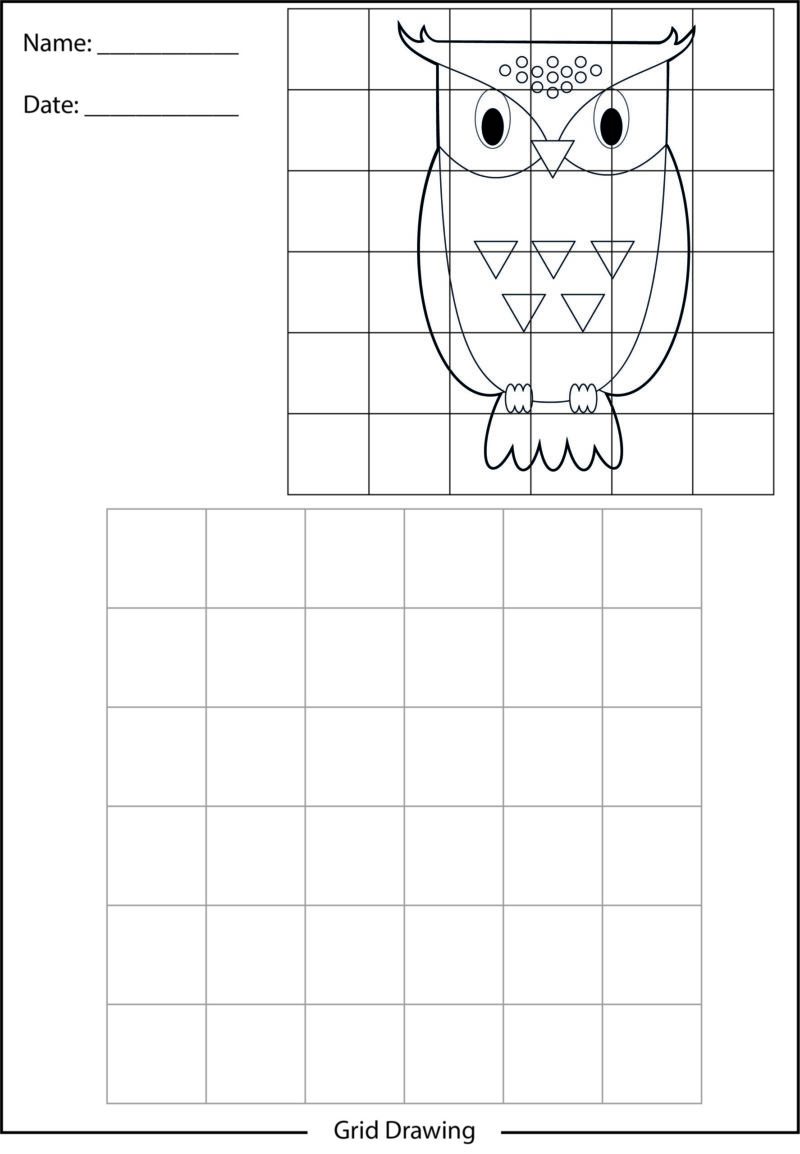
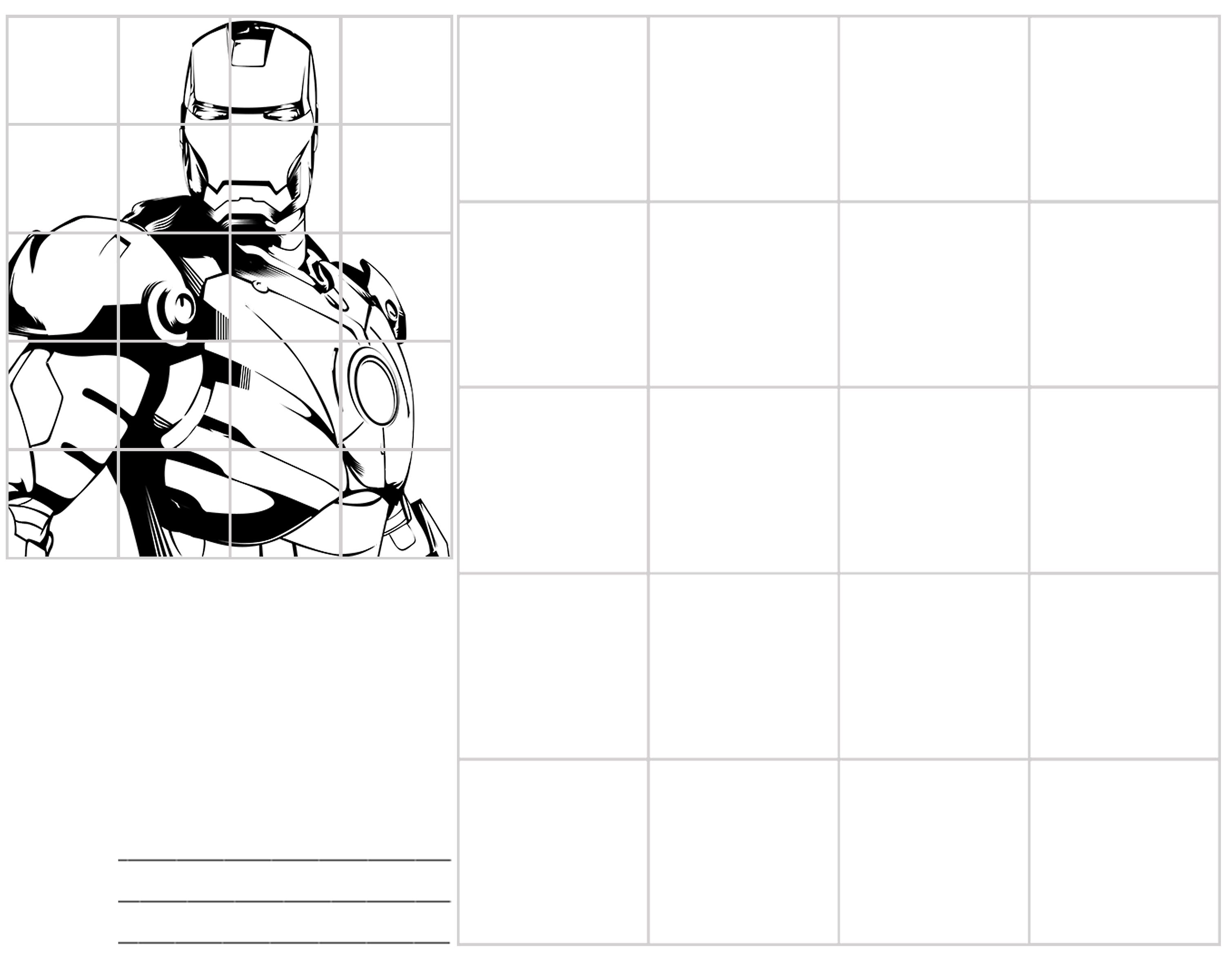
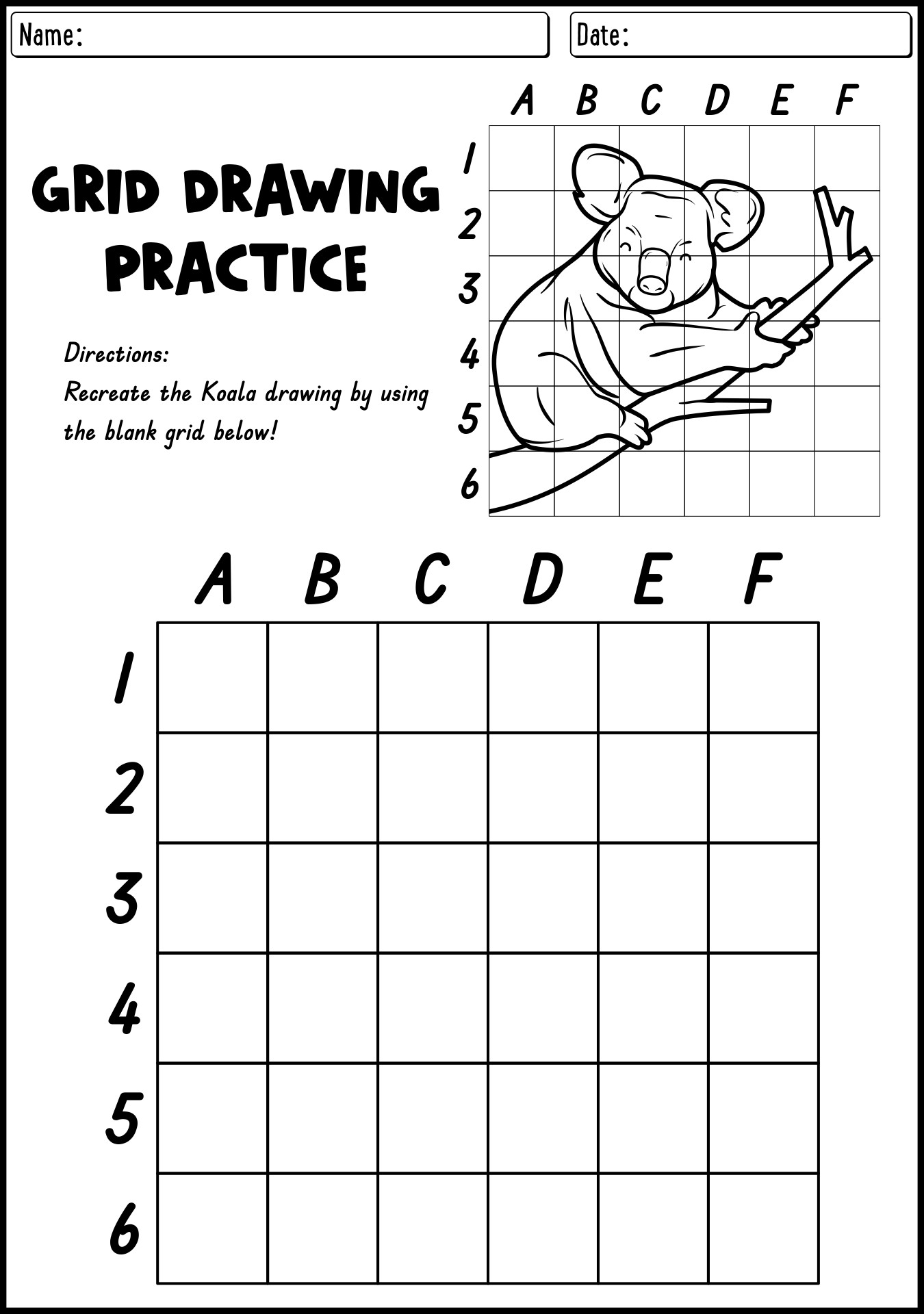
Grid drawing in art is a foundational instructional technique that divides reference imagery and blank paper into corresponding coordinate squares to teach young learners how to isolate visual data and replicate accurate proportions. According to the National Art Education Association (NAEA), structured observational drawing methodologies significantly enhance a child’s hand-eye coordination, spatial intelligence, and analytical perception. Utilizing printable Grid Drawing templates alongside high-resolution visual references empowers educators and parents to scaffold complex visual information into manageable pieces for early elementary learners.
Visual Learning & Skill Snapshot:
- Core Focus: Systematic coordinate mapping to translate photographic visual information into hand-drawn proportions.
- Target Skill: Spatial reasoning, visual discrimination, fine-motor proportion control, and observation accuracy.
- Key Recommendation: Pair simple 2×2 or 4×4 coordinate boxes with real photo references to bridge concrete visual recognition and abstract line translation.
Core Principles and Visual Learning Overview
Grid drawing in art operates by training the human visual cortex to break down continuous contours into isolated, digestible geometric fragments. When children engage with printable worksheets or pair drawing sessions with Photo Flashcards, cognitive load decreases significantly because attention shifts from the intimidating whole image to individual line intersections within single grid cells. This method bypasses premature symbolic drawing conventions—such as drawing a generic symbol for an eye or a leaf—and forces the developing mind to record actual angles, negative spaces, and relative lengths as they genuinely appear in physical reality.
Key Specifications and Breakdown
| Age / Learning Stage | Visual Skill & Grid Ratio | Pedagogical Application & Scaffolding |
|---|---|---|
| Ages 4-5 (Early Foundation) | 2×2 or 3×3 simple grid; high-contrast subjects | Focuses on basic quadrant orientation and gross line tracking using real photographic object references. |
| Ages 6-7 (Early Elementary) | 4×4 moderate grid; organic shapes and animals | Teaches intersection plotting, negative space awareness, and proportion comparison across adjacent boxes. |
| Ages 8-9 (Advanced Skill Building) | 6×6 detailed grid; complex textures and lighting | Refines contour precision, shading gradations, and independent translation from photo to paper without reliance on tracing. |
Systematic visual breaking through coordinate alignment promotes critical cognitive mapping and enhances fine-motor precision in early childhood development. — National Art Education Association (NAEA)
Step-by-Step Practical Application and Printing Guidelines
Executing successful grid-based drawing sessions requires high-contrast reference images and clean, standardized printouts to eliminate visual confusion. Start by selecting crisp real-world photographs printed at an exact scale matching the destination grid paper. Provide young learners with a primary pencil and a quiet workspace where both the reference photo and drawing sheet lie side by side on a flat surface. Encourage children to select one specific square at a time—starting from the top left corner and working systematically rightward—to observe where lines enter and exit the grid boundaries before executing the pencil stroke.
Common Challenges and How to Avoid Them
Drawing outside designated grid lines or becoming overwhelmed by intricate details are common hurdles that require intentional instructional intervention. Educators can prevent frustration by beginning with simplified, bold subjects and gradually increasing grid density as fine-motor confidence improves. When children rush through the process and ignore adjacent coordinate alignments, prompt them to use their index finger or a masking card to isolate one single square, thereby filtering out distracting visual noise and restoring focused attention to single-line proportions.
💬 Frequently Asked Questions
Explore More Free Learning Printables and Visual Activities on WePhotoAgency
Transform early visual education into an engaging, structured experience by utilizing professional resources designed for modern classrooms and homeschool environments. Visit WePhotoAgency.com to browse an expansive library of downloadable worksheets, cognitive development templates, and creative assets built to inspire lifelong learning.
Visual Reference Gallery