Introduction
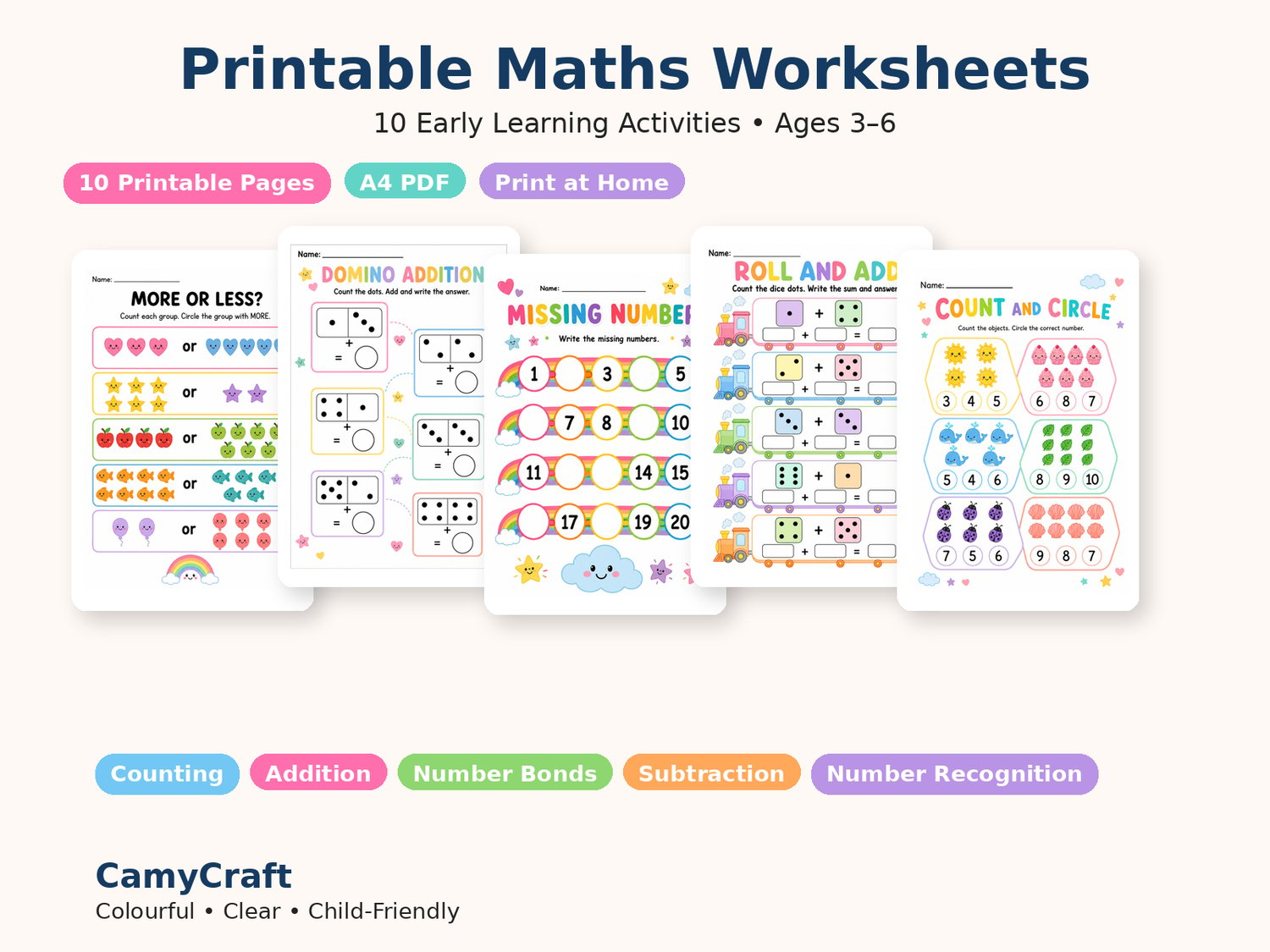
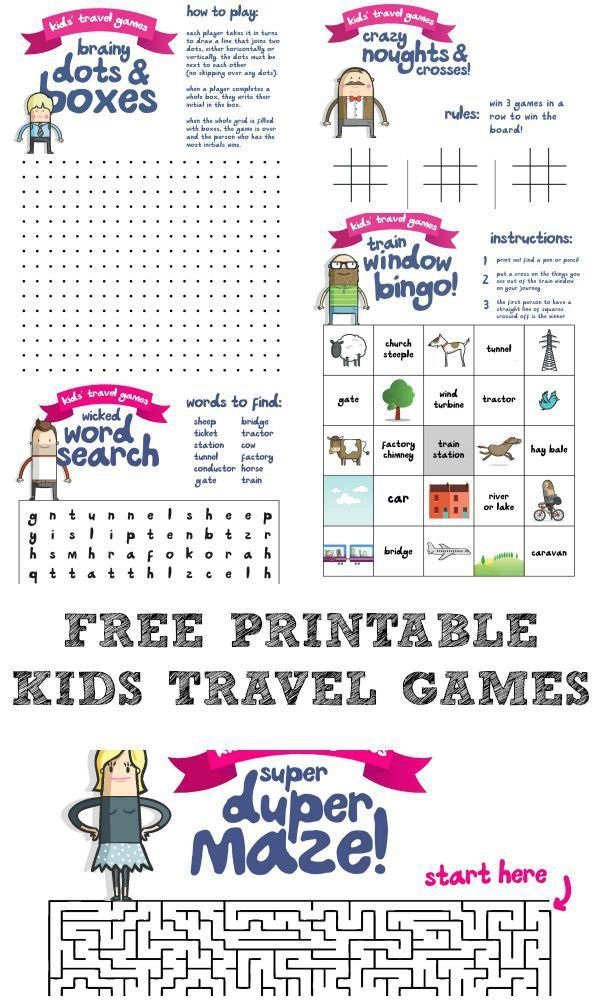
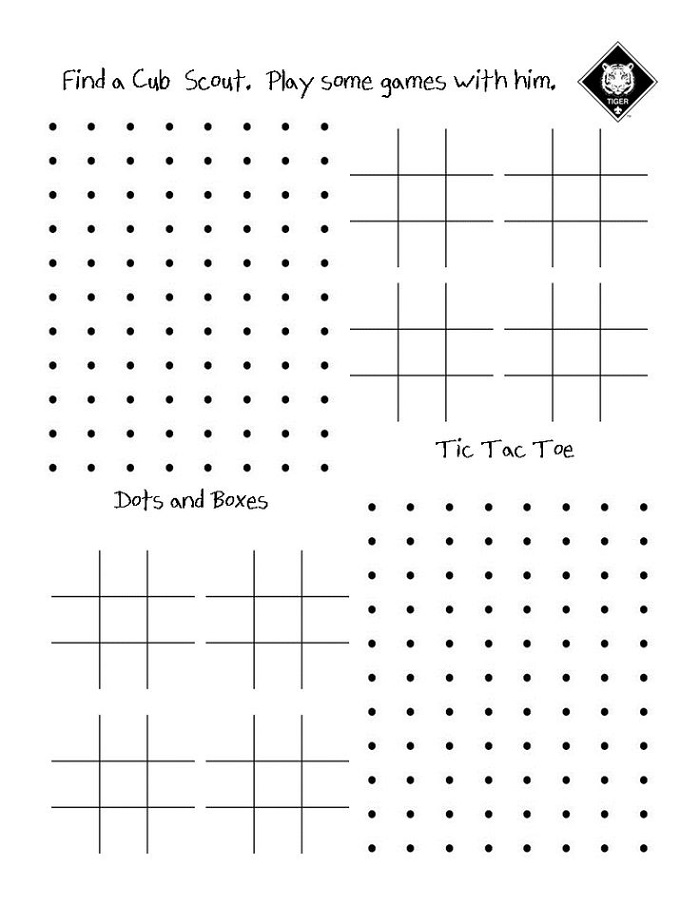
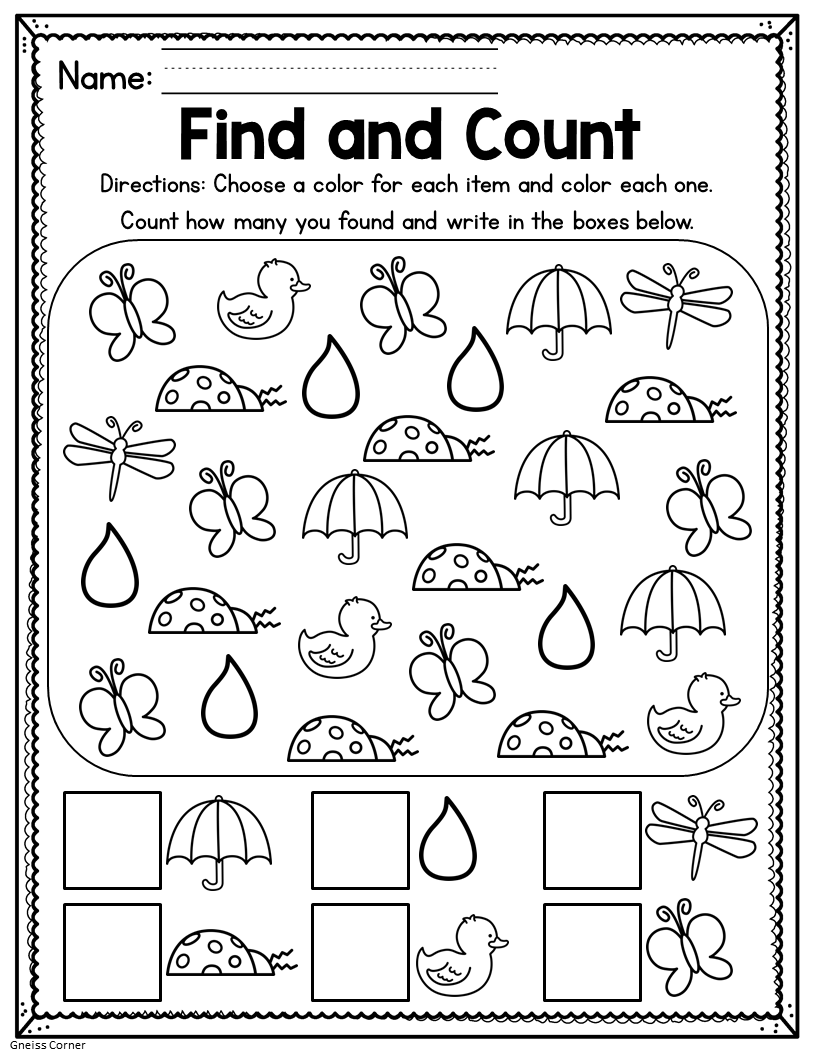
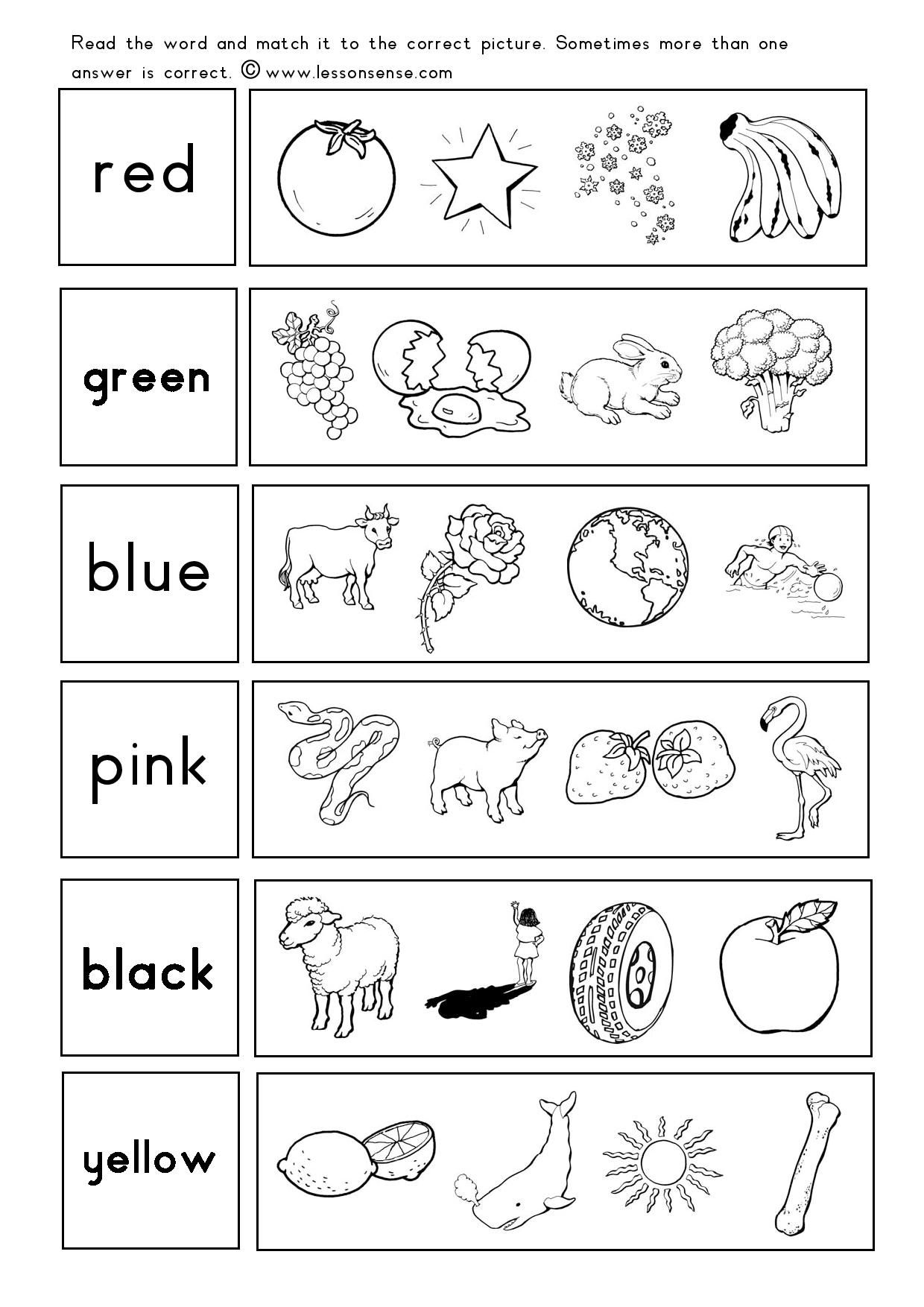
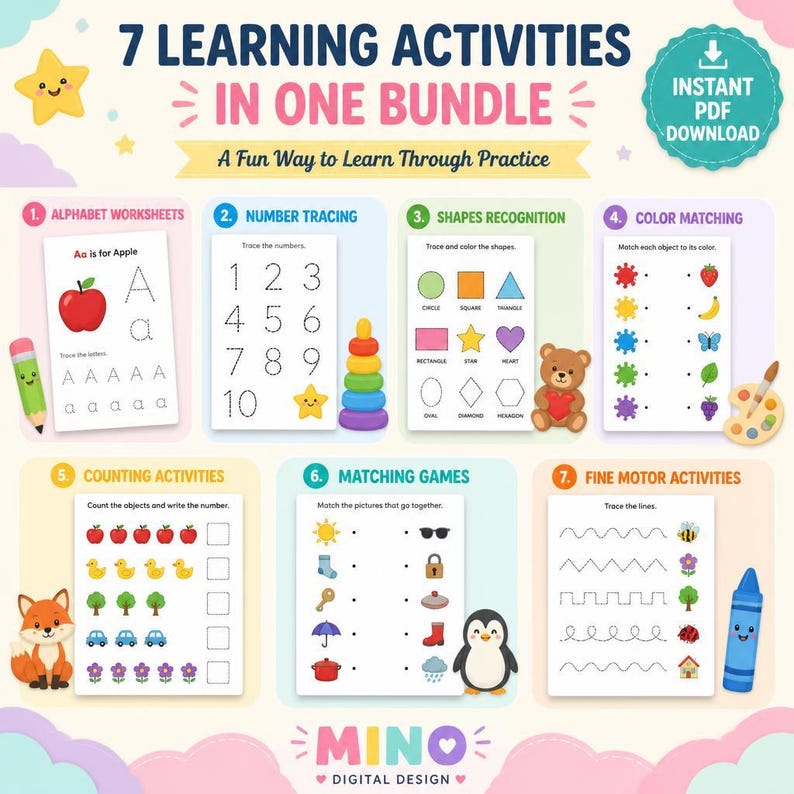
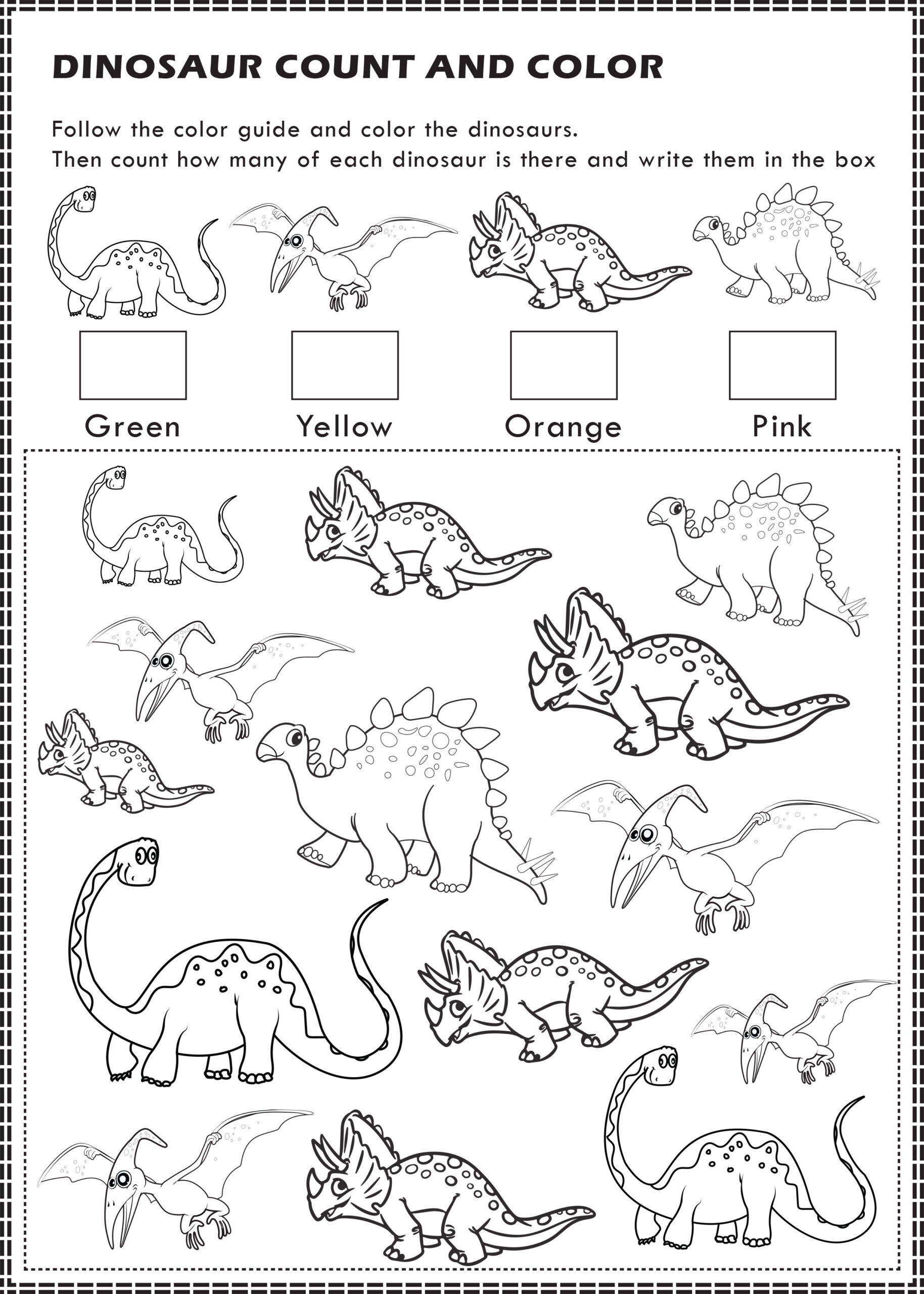
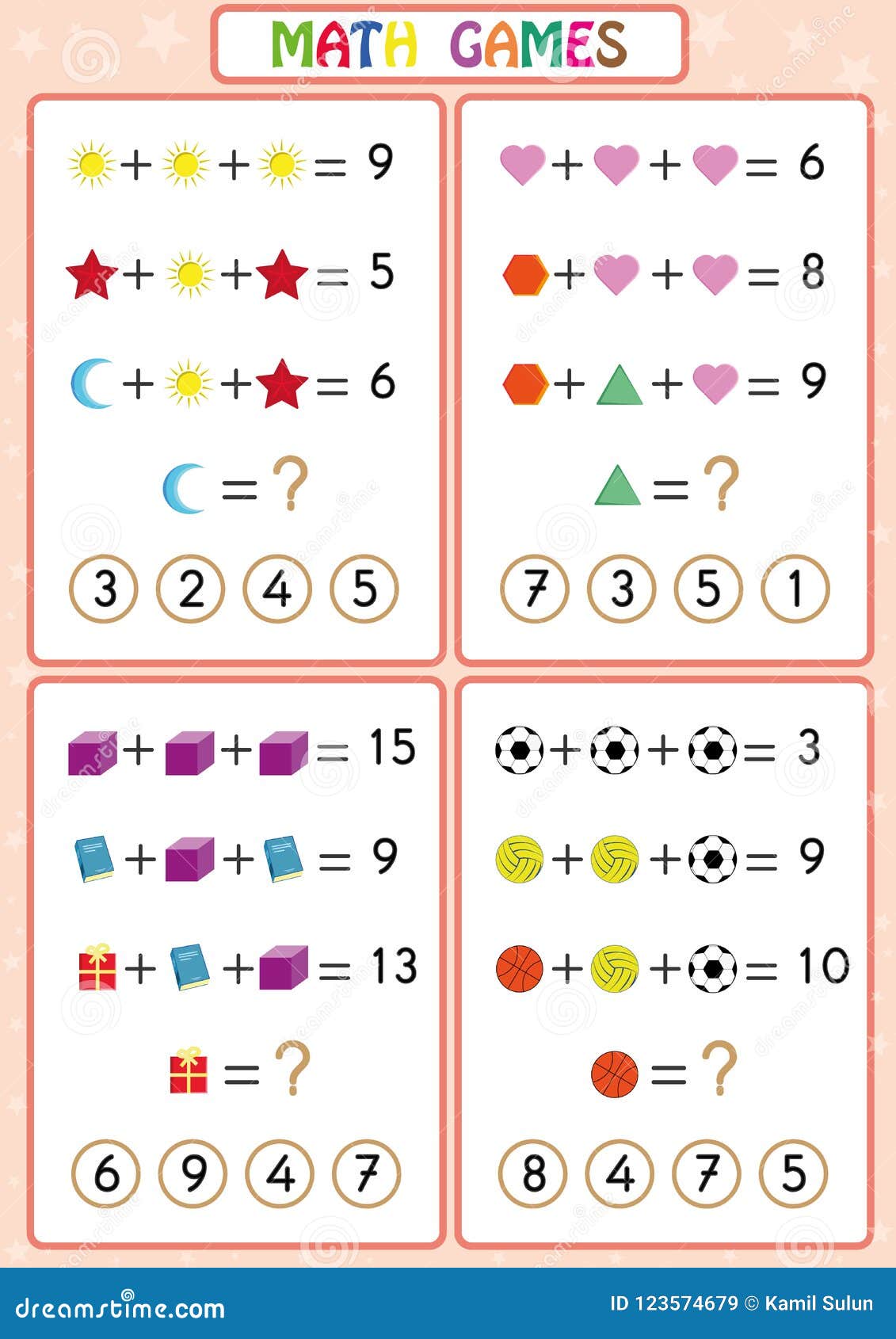
Fun educational games for kids on paper harness tactile, low-tech modalities to cultivate critical visual processing, spatial reasoning, and fine-motor precision. According to the National Association for the Education of Young Children (NAEYC), hands-on manipulative and paper-based graphical tasks are foundational drivers for early childhood cognitive development and mathematical readiness. Integrating tactile learning resources bridges the gap between abstract visual concepts and concrete spatial mastery, offering an accessible method for educators and parents to enhance early literacy, observational acuity, and fine-motor control without relying on digital screens. For systematic development of these core visual skills, exploring curated Educational Activities provides structured resources tailored for early childhood classrooms and homeschool environments.
Visual Learning & Skill Snapshot:
- Core Focus: Fun educational games for kids on paper utilizing printable grids and real photo visual prompts.
- Target Skill: Spatial reasoning, visual discrimination, fine-motor proportion, and observation-based estimation.
- Key Recommendation: Pair photographic reference sheets with scaled grid paper to anchor spatial coordination in real-world visual data.
Core Principles and Visual Learning Overview
Paper-based cognitive games systematically train the brain to break complex visual stimuli into manageable geometric components. Utilizing printable Grid Drawing worksheets forces young learners to isolate single quadrants, shifting cognitive processing from holistic guesswork to analytical coordinate mapping. This deliberate practice directly enhances proportion estimation and visual-motor integration. When children replicate shapes, textures, and real photo references square by square, neural pathways connecting visual input to manual execution strengthen, laying the groundwork for advanced geometry, handwriting fluency, and analytical art appreciation.
Key Specifications and Breakdown
| Age / Learning Stage | Visual Skill & Grid Ratio | Pedagogical Application & Scaffolding |
|---|---|---|
| Ages 4-5 (Early Kindergarten) | 2×2 or 3×3 Large Grid; Basic Shapes | Utilize high-contrast photographic outlines to teach basic symmetry, top-to-bottom scanning, and left-to-right visual tracking. |
| Ages 6-7 (Early Elementary) | 4×4 to 6×6 Medium Grid; Proportion Mapping | Incorporate real-world object Photo Flashcards alongside blank coordinate grids to practice scale, proportion, and line accuracy. |
| Ages 8-9 (Mid Elementary) | 8×8 Complex Grid; Detailed Realism | Deploy high-detail photographic source sheets requiring advanced fractional coordinate estimation and meticulous line rendering. |
Structured paper-based visual tasks significantly accelerate visuospatial integration and manual dexterity by requiring active bimanual coordination and analytical gaze shifting. — National Art Education Association (NAEA)
Step-by-Step Practical Application and Printing Guidelines
Implementing paper-based visual games successfully requires crisp, high-contrast printing on durable heavyweight cardstock or matte presentation paper to prevent pencil tearing during erasing. Educators should begin by presenting a clear reference image alongside a corresponding blank grid worksheet, demonstrating how to locate starting coordinates using an index finger. Children should be encouraged to complete one grid square at a time, checking angles and line intersections before advancing to adjacent cells. This systematic methodology prevents cognitive overload, eliminates rushing, and ensures accurate spatial translation from reference photo to finished drawing.
Common Challenges and How to Avoid Them
Young learners frequently struggle with spatial disorientation, often attempting to draw the entire picture across multiple grid lines without isolating individual coordinates. To overcome this hurdle, educators can utilize opaque masking cards or small cutout windows to cover surrounding squares, forcing the child’s focus exclusively onto one active grid cell. Another common obstacle is eraser fatigue and paper tearing caused by excessive pressure; supplying soft kneaded erasers and 80lb bond paper effectively resolves surface wear while encouraging iterative self-correction and relaxed pencil grips.
💬 Frequently Asked Questions
Explore More Free Learning Printables and Visual Activities on WePhotoAgency
Expanding early childhood visual curricula is effortless with the extensive collection of printable resources, observational worksheets, and developmental guides available at WePhotoAgency.com. Dedicated teachers, homeschooling families, and pediatric specialists can continuously discover innovative tools designed to inspire creativity, cognitive growth, and foundational learning mastery.
Visual Reference Gallery