Introduction
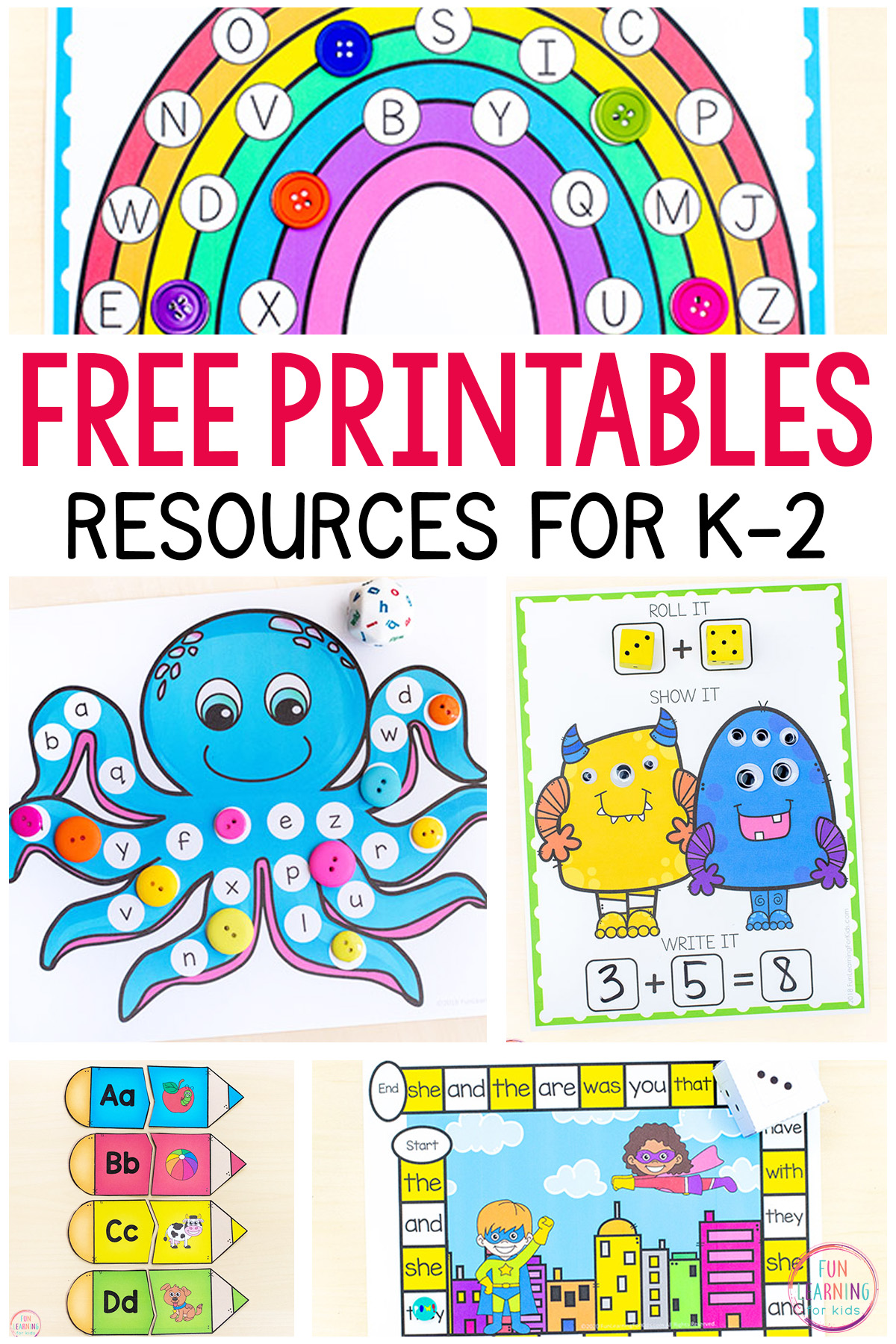
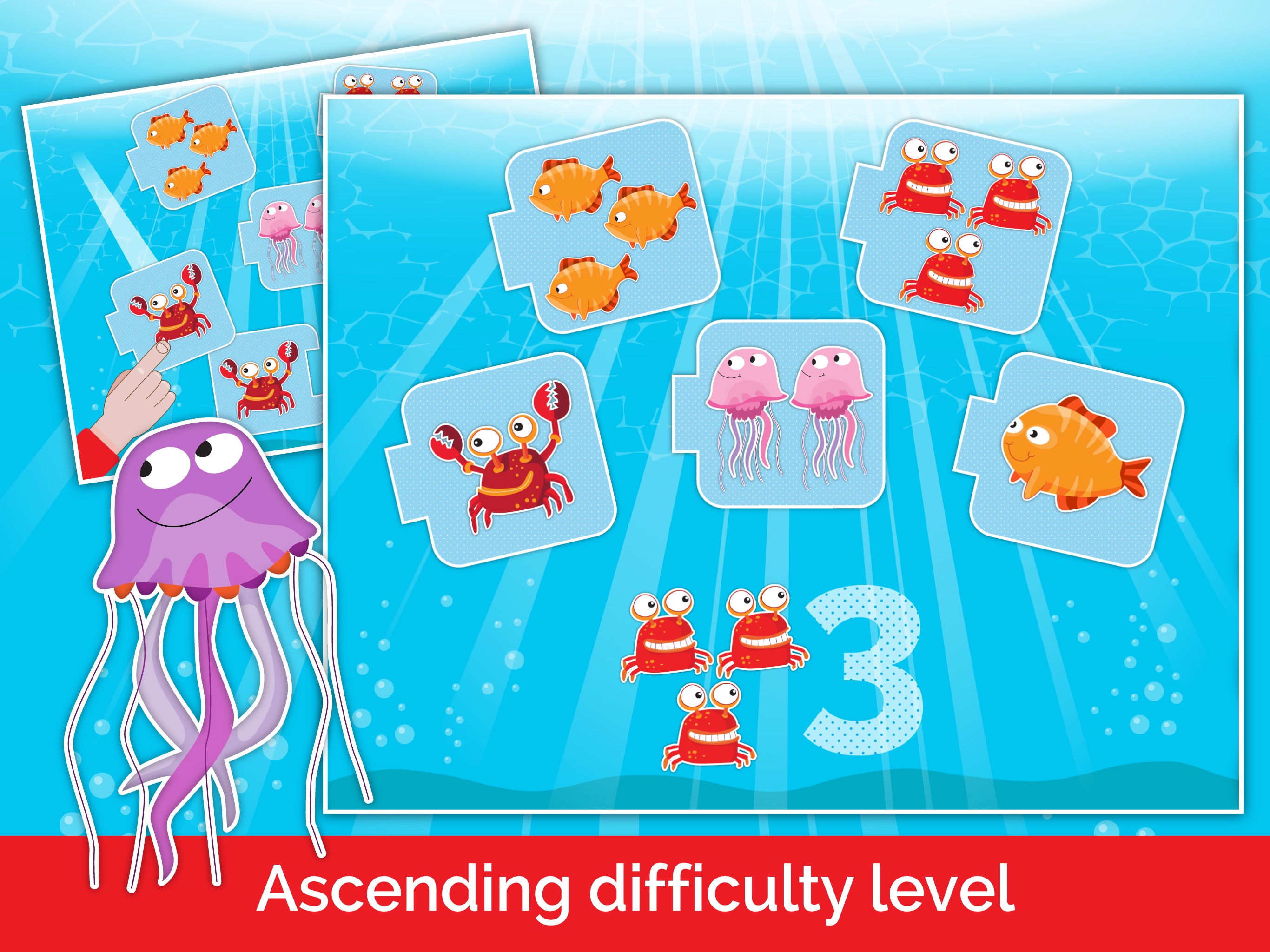
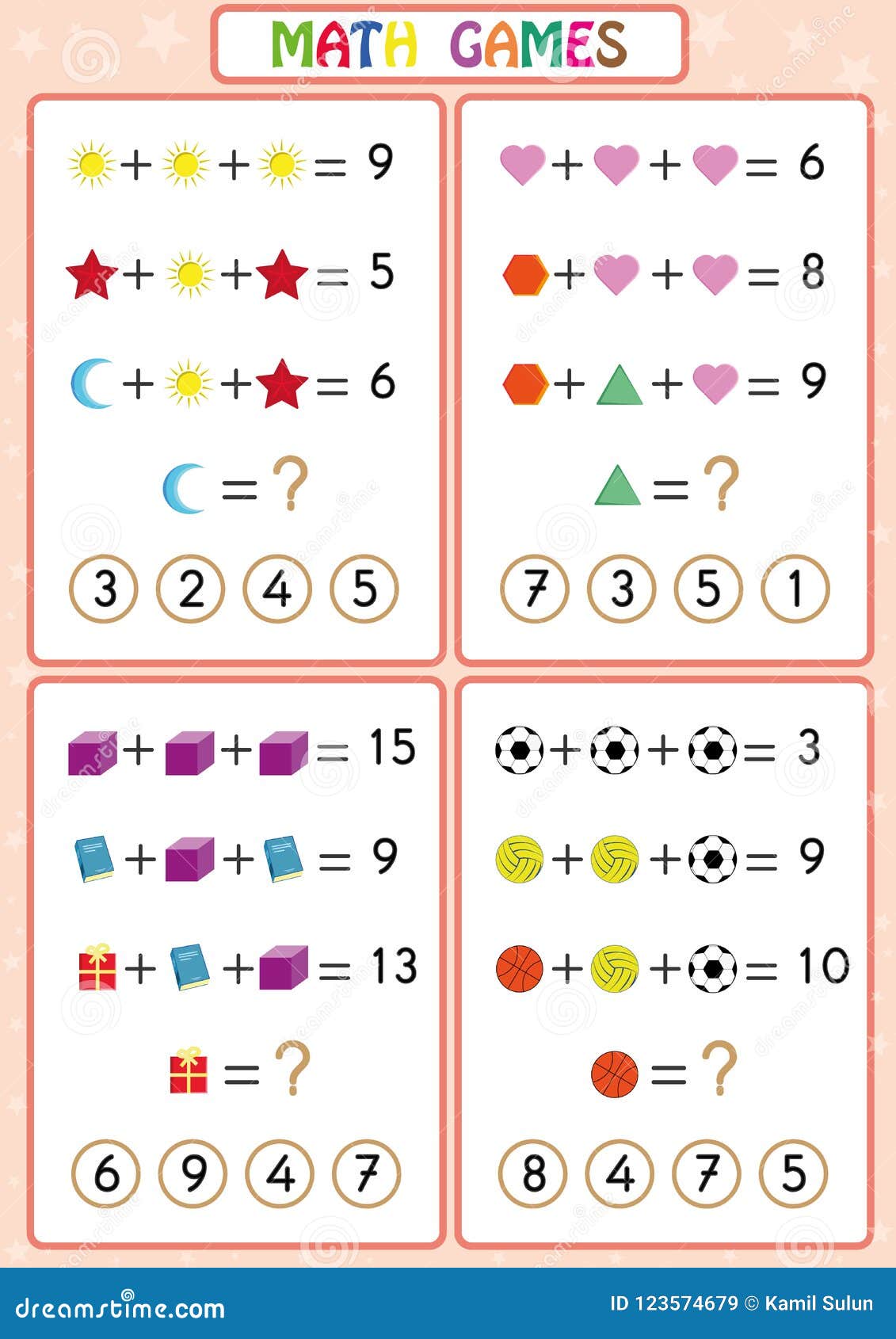
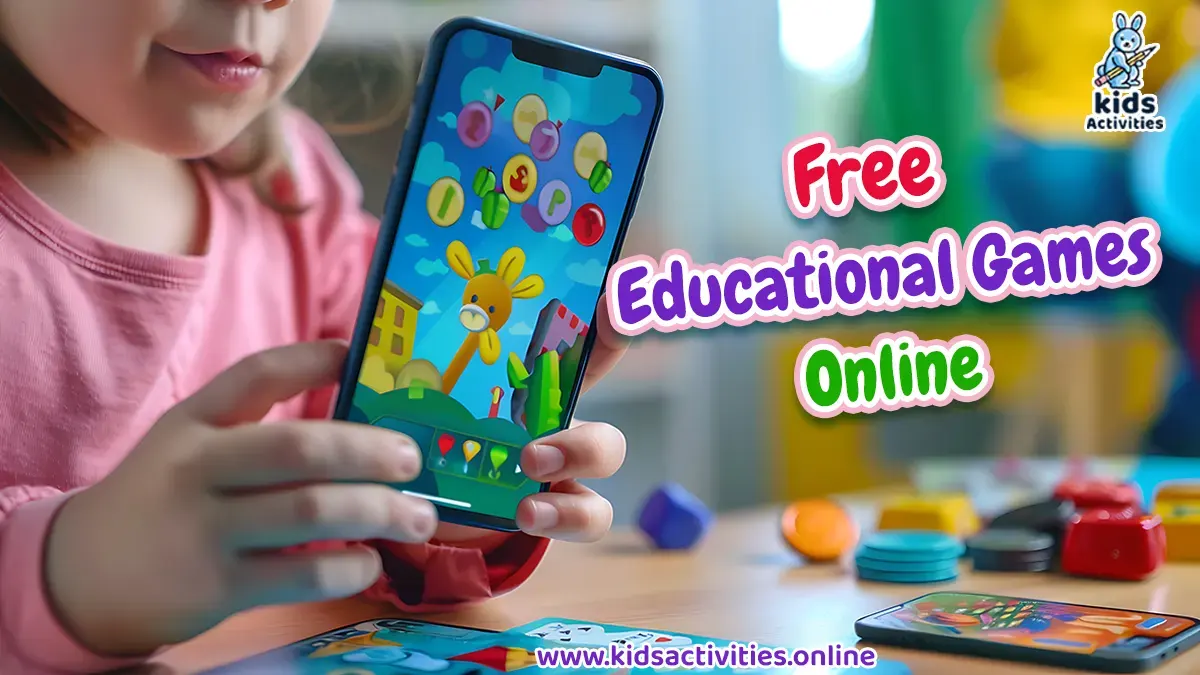
Digital visual activities and printable exercises function as powerful fun educational games for kids online free by bridging screen-based engagement with hands-on cognitive development. According to the National Association for the Education of Young Children (NAEYC), purposeful integration of visual exploration tools significantly enhances spatial awareness, fine-motor coordination, and early mathematical proportion estimation in children. Educators and parents continuously seek zero-cost resources that transform unstructured screen time into targeted developmental milestones through observation-based challenges, real-world photographic stimuli, and structured coordinate tracing. These open-access digital and printable tools foster critical thinking by requiring learners to decode visual data, analyze shapes, and replicate complex proportions onto structured paper grids.
Visual Learning & Skill Snapshot:
- Core Focus: Leveraging fun educational games for kids online free to build foundational visual-spatial intelligence.
- Target Skill: Spatial reasoning, visual discrimination, fine-motor proportion, and real-world photographic literacy.
- Key Recommendation: Combine digital reference images with offline Grid Drawing worksheets to anchor abstract screen concepts into tactile mastery.
Core Principles and Visual Learning Overview
Structured visual exercises enhance cognitive development by training young minds to break down complex pictorial elements into manageable geometric components. Utilizing fun educational games for kids online free provides children with accessible pathways to explore symmetry, scale, and pattern recognition without financial barriers. When children engage with high-contrast Photo Flashcards alongside interactive drawing modules, neural pathways responsible for visual processing and memory retention strengthen rapidly. Integrating realistic photography instead of cartoon illustrations ensures that learners connect abstract line work directly to tangible, real-world objects, thereby deepening semantic understanding and observational accuracy during early foundational years.
Key Specifications and Breakdown
| Age / Learning Stage | Visual Skill & Grid Ratio | Pedagogical Application & Scaffolding |
|---|---|---|
| Ages 3-4 (Early Explorer) | 1×1 to 2×2 coordinate boxes | Focuses on basic shape matching, color recognition, and gross-to-fine motor transitions using high-contrast reference images. |
| Ages 5-6 (Kindergarten Foundation) | 3×3 to 4×4 coordinate grids | Introduces proportion estimation, symmetrical line duplication, and real-world object identification via photographic prompts. |
| Ages 7-8 (Early Elementary) | 6×6 and advanced grids | Enhances detailed observation skills, perspective scaling, and independent execution of complex visual drawing sequences. |
Visual-Spatial Scaffolding Principle: Structured grid-based visual tasks systematically improve non-verbal reasoning and proportional accuracy by training the brain to isolate individual spatial coordinates from a complex whole. — National Art Education Association (NAEA)
Step-by-Step Practical Application and Printing Guidelines
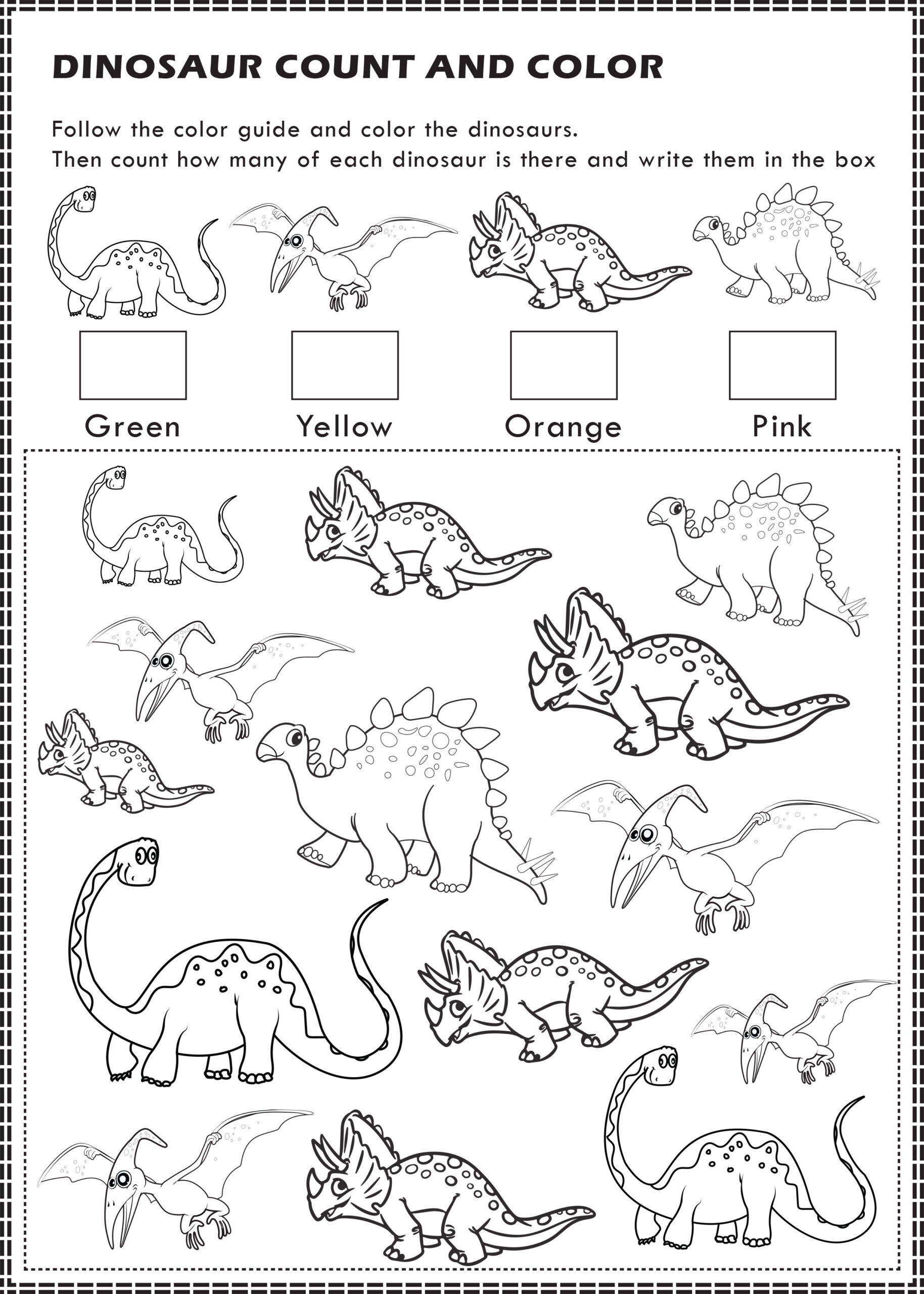
Executing effective offline-online hybrid lessons requires careful preparation of digital assets and physical work surfaces to maximize educational output. Educators begin by selecting appropriate templates through curated Educational Activities portals that offer immediate browser-based access or downloadable PDF formats. Print all grid drawing templates and photographic references onto sturdy cardstock using high-contrast black-and-white or color printer settings to prevent visual fatigue. Instructors should display the digital reference image on a secure screen at eye level while placing the blank grid worksheet directly on a flat, well-lit desktop. Encourage children to use a sharp HB graphite pencil and a soft eraser, guiding them to isolate individual grid squares systematically from top-left to bottom-right rather than attempting to draw the entire image simultaneously.
Common Challenges and How to Avoid Them
Children frequently experience frustration during visual proportion tasks when attempting to draw entire objects at once instead of isolating individual grid coordinates. To prevent cognitive overload, facilitators should introduce viewfinders or paper masking tools that isolate a single square on the reference sheet, allowing the learner to focus exclusively on intersecting lines within that micro-region. Another frequent obstacle involves print distortion where aspect ratios become skewed; always verify that printer scaling settings are locked at 100% actual size before printing grid worksheets. Providing consistent, process-oriented praise that highlights careful observation rather than flawless final execution ensures sustained motivation and positive engagement throughout every learning session.
💬 Frequently Asked Questions
Explore More Free Learning Printables and Visual Activities on WePhotoAgency
Discovering high-quality, zero-cost developmental resources empowers educators and parents to cultivate lifelong visual and cognitive skills in young learners. Visit WePhotoAgency.com today to access an extensive, carefully curated library of professional printables, grid drawing exercises, and photo-based learning materials designed specifically for early childhood excellence.
Visual Reference Gallery