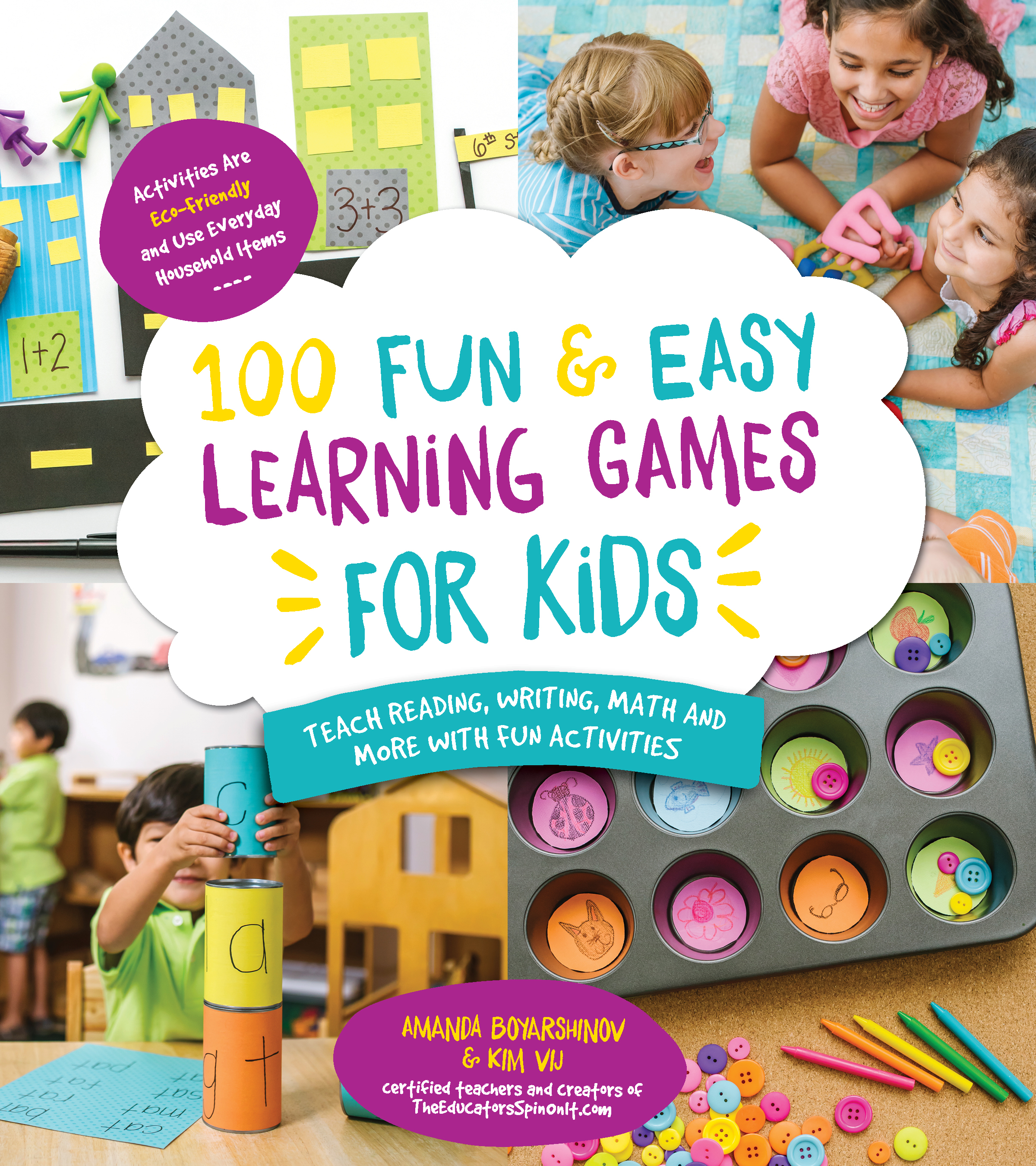
Introduction
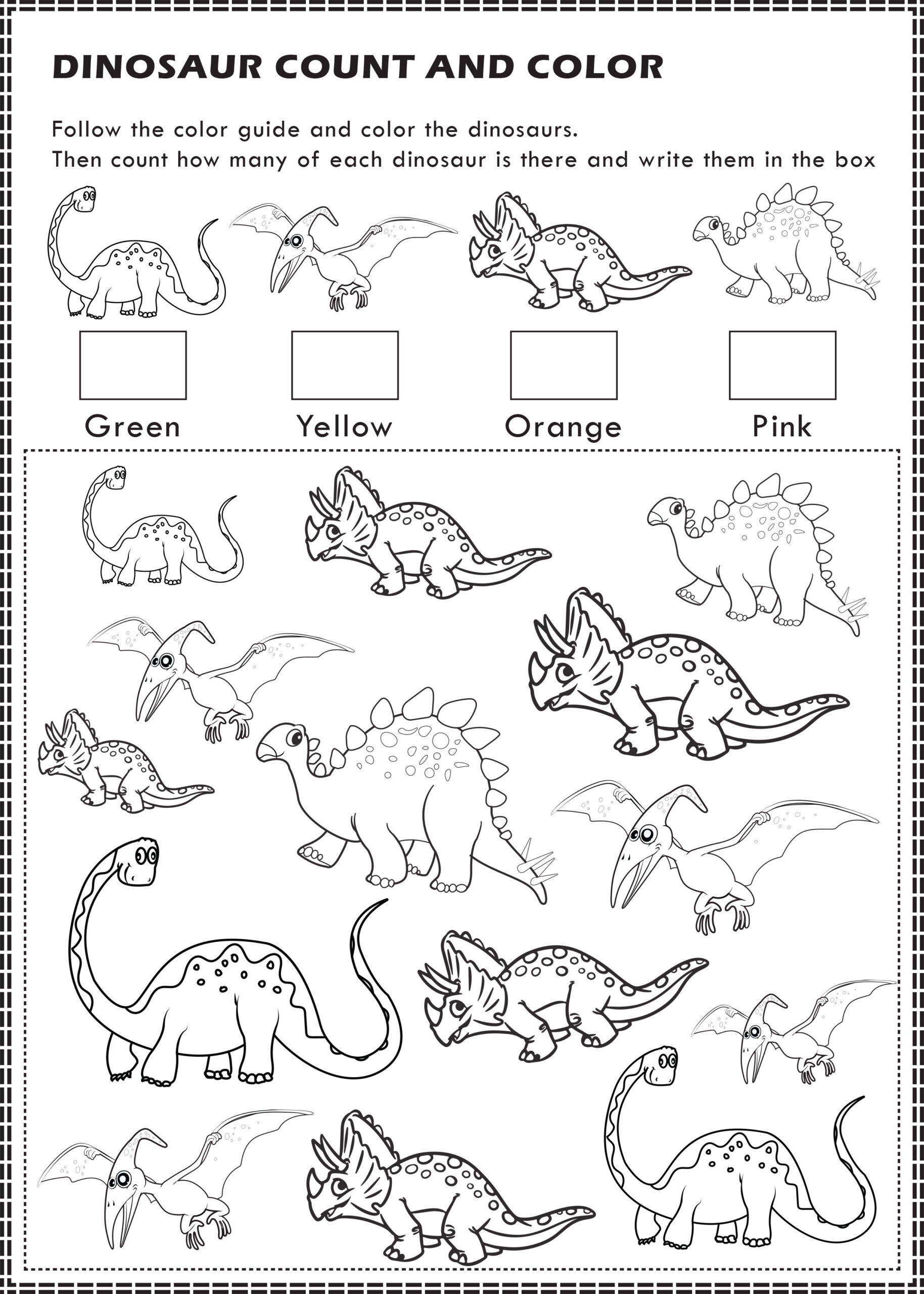
Fun interactive educational games for kids systematically bridge cognitive development and visual literacy by transforming abstract spatial concepts into tangible, hands-on challenges. According to the National Association for the Education of Young Children (NAEYC), purposeful play and structured visual manipulation directly enhance early neurological architecture, spatial working memory, and fine-motor precision in young learners. Early childhood educators, homeschoolers, and art instructors utilize structured resources such as Grid Drawing worksheets to cultivate these foundational proficiencies. Engaging children through real-world photographs and geometric breakdown exercises establishes a robust baseline for advanced geometry, artistic proportion estimation, and precise observational analysis.
Visual Learning & Skill Snapshot:
- Core Focus: Fun interactive educational games for kids combining printable geometry grids and high-clarity photo prompts.
- Target Skill: Spatial reasoning, visual discrimination, fine-motor proportion, and photo-based concept mastery.
- Key Recommendation: Implement low-complexity grid ratios before advancing to multi-cell photographic copying tasks.
Core Principles and Visual Learning Overview
Visual learning games fundamentally accelerate cognitive processing by requiring children to decode complex visual fields into manageable, bite-sized components. When young learners engage with printable Photo Flashcards, the brain rapidly fires mirror neurons and spatial mapping pathways to analyze light, shadow, texture, and proportion. This active cognitive processing shifts children away from passive consumption toward aggressive analytical reasoning. Educators leverage these tools to reinforce object permanence, categorical sorting, and pattern recognition, ensuring that every hands-on session builds directly upon previous visual milestones.
Key Specifications and Breakdown
| Age / Learning Stage | Visual Skill & Grid Ratio | Pedagogical Application & Scaffolding |
|---|---|---|
| Ages 3-4 (Early Years) | 2×2 Grid / High-Contrast Objects | Introduces fundamental quadrant mapping and basic visual identification using large photographic references. |
| Ages 5-6 (Kindergarten) | 4×4 Grid / Nature & Animal Photos | Builds proportional estimation, eye-hand coordination, and fine-motor pencil control across structured cells. |
| Ages 7-8 (Early Elementary) | 6×6 Grid / Complex Architectural Shots | Refines advanced coordinate tracking, analytical observation, and intricate geometric line translation. |
Structured visual activities significantly expand working memory capacity and spatial orientation benchmarks in children aged 4 through 8. — National Art Education Association (NAEA)
Step-by-Step Practical Application and Printing Guidelines
Executing interactive visual lessons successfully requires high-contrast printing, clean organization, and progressive scaffolding to maintain optimal student engagement. Educators begin by selecting appropriate printable Educational Activities that match the developmental fine-motor level of the target group. Print all worksheets on heavyweight matte cardstock to prevent bleeding from markers or heavy pencil pressure. Instructors then guide children to isolate one grid square at a time using a paper mask window, training the brain to ignore external visual clutter and focus exclusively on reproducing lines, curves, and shading gradients within that isolated boundary.
Common Challenges and How to Avoid Them
Overwhelming young learners with overly dense grids or ambiguous photo references frequently leads to frustration and task abandonment. Instructors mitigate this hurdle by ensuring initial images feature clean, distinct focal points against neutral backgrounds, preventing cognitive overload during the proportion estimation phase. If a child struggles to maintain coordinate placement, teachers introduce color-coded boundary markers or numbered axes to guide pencil tracking sequentially from left to right, top to bottom. Maintaining low-stress, playful iteration ensures children build genuine confidence in their observational drawing abilities.
💬 Frequently Asked Questions
Explore More Free Learning Printables and Visual Activities on WePhotoAgency
Empowering children with robust visual arts foundations requires access to professionally curated, high-resolution educational media. Discover an extensive library of free printable worksheets, progressive drawing templates, and interactive visual resources designed for educators and parents by visiting WePhotoAgency.com today.
Visual Reference Gallery