Introduction
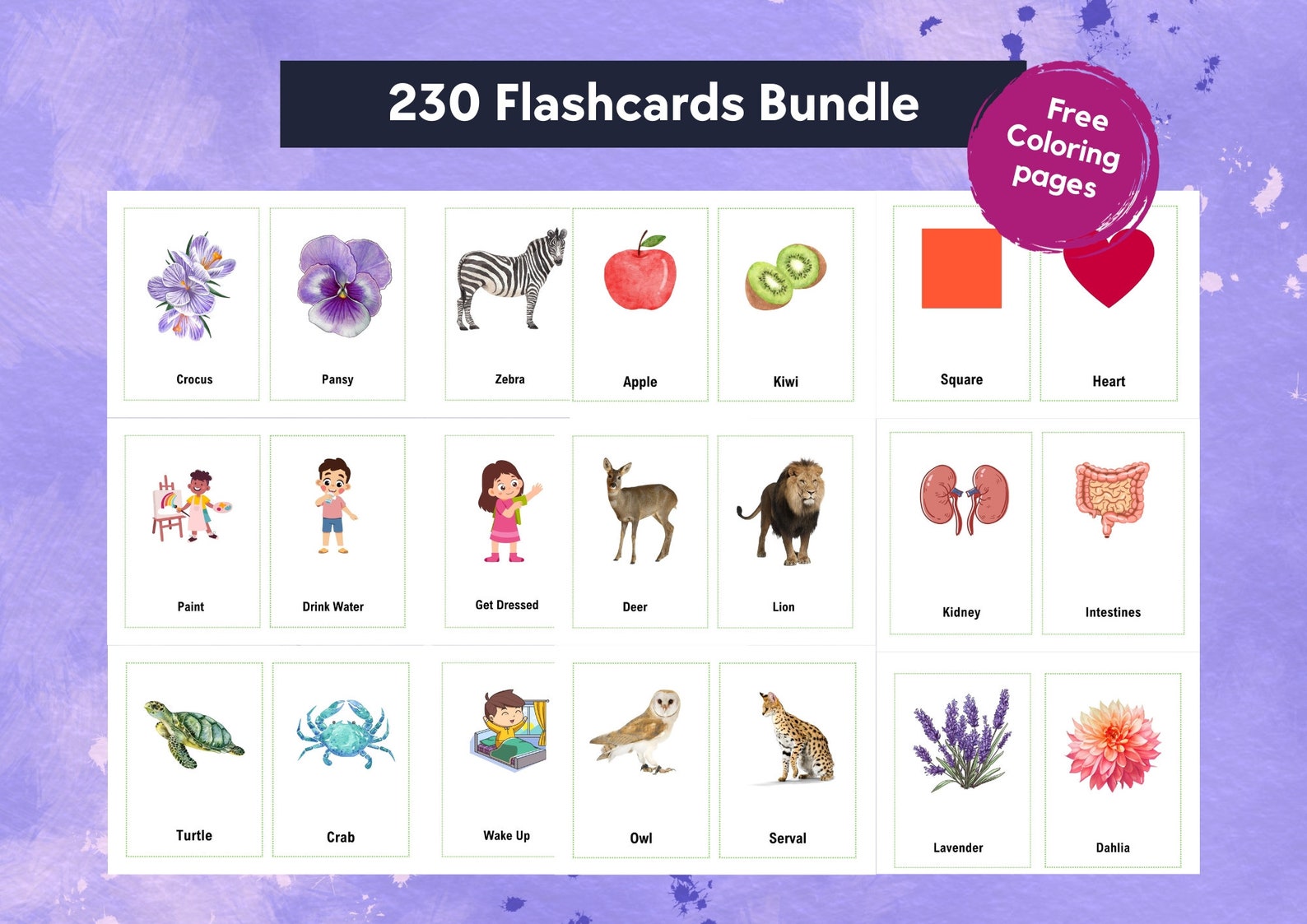
Transforming standard photography into structured learning assets through ai photo to flashcards bridges the gap between concrete visual recognition and abstract cognitive processing in early childhood education. According to the National Association for the Education of Young Children (NAEYC), purposeful engagement with rich visual media significantly enhances young learners’ foundational literacy, spatial awareness, and fine-motor coordination. Educators and parents constantly seek innovative methods to bridge observational skills with hands-on practice, making photographic flashcards and printable grid drawing worksheets essential tools in contemporary classrooms and homeschool environments. Utilizing customized visual cards derived from authentic photography allows children to process real-world objects, textures, and proportions at an individualized pace. This pedagogical approach supports diverse learning styles by converting complex visual stimuli into digestible, interactive card formats that foster deep engagement and sustained cognitive retention.
Visual Learning & Skill Snapshot:
- Core Focus: Converting authentic imagery into structured photographic learning cards and geometric drawing grids.
- Target Skill: Spatial reasoning, visual discrimination, fine-motor proportion, and observation accuracy.
- Key Recommendation: Pair high-contrast photo cards with corresponding grid-ratio worksheets to reinforce multi-sensory cognitive development.
Core Principles and Visual Learning Overview
Visual discrimination and spatial reasoning represent critical milestones in early childhood cognitive development, requiring children to decode, interpret, and replicate visual information accurately. Utilizing Photo Flashcards alongside structured Grid Drawing exercises teaches young learners to break down complex photographic images into manageable geometric quadrants. This systematic approach reduces cognitive overload by shifting focus from the whole object to individual segments, thereby improving hand-eye coordination and proportion estimation. When children analyze a photographic flashcard and replicate its contents onto a scaled grid, they exercise both hemispheres of the brain: the right hemisphere processes the holistic visual composition, while the left hemisphere manages the analytical measurements and sequence of lines. Integrating these structured printables into daily curricula provides a reliable framework for building foundational art techniques, visual literacy, and observational accuracy across early elementary grade levels.
Key Specifications and Breakdown
| Age / Learning Stage | Visual Skill & Grid Ratio | Pedagogical Application & Scaffolding |
|---|---|---|
| Ages 4-5 (Early Preschool) | 2×2 Grid / High-Contrast Objects | Focuses on basic shape recognition and macro-proportion estimation using simple everyday subject matter. |
| Ages 6-7 (Early Elementary) | 3×3 Grid / Natural Environments | Encourages detailed line work, shading observation, and multi-part object analysis through structured cards. |
| Ages 8-9 (Advanced Primary) | 4×4 Grid / Complex Compositions | Refines precision scaling, negative space awareness, and intricate detail rendering for upper-primary students. |
Early visual-spatial training through structured grid scaling and photographic card engagement significantly accelerates geometric comprehension and fine-motor precision in school-age children. — National Art Education Association (NAEA)
Step-by-Step Practical Application and Printing Guidelines
Executing successful visual arts lessons with printed learning materials requires precise card stock selection, clear grid alignment, and progressive difficulty scaling. Educators begin by printing high-resolution photographic cards on durable cardstock to withstand frequent handling during independent or small-group sorting activities. Next, instructors distribute matching grid worksheets that correspond directly to the dimensions of the chosen photographic reference, ensuring children can easily cross-reference quadrants. Facilitators should demonstrate how to isolate a single grid square on the reference card, observe the intersecting lines, and replicate that exact portion onto the blank drawing template. Finally, students evaluate their completed sketches side-by-side with the original photographic flashcard, discussing discrepancies in proportion, scale, and detail to cultivate self-assessment skills. To discover additional hands-on resources, explore the vast collection of Educational Activities designed for dynamic classroom settings.
Common Challenges and How to Avoid Them
Young learners frequently struggle with scale distortion and visual fatigue when attempting to replicate intricate photographic details without adequate scaffolding. To prevent frustration, educators must ensure that initial card designs feature clear, uncluttered subjects against neutral backgrounds before introducing complex textures or multi-object scenes. If a child begins drawing outside the designated grid square, instructors should guide the student to cover adjacent quadrants with a blank piece of paper to maintain visual focus on one section at a time. Establishing routine breaks during prolonged drawing or sorting sessions also prevents hand cramping and cognitive exhaustion, maintaining an encouraging and productive learning environment.
💬 Frequently Asked Questions
Explore More Free Learning Printables and Visual Activities on WePhotoAgency
Empowering children with robust visual arts curricula and cognitive development tools requires accessible, high-quality resources that inspire creativity and focused observation. Explore the complete library of printable assets, drawing templates, and photographic learning tools available directly through WePhotoAgency.com to elevate everyday educational experiences for young learners everywhere.
Visual Reference Gallery