Introduction
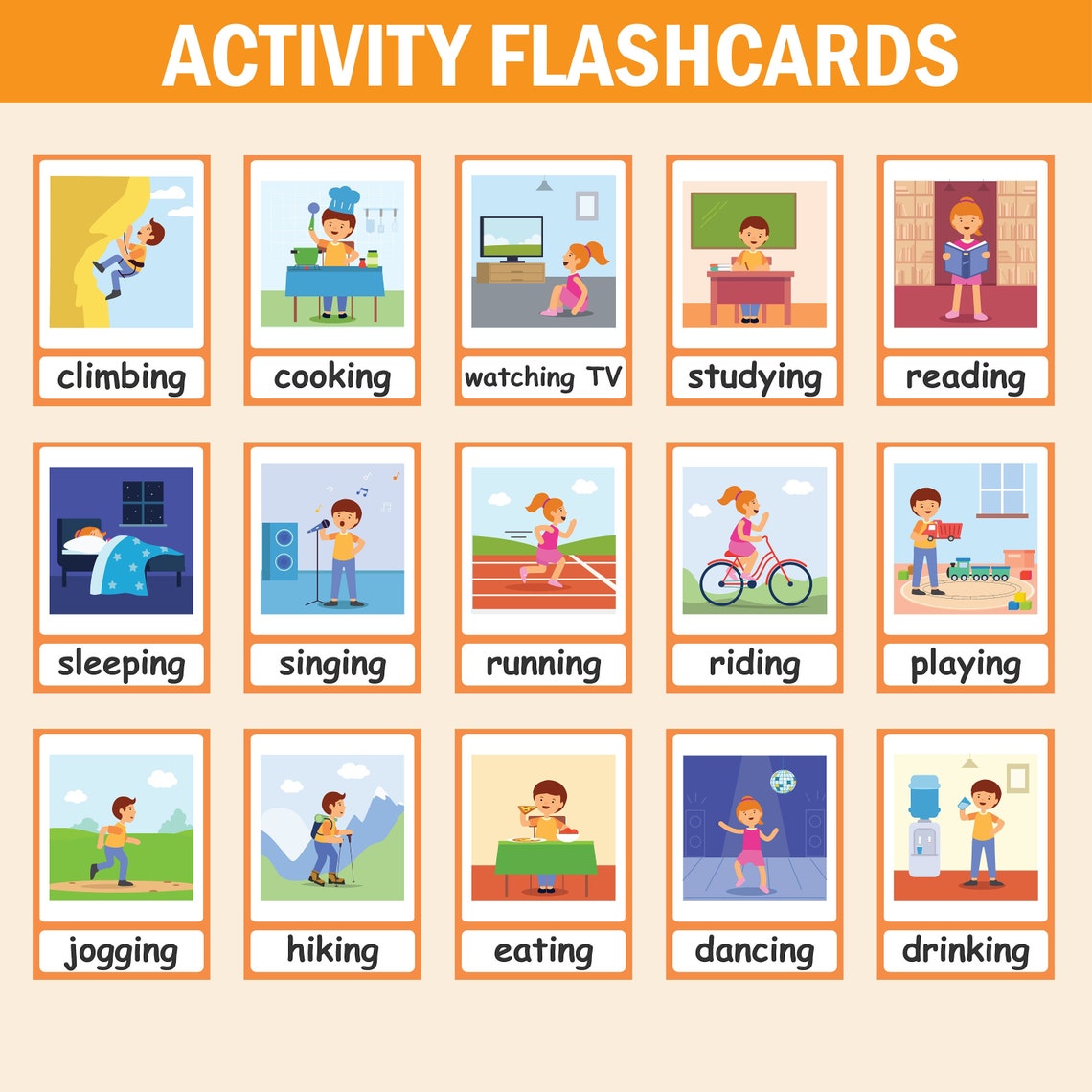
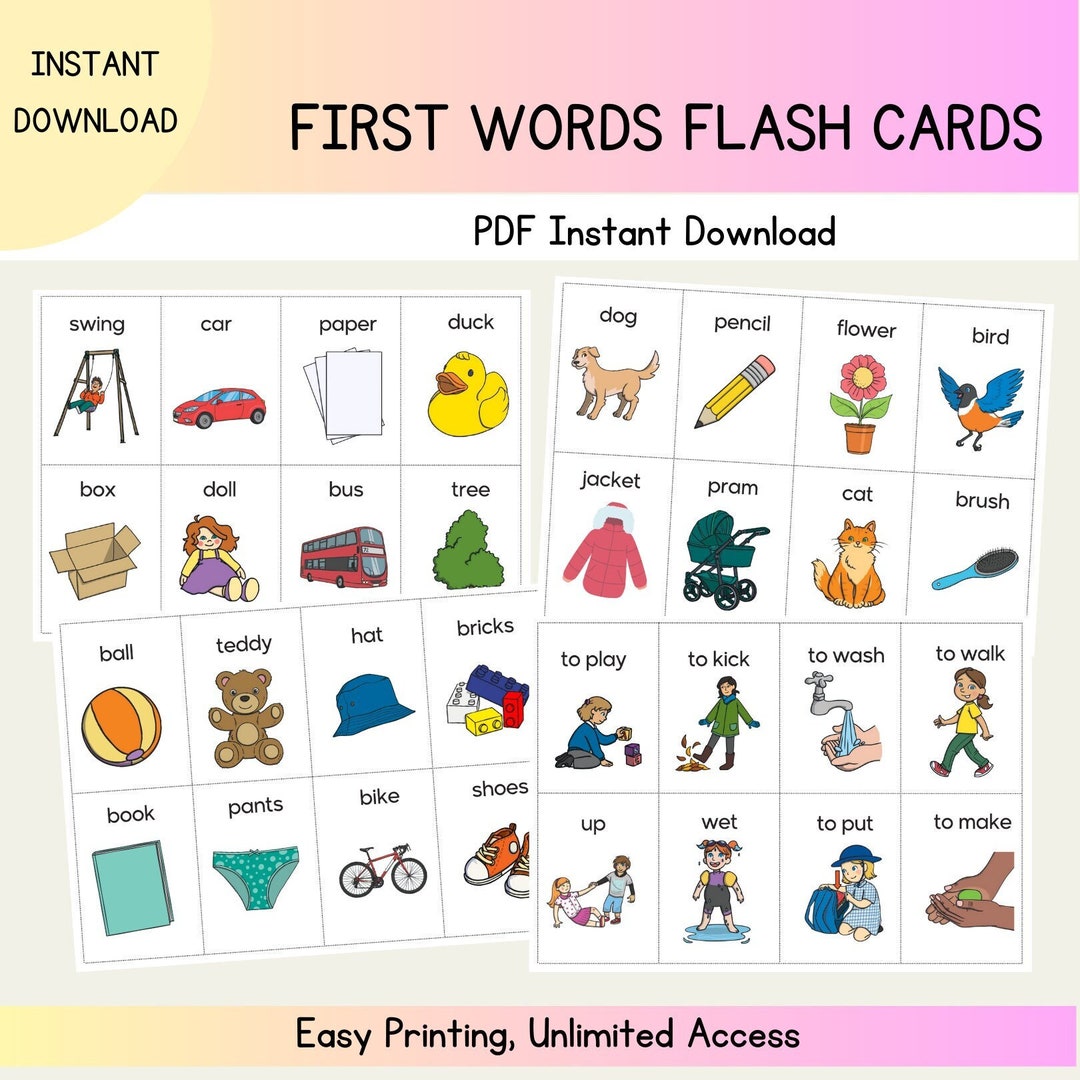
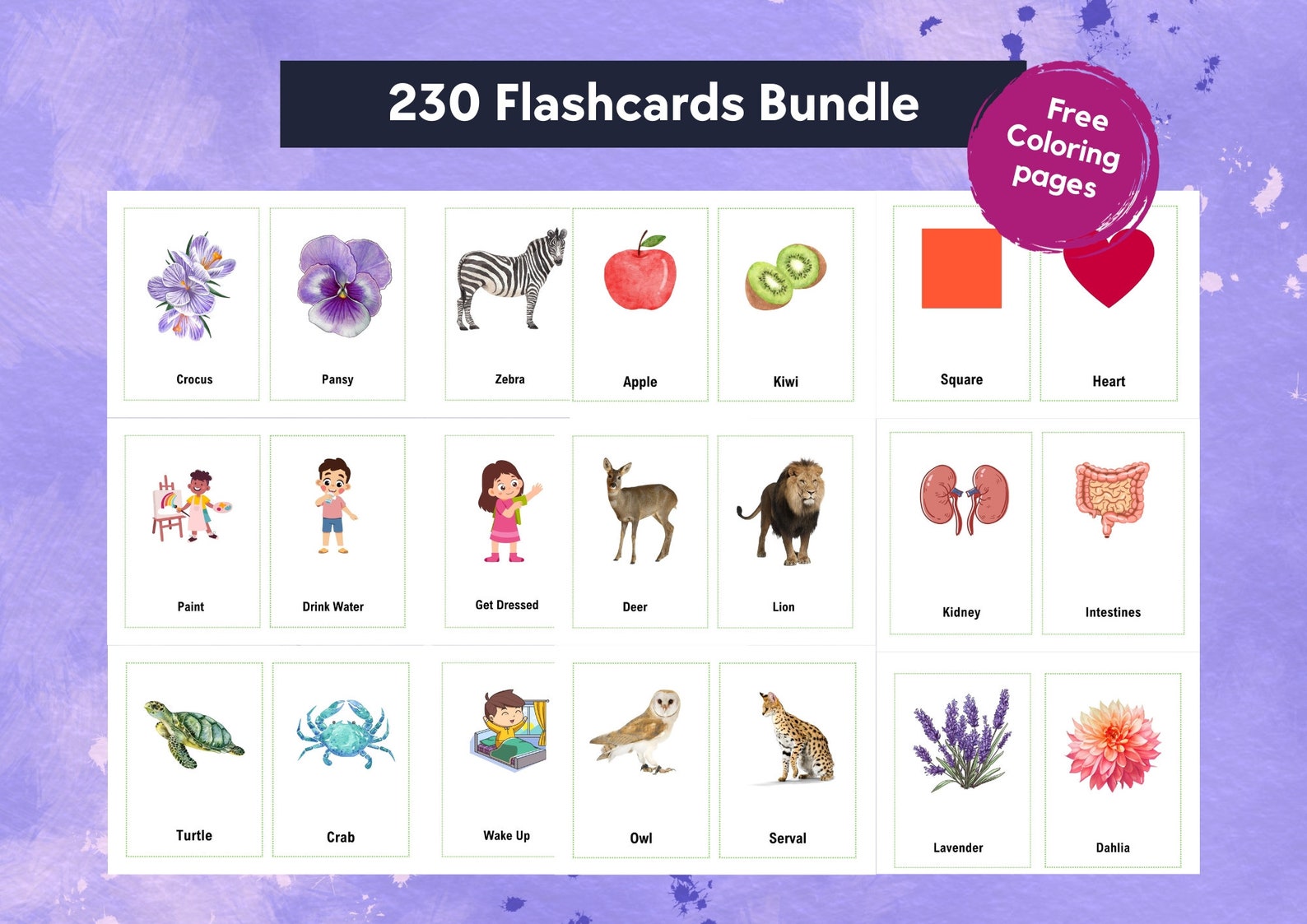
Flashcards with picture elements serve as essential cognitive tools that bridge photographic visual stimuli with foundational spatial reasoning, fine motor control, and observational drawing. According to the National Association for the Education of Young Children (NAEYC), intentional engagement with high-contrast photographic visual media actively strengthens young learners’ visual-spatial memory and symbolic representation abilities. Utilizing real-world photography instead of stylized illustrations fosters direct object recognition and encourages accurate proportion estimation during foundational early education exercises. Educators and caregivers integrate these versatile visual cards into structured learning environments to improve cognitive processing speeds and manual dexterity. Exploring high-quality resources such as Photo Flashcards provides children with authentic visual benchmarks required for advanced artistic and academic growth.
Visual Learning & Skill Snapshot:
- Core Focus: Flashcards with picture pairing real-world photography with grid drawing worksheets to build accurate proportion estimation and spatial intelligence.
- Target Skill: Spatial reasoning, visual discrimination, fine-motor proportion, and photo-based concept mastery.
- Key Recommendation: Pair photographic reference cards with scaled grid templates to systematically break complex shapes into manageable coordinate sections for young artists.
Core Principles and Visual Learning Overview
Flashcards with picture implementations accelerate cognitive development by reducing abstract interpretation barriers through the use of tangible photographic evidence. When young learners examine realistic photo cards while simultaneously transferring those visual elements onto printable grid drawing worksheets, the brain maps coordinate relationships between lines, curves, and negative space. This observational practice directly enhances proportional estimation, visual discrimination, and fine motor precision. Integrating curated collections found within Grid Drawing categories ensures that children receive structured, step-by-step challenges appropriate for their current developmental stage. As learners map out coordinates square by square, cognitive load decreases, allowing them to focus entirely on structural accuracy, line quality, and spatial layout.
Key Specifications and Breakdown
| Age / Learning Stage | Visual Skill & Grid Ratio | Pedagogical Application & Scaffolding |
|---|---|---|
| Ages 3-4 (Preschool) | 2×2 Grid with high-contrast photo cards | Focuses on macro-shapes, basic object outlines, and gross motor hand control. |
| Ages 5-6 (Kindergarten) | 3×3 Grid with standard photographic cards | Targets proportional scaling, intersection tracking, and line continuity. |
| Ages 7-8 (Early Elementary) | 4×4 or complex grid with detailed photo reference | Builds advanced visual analysis, fine motor precision, and independent drafting. |
Visual-spatial training through structured photographic grids significantly enhances cognitive mapping, geometric comprehension, and fine-motor execution in early childhood development. — National Art Education Association (NAEA)
Step-by-Step Practical Application and Printing Guidelines
Implementing flashcards with picture resources effectively requires careful preparation of physical printing materials and an organized workspace environment. Educators and parents must print both the reference photo cards and the corresponding grid worksheets on heavy cardstock to prevent tearing and curling during handling. Instruct learners to place the picture card directly above or beside the blank grid worksheet to maintain an unobstructed line of sight. Beginning at the top-left quadrant, guide children to analyze intersecting lines before transferring the visual data stroke by stroke into their drawing grid. Utilizing structured activities from Educational Activities collections provides structured lesson pathways that reinforce focus, patience, and meticulous observation habits.
Common Challenges and How to Avoid Them
Rushing through proportions and losing grid coordination represent the most frequent obstacles young learners encounter when utilizing photo-based drawing tools. To prevent frustration, adults should model how to isolate a single grid square at a time using a blank index card to block out surrounding visual noise. If a child struggles with diagonal lines or complex curves, temporarily scale down the complexity by selecting cards featuring simpler geometric silhouettes. Consistent, short practice sessions yield vastly superior results compared to prolonged drafting tasks that induce visual fatigue. Maintaining an encouraging, process-oriented environment ensures that children remain confident while mastering spatial proportion.
💬 Frequently Asked Questions
Explore More Free Learning Printables and Visual Activities on WePhotoAgency
Integrating high-quality visual resources into daily learning routines empowers children to build lifelong observational habits and exceptional artistic confidence. Discover an extensive library of printable photo flashcards, structured drawing grids, and creative developmental exercises designed for educators and parents by visiting WePhotoAgency.com today.
Visual Reference Gallery