Introduction
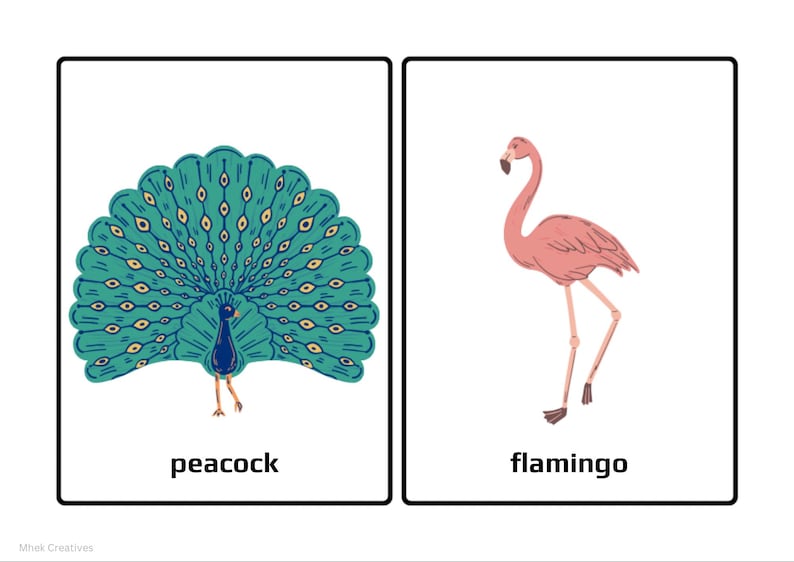
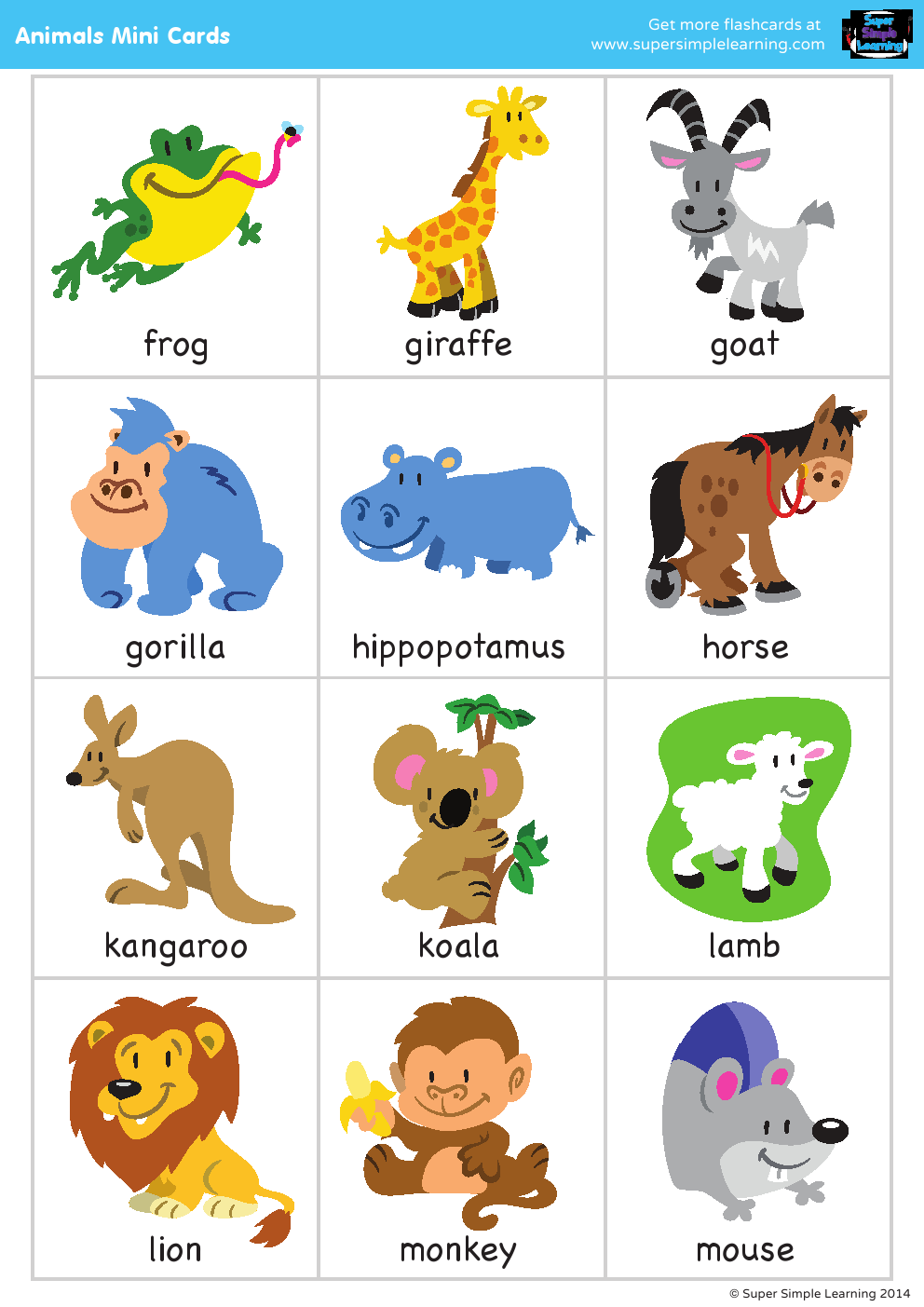
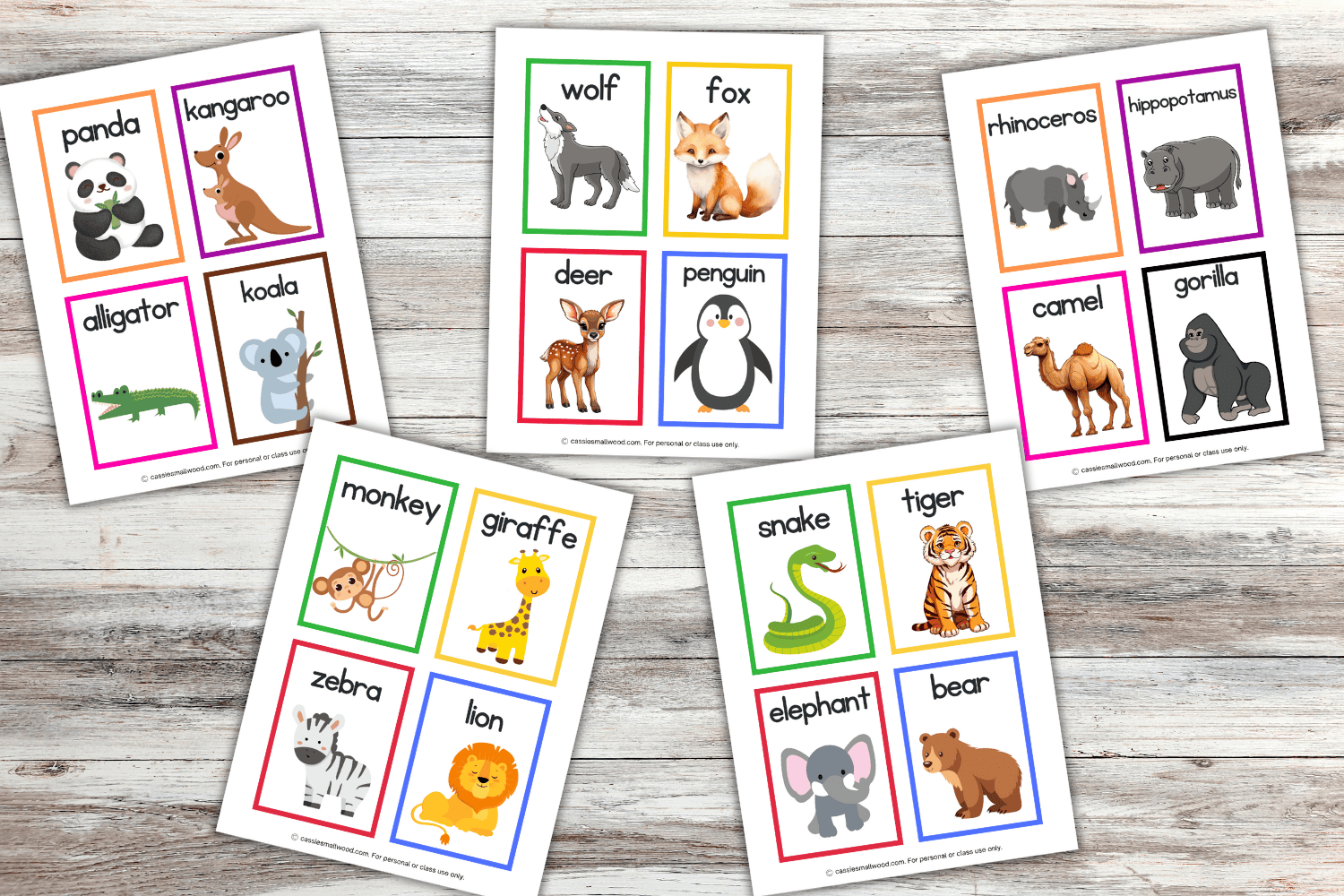
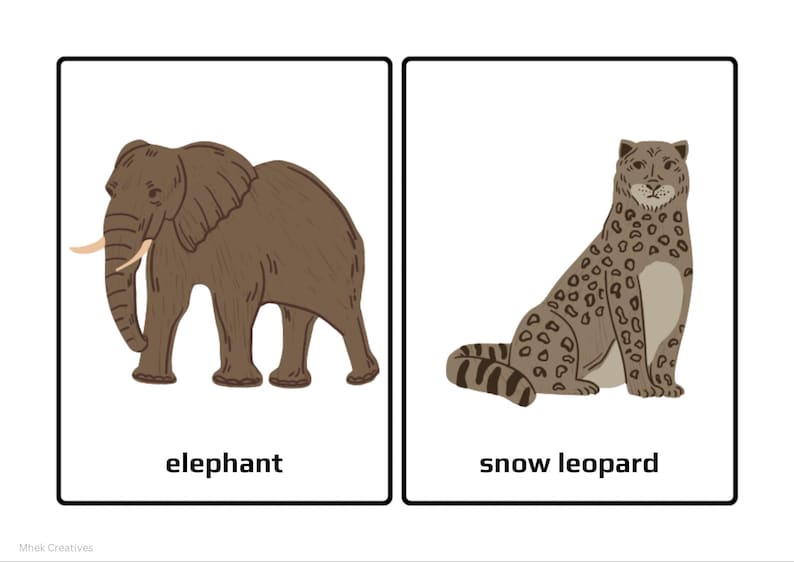
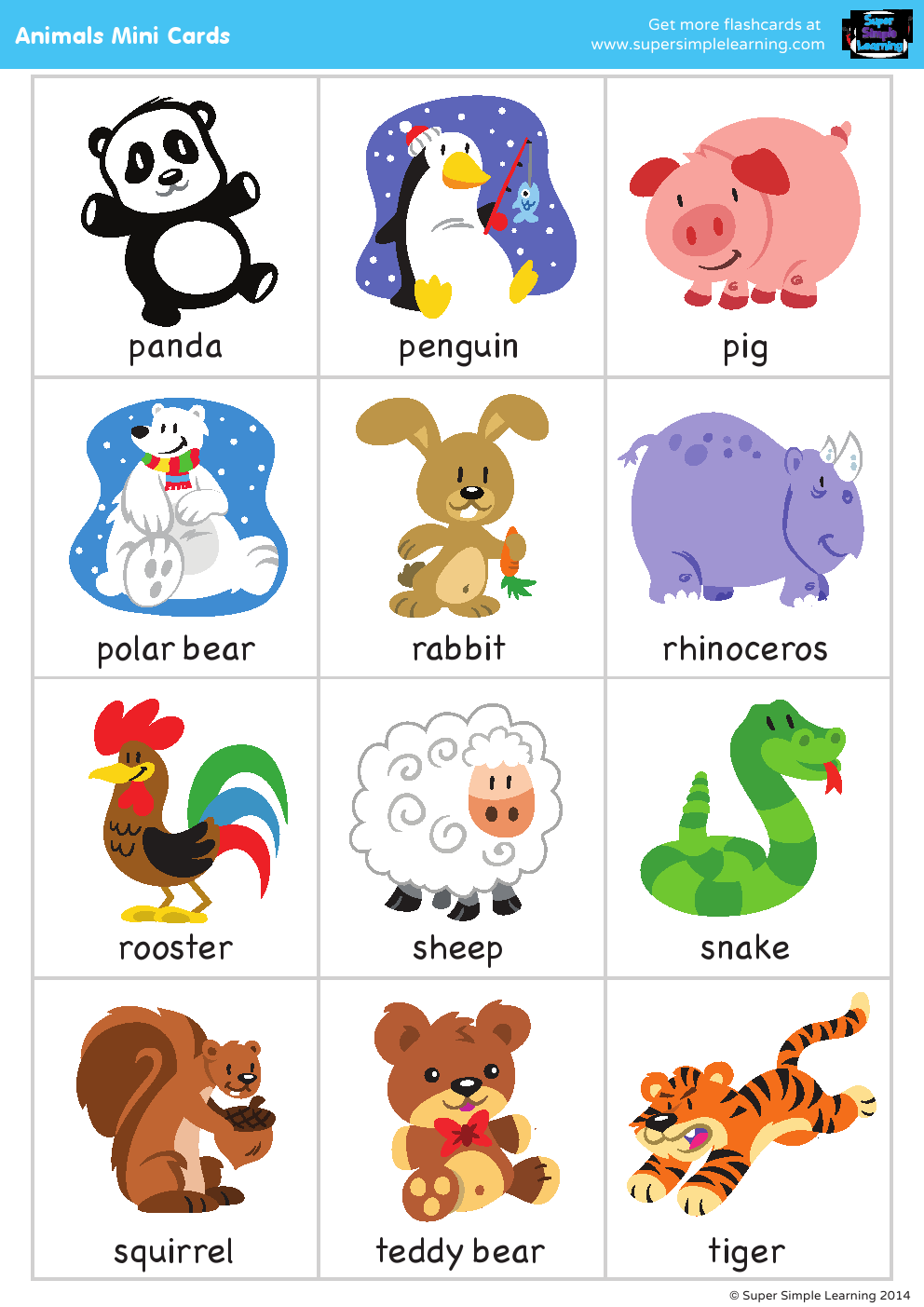
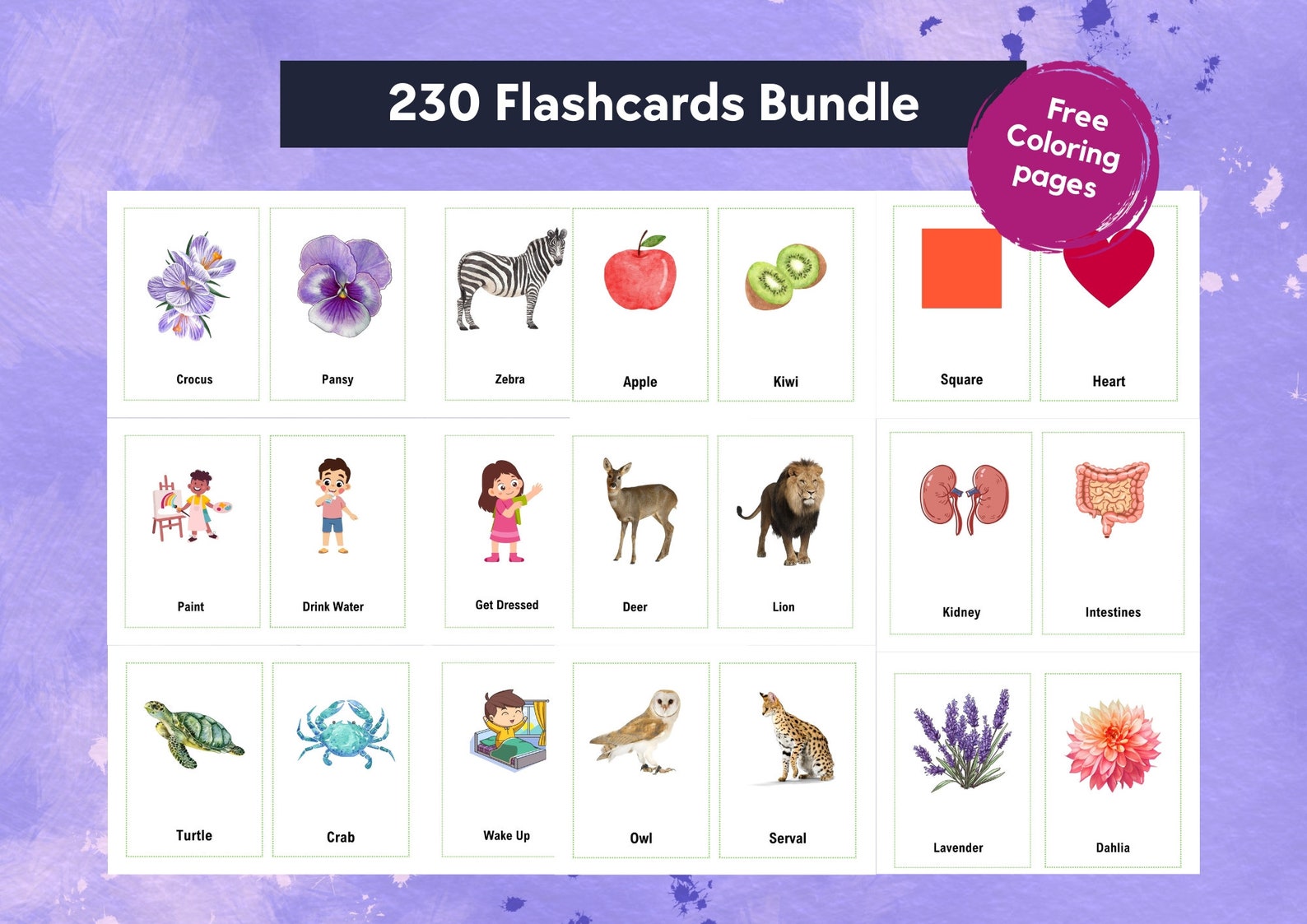
Animal flashcards with pictures serve as essential cognitive tools that bridge early visual literacy, spatial reasoning, and fine-motor proportion estimation through high-fidelity photographic observation. According to the National Association for the Education of Young Children (NAEYC), purposeful exposure to realistic photographic imagery significantly enhances a child’s capacity for visual discrimination, cognitive categorization, and object recognition during early childhood development. By replacing generic cartoon illustrations with accurate photographic representations of wildlife, educators and parents provide children with authentic visual benchmarks that support advanced observation skills. These printables transform passive observation into active cognitive engagement, particularly when integrated into structured grid drawing worksheets and proportional scaling exercises. Exploring curated resources such as Photo Flashcards unlocks standardized visual frameworks designed specifically for early learners, homeschoolers, and foundational art educators seeking to elevate observational drawing curricula.
Visual Learning & Skill Snapshot:
- Core Focus: High-resolution animal flashcards with pictures paired with coordinate-based grid drawing worksheets.
- Target Skill: Spatial reasoning, visual discrimination, fine-motor proportion, and biological observation.
- Key Recommendation: Pair high-contrast photo cards directly alongside scaled coordinate grids to build accurate spatial estimation.
Core Principles and Visual Learning Overview
Animal flashcards with pictures accelerate cognitive development by training the juvenile brain to break down complex organic forms into manageable geometric coordinates and spatial boundaries. When young learners examine realistic photographs of animals before transferring those visual inputs onto coordinate grids, activation occurs across both the visual cortex and the parietal lobes, which govern spatial awareness and hand-eye coordination. This method steers children away from rigid symbolic drawing stereotypes—such as drawing generic animal shapes—and encourages them to measure angles, negative spaces, and relative proportions directly from the image reference. Educators can optimize this developmental bridge by utilizing specialized materials found within Grid Drawing collections, which systematically align photographic subject matter with progressive coordinate ratios to scaffold accurate artistic reproduction and mathematical tracking.
Key Specifications and Breakdown
| Age / Learning Stage | Visual Skill & Grid Ratio | Pedagogical Application & Scaffolding |
|---|---|---|
| Ages 3-4 (Early Explorer) | 2×2 Coordinate Grid; Basic Shapes | Focuses on whole-animal recognition and macro-proportions using high-clarity photo cards. |
| Ages 5-7 (Primary Learner) | 4×4 Coordinate Grid; Feature Scaling | Encourages sectional observation, mapping specific anatomical features like ears, limbs, and tails. |
| Ages 8-10 (Advanced Elementary) | 8×8 Coordinate Grid; Micro-Proportion | Develops precise contour mapping, shading translation, and accurate biological detail replication. |
Authentic visual representations promote critical thinking and perceptual accuracy by grounding abstract artistic tasks in real-world biological observation. — National Art Education Association (NAEA)
Step-by-Step Practical Application and Printing Guidelines
Animal flashcards with pictures achieve maximum pedagogical impact when printed on heavyweight cardstock and laminated for repeated tactile interaction in classroom centers or home study stations. Educators should begin by displaying a single animal photograph alongside a blank matching grid sheet, guiding children to scan specific grid squares to locate individual anatomical elements like an eye or a paw. Instructors should demonstrate how to count grid intersections on the reference card and mirror those exact coordinates onto the drawing sheet, reinforcing early Cartesian graphing principles disguised as artistic fun. For broad skill reinforcement across various subjects, integrating structured materials from Educational Activities ensures learners encounter multi-disciplinary practice that unifies fine arts, biology, and foundational mathematics into one cohesive hands-on session.
Common Challenges and How to Avoid Them
Frustration during proportional drawing typically stems from providing grids that are too complex before the child has developed baseline spatial mapping skills. Educators can prevent this hurdle by starting with simple 2×2 or 3×3 photo-to-grid ratios, gradually increasing coordinate density only after the learner demonstrates confidence in matching simple contours. Another common pitfall involves children attempting to draw the entire animal at once rather than focusing on one isolated grid square at a time; breaking the reference image down with physical masking cards forces targeted concentration. Providing clear, uncluttered backgrounds on the animal reference cards further eliminates visual noise, allowing young artists to isolate the primary biological subject without becoming distracted by complex natural habitats.
💬 Frequently Asked Questions
Explore More Free Learning Printables and Visual Activities on WePhotoAgency
Unlocking the full potential of visual education requires access to high-quality, professionally formatted printables that engage young minds across multiple cognitive dimensions. Parents, teachers, and homeschool coordinators can browse the complete collection of expert-designed resources, step-by-step drawing grids, and photographic learning tools directly by visiting WePhotoAgency.com to support comprehensive early childhood development.
Visual Reference Gallery