Introduction
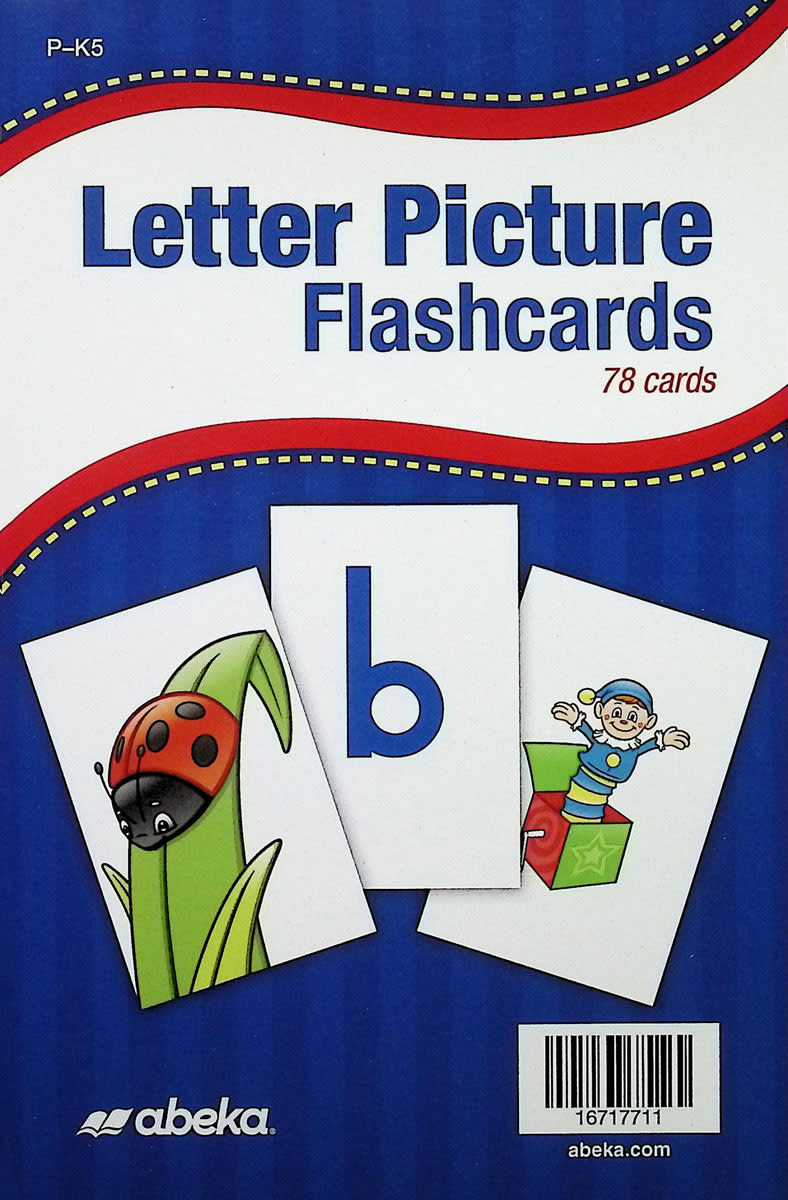
Abeka letter picture flashcards k5 represent a systematic instructional framework designed to anchor phonetic recognition through pictorial association and structured visual stimulation. According to the National Association for the Education of Young Children (NAEYC), multi-sensory visual learning tools significantly enhance cognitive retention and letter-sound correspondence in five-year-old learners. Integrating these flashcards with printable Grid Drawing exercises bridges the gap between abstract phonetic symbols and concrete spatial representations. By leveraging high-contrast imagery and accurate object depiction, educators foster early literacy alongside foundational observation skills. This pedagogical approach transforms standard alphabet drills into active, multi-dimensional cognitive tasks.
Visual Learning & Skill Snapshot:
- Core Focus: Abeka letter picture flashcards k5 utilize mnemonic pictorial associations to reinforce Kindergarten alphabet mastery.
- Target Skill: Spatial reasoning, visual discrimination, fine-motor proportion estimation, and phonetic decoding.
- Key Recommendation: Pair photographic flashcard study with scaled grid-transfer drawing to build ocular-motor coordination.
Core Principles and Visual Learning Overview
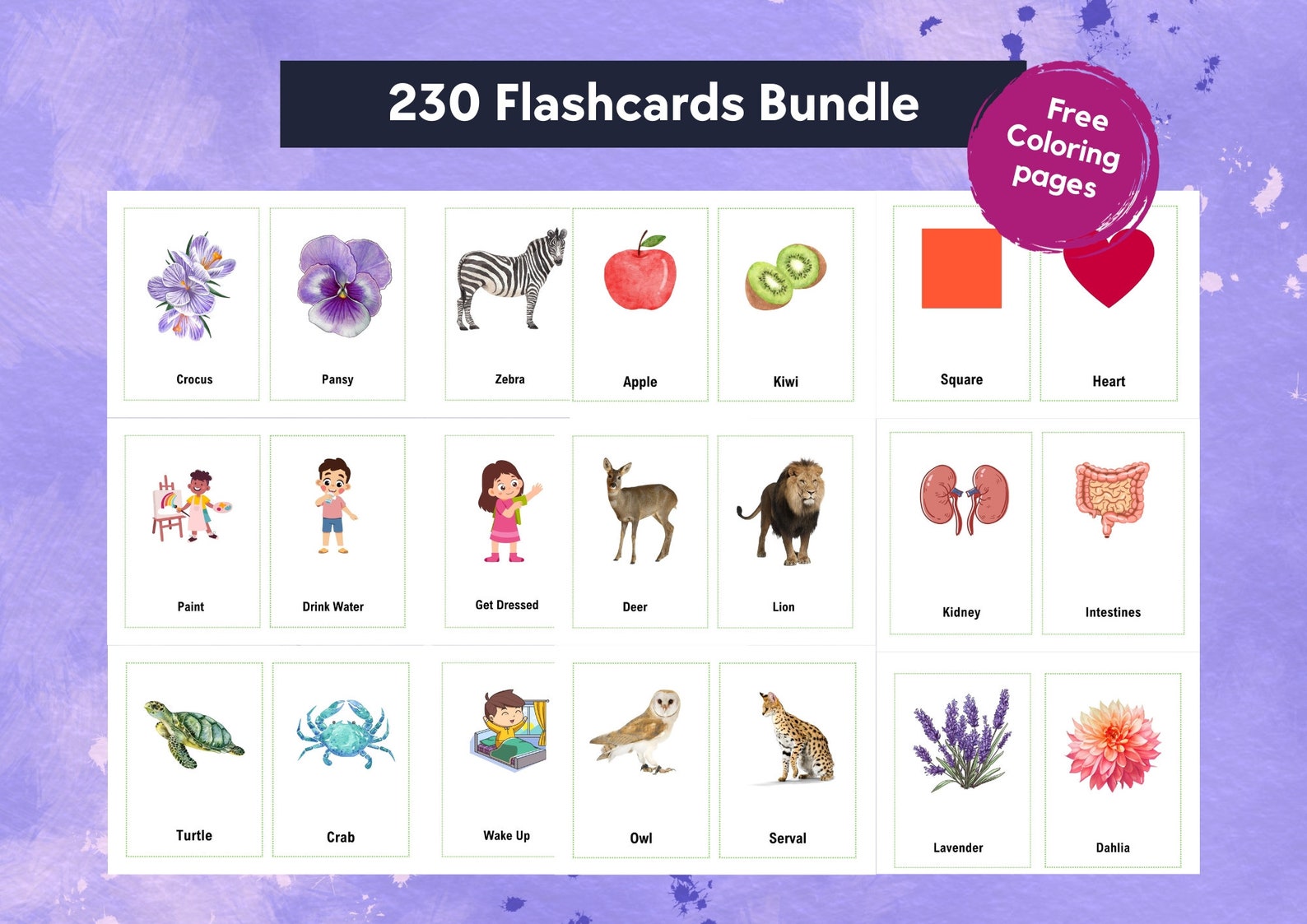
Abeka letter picture flashcards k5 operate on the principle of paired-associate learning, linking abstract graphemes with familiar real-world objects captured through high-clarity photography. When children analyze these cards alongside structured Photo Flashcards, the brain rapidly maps visual contours to linguistic sounds, accelerating reading readiness. Spatial awareness develops simultaneously as learners observe the scale, proportion, and orientation of both the target letter and the accompanying graphic. Educators can scale these visual exercises into hands-on Educational Activities that require children to replicate shapes within bounded grid matrices, thereby strengthening hand-eye coordination and visual memory.
Key Specifications and Breakdown
| Age / Learning Stage | Visual Skill & Grid Ratio | Pedagogical Application & Scaffolding |
|---|---|---|
| K5 (Ages 5-6) | 1:1 Direct Shape Matching | Use full-size letter-picture cards for initial phonetic introduction and tactile tracing. |
| Late Kindergarten | 2×2 Proportional Grid Transfer | Transition learners to drawing grid-based reproductions of flashcard objects to build spatial reasoning. |
| Early First Grade | Advanced Composition & Scaling | Implement memory-based sketching of target letter illustrations to test cognitive retention. |
Early visual-spatial processing is a critical predictor of mathematical and literacy competence, requiring systematic exposure to proportion, symmetry, and geometric mapping during the Kindergarten year. — National Art Education Association (NAEA)
Step-by-Step Practical Application and Printing Guidelines
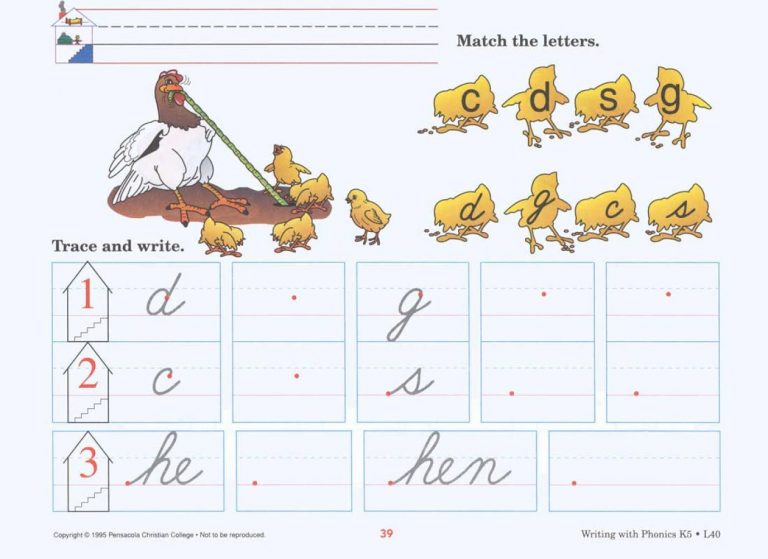
Executing abeka letter picture flashcards k5 effectively in a classroom or homeschool environment requires heavy cardstock printing, precise trimming, and intentional daily routines. Educators should print materials at 100 percent scale to ensure true-to-life object proportions, which prevents visual distortion during observation tasks. Introduce three to five new cards per week, pairing rapid-fire phonetic drills with tactile drawing exercises on corresponding grid worksheets. Instruct young learners to first identify the primary object, trace its outer contours with an index finger to map motor memory, and then replicate the proportions inside a structured drawing grid. Consistency in this routine builds both independent focus and fine-motor precision.
Common Challenges and How to Avoid Them
Rushing through visual observation without addressing proper scale represents the most frequent obstacle when integrating abeka letter picture flashcards k5 with drawing tasks. Children often attempt to draw complex objects from memory before accurately analyzing the spatial quadrants of the reference card. To correct this tendency, adults should guide learners to look for anchor points—such as top-left curves or center intersections—within both the flashcard and the drawing grid. Providing physical framing tools or cardboard viewfinder windows helps isolate specific sections of the picture, reducing cognitive overload and encouraging methodical, line-by-line proportion estimation.
💬 Frequently Asked Questions
Explore More Free Learning Printables and Visual Activities on WePhotoAgency
Enhance early childhood curriculums by exploring the comprehensive collection of developmental printables, drawing grids, and visual learning resources available directly through WePhotoAgency.com. Dedicated educators, parents, and homeschoolers will find continuous inspiration for building foundational cognitive, artistic, and literacy skills.
Visual Reference Gallery