Introduction
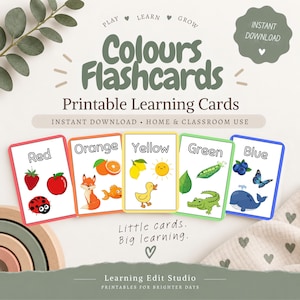
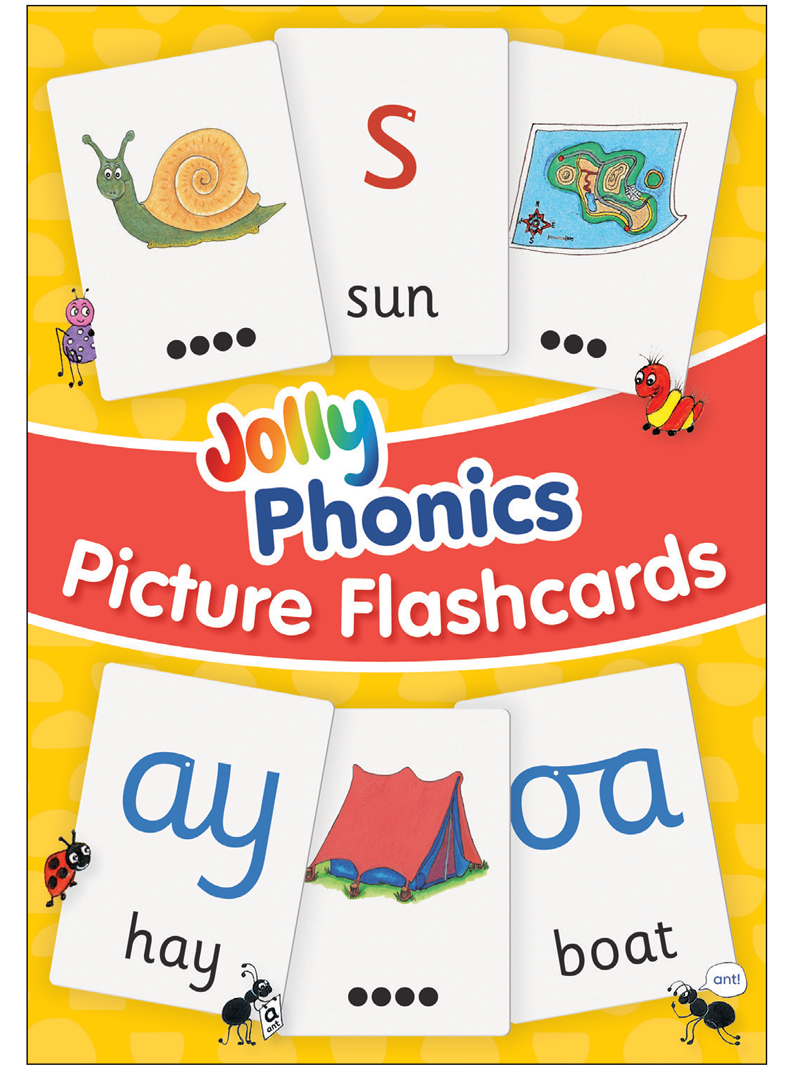
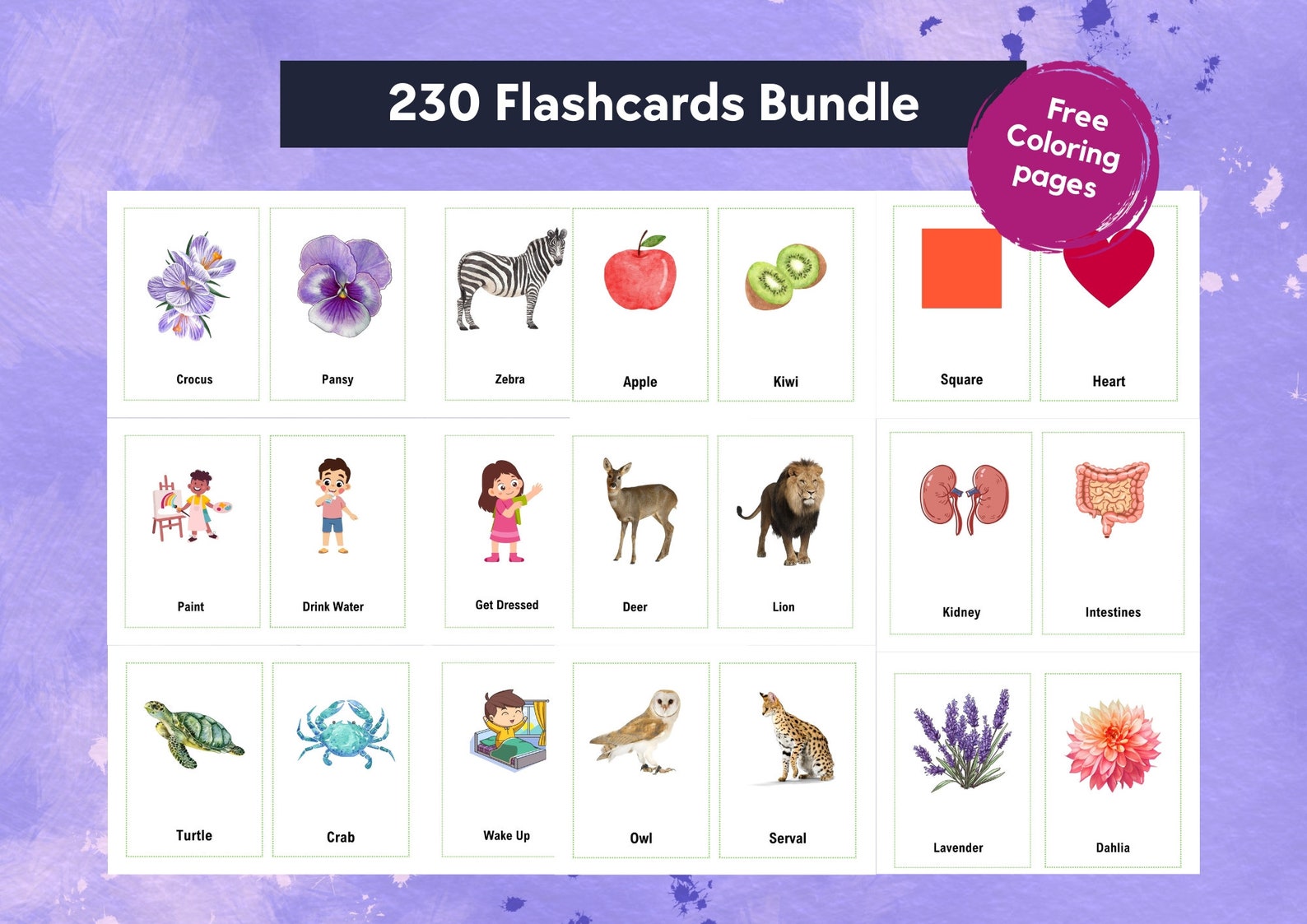
A picture flashcards system leverages authentic visual stimuli to accelerate cognitive mapping, fine-motor coordination, and spatial analysis in young learners. According to the National Association for the Education of Young Children (NAEYC), purposeful exposure to high-resolution real-world imagery fundamentally enhances visual literacy and object recognition during early childhood development. Utilizing photographic cards alongside structured printable Grid Drawing exercises bridges the gap between passive observation and active artistic creation, fostering essential proportional estimation skills.
Visual Learning & Skill Snapshot:
- Core Focus: Utilizing photographic visual prompts for grid-based drawing and cognitive spatial training.
- Target Skill: Spatial reasoning, visual discrimination, fine-motor proportion, and photo-based concept mastery.
- Key Recommendation: Pair high-contrast photo cards directly with squared grid worksheets to anchor visual tracking.
Core Principles and Visual Learning Overview
Visual learning requires systematic decomposition of complex shapes into manageable geometric coordinates that young minds can easily interpret and replicate. When educators integrate Photo Flashcards into daily instructional routines, children develop enhanced visual discrimination by analyzing light, shadow, texture, and boundary lines. This observational discipline directly supports coordinate mapping, where children translate individual grid quadrants from a reference photograph onto a blank drawing sheet, mastering scale, symmetry, and spatial awareness.
Key Specifications and Breakdown
| Age / Learning Stage | Visual Skill & Grid Ratio | Pedagogical Application & Scaffolding |
|---|---|---|
| Ages 4-5 (Early Years) | 2×2 Grid / High-Contrast Objects | Focuses on simple silhouettes and primary shapes to build foundational quadrant tracking. |
| Ages 6-7 (Early Elementary) | 3×3 Grid / Real-World Nature & Animals | Encourages line continuity and proportional estimation across adjacent grid intersections. |
| Ages 8+ (Advanced Beginners) | 4×4 Grid / Detailed Architectural & Portrait Photos | Demands precise angle measurement, shading control, and complex visual synthesis. |
Structured visual prompts and grid-based decomposition significantly accelerate spatial working memory and fine-motor precision in school-age children. — National Art Education Association (NAEA)
Step-by-Step Practical Application and Printing Guidelines
Executing successful drawing exercises with photographic references requires durable cardstock printing and clear visual alignment. Educators and parents should print photo references and corresponding grid worksheets at 100 percent scale without auto-fit scaling distortions to ensure exact coordinate matching. Place the reference card directly above the working grid sheet to promote vertical scanning habits, reducing eye strain and reinforcing correct top-to-bottom, left-to-right scanning patterns essential for reading and artistic composition alike.
Common Challenges and How to Avoid Them
Overwhelming visual complexity represents the primary obstacle when children attempt to draw directly from intricate photographic references without adequate scaffolding. To prevent frustration, instructors should temporarily mask off complex sections of the image, allowing learners to focus exclusively on one grid square at a time. Emphasizing that initial sketches require light, erasable pencil strokes rather than permanent heavy lines builds confidence and encourages healthy iterative problem-solving during proportion estimation.
💬 Frequently Asked Questions
Explore More Free Learning Printables and Visual Activities on WePhotoAgency
Access an extensive library of professional visual resources, printable drawing grids, and cognitive development tools designed for educators, homeschoolers, and parents by visiting WePhotoAgency.com to support early visual literacy today.
Visual Reference Gallery