Introduction
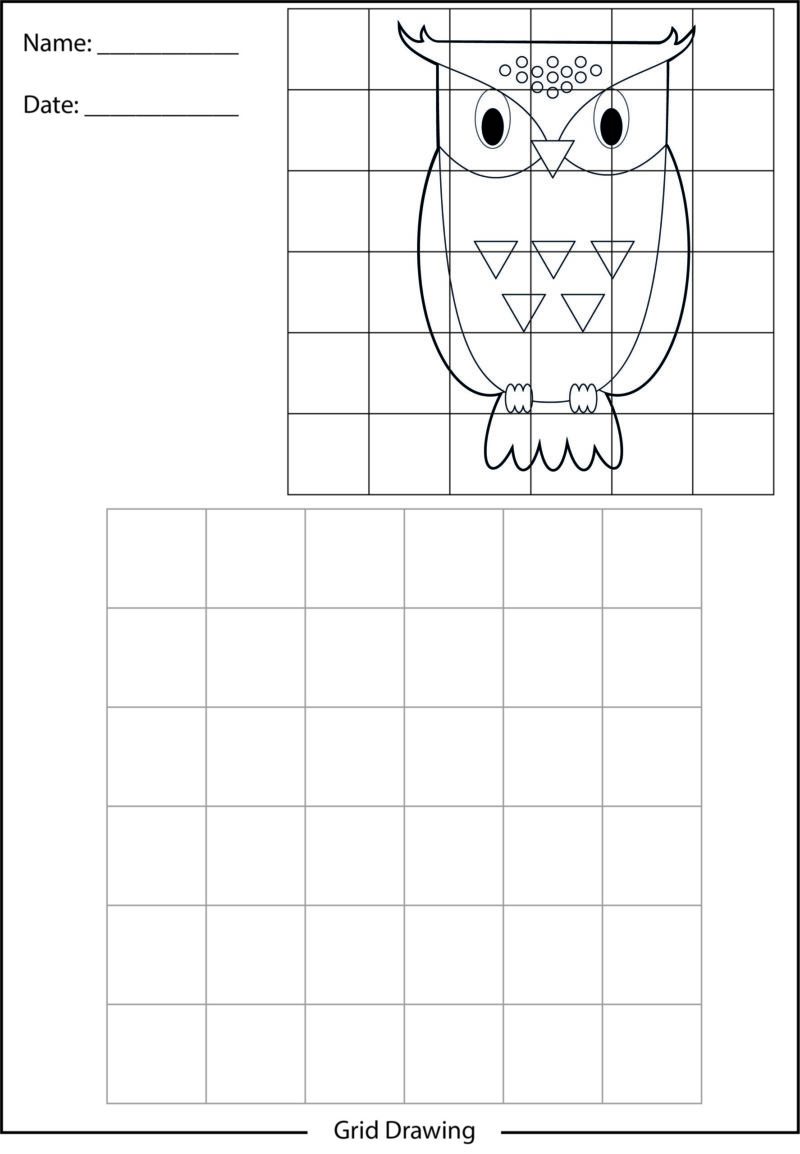
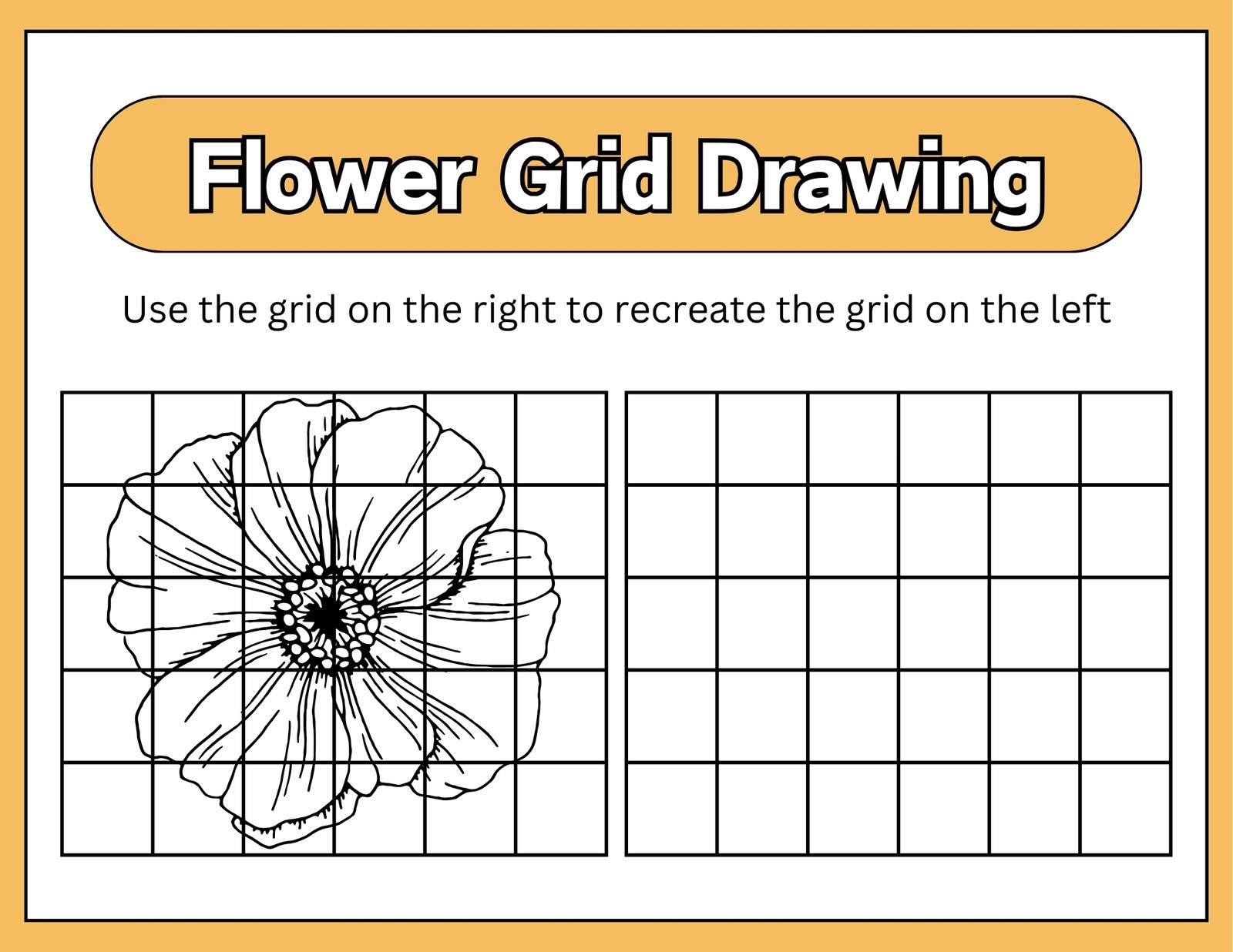
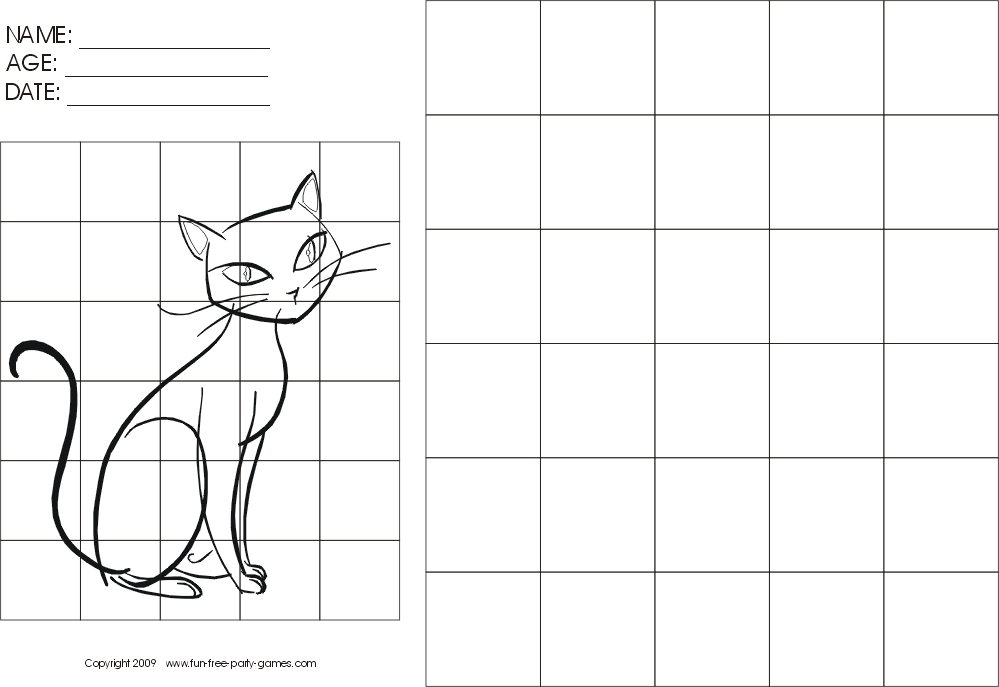
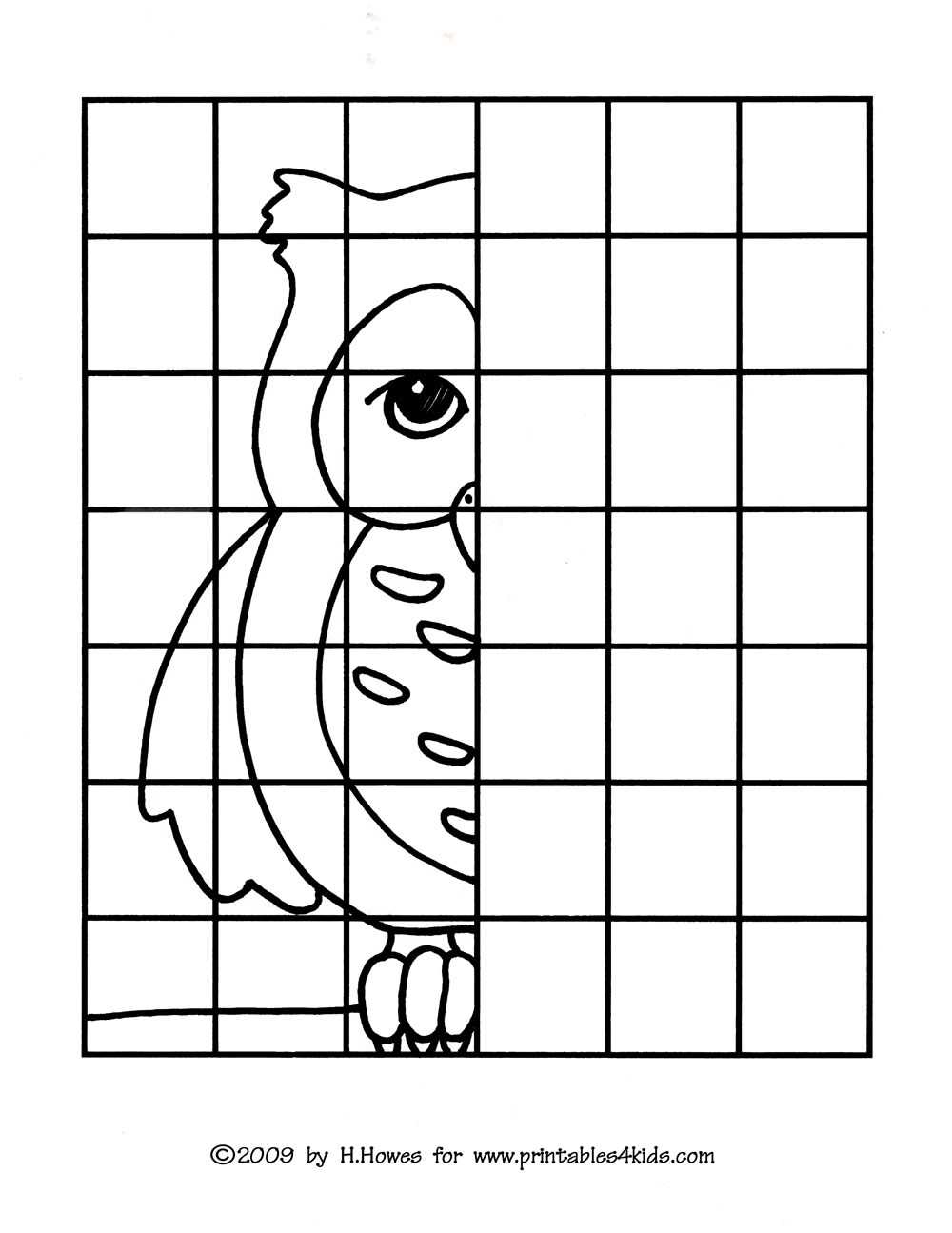
Simple grid drawing worksheets function as structured graphical frameworks that break complex visual subjects into manageable quadrants, fostering precise spatial awareness and observational mastery in early childhood learners. According to the National Association for the Education of Young Children (NAEYC), structured visual-spatial activities during early childhood significantly accelerate mathematical and geometric comprehension through hands-on cognitive scaffolding. By dividing reference subjects into distinct blocks, young artists learn to isolate shapes, measure proportions accurately, and translate visual data from paper templates. Integrating printable tools alongside Grid Drawing exercises bridges the gap between abstract art theory and concrete fine-motor skill execution.
Visual Learning & Skill Snapshot:
- Core Focus: Simple grid drawing worksheets utilize segmented coordinate boxes to teach children proportional scaling, careful observation, and fine-motor control.
- Target Skill: Spatial reasoning, visual discrimination, fine-motor proportion, and photo-based concept mastery.
- Key Recommendation: Pair photographic references with low-density 2×2 or 3×3 grids for early learners to prevent cognitive overload.
Core Principles and Visual Learning Overview
Simple grid drawing worksheets rely on the principle of chunking complex visual information into isolated coordinate sections, drastically reducing cognitive load for developing minds. When children focus on replicating lines within a single square rather than an entire subject, frustration decreases and confidence increases rapidly. This foundational technique supports observation skills by training the brain to look at negative space, line angles, and proportions relative to boundaries rather than relying on symbolic memory. Pairing these worksheets with real Photo Flashcards enhances perceptual accuracy by connecting tangible real-world imagery directly to geometric replication exercises.
Key Specifications and Breakdown
| Age / Learning Stage | Visual Skill & Grid Ratio | Pedagogical Application & Scaffolding |
|---|---|---|
| Ages 4-5 (Early Learners) | 2×2 Grid (Basic Shapes) | Focuses on simple silhouettes and bold outlines to build initial confidence in coordinate mapping. |
| Ages 6-7 (Early Elementary) | 3×3 Grid (Objects & Animals) | Introduces proportional estimation, curve tracking, and multi-line intersection analysis. |
| Ages 8-9 (Advanced Beginners) | 4×4 Grid (Detailed Photos) | Teaches advanced scale translation, shadow value observation, and complex photographic replication. |
Structured visual-spatial activities measurably enhance early geometric thinking, fine-motor precision, and cognitive problem-solving capabilities when introduced through gradual complexity scaling. — National Art Education Association (NAEA)
Step-by-Step Practical Application and Printing Guidelines
Executing simple grid drawing worksheets effectively requires careful preparation of physical printing materials and clear instructional sequencing for children. Educators should print worksheets on heavy cardstock to withstand repeated pencil erasing and marker pressure. Begin by placing the reference image alongside the blank grid, instructing the learner to point at a specific coordinate square before drawing the corresponding lines. Utilizing diverse Educational Activities alongside standard templates keeps engagement high while reinforcing multi-disciplinary learning concepts across various academic subjects.
Common Challenges and How to Avoid Them
Learners frequently struggle with simple grid drawing worksheets when attempting to draw the entire picture at once instead of focusing on one individual box. To prevent this overwhelm, provide an opaque paper mask so children can cover all surrounding squares except the active coordinate area being copied. Another frequent hurdle is proportion distortion caused by rushing line intersections; encourage children to check where lines cross grid axes before finalizing their strokes. Consistent, low-pressure practice sessions ensure that observation transforms from a frustrating task into an intuitive artistic habit.
💬 Frequently Asked Questions
Explore More Free Learning Printables and Visual Activities on WePhotoAgency
Comprehensive educational success relies on diverse, high-quality visual resources that engage young minds across multiple developmental domains. Educators, parents, and homeschoolers can access an extensive library of printable assets by visiting WePhotoAgency.com to download professional-grade worksheets, flashcards, and creative templates tailored for optimal childhood learning.
Visual Reference Gallery